Canada · Ontario
Where to Stay in Burlington, Ontario
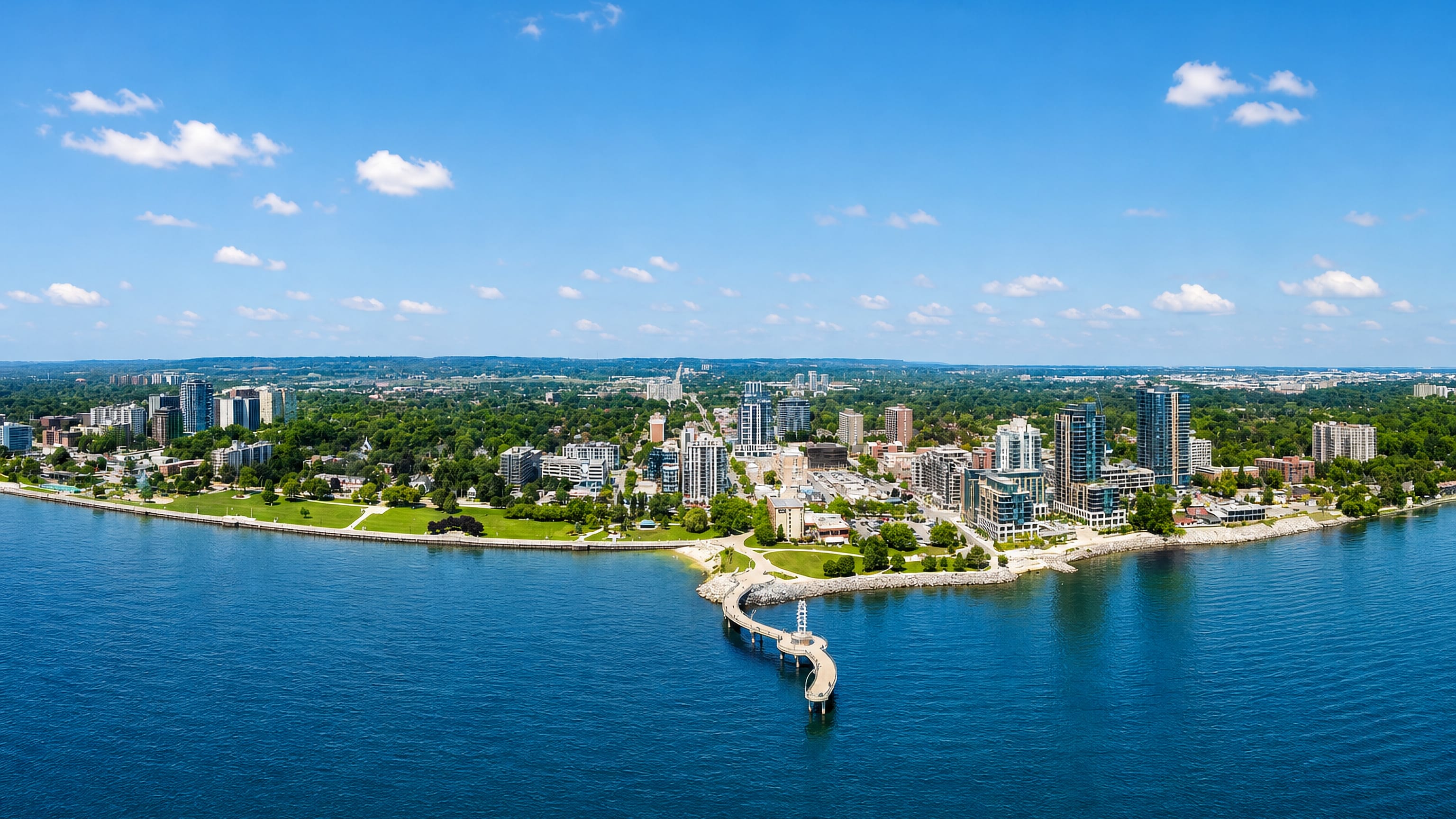
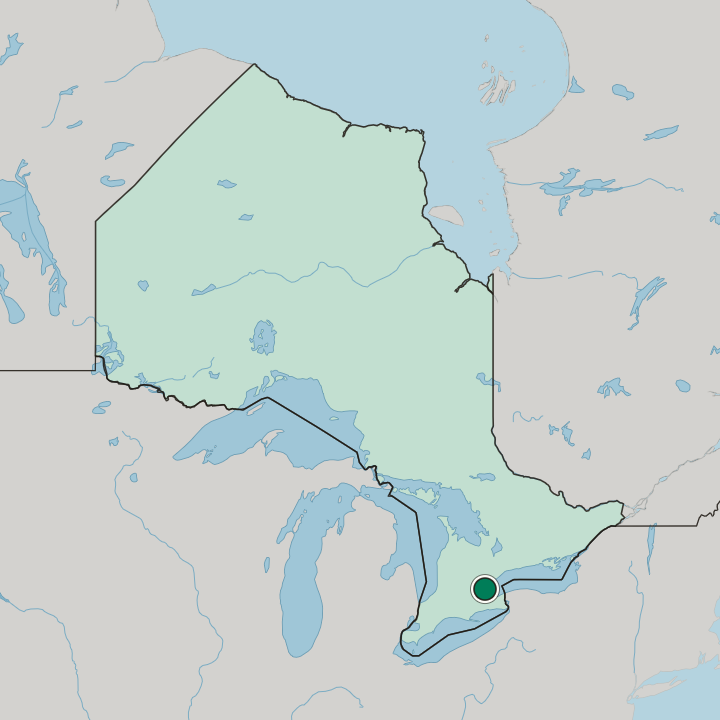
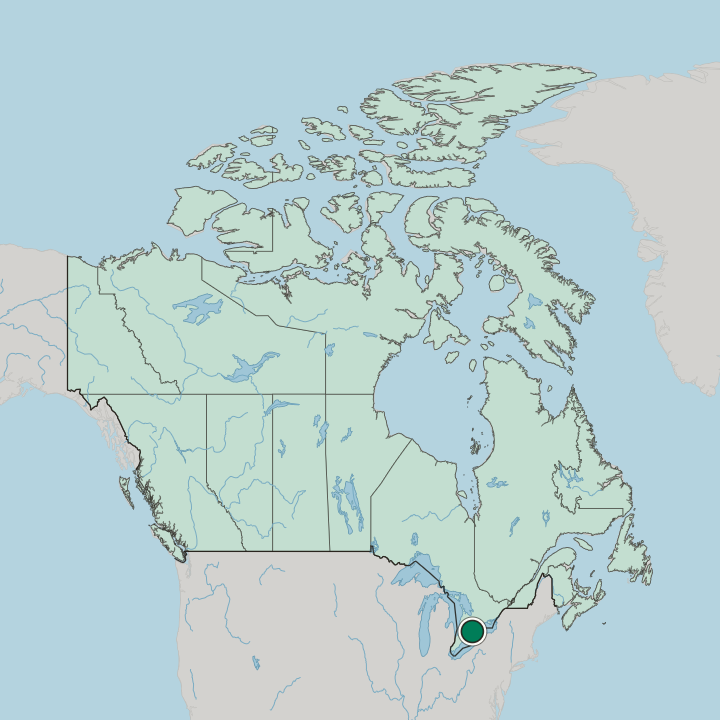
Burlington lies across Burlington Bay from Hamilton, at the west end of Lake Ontario in Halton Region. Oakville and Milton adjoin it.
Hotel links are affiliate links: booking through them may earn us a commission, at no extra cost to you. It never affects how places are ranked. How this works


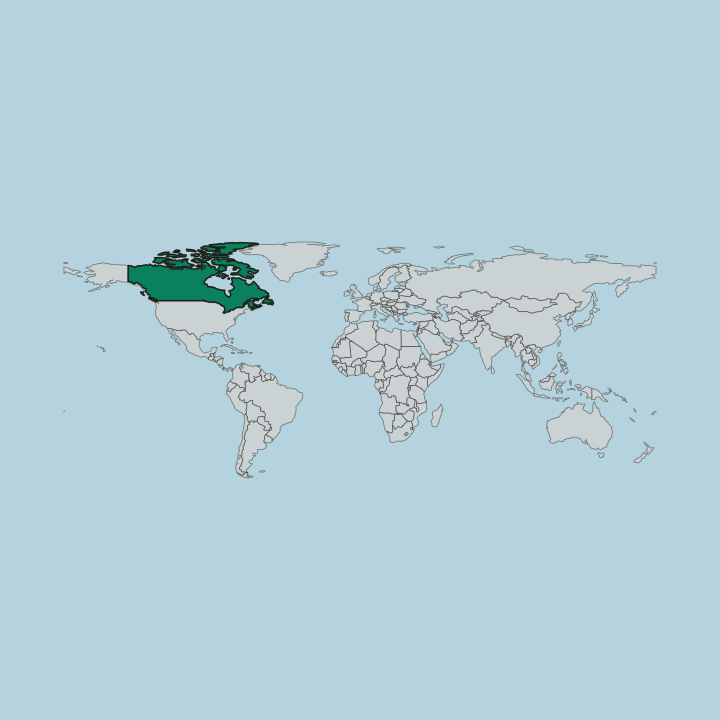
Where to stay in Burlington
Where visitors usually base themselves, and why.
Beach Blvd runs along the water. The strip carries a long row of heritage-listed houses facing Lake Ontario, and a bed near it puts the shore, the sand, and the water that separates the city from Hamilton within a short walk. Walkers do best on this side.
Burlington Bay lies on the Hamilton side, and a room out along the water gives up the shops of the centre for the sound of the lake. The other choice sits inland. Beds inland put the Art Gallery of Burlington, the Burlington Cenotaph, and the ordinary business of a Halton Region city within reach, and they suit anyone using the place as a base for Toronto or Niagara rather than for the shore.
Oakville and Milton are minutes off. A car makes the difference in a city this spread out, since Burlington covers a great deal of ground and the distance between the lake and the far edge is not a walk. Hamilton is close enough that a stay in Burlington serves both, and the water between them is the only real separation.
Find hotels in Burlington
Direct booking searches for these neighbourhoods.
Beach Blvd
The numbered houses on Beach Blvd face open lake water rather than the cityFind hotels in Beach BlvdBases for day runs out to Toronto and NiagaraAround the Art Gallery of Burlington
The Art Gallery of Burlington and the Burlington Cenotaph anchor the inland sideFind hotels in Around the Art Gallery of BurlingtonHotel links are affiliate links: booking through them may earn us a commission, at no extra cost to you. It never affects how places are ranked. How this works
Things to do in Burlington
Ranked by global recognition; descriptions from Wikidata (CC0).
Museums & Galleries
1- Art Gallery of Burlington
Churches & Religious Sites
3- Holy Rosary Church
- St. Gabriel Church
- Église Saint-Philippe
Castles & Historic Sites
2- Naval Memorial Monument
- Burlington Cenotaph
worth knowingacross 3 categories in Burlington
About Burlington
Lake Ontario sets the front edge.
What is Burlington known for?
Burlington faces open water at the west end of Lake Ontario, and the shoreline is what the city has instead of an old centre, since it was founded in 1874 and grew mostly after that. The Art Gallery of Burlington gives the city its one civic collection, and the Burlington Cenotaph and the Naval Memorial Monument mark the war record. Position counts for the rest. Toronto and Niagara are both about three quarters of an hour away by road, which makes Burlington a base more often than a destination.
What are the main landmarks in Burlington?
The Art Gallery of Burlington is the city's main public building for art, and the Burlington Cenotaph and the Naval Memorial Monument account for its two memorials. Parish churches fill what is left. Église Saint-Philippe and Holy Rosary Church carry the register's religious entries, and a long row of numbered houses along Beach Blvd carries almost everything else on it. The count runs to nineteen.
What is the history of Burlington?
Burlington was founded in 1874. A century later, in 1974, it took city status, and the hundred years between the two dates cover most of what turned a lakeshore settlement into one of the larger municipalities in Canada. Hamilton was always the neighbour.
Burlington Bay separates the two, and the city grew facing that water rather than turning inland, which is why so much of the heritage register stands in a row along the shore. Growth came from outside. The Greater Toronto Area reached this far around the lake, the Hamilton metropolitan area met it from the other direction, and Burlington ended up inside both as well as inside the Golden Horseshoe.
Halton Region governs it. Milton lies to the northwest and Oakville to the northeast, so the city's boundaries were drawn against neighbours rather than against open country, and the result is a place whose edges are all shared. Toronto and Niagara sit within three quarters of an hour of it, which is the other half of the reason the city filled in.
The Naval Memorial Monument and the Burlington Cenotaph are what the twentieth century left in public.
Where is Burlington?
Lake Ontario ends here. Burlington occupies the west end of the lake, with Burlington Bay and Hamilton on one side and the shoreline running away toward Oakville on the other, across roughly a hundred and eighty-five square kilometres of Halton Region. Milton lies inland from it.
Nothing about the city's shape is natural, since every edge except the lakefront meets another municipality and the boundaries were negotiated rather than found.
What is the climate of Burlington?
Lake Ontario runs the thermostat. Water at the west end of the lake keeps Burlington milder at both ends of winter than the country behind Milton, and the same water pushes humidity over the city through the middle of summer. Snow falls, but Burlington Bay and the open lake take some of the edge off it, which is the practical difference between here and the ground further inland in Ontario.
How do you get to Burlington?
The highway brings people in. Toronto and Niagara are each about three quarters of an hour off, and Hamilton is nearer still, which puts Burlington inside the daily reach of most of the Greater Toronto Area. Oakville and Milton adjoin the city, so arriving from either takes minutes rather than a journey.
Common questions
What is the best area to stay in Burlington?
Beach Blvd: Lake Ontario shore walks past the heritage row on Beach Blvd. Around the Art Gallery of Burlington: Bases for day runs out to Toronto and Niagara.
Good for
More cities in Ontario
Updated October 2026