Canada · Ontario
Where to Stay in Guelph, Ontario
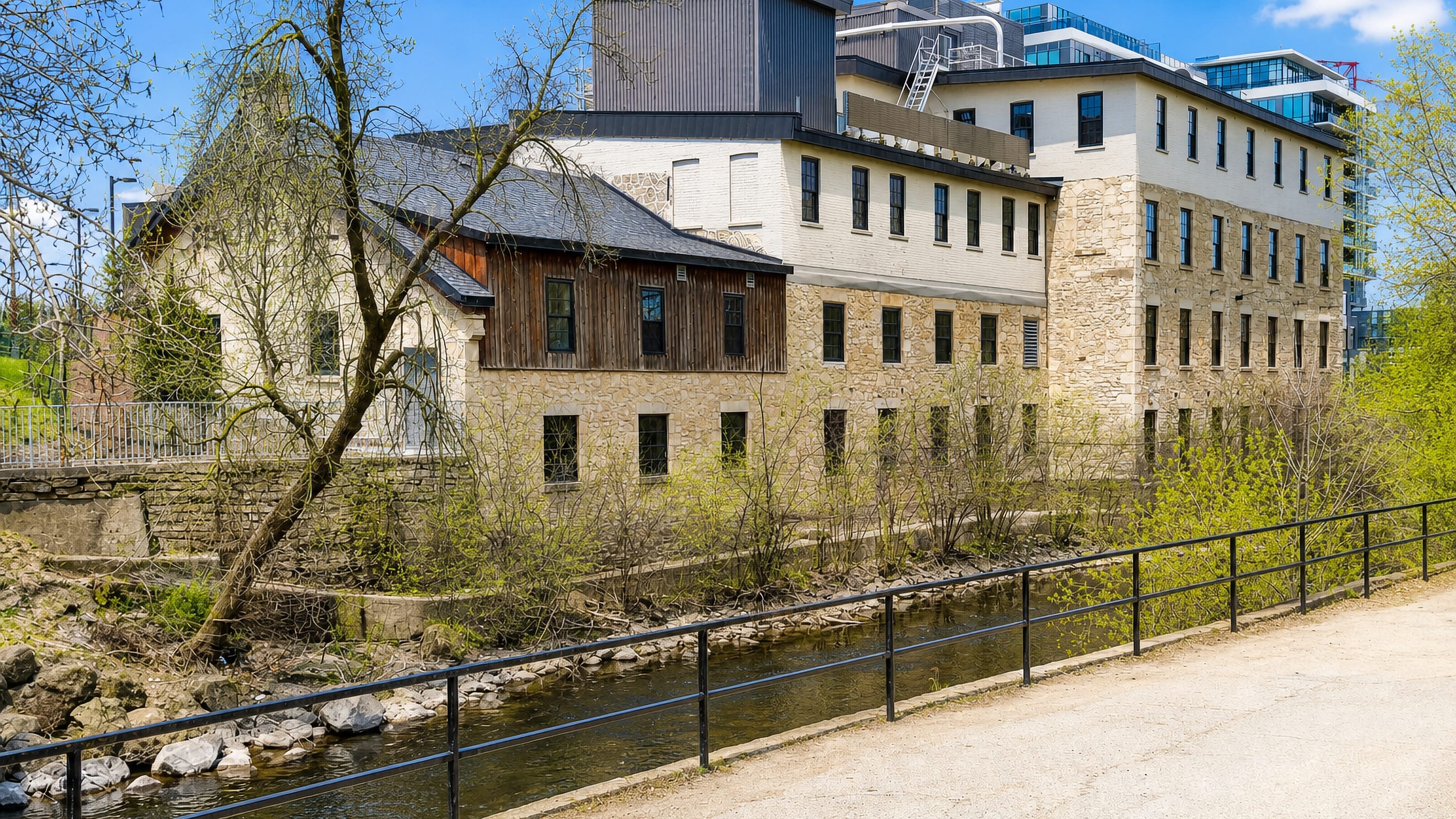
Guelph is an Ontario city on the Speed River, nicknamed The Royal City, seat of Wellington County and known for its limestone architecture.
Hotel links are affiliate links: booking through them may earn us a commission, at no extra cost to you. It never affects how places are ranked. How this works


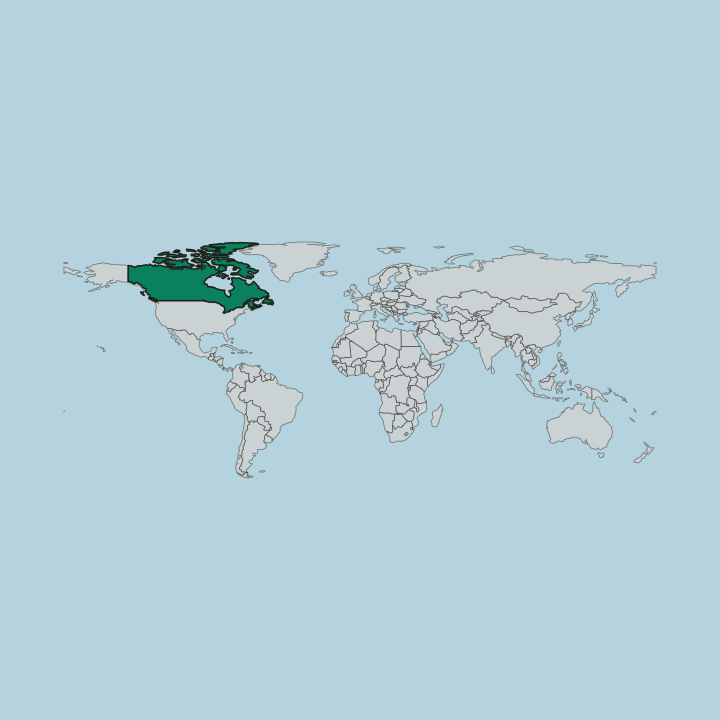
Where to stay in Guelph
The practical side of choosing where to sleep.
Downtown is compact enough to walk. Cork Street West and the blocks around it carry the limestone frontages Guelph is known for, and a room there leaves the Art Gallery of Guelph, the shops and the evening within a few minutes of the door. Most first visits belong here.
Waterloo Avenue and Oxford Street sit just off it, close enough to walk in and quiet enough to sleep. Woolwich Street runs a different kind of stay. Address after address along it is catalogued in its own right, from the numbers in the two hundreds up through the three hundreds, which gives the street a consistency the newer edges of the city lack.
It stays quiet after dark. The Speed River is still within reach on foot, and Holy Rosary Church and Bell House stand close by. McCrae House sits away from both.
Staying near it and Paisley Memorial United Church suits a visitor whose day is built around the museum rather than around the restaurants, and it puts Highway 6 within easy reach for anything beyond the city.
Find hotels in Guelph
Direct booking searches for these neighbourhoods.
Cork Street West downtown
The tightest part of the old core, where Cork Street West, Oxford Street and the Art Gallery of Guelph are all a few minutes apart on foot.Find hotels in Cork Street West downtownSleeping among houses catalogued number by numberWoolwich Street
A long run of individually recorded addresses on Woolwich Street, quieter than the core yet still walkable to the Speed River and Holy Rosary Church.Find hotels in Woolwich StreetDays built around McCrae House rather than the restaurantsMcCrae House side
Outer streets near McCrae House and Paisley Memorial United Church, taken when the museum comes first and Highway 6 is the way out.Find hotels in McCrae House sideHotel links are affiliate links: booking through them may earn us a commission, at no extra cost to you. It never affects how places are ranked. How this works
Things to do in Guelph
Ranked by global recognition; descriptions from Wikidata (CC0).
Museums & Galleries
1- Art Gallery of Guelph
Churches & Religious Sites
3- St. James the Apostle (Anglican) Church Heritage
- British Methodist Episcopal Church Heritage
- Paisley Memorial United Church Heritage
Landmarks & Notable Places
8- McCrae House Heritage
- Bell House Heritage
- 16 Edwin Street Heritage
- 12 Mont Street Heritage
- 146 Waterloo Avenue Heritage
Show 3 more →
- 15 Oxford Street Heritage
- 18 Kathleen Street Heritage
- 22-26 Oxford Street Heritage
worth knowingacross 3 categories in Guelph
About Guelph
Limestone gives Guelph its face.
What is Guelph known for?
The city built in that stone along the Speed River, and the older streets it left behind draw visitors as much as the festivals the calendar carries. McCrae House holds the historic side. The Art Gallery of Guelph covers the other, and both sit in a city that serves as the seat of Wellington County while remaining politically independent of it.
What are the main landmarks in Guelph?
McCrae House is the best known. The Art Gallery of Guelph, Loyola House and Bell House fill out the buildings a visitor is likely to seek out, while Holy Rosary Church, the British Methodist Episcopal Church and Paisley Memorial United Church cover the congregational side. Addresses do the rest.
Individual numbers on Woolwich Street, Oxford Street, Cork Street West, Waterloo Avenue, Edwin Street and Kathleen Street are recorded one by one, which is how the older stock of Guelph is catalogued.
What is the history of Guelph?
Guelph dates from 1827. The settlement grew on the banks of the Speed River and acquired the name The Royal City, a title that has stuck to it far longer than most such labels last. Stone shaped the result.
Limestone gave the early builders their material, and the frontages that survive on Woolwich Street, Oxford Street and Cork Street West are the clearest record the city keeps of that period. County business followed. Guelph became the seat of Wellington County and holds that role while standing politically independent of the county around it, an arrangement that makes the city an administrative centre without placing it under county government.
Later buildings mark later concerns. McCrae House preserves a house museum, the Art Gallery of Guelph carries the exhibition programme, and Loyola House, Holy Rosary Church and the British Methodist Episcopal Church record congregations of more than one tradition. Bell House and Paisley Memorial United Church belong to the same catalogue.
The catalogue keeps going. Numbers on Waterloo Avenue, Liverpool Street, Albert Street, Spring Street, Mont Street and Cambridge Street are each entered separately, so the written record of Guelph reads as a long list of ordinary houses rather than a handful of monuments.
Where is Guelph?
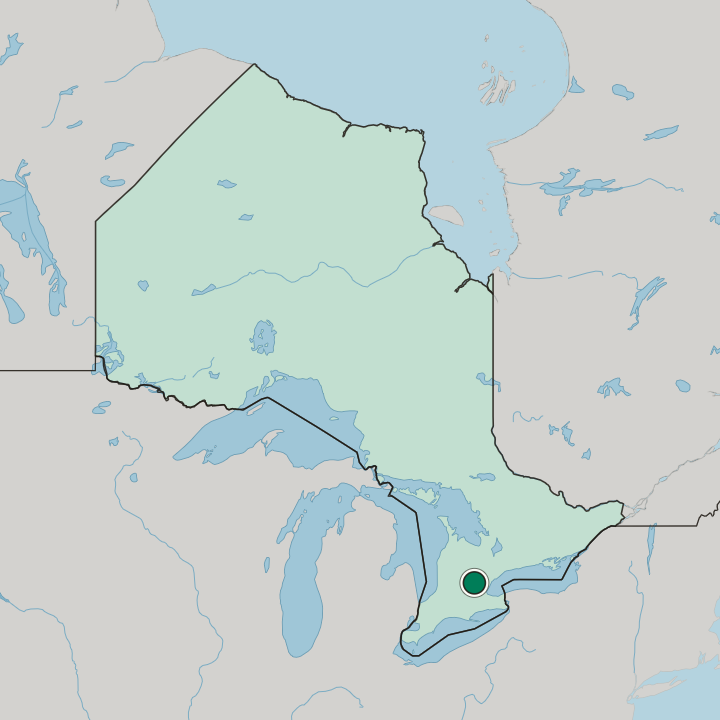
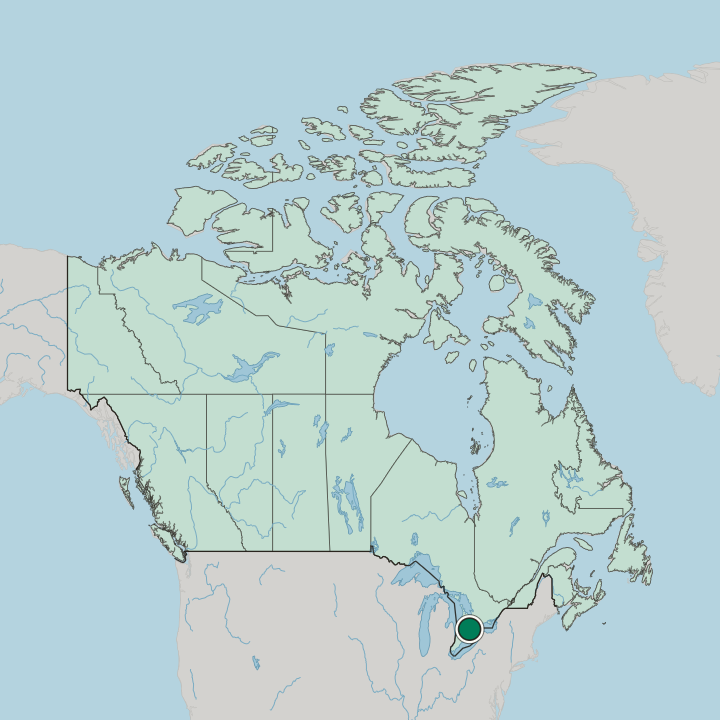
The Speed River runs through it. Guelph occupies both banks of that river, sitting east of Kitchener and west of Toronto on ground that puts either within a comfortable drive. Wellington County wraps around.
The city is the county seat without being part of it politically, which makes its boundary an administrative line rather than a natural one.
What is the climate of Guelph?
The Speed River sets the tone of a Guelph summer. Guelph sits in the temperate band of the northern hemisphere, and the year runs through four clear seasons with the festivals that fill its calendar clustered in the warmer half. Winter is the long stretch.
Limestone streets and the Art Gallery of Guelph carry a visit once the riverside loses its appeal.
How do you get to Guelph?
Three roads meet at Guelph. Highway 6, Highway 7 and Wellington County Road 124 intersect here, which is the practical reason the city is easy to reach from either Kitchener or Toronto without a change of plan. Toronto is the longer leg.
The drive west from it takes under an hour, while Kitchener lies closer still, and both approaches deliver a visitor into the limestone streets rather than to an edge needing a second hop.
Common questions
What is the best area to stay in Guelph?
Cork Street West downtown: Evenings among the limestone frontages by the Art Gallery of Guelph. Woolwich Street: Sleeping among houses catalogued number by number. McCrae House side: Days built around McCrae House rather than the restaurants.
Good for
More cities in Ontario
Updated September 2026