Canada · Ontario
Where to Stay in Kingston, Ontario
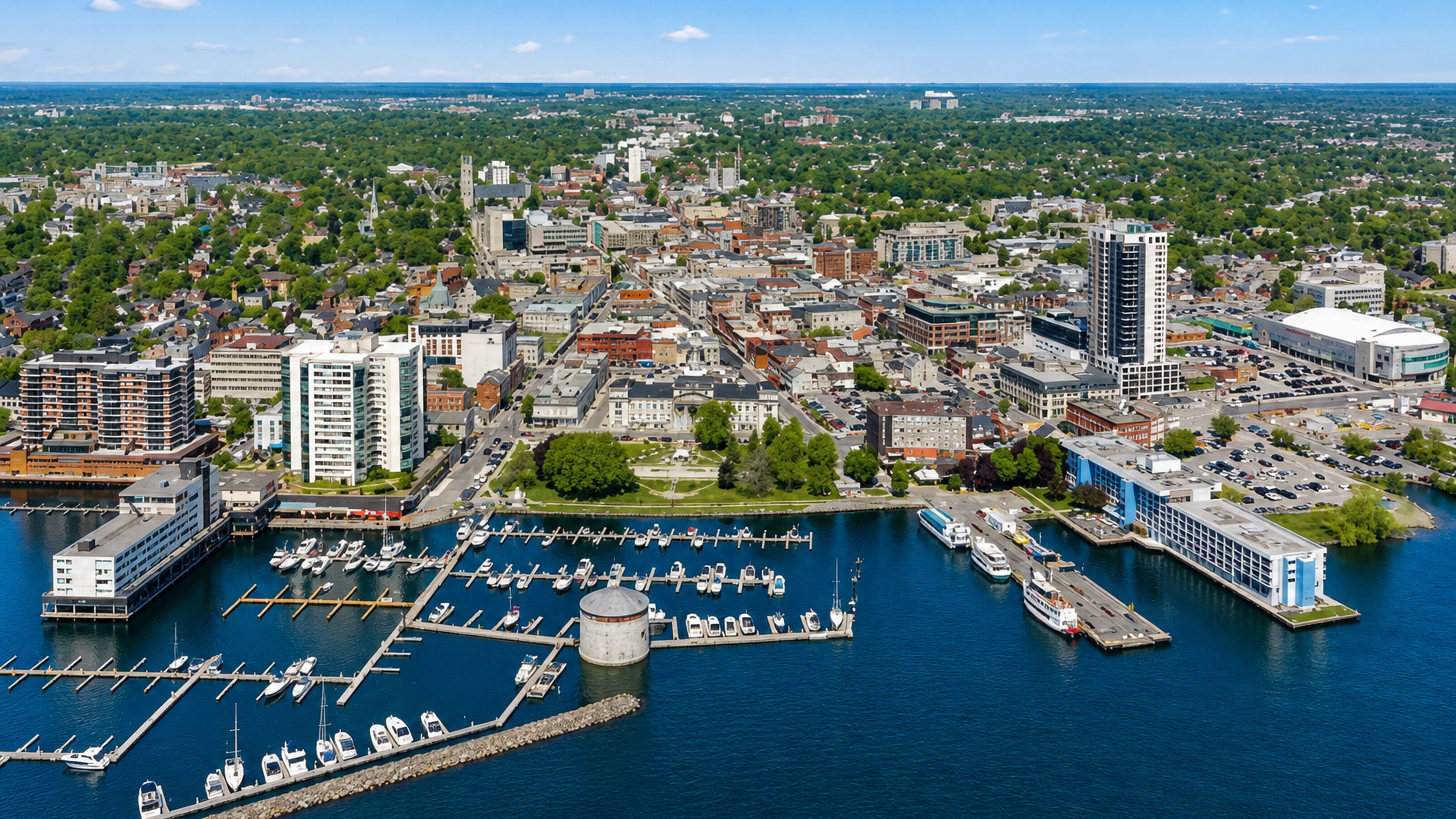
Kingston is a historic city in eastern Ontario, Canada, built in grey limestone where the Saint Lawrence River flows out of Lake Ontario.
Hotel links are affiliate links: booking through them may earn us a commission, at no extra cost to you. It never affects how places are ranked. How this works


Where to stay in Kingston
The practical side of choosing where to sleep.
Where you stay in Kingston turns on the waterfront. The limestone streets of downtown, by the harbour and the market square, keep the shops, the forts, and the university within reach, and staying there suits anyone here for the old city. The waterfront glows at dusk.
Rooms fill the old stone buildings near the lake. Out toward the highway and the suburbs, the city spreads into quieter streets. A room away from the centre trades the harbour for parking, space, and an easy road to the Thousand Islands.
The country opens past the edge of town. If you want the forts and the shops, stay downtown; if you want space and the islands, take a room outside. Either way, Kingston is easy to cross.
Find hotels in Kingston
Direct booking searches for these neighbourhoods.
Downtown waterfront
In the limestone streets by the harbour, within reach of Fort Henry and the market squareFind hotels in Downtown waterfrontStays wanting parking, space, and the islandsHighway and suburbs
Away from the centre near the highway, an easy road to the Thousand IslandsFind hotels in Highway and suburbsHotel links are affiliate links: booking through them may earn us a commission, at no extra cost to you. It never affects how places are ranked. How this works
Things to do in Kingston
Ranked by global recognition; descriptions from Wikidata (CC0).
Museums & Galleries
3- Fort Henry Heritage
- Murney Tower Heritage
- International Hockey Hall of Fame
Churches & Religious Sites
7- Sydenham Street United Church Heritage
- St. Andrew's Presbyterian Church Heritage
- Chalmers United Church Heritage
- Church of the Good Thief Heritage
- First Baptist Church Heritage
Show 2 more →
- 126 Wellington Street Heritage
- Queen Street United Church Heritage
Stadiums & Sports
1- Portsmouth Olympic Harbour
Landmarks & Notable Places
7- Bellevue House Heritage
- Roselawn Heritage
- Stone Gables Heritage
- Anglican Diocesan Centre Heritage
- Royal Military College commandant's residence Heritage
Show 2 more →
- 232 King Street East Heritage
- Inglewood Heritage
worth knowingacross 4 categories in Kingston
About Kingston
Kingston is known as the Limestone City.
What is Kingston known for?
Its grey stone streets and old forts guard the point where Lake Ontario narrows into the Saint Lawrence River, once the capital of a young Canada. Fort Henry looks down from its hill above the water. Stone and water made the town.
What are the main landmarks in Kingston?
Fort Henry crowns the hill above Kingston. Its stone ramparts and red-coated guard look down on the harbour, the great sight of the city, and the Martello towers like Murney Tower ring the shore below. Limestone marks the streets.
Bellevue House keeps the home of Sir John Macdonald, while the Agnes Etherington Art Centre and the Royal Military College of Canada stand along the water.
What is the history of Kingston?
Kingston grew at a great crossroads of water. The French built a fort here where the lake meets the river, and the British made it a naval and army town after them, raising the mighty Fort Henry and a ring of stone Martello towers to guard the border with America. War built its walls.
When the Canadas were joined in 1841, Kingston briefly became the capital of the new province, and its limestone parliament and grand houses date from those proud years. The city turned to learning and defence. Queen's University and the Royal Military College of Canada rose along the shore, and Kingston became a town of students and soldiers.
Its first citizen went far. Sir John Macdonald, the first prime minister of Canada, made his home at Bellevue House among the limestone streets. The old forts and the Rideau Canal were later named a treasure of the world, and Fort Henry still drills its guard above the harbour.
Where is Kingston?
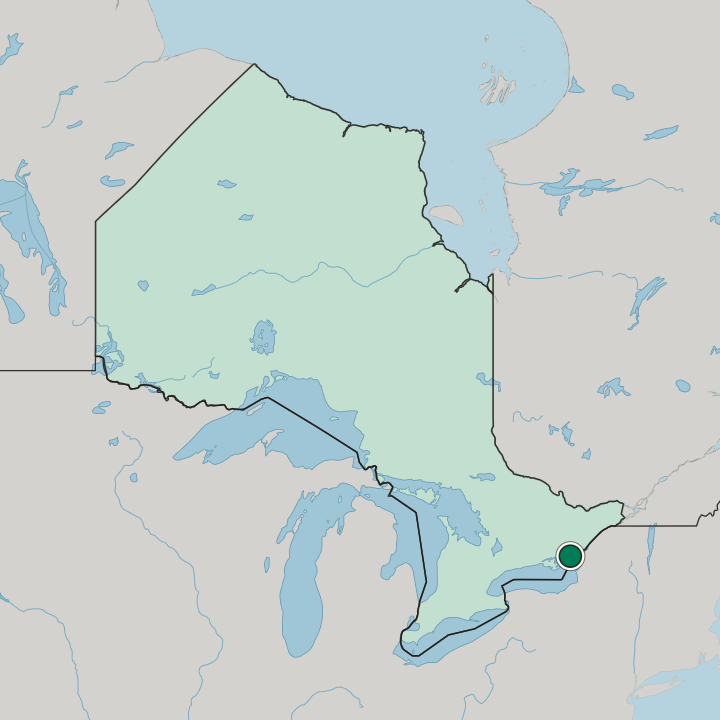
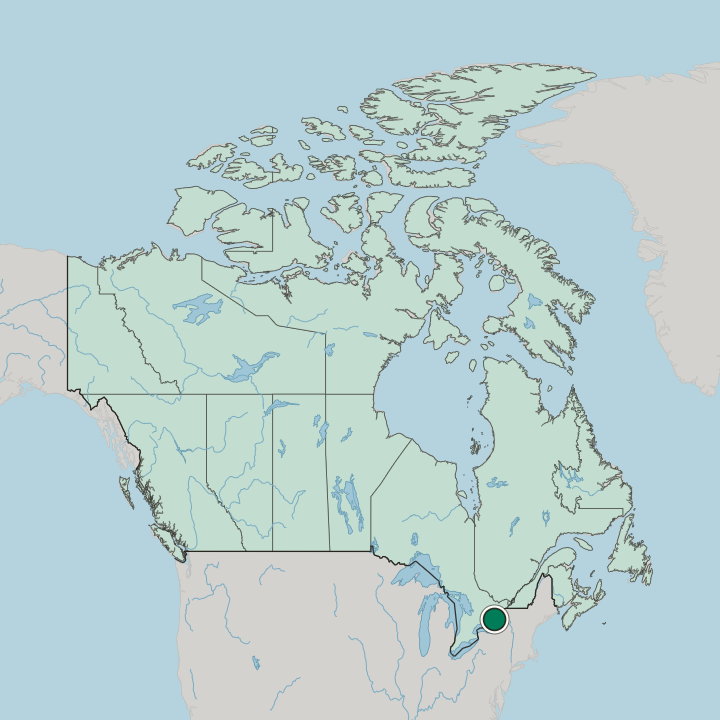
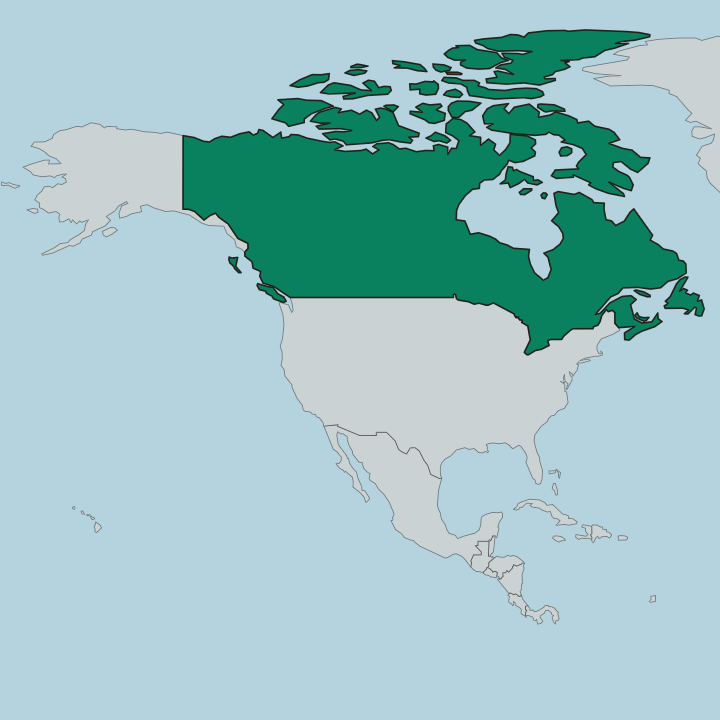
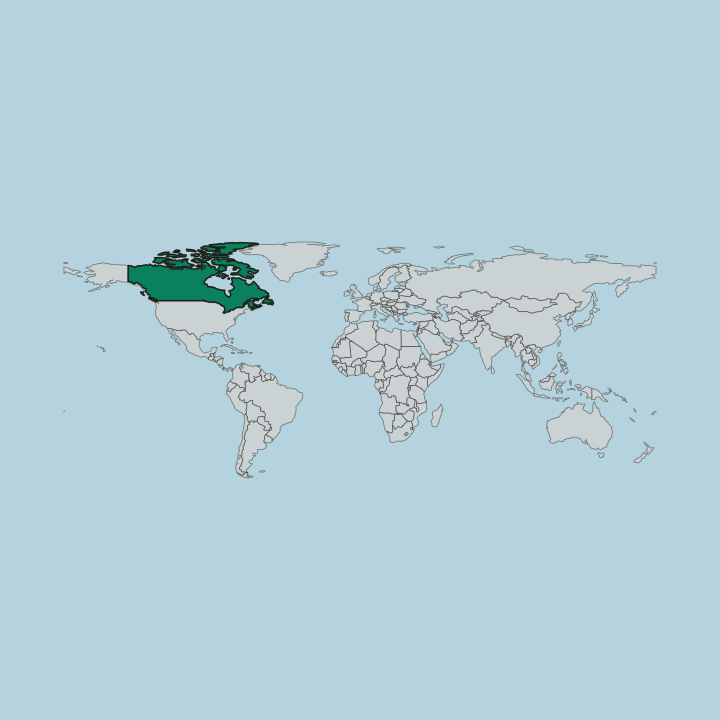
Kingston stands where lake becomes river. The city sits at the eastern end of Lake Ontario in Ontario, Canada, at the head of the Saint Lawrence and the mouth of the Rideau Canal, among the rocks and islands of the Thousand Islands. Water surrounds it on three sides.
The great lake and river shape the town.
What is the climate of Kingston?
Kingston has a cold, snowy climate. Long winters freeze the lake shore, and the warm summers draw boaters to the islands, while the water keeps the seasons a touch milder than the inland cold. Snow piles deep along the streets.
The lake rules the weather all year.
How do you get to Kingston?
Kingston lies on the road between Toronto and Montreal. Trains and the highway run past along the Saint Lawrence, halfway between the two great cities, and a small airport lies outside town. Boats cross to the Thousand Islands in summer.
Most arrive by road or rail along the lake.
Common questions
What is the best area to stay in Kingston?
Downtown waterfront: Visitors here for the forts, shops, and university. Highway and suburbs: Stays wanting parking, space, and the islands.
Good for
More cities in Ontario
Updated September 2026