Canada · Ontario
Where to Stay in Milton, Ontario
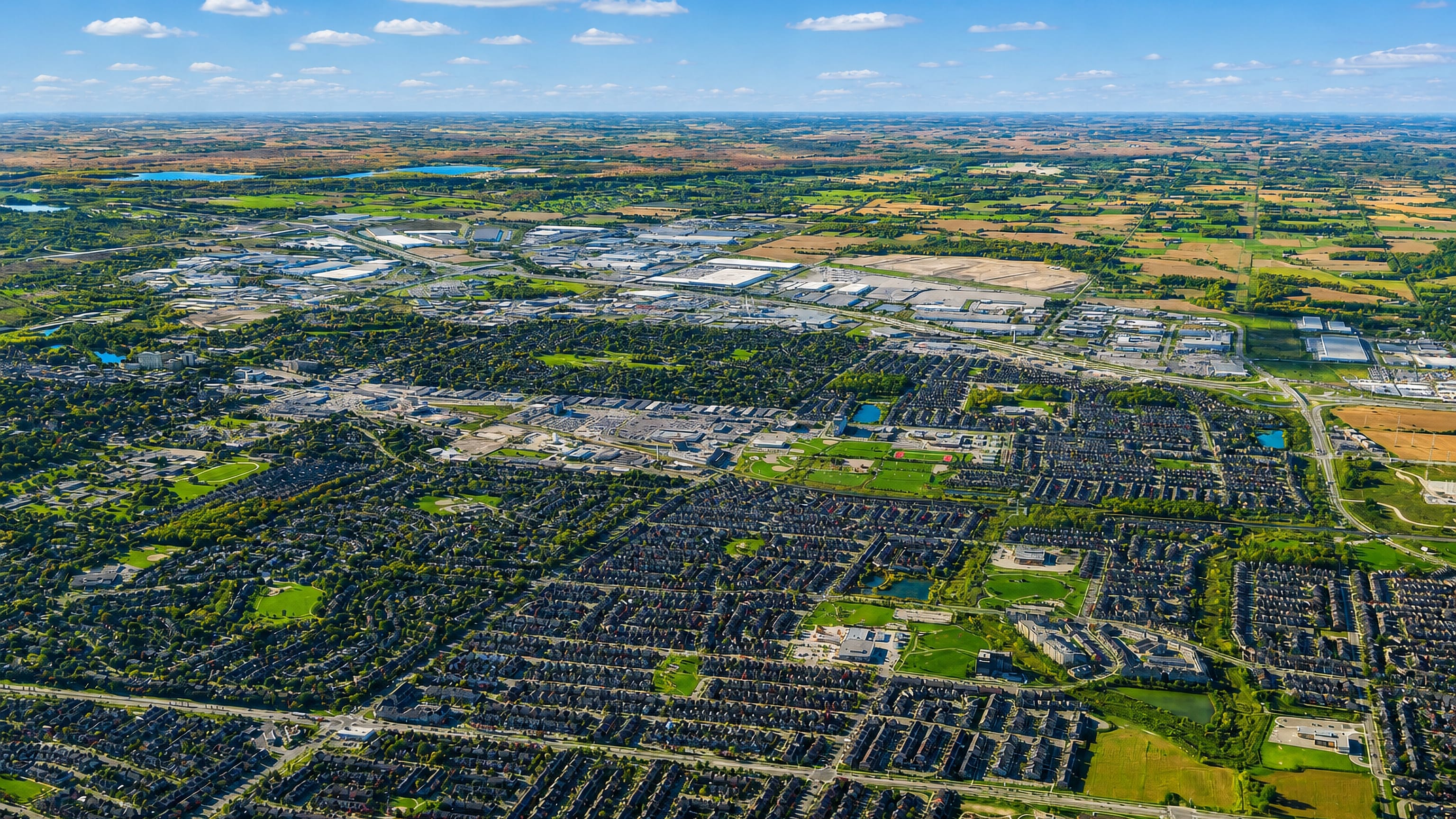
Milton is a town in Halton west of Toronto, a rural centre turned suburban, with a downtown of independent shops and restaurants.
Hotel links are affiliate links: booking through them may earn us a commission, at no extra cost to you. It never affects how places are ranked. How this works


Where to stay in Milton
How the choice of base plays out on the ground.
Milton keeps a real downtown. The old streets at its centre carry independent restaurants and shops, and a room within reach of them turns a suburban stop into somewhere a visitor can spend an evening on foot. Mill Street is the spine.
Holy Rosary Church and the numbered addresses along it sit close enough to walk between in a few minutes. Victoria Street and Charles Street run the residential option. Both are recorded house by house, and the same inventory holds Bowes House, the Featherstone House and the Thomas Ford House, so the older stock is easy to find on foot.
Those blocks settle down after dark. Oak Street and Pine Street belong to the same list. The newer edge is different.
Suburban blocks spread out toward the roads for Toronto, useful for anyone driving east each day and less useful for anyone wanting dinner within walking distance. The trade is straightforward. A stay near Mill Street works without a car, while the outer streets of Milton assume one for almost every trip.
Find hotels in Milton
Direct booking searches for these neighbourhoods.
Mill Street downtown
The historic spine of the town, where the shops and restaurants stand within a couple of blocks of Holy Rosary Church.Find hotels in Mill Street downtownQuiet nights among catalogued heritage housesVictoria Street and Charles Street
Older residential blocks listed address by address, close enough to reach the Mill Street restaurants on foot and set well back from them.Find hotels in Victoria Street and Charles StreetDrivers basing themselves west of TorontoThe Toronto-facing edge
Newer suburban ground on the roads out of Milton, chosen when the daily drive east counts for more than the downtown evening.Find hotels in The Toronto-facing edgeHotel links are affiliate links: booking through them may earn us a commission, at no extra cost to you. It never affects how places are ranked. How this works
Things to do in Milton
Ranked by global recognition; descriptions from Wikidata (CC0).
Churches & Religious Sites
2- St. Benedict Church
- Holy Rosary Church
Landmarks & Notable Places
8- 66 Charles Street Heritage
- 100 Victoria Street Heritage
- 121 Mill Street Heritage
- 133 Mill Street Heritage
- 151 Robert Street Heritage
Show 3 more →
- 16 Hugh Street Heritage
- 200 Martin Street Heritage
- 337 Oak Street Heritage
worth knowingacross 2 categories in Milton
About Milton
Downtown Milton is the point.
What is Milton known for?
The old main streets hold independent restaurants and shops, and they survive at the centre of a town that has turned into suburban ground within the Greater Toronto Area. Mill Street carries the oldest addresses. Holy Rosary Church stands among them, and the heritage houses catalogued around Victoria Street and Charles Street record the country town Milton was before the edge of Toronto reached it.
What are the main landmarks in Milton?
Churches and houses, mostly. Holy Rosary Church is the one place of worship on the list a visitor is likely to notice, and the rest of the entries are private houses recorded one by one across the older streets. Names carry the owners.
Bowes House, the David Watson Campbell House, the Featherstone House, the Thomas Ford House and the Socrates Centre House sit alongside numbered addresses on Mill Street, Victoria Street, Charles Street, Robert Street and Martin Street.
What is the history of Milton?
Milton dates from 1818. It began as a rural town on ground that lay well clear of Toronto, and for most of its existence that distance was the defining fact about the place. The heritage list shows what survives.
Bowes House, the Thomas Ford House, the David Watson Campbell House and the Featherstone House are each recorded separately, and the addresses catalogued on Mill Street, Victoria Street and Charles Street fill out the same picture of a small country town. Then the region reached it. Milton became part of the Regional Municipality of Halton and, with that, part of the Greater Toronto Area, so a town that had sat apart from Toronto found itself inside the same built-up sprawl.
The downtown held. Restaurants and shops still occupy the old main streets, Holy Rosary Church still stands, and the houses on Hugh Street, Oak Street, Pine Street and Robert Street were catalogued rather than cleared. That decision explains the town's two halves.
One is the historic core around Mill Street, and the other is the suburban ground built to serve people who work closer to Toronto than to Milton itself.
Where is Milton?
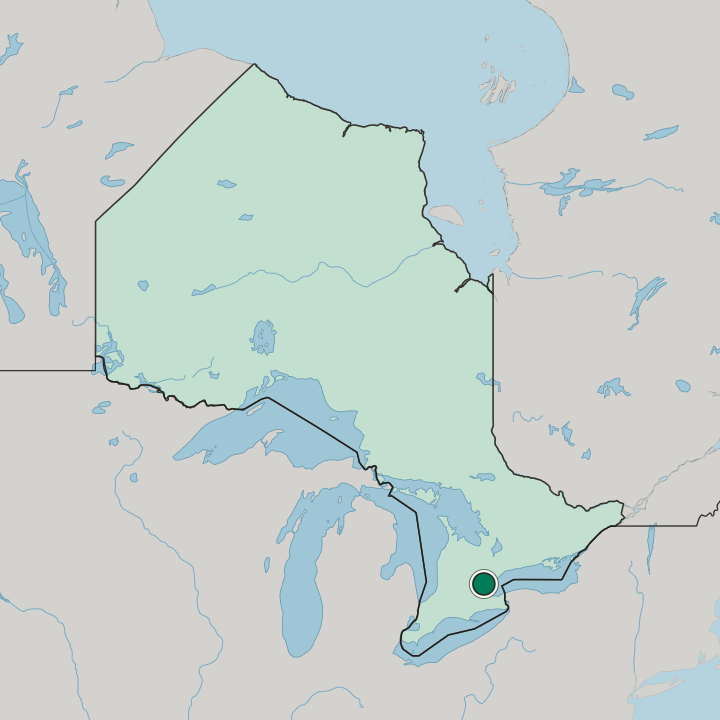
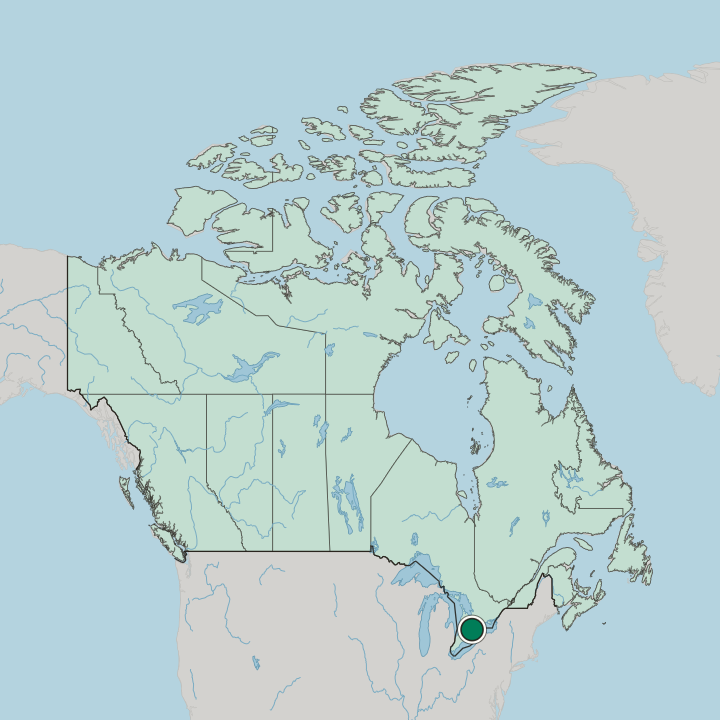
Toronto lies to the east. Milton sits west of it on the inland ground of the Regional Municipality of Halton, close enough to belong to the Greater Toronto Area and far enough that the town kept a centre of its own. The town spreads wide.
Its built-up area covers far more ground than the old streets around Mill Street ever did, which is why the historic core reads as one part of Milton rather than the whole of it.
What is the climate of Milton?
Seasons here are the whole story. Milton lies in the temperate band of the northern hemisphere, and the year divides cleanly into a cold half and a warm one, with the walkable half of a Milton visit belonging to the second. Winter empties the sidewalks.
Walking between Holy Rosary Church, Mill Street and the heritage houses on Victoria Street is a warm-weather proposition, and a car covers the same distances comfortably in any month.
How do you get to Milton?
Toronto is the approach. Milton sits west of the city, near enough that most arrivals come from that direction and far enough that the trip counts as a real leg rather than a hop across the built-up ground. Halton handles the rest.
Routes within the Regional Municipality of Halton connect the town to its neighbours, and once a visitor is here the gap between the newer edges and the old centre around Mill Street is the only remaining problem.
Common questions
What is the best area to stay in Milton?
Mill Street downtown: An evening among the independent restaurants of old Milton. Victoria Street and Charles Street: Quiet nights among catalogued heritage houses. The Toronto-facing edge: Drivers basing themselves west of Toronto.
Good for
More cities in Ontario
Updated September 2026