Canada · Ontario
Where to Stay in Niagara Falls, Ontario
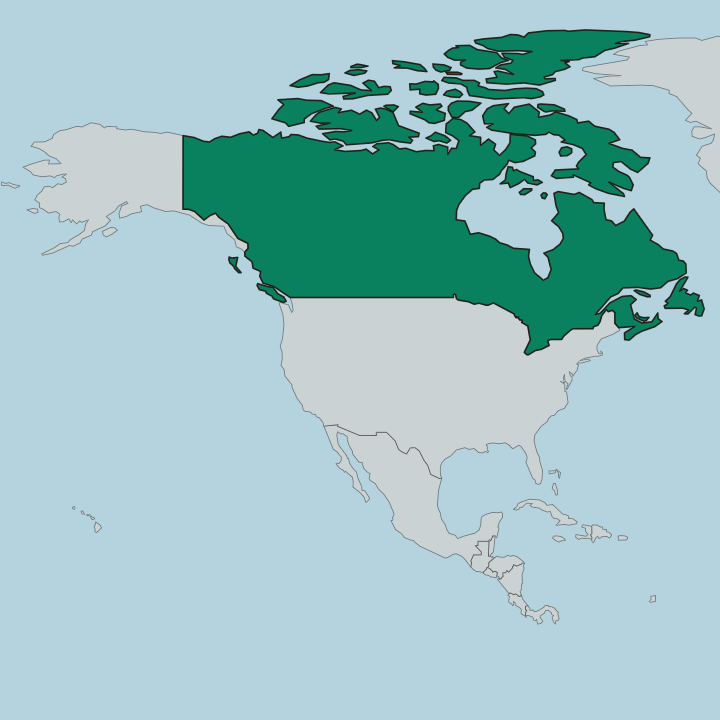
Niagara Falls is a city in southern Ontario, Canada, beside the great waterfall on the Niagara River between two of the Great Lakes.
Hotel links are affiliate links: booking through them may earn us a commission, at no extra cost to you. It never affects how places are ranked. How this works


Where to stay in Niagara Falls
How the choice of base plays out on the ground.
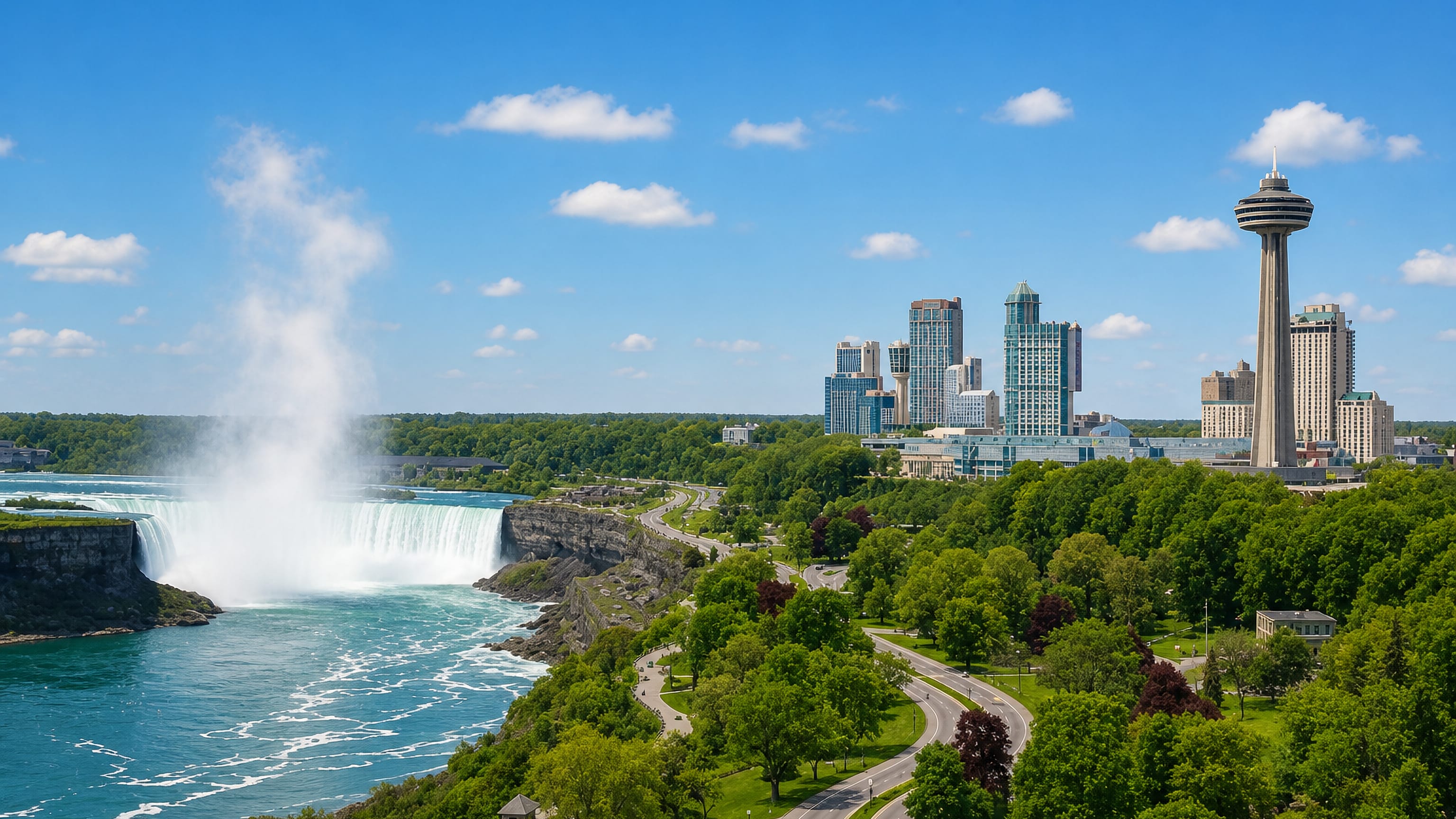
Where you stay in Niagara Falls turns on the view of the falls. The hotels along the Fallsview ridge look straight over the water, and the streets of Clifton Hill keep the shows, the rides, and the restaurants close, so staying near the gorge suits anyone here for the falls. The mist rises over the rooftops.
Windows on the Fallsview side face the falling water head-on. Out toward the wine country and the parkway, the city gives way to vineyards and orchards. A room away from the falls trades the crowds for quiet, the wineries, and the drive along the river.
The green peninsula opens past the edge. If you want the view and the shows, stay by the falls; if you want quiet, take a room inland. Either way, the falls are close at hand.
Find hotels in Niagara Falls
Direct booking searches for these neighbourhoods.
Fallsview and Clifton Hill
Along the ridge over the gorge within sight of the fallsFind hotels in Fallsview and Clifton HillStays wanting quiet and the wineriesThe wine country
Inland toward the vineyards and the river parkwayFind hotels in The wine countryHotel links are affiliate links: booking through them may earn us a commission, at no extra cost to you. It never affects how places are ranked. How this works
Things to do in Niagara Falls
Ranked by global recognition; descriptions from Wikidata (CC0).
Museums & Galleries
1- Niagara Falls Museum
Churches & Religious Sites
3- R. Nathaniel Dett British Methodist Episcopal Church Heritage
- Old St. John Evangelist Anglican Church Heritage
- Christ the Saviour Monastery
Landmarks & Notable Places
8- Buchner House Heritage
- Alexander Robinson House Heritage
- Bampfield Hall Heritage
- Church Residence Heritage
- Russell Cottage Heritage
Show 3 more →
- Glenview Mansion Heritage
- Oswald House Heritage
- Whirlpool House Heritage
worth knowingacross 3 categories in Niagara Falls
About Niagara Falls
Niagara Falls is the city of the great waterfall.
What is Niagara Falls known for?
On the Niagara River between Lake Erie and Lake Ontario, it looks across at the thundering Horseshoe Falls, and it draws millions to its viewpoints, its tower, and the boats that sail into the spray, while the vineyards of the Niagara peninsula spread inland. The wide river pours over the brink. Falls and mist mark the city.
What are the main landmarks in Niagara Falls?
The Horseshoe Falls is the heart of Niagara Falls. The great curved cataract, where the green river pours over in clouds of spray, faces the Canadian shore, the emblem of the city, from across the gorge. A tall tower overlooks the brink.
The Skylon Tower rises above the falls for the wide view, while the Maid of the Mist boats, the parks, and the gardens mark the riverfront of Niagara Falls.
What is the history of Niagara Falls?
Niagara Falls grew up around the cataract. Long before the town, the great falls were known to the native peoples of the river, and later drew travellers and painters to the wild spectacle of the water. Mills came first to the brink.
Early settlers used the rushing river to turn their wheels, and in time engineers harnessed the falls to make electric power for the whole region. Then the visitors came in their thousands. Railways and roads brought sightseers to the Canadian shore, and hotels, towers, and gardens rose to meet them along the gorge.
The falls became a wonder of the world. Honeymooners and daredevils alike made Niagara a household name, some going over the falls in barrels, most simply gazing at the roaring water. The river still pours over the brink.
Niagara Falls keeps its cataract and its gardens on the border.
Where is Niagara Falls?
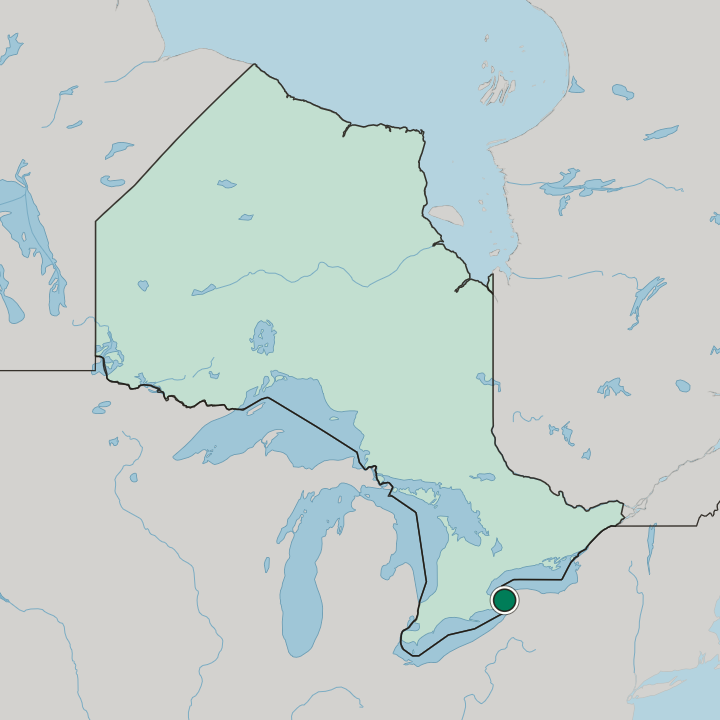
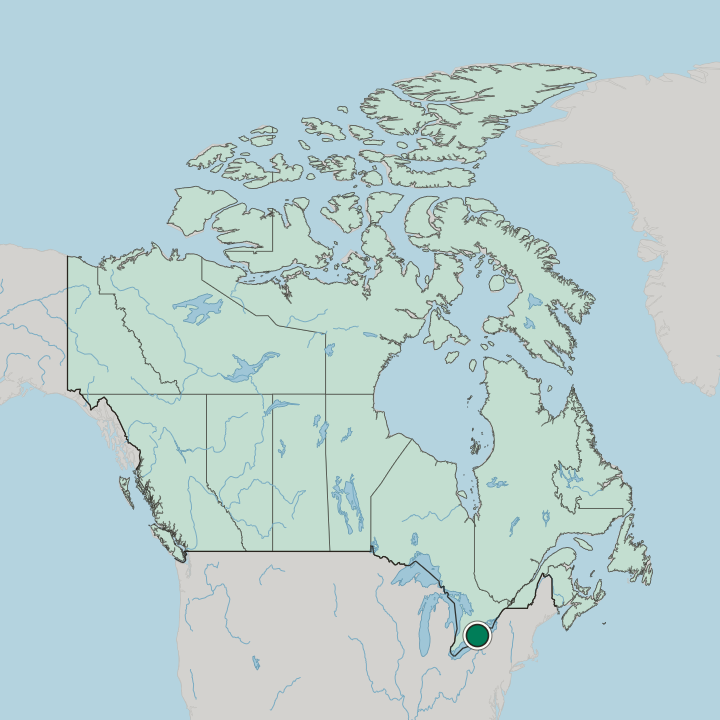
Niagara Falls lies on the Niagara River in southern Ontario, on the border with the United States. The city stands at the great falls, where the river drops over the Niagara Escarpment and rushes on through a deep gorge, between Lake Erie above and Lake Ontario below. Flat farmland spreads inland.
The river roars over the ledge.
What is the climate of Niagara Falls?
Niagara Falls has a humid continental climate softened by the lakes. Warm summers and cold, snowy winters cross the peninsula, and the lakes temper the seasons and feed the vineyards, with rain and snow through the year. Mist from the falls freezes to ice in winter.
The lake country stays mild for the north.
How do you get to Niagara Falls?
Niagara Falls lies in southern Ontario, on the border with the United States. The highway and rail run to it from Toronto around Lake Ontario, and bridges cross the gorge to the American side, while buses shuttle from the airport. Buses reach the wine towns around.
Most arrive by road from Toronto.
Common questions
What is the best area to stay in Niagara Falls?
Fallsview and Clifton Hill: Visitors here for the view, shows, and rides. The wine country: Stays wanting quiet and the wineries.
Good for
More cities in Ontario
Updated September 2026