Canada · Ontario
Where to Stay in Oshawa, Ontario
Oshawa is an automotive city on the Lake Ontario shoreline east of Toronto, largest municipality of the Regional Municipality of Durham.
Hotel links are affiliate links: booking through them may earn us a commission, at no extra cost to you. It never affects how places are ranked. How this works


Where to stay in Oshawa
How the choice of base plays out on the ground.
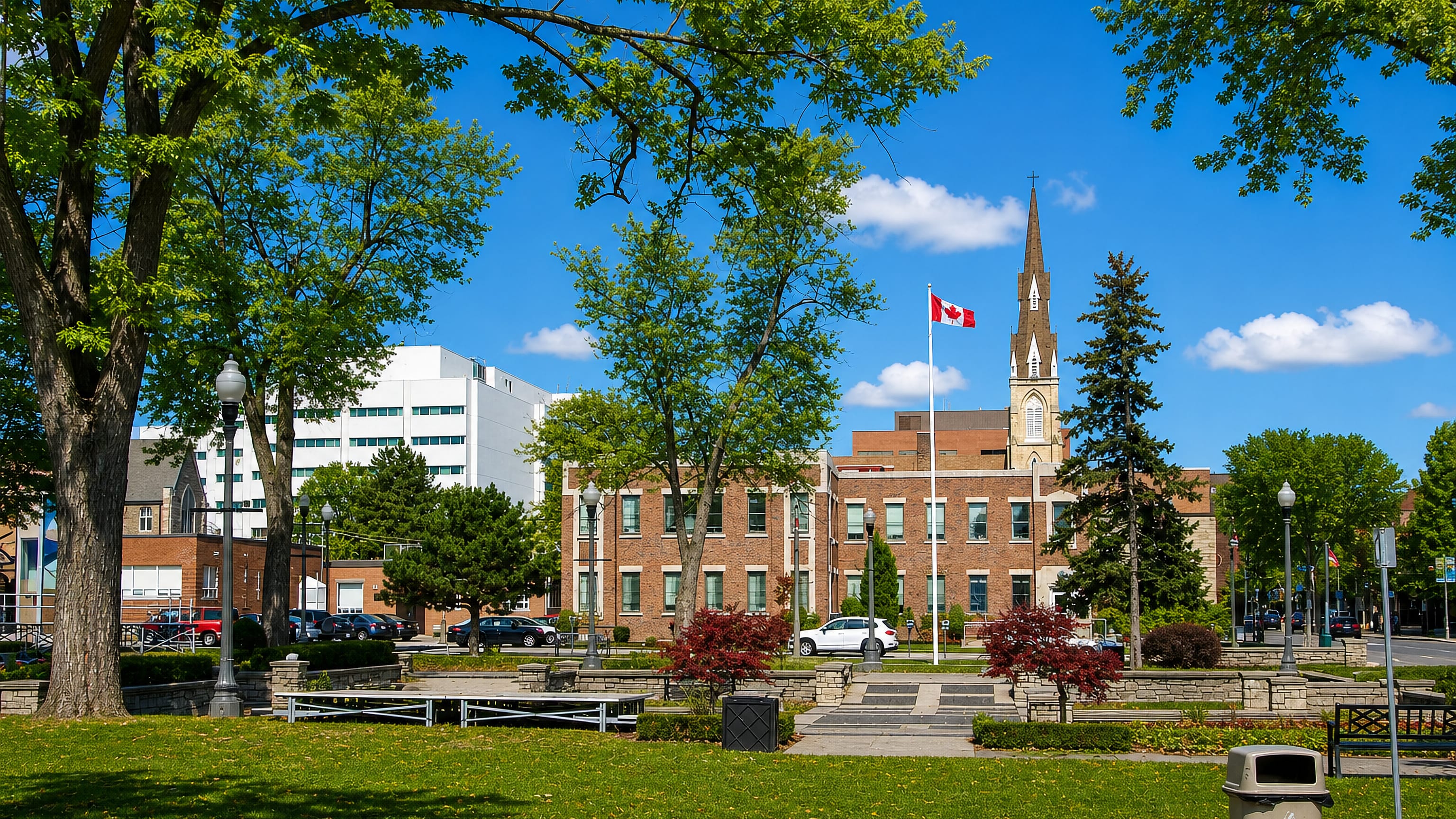
Downtown is where the museums are. Simcoe Street and King Street East carry the old commercial grid, and rooms in that quarter put the Robert McLaughlin Gallery, the Canadian Automotive Museum and Simcoe Street United Church within a walk rather than a drive. Lupton House and 410 King Street East stand on the same few streets.
Parkwood Estate sits close by. The grounds and the house make the strongest reason to stay in the centre rather than out by the highways, where most of the newer beds are. The shoreline is the other option.
Oshawa runs down to the Lake Ontario shoreline below the built-up ground, a quieter stretch that suits visitors who would rather finish the day by the water than among the downtown blocks. Business fills the rest. As the largest municipality in the Regional Municipality of Durham and the eastern anchor of the Greater Toronto Area, the city takes a steady flow of work travel, and its hotels sit where people arriving by car from Toronto and the Golden Horseshoe can reach them.
The Ontario Regiment Museum gives the car-first stays their own destination, well away from the walking ground of the centre.
Find hotels in Oshawa
Direct booking searches for these neighbourhoods.
Downtown Oshawa
The old commercial grid of Simcoe Street and King Street East, with the Canadian Automotive Museum, Simcoe Street United Church and Lupton House all inside a few blocks.Find hotels in Downtown Oshawafinishing the day on the Lake Ontario shorelineOshawa waterfront
The band of ground below the city on the Lake Ontario shoreline, further from Parkwood Estate and the museums but closer to the water and the parkland along it. Rooms are few around here — worth securing early.Find hotels in Oshawa waterfrontHotel links are affiliate links: booking through them may earn us a commission, at no extra cost to you. It never affects how places are ranked. How this works
Things to do in Oshawa
Ranked by global recognition; descriptions from Wikidata (CC0).
Museums & Galleries
2- Ontario Regiment Museum
- The Robert McLaughlin Gallery
Churches & Religious Sites
2- Simcoe Street United Church Heritage
- St. George's Memorial Church
Landmarks & Notable Places
3- Parkwood Estate Heritage
- 410 King Street East Heritage
- Lupton House Heritage
worth knowingacross 3 categories in Oshawa
About Oshawa
Cars built this city.
What is Oshawa known for?
Oshawa has been a centre of Canada's automotive industry since the early twentieth century, and the Canadian Automotive Museum lays that record out for visitors in a single building. Parkwood Estate draws its own traffic. The Robert McLaughlin Gallery holds the art collection and the Ontario Regiment Museum adds a military one, which leaves a manufacturing town with two museums and a public gallery in easy reach of one another.
What are the main landmarks in Oshawa?
Parkwood Estate is the set piece. The house and its grounds stand at the top of the city's list, and the Canadian Automotive Museum follows close behind with the machinery that built much of modern Oshawa. Older fabric survives downtown.
Simcoe Street United Church stands on the grid that King Street East still organises, Lupton House keeps its place among the newer frontages, and the Robert McLaughlin Gallery and Ontario Regiment Museum finish the list.
What is the history of Oshawa?
The name came before the city. Oshawa derives from the Ojibwa term aazhawe, meaning the crossing place, a description of the ground rather than of anything built on it. Settlement followed in the nineteenth century.
The city dates itself to 1850, by which point the Lake Ontario shoreline and the routes running inland from it had turned a crossing point into a settlement with its own standing. Then came the cars. Oshawa turned into a centre of Canada's automotive industry in the early twentieth century, and the weight of that industry left the city with Parkwood Estate and the Robert McLaughlin Gallery.
The Canadian Automotive Museum keeps the industrial record. The Ontario Regiment Museum records a separate service history in the same city. Growth of a different kind arrived with the region, as Oshawa became the largest municipality in the Regional Municipality of Durham and the eastern anchor of both the Greater Toronto Area and the Golden Horseshoe.
The old grid stayed put. Simcoe Street United Church, Lupton House and the frontages along King Street East still mark where the crossing place began.
Where is Oshawa?
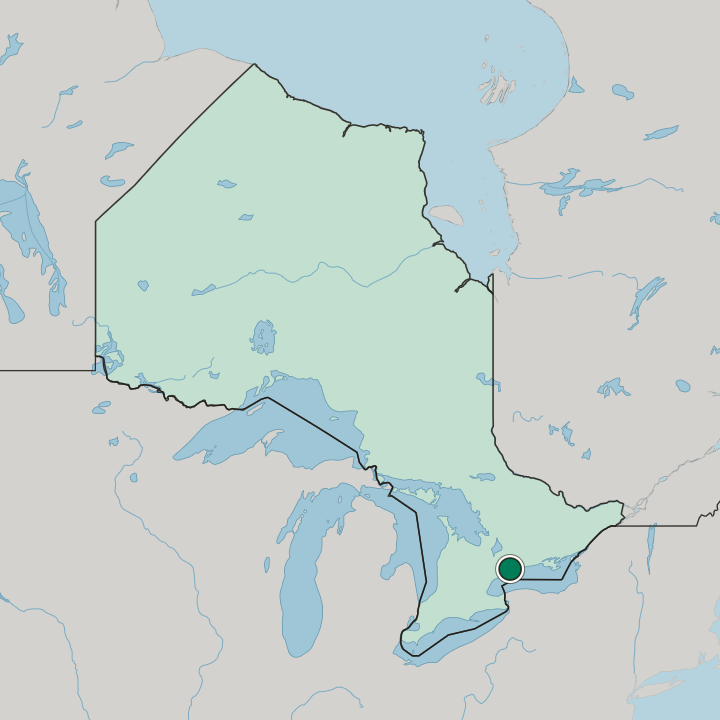
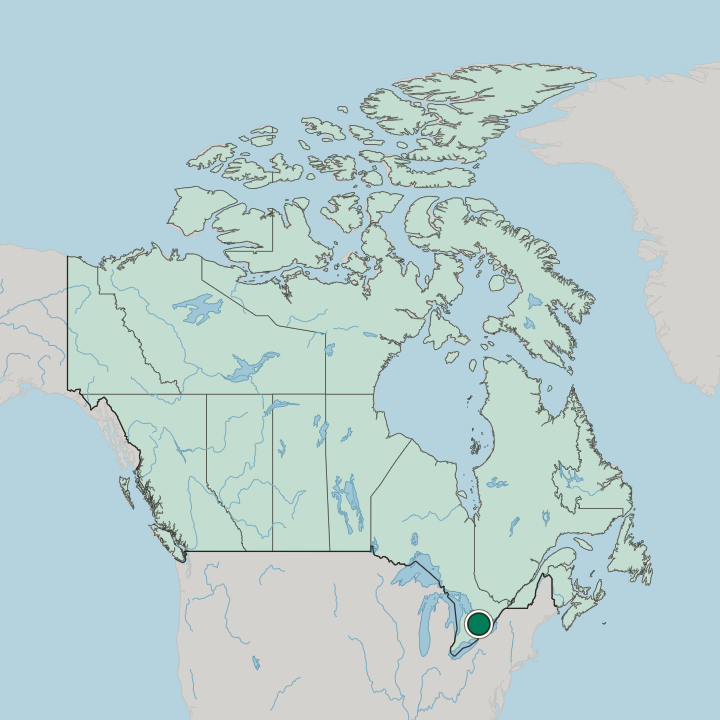
Lake Ontario closes one side. Oshawa spreads back from the Lake Ontario shoreline over ground that runs inland from the water, a spread of built-up land wide enough to make it the largest municipality in the Regional Municipality of Durham. Toronto lies along the same shore.
The city holds the far end of the Greater Toronto Area and of the Golden Horseshoe, the point where the urban belt around the lake finally gives out.
What is the climate of Oshawa?
Lake Ontario runs the seasons here. The water lies close enough to hold Oshawa's autumn warm and to drag its spring out, and it feeds the snow that falls when cold air crosses open water toward the shore. Winters still bite.
Nights on the shoreline stay milder than they do in the inland parts of the Regional Municipality of Durham, which is the clearest sign of the lake at work.
How do you get to Oshawa?
Most arrivals come from Toronto. The drive east along the Lake Ontario shoreline crosses the Greater Toronto Area before it reaches Oshawa, and rail along the same corridor ties the two cities together. King Street East carries the middle.
Simcoe Street crosses it, and the two together still order the way visitors move between Parkwood Estate, the Canadian Automotive Museum and the downtown grid.
Common questions
What is the best area to stay in Oshawa?
Downtown Oshawa: walking to the Robert McLaughlin Gallery from Simcoe Street. Oshawa waterfront: finishing the day on the Lake Ontario shoreline.
Good for
More cities in Ontario
Updated September 2026