Canada · Ontario
Where to Stay in Peterborough, Ontario
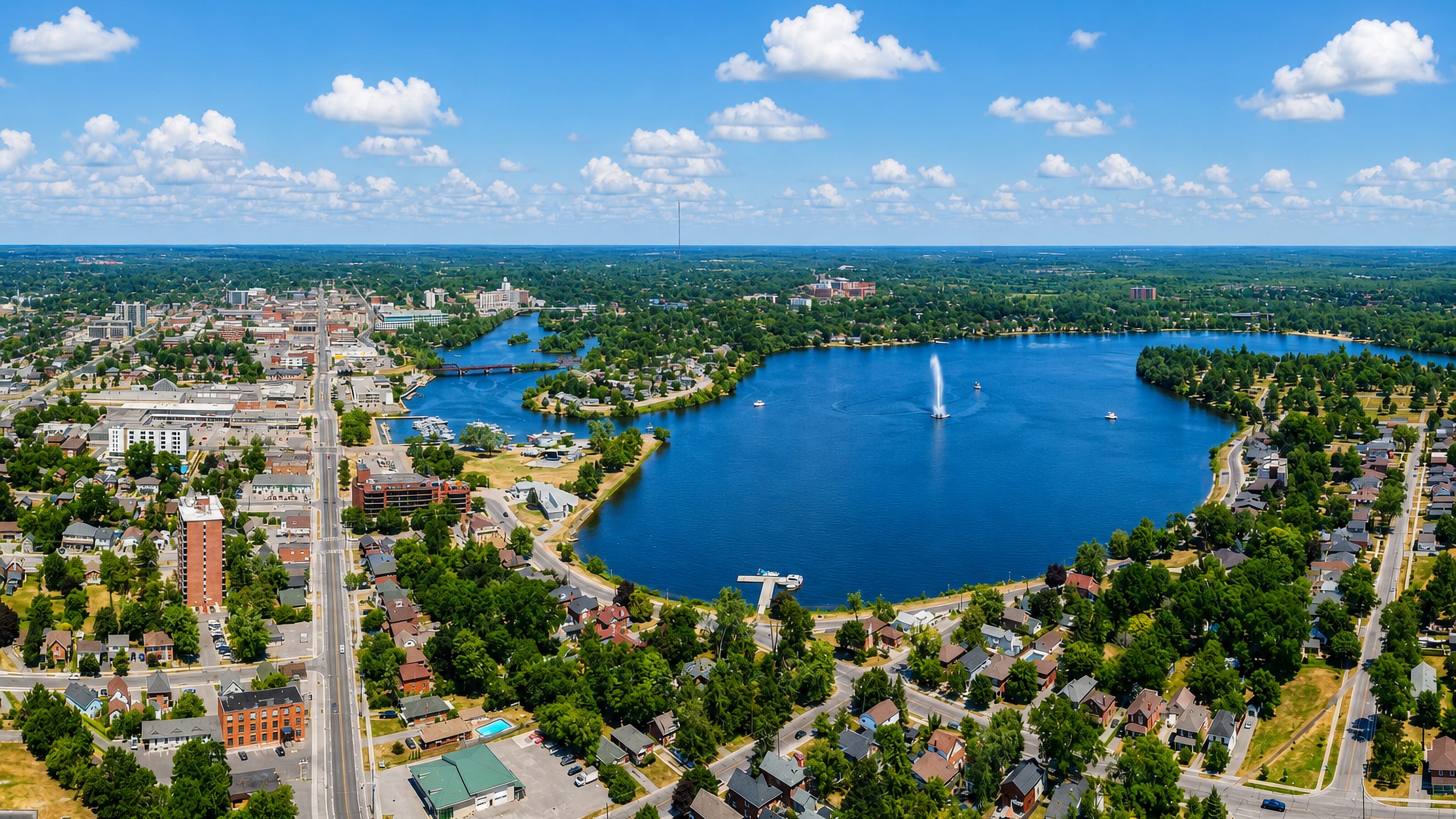
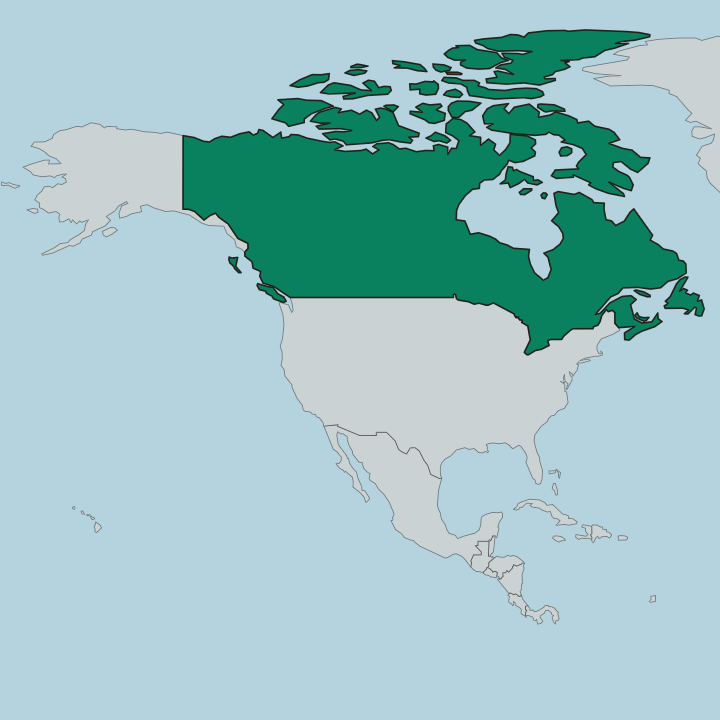
Peterborough is a river city of central Ontario in Canada, on the Otonabee at the edge of the Kawartha Lakes, famous for the great hydraulic lift lock.
Hotel links are affiliate links: booking through them may earn us a commission, at no extra cost to you. It never affects how places are ranked. How this works


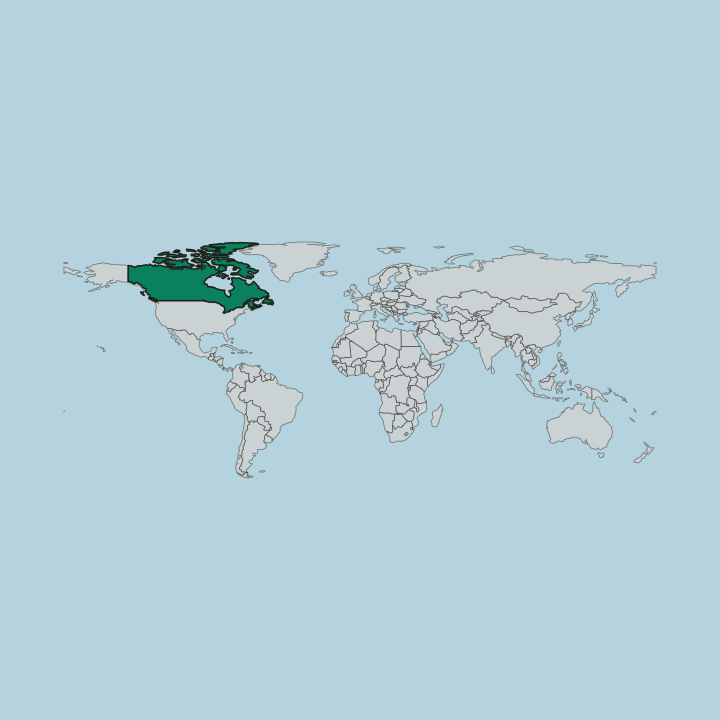
Where to stay in Peterborough
How the choice of base plays out on the ground.
Where you stay in Peterborough turns on the river or the lakes. The streets around the downtown keep the lift lock, the canoe museum, and the riverside parks within reach, and staying in town suits anyone here for the city. The Otonabee runs past the streets.
Bridges cross to the parks. Out north into the Kawarthas, the town gives way to lakes, rock, and cottage country. A room by the lakes trades the town for the water, the canoe routes, and the quiet of the northern woods.
Pines close in past the shore. Stay in town for the lift lock, or on the lakes for the water. The city lies a short drive south.
Find hotels in Peterborough
Direct booking searches for these neighbourhoods.
The downtown
Along the Otonabee within a walk of the parksFind hotels in The downtownStays wanting the water and cottage countryThe Kawartha lakes
Out north among the lakes and woodsFind hotels in The Kawartha lakesHotel links are affiliate links: booking through them may earn us a commission, at no extra cost to you. It never affects how places are ranked. How this works
Things to do in Peterborough
Ranked by global recognition; descriptions from Wikidata (CC0).
Museums & Galleries
3- Canadian Canoe Museum
- Art Gallery of Peterborough
- Peterborough Museum & Archives
Churches & Religious Sites
3- St. John the Evangelist Anglican Church Heritage
- George Street United Church Heritage
- Emmanuel United Church
Landmarks & Notable Places
8- James Miller House Heritage
- Grover-Nicholls House Heritage
- 279 Sherbrooke Street Heritage
- 548 Weller Street Heritage
- Hutchinson House Heritage
Show 3 more →
- 260 Engleburn Avenue Heritage
- Winston Churchill House Heritage
- 269 Edinburgh Street Heritage
worth knowingacross 3 categories in Peterborough
About Peterborough
Peterborough is the lift-lock city of the Kawarthas.
What is Peterborough known for?
On the Otonabee river where the lakes begin, it grew as a lumber and mill town and later a maker of clocks and cereal, and it keeps the towering hydraulic lift lock on the Trent-Severn canal, the great canoe museum, the riverside parks, and the old locks and lakes of the Kawartha country. The Otonabee threads right through the middle of Peterborough. Lakes open north of the streets.
What are the main landmarks in Peterborough?
The great lift lock is the emblem of Peterborough. The towering hydraulic lock on the Trent-Severn canal, raising boats in its twin water chambers, stands above the river, the mark of the city, over the water. A canoe museum lies nearby.
The Canadian Canoe Museum holds the largest collection of canoes in the world, while the art gallery, the old lakeside locks, and the parks along the Otonabee mark the streets of Peterborough.
What is the history of Peterborough?
Peterborough grew where the lumber came down to the river. Settlers cleared the forest along the Otonabee in the eighteen-twenties, and the town rose on the timber floated down from the north and milled at its falls. Wood built the place.
Sawmills and factories crowded the river, and the town turned early to electric power, earning its name as the Electric City. Then engineers joined the lakes. The great Trent-Severn Waterway was cut through the Kawarthas to link Lake Ontario with Georgian Bay, and in 1904 the towering hydraulic lift lock was raised at Peterborough, lifting whole boats on twin water-filled chambers.
The lock still lifts the boats. Boats still rise and fall in the giant lock, the highest of its kind in the world, and canoes gather at the museum that guards the craft's long story. The river still turns the town.
Peterborough keeps its lock and its lakes at the edge of the Shield.
Where is Peterborough?
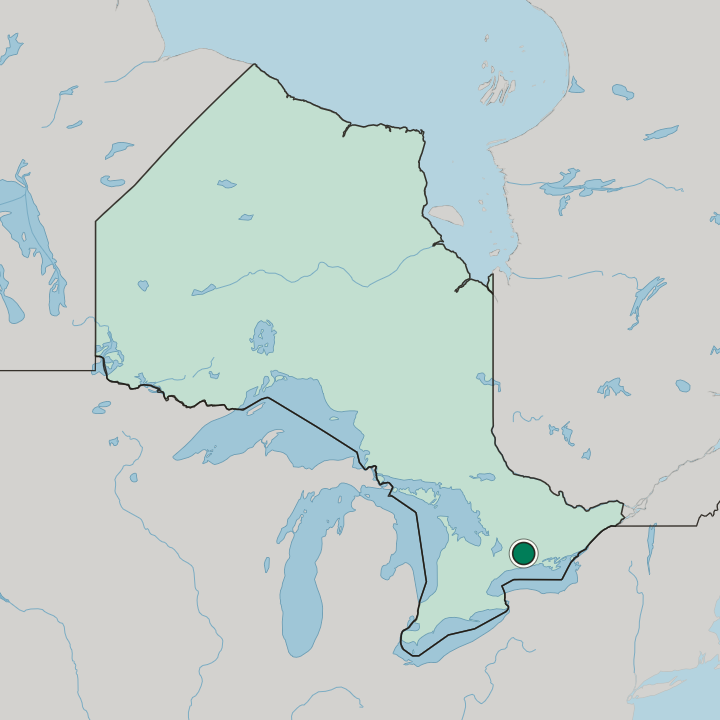
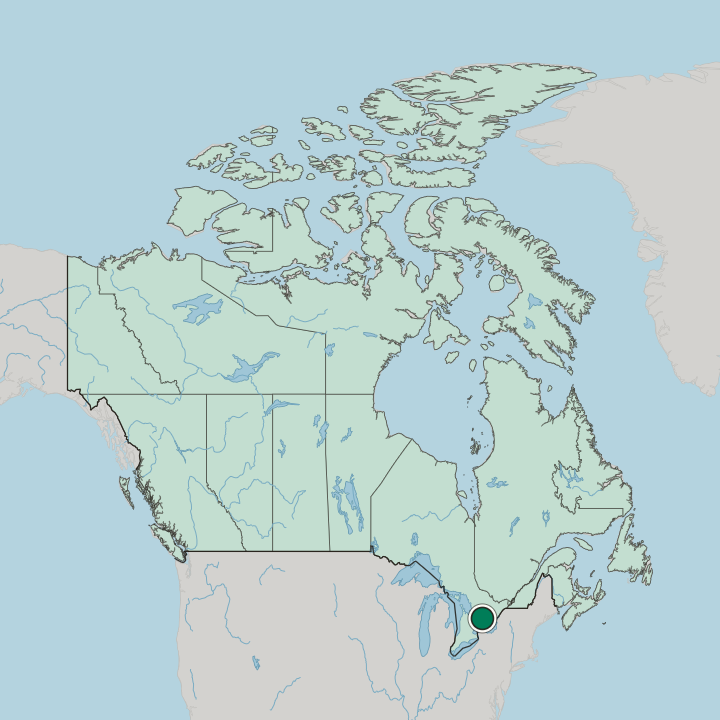
Peterborough lies in central Ontario, north of Lake Ontario at the edge of the Canadian Shield. The city sits on the Otonabee river where the flat farmland gives way to the rocky lake country of the Kawarthas, a land of granite, forest, and water running up toward the north. Pine and rock rise to the north.
The lakes chain away through the hills.
What is the climate of Peterborough?
Peterborough has a humid continental climate. Warm summers and cold, snowy winters cross the lake country, with rain through the green season and deep snow in winter. The lakes freeze hard by January.
Autumn burns red through the forests.
How do you get to Peterborough?
Peterborough lies in central Ontario, about an hour and a half northeast of Toronto. Highways run to it from Toronto and the east across the farmland, and buses link the city and the lakes. Country roads run north into the Kawarthas.
Toronto lies to the southwest by road.
Common questions
What is the best area to stay in Peterborough?
The downtown: Visitors here for the lift lock and canoe museum. The Kawartha lakes: Stays wanting the water and cottage country.
Good for
More cities in Ontario
Updated September 2026