Canada · Ontario
Where to Stay in Thunder Bay, Ontario
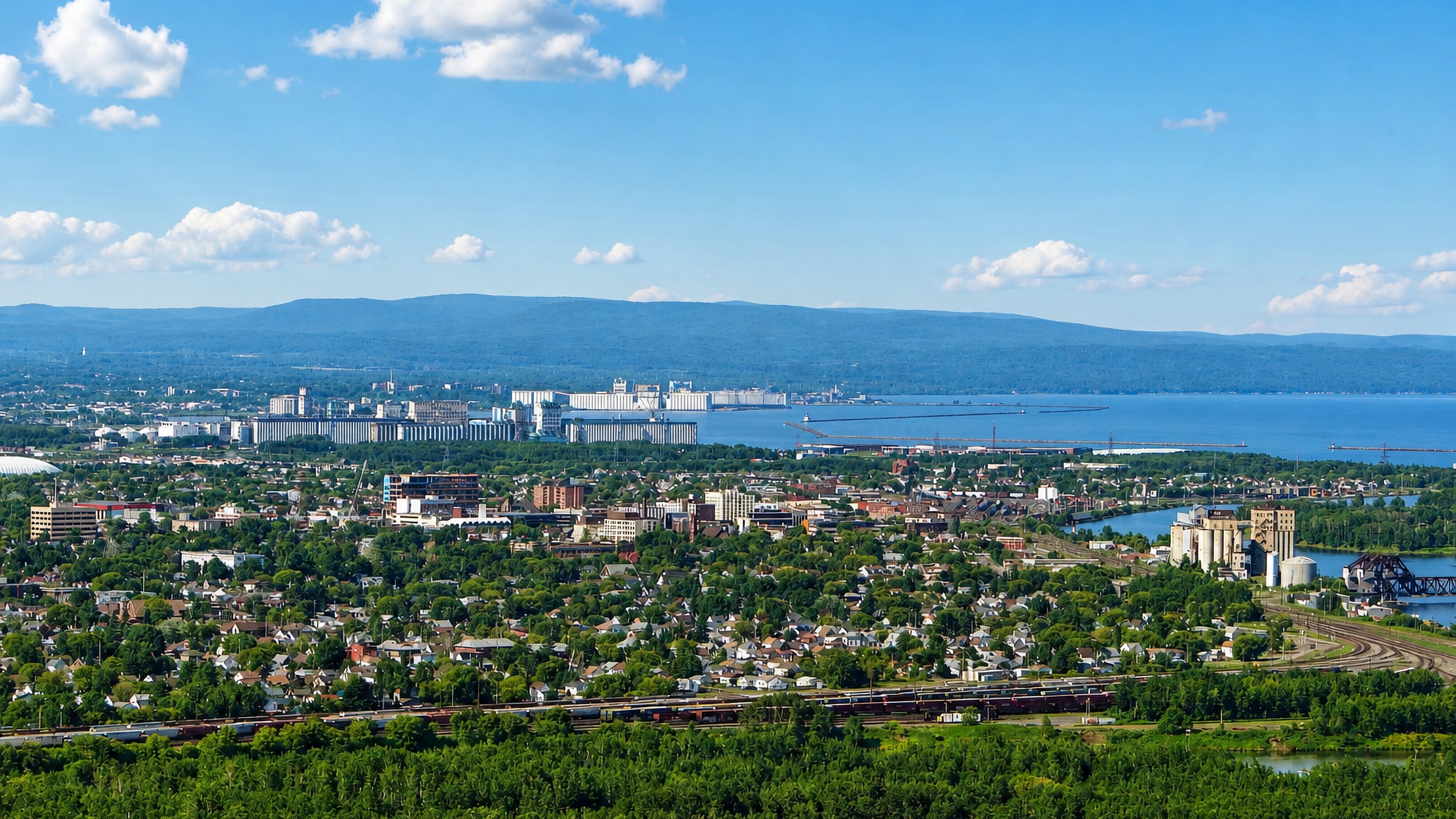
Thunder Bay holds the far northwestern point of the Great Lakes, seat of Thunder Bay District and the harbour where the Prairies meet deep water.
Hotel links are affiliate links: booking through them may earn us a commission, at no extra cost to you. It never affects how places are ranked. How this works


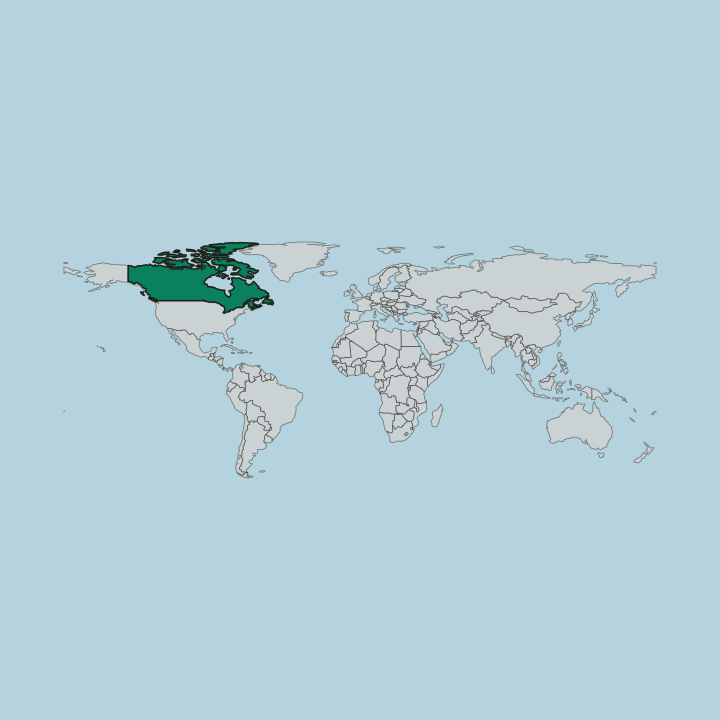
Where to stay in Thunder Bay
Where visitors usually base themselves, and why.
Distance decides more than atmosphere in Thunder Bay. The city covers a great deal of ground for its size, and a room chosen badly can leave the Thunder Bay Art Gallery on one side of the built area and Fort William on the other, with a drive between them that no amount of good intentions turns into a walk. Check the map first.
Beds near the harbour front give the shortest reach to the Great Lakes shore, the Thunder Bay Historical Museum and the older streets that grew with the port, which is the choice that most visits should default to. Fort William gives the other centre of gravity. Staying near the fort suits a visit built around it, and the ground there sits closer to the routes leading out of the city than the waterfront blocks do.
St. Andrew's Presbyterian Church and St. Agnes Church mark the older residential quarters between the two, where the recorded houses, Coo House, the James Murphy Residence, stand among ordinary streets. Winter changes the arithmetic entirely. A stay in the cold months should sit within a few minutes of whatever it is you came for, because the walking distances that read as reasonable on a map in Northwestern Ontario in July read very differently in February.
Rooms outside the built edge trade every one of those short distances for a quieter night.
Find hotels in Thunder Bay
Direct booking searches for these neighbourhoods.
The harbour front
The port ground at the far northwestern point of the lakes, where the Saint Lawrence Seaway route beginsFind hotels in The harbour frontVisits built around Fort William and the Thunder Bay Art GalleryAround Fort William
The end of the city that grew around the fort, closer to the routes running out of Thunder Bay DistrictFind hotels in Around Fort WilliamQuiet residential nights near St. Andrew's Presbyterian ChurchThe older parishes
Streets between the two centres where Coo House and the James Murphy Residence stand among ordinary frontages. Lodging is scarce in this area; reserve in advance.Find hotels in The older parishesHotel links are affiliate links: booking through them may earn us a commission, at no extra cost to you. It never affects how places are ranked. How this works
Things to do in Thunder Bay
Ranked by global recognition; descriptions from Wikidata (CC0).
Museums & Galleries
1- Thunder Bay Art Gallery
Churches & Religious Sites
2- St. Andrew's Presbyterian Church Heritage
- St. Agnes Church, Thunder Bay
Castles & Historic Sites
1- Fort William Heritage
Landmarks & Notable Places
2- Coo House Heritage
- James Murphy Residence Heritage
worth knowingacross 4 categories in Thunder Bay
About Thunder Bay
Cargo moves through here.
What is Thunder Bay known for?
The city stands at the far northwestern point of the Great Lakes, which makes it the transfer between the agricultural Prairies of Canada and the Saint Lawrence Seaway route out to the Atlantic Ocean, and that handover has shaped the working edge of the shore. Fort William holds the older story. The Thunder Bay Art Gallery and the Thunder Bay Historical Museum carry the rest of it, one in pictures and one in papers.
What are the main landmarks in Thunder Bay?
Fort William anchors the list. The Thunder Bay Historical Museum and the Thunder Bay Art Gallery hold the collections between them, while St. Andrew's Presbyterian Church and St. Agnes Church mark the older parishes, and Coo House and the James Murphy Residence stand among the recorded houses. The register runs short.
What it gives up in length it recovers in span, since a fort, a museum, a gallery, two churches and a pair of listed residences cover nearly everything Thunder Bay has kept in built form from its own past.
What is the history of Thunder Bay?
The record on this ground reaches back to 1683. What stood here then was a post at the head of the Great Lakes, on the point where water carriage ran out and the overland route west began, and that single fact of position has governed the place ever since. Fort William names the function.
The fort is the oldest thing the city keeps, and the Thunder Bay Historical Museum holds the documentary half of the same account, the papers and photographs of the years when the harbour and the routes inland were built. Everything after followed the same logic. A settlement at the far northwestern point of the Great Lakes exists because cargo has to change hands somewhere, and once the agricultural Prairies of Canada were producing more than the west could absorb, that produce came east to this shore for loading toward the Saint Lawrence Seaway and the Atlantic Ocean beyond it.
Congregations followed the work. St. Andrew's Presbyterian Church and St. Agnes Church date the quarters that filled in behind the waterfront, and houses such as Coo House and the James Murphy Residence survive from that same build-out, standing now among later and plainer neighbours. The city took the seat of Thunder Bay District.
It holds the position because it remains the one point in a very large stretch of Northwestern Ontario where the roads, the water and the freight routes all converge.
Where is Thunder Bay?
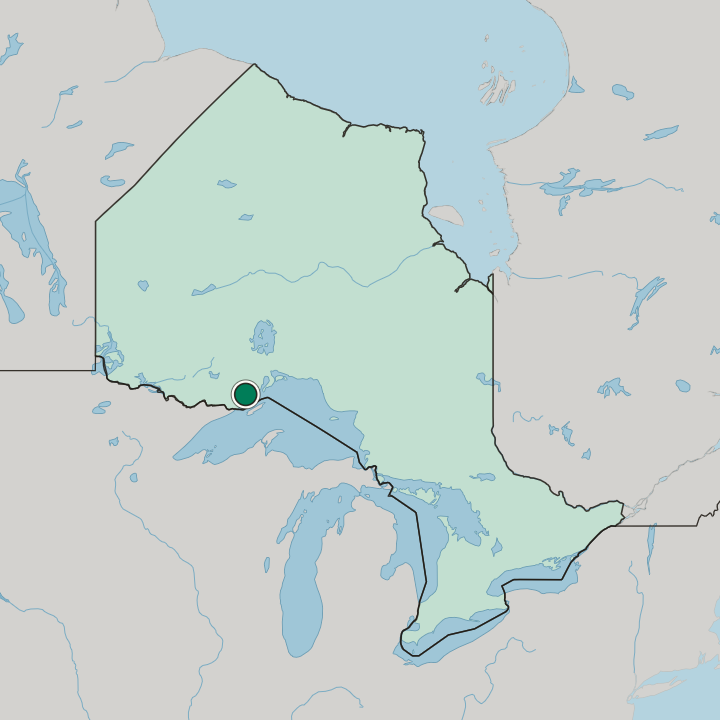
The Great Lakes come to an end here. Thunder Bay occupies their far northwestern point in Northwestern Ontario, where the shore gives way to the land route west, and the water in the other direction runs unbroken through the Saint Lawrence Seaway to the Atlantic Ocean. The district behind is vast.
Thunder Bay District spreads inland across forest and rock in every direction, which is why a city of this size serves as the single centre for a region many times larger than itself.
What is the climate of Thunder Bay?
The lake sets the calendar here. Cold water at the northwestern end of the Great Lakes slows the spring along the shore and holds the first hard frost off the harbour after the ground further inland has already set, so the city and the district behind it run a week or two apart. Thunder Bay counts winter as its longest season.
Snow lies for months over Northwestern Ontario, and the shipping year closes when the ice does, which fixes the rhythm of the Saint Lawrence Seaway traffic as firmly as any published schedule.
How do you get to Thunder Bay?
Distance is the first fact of any arrival. Thunder Bay stands a long way from the rest of Northern Ontario, so reaching it means crossing a great deal of forest and rock whatever the means, and the district's roads carry that traffic through country with very little between the stops. Ships still use the old way.
Vessels leaving the Atlantic Ocean work up the Saint Lawrence Seaway and the Great Lakes to reach this harbour at the far northwestern point of the system, which is exactly the passage that put Fort William on the map in the first place.
Common questions
What is the best area to stay in Thunder Bay?
The harbour front: Shortest reach to the Great Lakes shore and the Thunder Bay Historical Museum. Around Fort William: Visits built around Fort William and the Thunder Bay Art Gallery. The older parishes: Quiet residential nights near St. Andrew's Presbyterian Church.
Good for
More cities in Ontario
Updated September 2026