Canada · Ontario
Where to Stay in Waterloo, Ontario
Waterloo runs on its two universities, one of the three cities of the Region of Waterloo in Southwestern Ontario alongside Kitchener and Cambridge.
Hotel links are affiliate links: booking through them may earn us a commission, at no extra cost to you. It never affects how places are ranked. How this works


Where to stay in Waterloo
How the choice of base plays out on the ground.
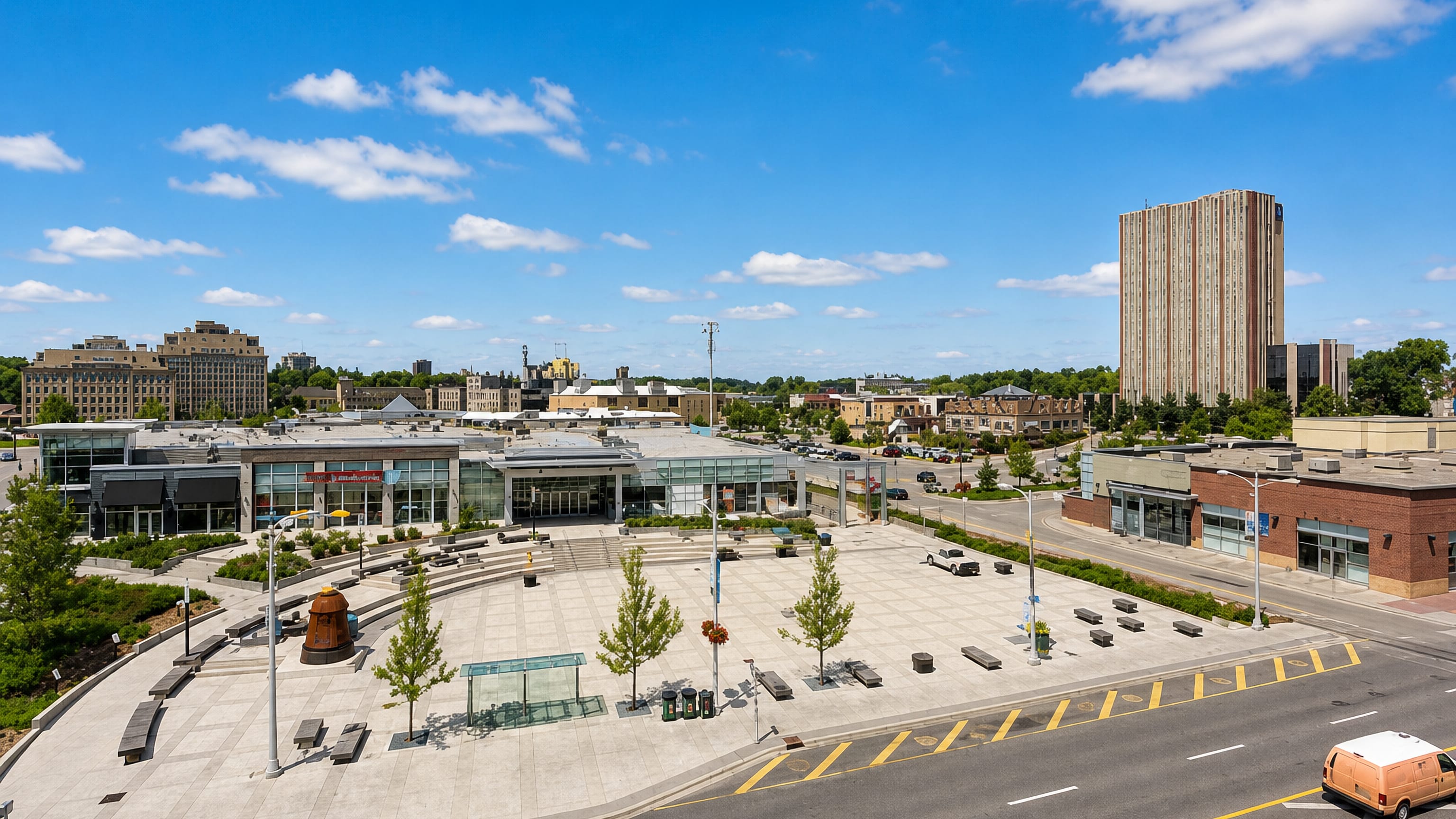
Waterloo divides along its campuses. Term time fills the ground around the University of Waterloo and Wilfrid Laurier University, and a room on that side leaves the lecture halls, Warrior Field and the student streets inside an easy walk, which is the obvious choice for a visit with an academic reason behind it. Book early for September.
The two universities draw enough traffic in the first weeks of term that beds across the Region of Waterloo tighten, and the same squeeze returns at convocation. The centre offers the other kind of stay. Rooms near the Canadian Clay and Glass Gallery and the recorded frontages of Church Street and Water Street South suit gallery days and evenings on foot, with THEMUSEUM and Joseph Schneider Haus near enough to reach without unlocking a car.
Kitchener begins a short way on. Because the three cities work as a single fabric, a bed in Waterloo serves Kitchener and Cambridge nearly as well as it serves its own streets, so the practical question is which end of the metro your mornings will start from rather than which municipality the room technically sits in. Park Street and Victoria Street North hold quieter residential ground for a longer stay.
Find hotels in Waterloo
Direct booking searches for these neighbourhoods.
The campus side
Beds beside the two campuses and Warrior Field, where the academic calendar sets the pace of the whole quarterFind hotels in The campus sideDays spent between THEMUSEUM and the Canadian Clay and Glass GalleryThe gallery streets
Central blocks where the Clay and Glass, the Church of the Good Shepherd and the frontages of Church Street stand togetherFind hotels in The gallery streetsHeritage frontages with Kitchener a short run awayToward Water Street South
Recorded houses along Water Street South and Park Street, on the side of Waterloo nearest Joseph Schneider Haus. Lodging is scarce in this area; reserve in advance.Find hotels in Toward Water Street SouthHotel links are affiliate links: booking through them may earn us a commission, at no extra cost to you. It never affects how places are ranked. How this works
Things to do in Waterloo
Ranked by global recognition; descriptions from Wikidata (CC0).
Museums & Galleries
1- Canadian Clay and Glass Gallery
Stadiums & Sports
1- Warrior Field
Landmarks & Notable Places
4- Erb-Kumpf House Heritage
- Brubacher House Heritage
- Voelker House (36 Young Street) Heritage
- Voelker House (29 Spring Street) Heritage
worth knowingacross 3 categories in Waterloo
About Waterloo
Two universities set the tone.
What is Waterloo known for?
The University of Waterloo and Wilfrid Laurier University sit inside the same city, and their campuses, their terms and the traffic they pull set the calendar for the whole Region of Waterloo. Galleries take the rest. THEMUSEUM and the Canadian Clay and Glass Gallery carry the exhibition side, while Joseph Schneider Haus keeps the settler record in a building old enough to be part of the story it tells.
What are the main landmarks in Waterloo?
Joseph Schneider Haus preserves the earliest domestic record. Brubacher House, the Erb-Kumpf House and Sonneck House stand among the recorded frontages of Water Street South, Church Street and Schneider Avenue, most of them carrying the surnames of the families that built them. THEMUSEUM does the contemporary work.
The Canadian Clay and Glass Gallery, Warrior Field, Sacred Heart Church and the Ukrainian Catholic Church of the Transfiguration round out a list that stays close to the ground it grew from.
What is the history of Waterloo?
Waterloo takes its municipal date from 1857. What came before that is written on the houses, since Joseph Schneider Haus, Brubacher House, the Erb-Kumpf House, Sonneck House and the pair of Voelker Houses all carry the surnames of German-speaking families who farmed and built on this ground. The names are the record.
Nearly every early address on the heritage list belongs to that settlement, from Schneider Avenue and the frontages of Water Street South to the properties on Young Street and Spring Street. Faith and industry filled the century after. Sacred Heart Church, St. Joseph Church and St. Mary Our Lady of Seven Sorrows Church mark the communities that arrived in turn, with the Ukrainian Catholic Church of the Transfiguration and the Church of the Good Shepherd added later to the same few streets.
The universities changed the rest. Wilfrid Laurier University and the University of Waterloo turned a modest Southwestern Ontario town into a city whose year is measured in academic terms, and the working tie between Waterloo, Kitchener and Cambridge tightened until the three read as one metro inside the Region of Waterloo. THEMUSEUM and the Canadian Clay and Glass Gallery belong to that later phase.
Warrior Field came with the campuses, on ground the farms had held.
Where is Waterloo?
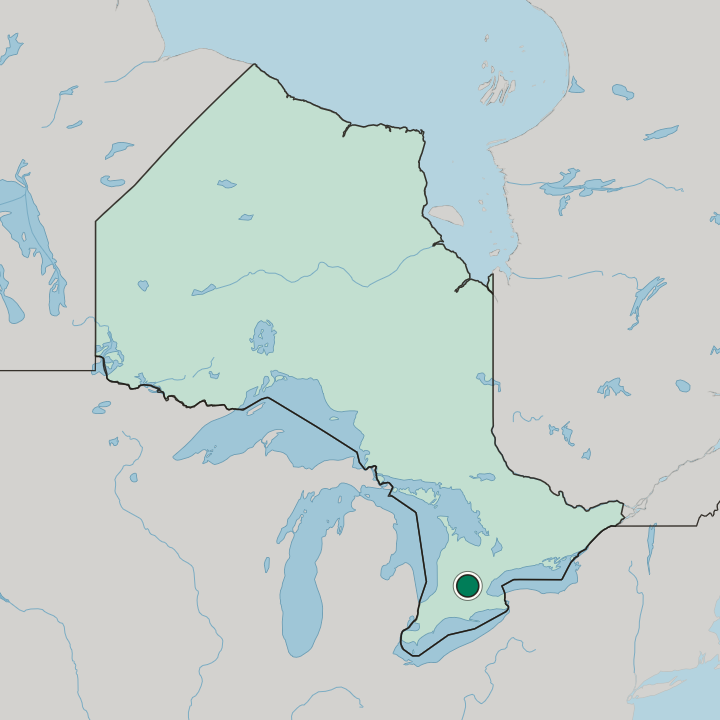
Three cities share one fabric here. Waterloo joins Kitchener and Cambridge in the Region of Waterloo, a tightly integrated metro area of Southwestern Ontario that operates as a single place while keeping three separate councils. Farm country surrounds it.
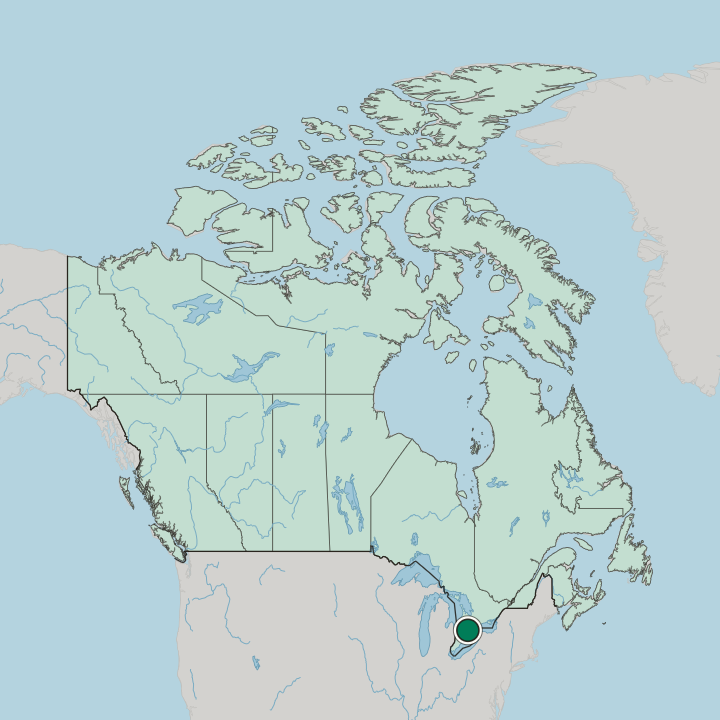
Waterloo lies west-southwest of Toronto and is reckoned no part of the Greater Toronto Area, far enough out that the fields begin again shortly past the campuses and the last of the built streets.
What is the climate of Waterloo?
Winter here is an inland winter. No large body of water stands near enough to temper it, so the cold that settles across Southwestern Ontario from January onward keeps its edge and the snow that falls tends to stay through the term. Summer runs hot and green.
The academic year sharpens the swing, because the campuses of the University of Waterloo and Wilfrid Laurier University empty through the warm months and refill as the cold returns, which leaves autumn the busiest stretch on the streets between them.
How do you get to Waterloo?
Most arrivals drive in from Toronto. Waterloo lies west-southwest of that city and outside the Greater Toronto Area, far enough that the trip counts as a journey rather than a commute, and the road in crosses Kitchener before it reaches the campuses. The three cities interlock.
Local transit runs the length of the built area between Waterloo, Kitchener and Cambridge, so a car becomes optional once a visitor has arrived, whatever was needed to get here in the first place.
Common questions
What is the best area to stay in Waterloo?
The campus side: Term-time business at the University of Waterloo or Wilfrid Laurier University. The gallery streets: Days spent between THEMUSEUM and the Canadian Clay and Glass Gallery. Toward Water Street South: Heritage frontages with Kitchener a short run away.
Good for
More cities in Ontario
Updated October 2026