China · Jiangsu
Where to Stay in Huai'an, Jiangsu
Huai'an is a historic city on the Grand Canal in northern Jiangsu, China, the birthplace of Zhou Enlai.
Hotel links are affiliate links: booking through them may earn us a commission, at no extra cost to you. It never affects how places are ranked. How this works


Where to stay in Huai'an
The practical side of choosing where to sleep.
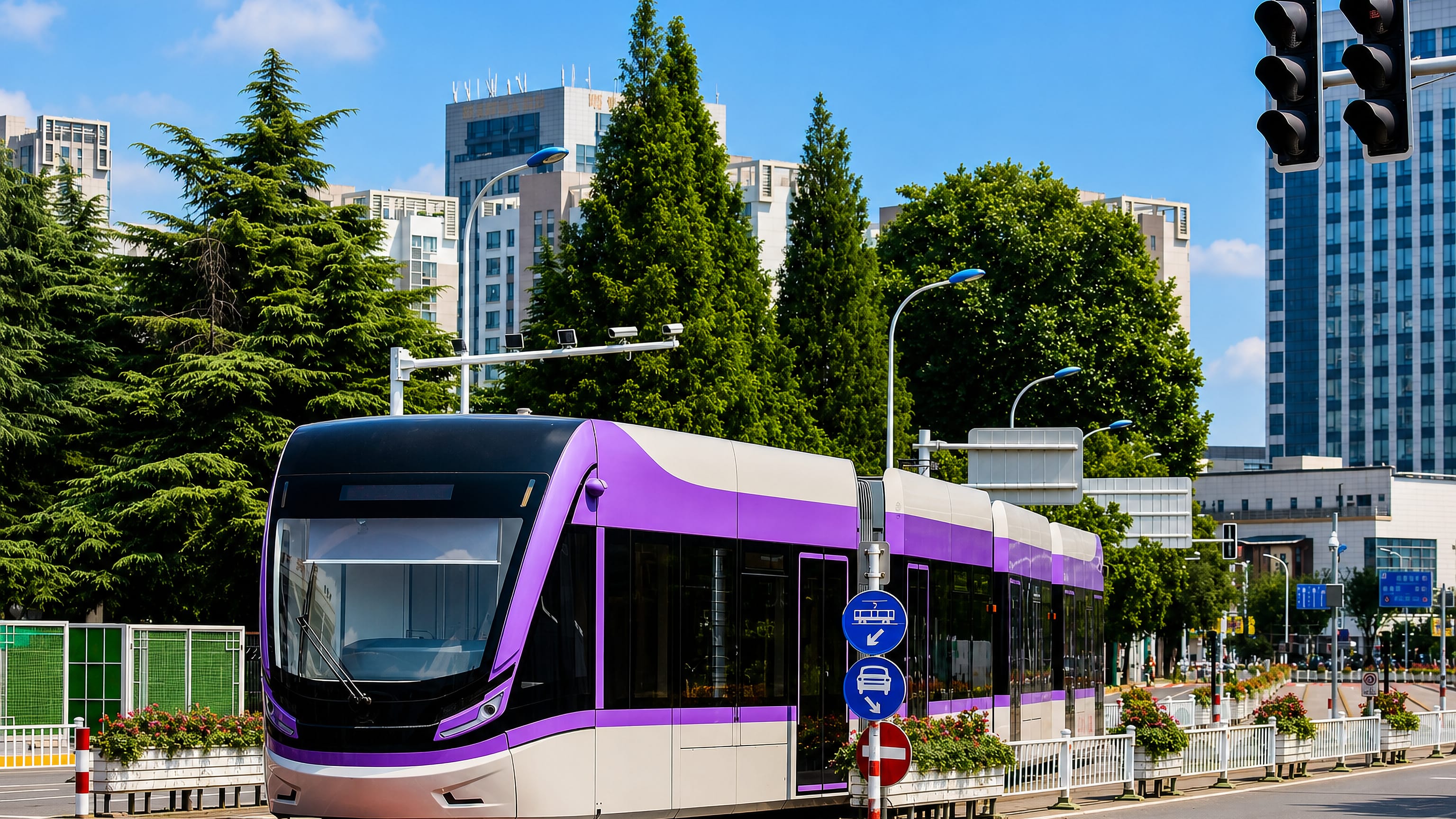
Huai'an offers two bases: the old canal quarter, or the new districts on the plain. The old canal quarter keeps the pagodas, the Zhou Enlai house, and the waterways within a walk, and staying there suits anyone here for the history. The canal threads the old streets.
Rooms sit by the water gates. Out in the new districts the city spreads wide and modern. A room in the new town trades the old lanes for the malls, the stations, and the broad avenues.
The flat plain opens past the edge. If you want the pagodas and the canal, stay in the old town; if you want the shops, take a room in the new. Either way, the canal is close at hand.
Find hotels in Huai'an
Direct booking searches for these neighbourhoods.
The old canal quarter
In the old town within a walk of the pagodas and the waterwaysFind hotels in The old canal quarterStays wanting the malls and the stationsThe new districts
In the new town with broad avenues and modern shopsFind hotels in The new districtsHotel links are affiliate links: booking through them may earn us a commission, at no extra cost to you. It never affects how places are ranked. How this works
About Huai'an
What is Huai'an known for?
Huai'an is an old canal city of the Jiangsu plain. It grew where the Grand Canal crossed the Huai River, a great hub of the salt and grain trade, and it was the birthplace of the premier Zhou Enlai and of Wu Cheng'en, who wrote the tale of the Monkey King, while the huge Hongze Lake spreads to the west. Barges still pass along the canal.
Canal and river mark the city.
What are the main landmarks in Huai'an?
The former residence of Zhou Enlai stands in old Huai'an. The quiet grey courtyard house where the premier was born is kept as a shrine, the emblem of the city, in the old town. Old pagodas rise over the streets.
The Wentong and Yueta pagodas mark the canal town, while the great levee of Hongze Lake holds back the water on the plain to the west.
What is the history of Huai'an?
Huai'an rose as a great town of the Grand Canal. Where the canal crossed the Huai River, boats and barges gathered by the thousand, and the city grew rich on the grain and salt that moved north to the capital, one of the busiest ports of the waterway. Great officials ruled the canal from here.
The boards that governed the grain fleet and the river works kept their seats in Huai'an, and the city's fortunes rose and fell with the canal. The town gave the land famous sons. Here was born Han Xin, the great general of the early Han, and here too Wu Cheng'en wrote his tale of the Monkey King, read across China ever since.
In our own age another son rose. Zhou Enlai, born in an old house in the town, became the first premier of the new republic, and his birthplace is kept as a shrine. The old canal still runs through the streets.
Huai'an keeps its canal and its memories in Jiangsu.
Where is Huai'an?
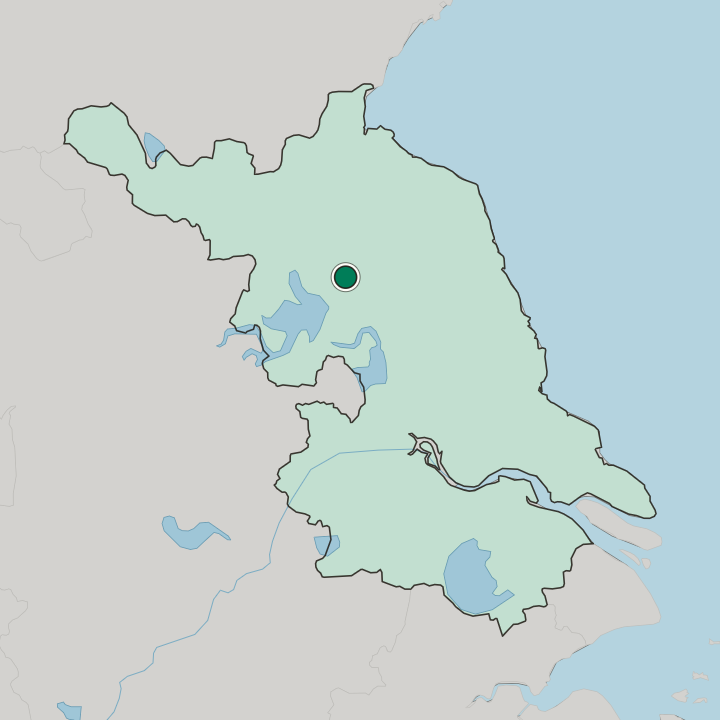
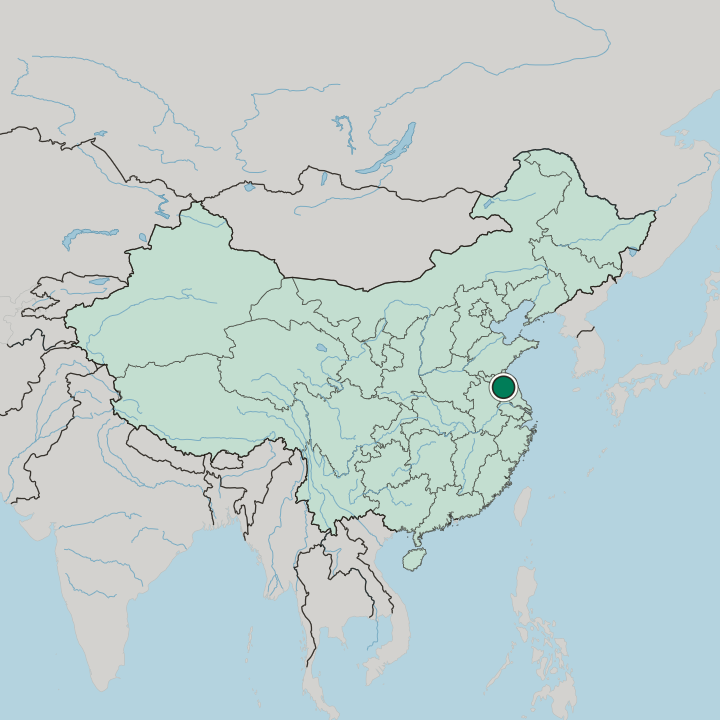
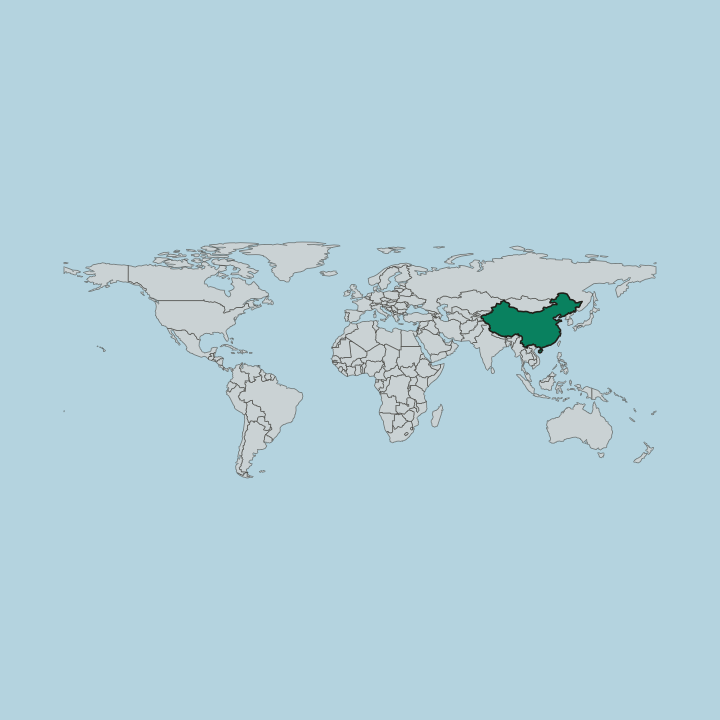
Huai'an lies on the plain of northern Jiangsu in eastern China, where the Grand Canal meets the Huai River. The city spreads on the flat wet land of canals, lakes, and rice fields, with the vast shallow Hongze Lake to the west, north of the Yangtze. Flat water-country reaches around.
The canal runs straight through the town.
What is the climate of Huai'an?
Huai'an has a warm, humid continental climate. Hot, wet summers and cold, dry winters cross the plain, and the monsoon brings heavy rain in summer, while the winters stay grey and chill. Fog drifts over the canals at dawn.
The wet plain hangs heavy with heat in summer.
How do you get to Huai'an?
Huai'an lies in northern Jiangsu, between the Yangtze and the old Yellow River bed. High-speed trains and the expressway run to it from Nanjing and Xuzhou, and the Grand Canal still carries barges through the city. Buses reach the canal towns around.
Most arrive by rail from Nanjing.
Common questions
What is the best area to stay in Huai'an?
The old canal quarter: Visitors here for the pagodas, the Zhou Enlai house, and the canal. The new districts: Stays wanting the malls and the stations.
Good for
More cities in Jiangsu
Updated September 2026