China · Jiangsu
Where to Stay in Nanjing, Jiangsu
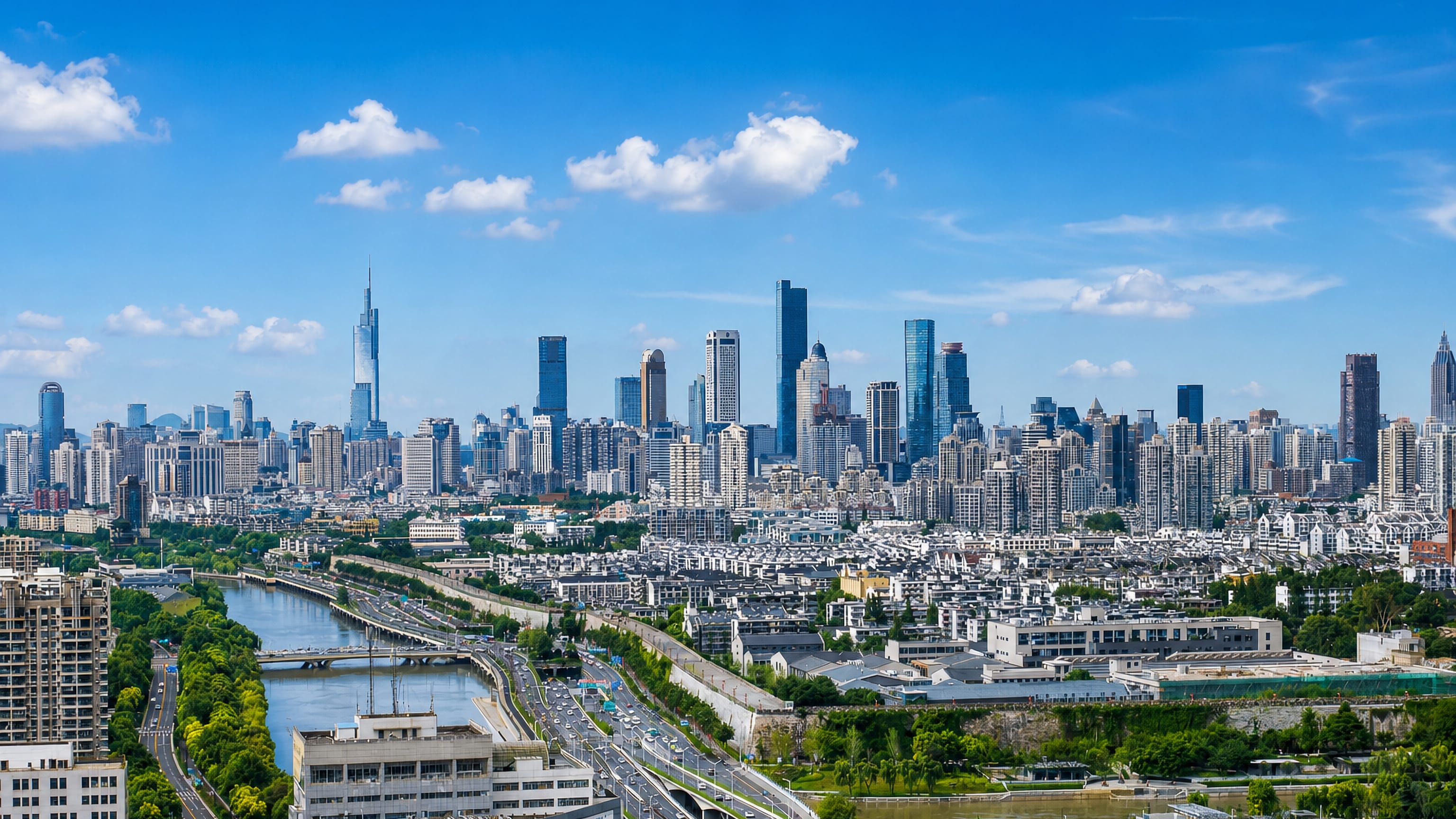
Old Ming walls encircle Nanjing, capital of Jiangsu on the Yangtze River, a former imperial seat known for the City Wall and the Ming Xiaoling tombs.
Hotel links are affiliate links: booking through them may earn us a commission, at no extra cost to you. It never affects how places are ranked. How this works


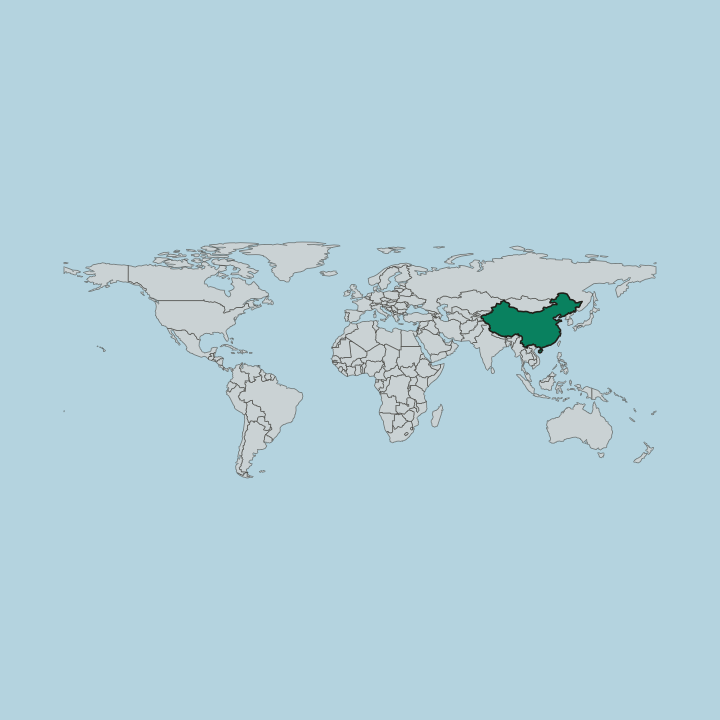
Where to stay in Nanjing
One neighbourhood here has its own guide — here's what it is best for.

 NanjingChina
Xiaguan
Xiaguan, written Xiaguan District, was an administrative district of Nanjing in Jiangsu, constituted in 1955 and covering about 28 square kilometres.Where to stay →Hotel links are affiliate links: booking through them may earn us a commission, at no extra cost to you. It never affects how places are ranked. How this works
Find hotels in Nanjing
Direct booking searches for these neighbourhoods.
Walled centre
The Presidential Palace of Nanjing, the Drum Tower, and the Zhan Garden sit within the grid enclosed by the City Wall of Nanjing.Find hotels in Walled centreThe imperial tombs among the forestPurple Mountain foothills
The Ming Xiaoling, the Sun Yat-sen Mausoleum, and the Linggu Temple stand on the wooded slopes east of the Nanjing walls.Find hotels in Purple Mountain foothillsHotel links are affiliate links: booking through them may earn us a commission, at no extra cost to you. It never affects how places are ranked. How this works
Things to do in Nanjing
Ranked by global recognition; descriptions from Wikidata (CC0).
Museums & Galleries
3- Memorial Hall of the Victims in Nanjing Massacre by Japanese Invaders Heritage
- Nanjing Museum
- Sifang Art Museum
Churches & Religious Sites
1- Cathedral of the Immaculate Conception
Castles & Historic Sites
3- Presidential Palace of Nanjing Heritage
- Ming Palace Heritage
- Two Mausoleums of the Southern Tang Dynasty Heritage
Stadiums & Sports
1- Nanjing Youth Olympic Sports Park
Parks & Gardens
1- Zhan Garden Heritage
Landmarks & Notable Places
2- Nanjing Great Hall of the People Heritage
- Former Residence of Gan Xi Heritage
worth knowingacross 6 categories in Nanjing
About Nanjing
What is Nanjing known for?
Nanjing is known as a former capital of China, holding a long place in the country's history. It served as the seat of dynasties and governments over many centuries on the Yangtze River, and that role gave it the City Wall of Nanjing, the Ming Xiaoling tomb, and the Ming Palace grounds. The wooded slopes of the Purple Mountain rise on its eastern edge, keeping the Sun Yat-sen Mausoleum.
It is the capital of Jiangsu.
What are the main landmarks in Nanjing?
Nanjing's landmarks span its long run as a capital. The old walls still stand. The City Wall of Nanjing rings the centre in one of the great surviving Ming fortifications, near the Ming Palace grounds and the Drum Tower of Nanjing.
East on the Purple Mountain stand the Ming Xiaoling, the Sun Yat-sen Mausoleum, and the Linggu Temple among the trees, with the Purple Mountain Observatory on the heights. The Presidential Palace of Nanjing, the Nanjing Museum, and the Chaotian Palace keep the city's later history. The Memorial Hall of the Nanjing Massacre records a grave wartime chapter.
What is the history of Nanjing?
Nanjing served as a capital of China across many eras. Standing on the Yangtze River, it drew ruling dynasties, kingdoms, and later republican governments to build their seats here from the third century onward, making it one of the country's historic centres of government and learning. Two Mausoleums of the Southern Tang Dynasty survive from one of those early courts.
The city changed rulers many times. The Ming dynasty raised the city to its greatest height, ringing it with the vast City Wall of Nanjing and laying out the Ming Palace and the imperial Ming Xiaoling on the Purple Mountain. Later the republican era left its mark at the Presidential Palace of Nanjing and, on the mountain, the Sun Yat-sen Mausoleum.
The twentieth century also brought the city its gravest wartime chapter, recorded at the Memorial Hall of the Victims in Nanjing Massacre by Japanese Invaders. Through every turn the walls held, leaving Nanjing a capital city whose whole shape still traces its imperial and republican past on the Yangtze.
Where is Nanjing?
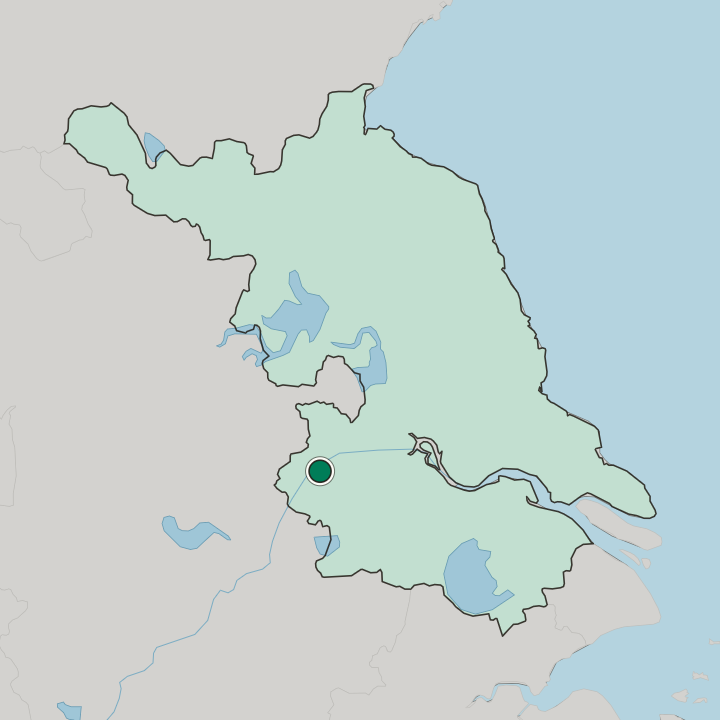
Nanjing lies on the Yangtze River in the Yangtze River Delta, the capital of Jiangsu set where the great river swings through low, hilly country. The Purple Mountain rises wooded on the eastern edge of the city, and the river runs past the western side, giving the old walled centre a natural frame of water and high ground. Hills break the plain here.
The Yangtze gathers the drainage of a vast inland basin and carries it past the city toward the sea, and the ridges around Nanjing lift the ground enough to set the tombs and temples above the river plain below.
What is the climate of Nanjing?
Nanjing has a humid, strongly seasonal climate set by its place in the Yangtze River Delta. Summers turn long, hot, and muggy over the river plain, winters run cold and damp, and a wet season falls in between as the year swings widely from one extreme to the other. Its summers are notably fierce.
Sitting inland on the lower Yangtze, the city holds heat and humidity through the warm months in a way its river-basin setting makes hard to escape.
How do you get to Nanjing?
Nanjing sits at a major crossing of routes on the Yangtze River. Rail lines and roads converge on the capital of Jiangsu from every direction, and the river carries port traffic through the city as it long has, one of the country's great inland ports. Most long-distance visitors arrive by fast train or by air.
From either, the run into the walled centre is short, leaving the City Wall of Nanjing and the Purple Mountain tombs within easy reach.
Common questions
What is the best area to stay in Nanjing?
Walled centre: First-time visitors inside the Ming city wall. Purple Mountain foothills: The imperial tombs among the forest.
Good for
More cities in Jiangsu
Updated October 2026