China · Jiangsu
Where to Stay in Yancheng, Jiangsu
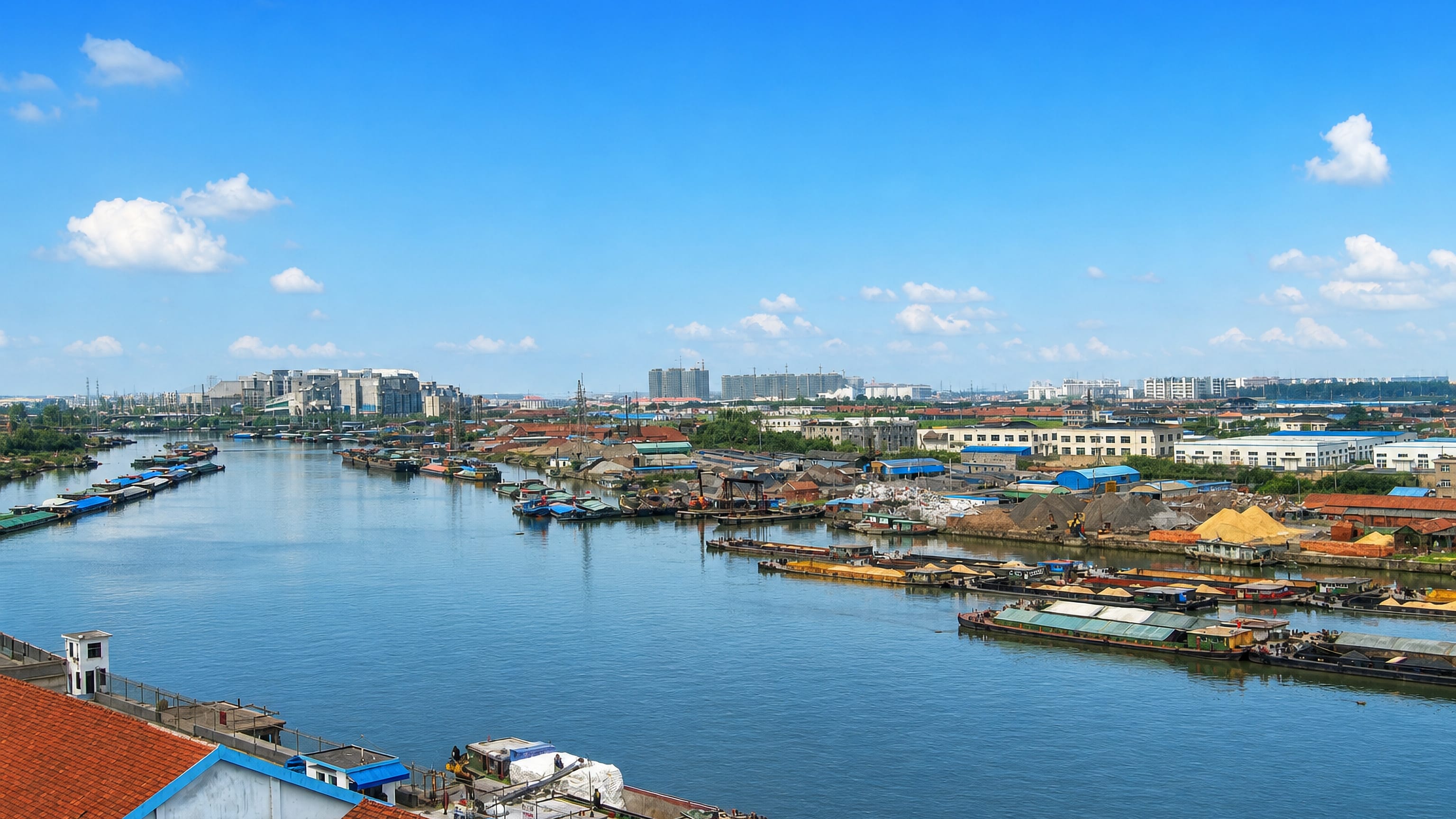
Yancheng lines the Yellow Sea coast of Jiangsu, the old Yandu, with cranes and milu deer on the largest coastal wetlands anywhere.
Hotel links are affiliate links: booking through them may earn us a commission, at no extra cost to you. It never affects how places are ranked. How this works


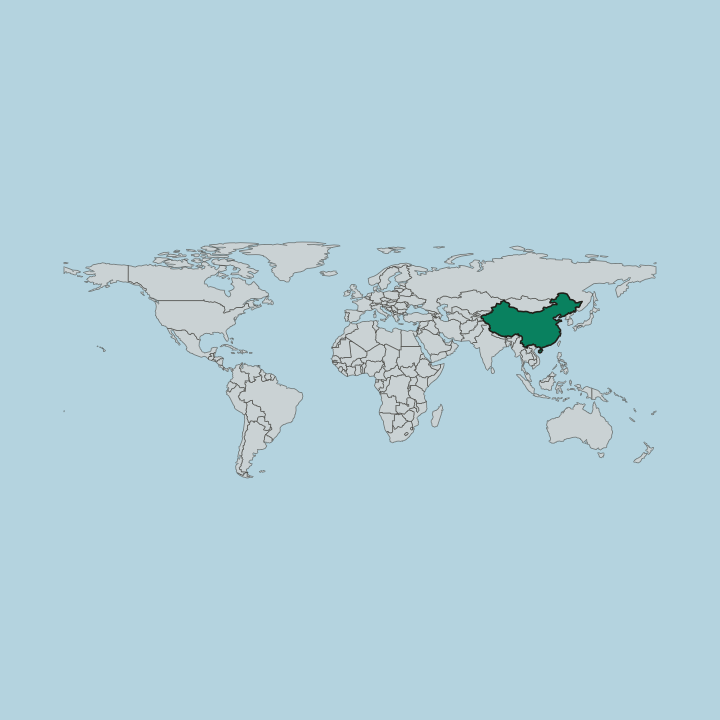
Where to stay in Yancheng
How the choice of base plays out on the ground.
Beds cluster around the New Fourth Army Memorial Hall and the streets of Yanfu District, well inland of the water. That is the practical base for most trips: the memorial sites stand close enough to walk between, Haichunxuan Pagoda is a short ride off, and the road out to the reserves starts from these blocks rather than from anywhere nearer the tidal flats. Rooms here are ordinary and easy to find.
Anyone treating Yancheng as an overnight stop between Huai'an and Nantong has little reason to look past the centre. The wetlands are the argument for sleeping closer to the sea. Small hotels and guesthouses near the reserves put a visitor on the flats at first light, which is when the red-crowned crane is worth the journey, and the milu deer range over ground that takes an hour or more to reach from the middle of the city.
Beds out there are few and plain. Choosing between the two sides is really a choice about mornings, since the birds and the light both favour the early hours while the New Fourth Army Memorial Hall and Haichunxuan Pagoda keep ordinary opening times in town.
Find hotels in Yancheng
Direct booking searches for these neighbourhoods.
Yanfu District
The memorial sites of Yanfu District sit close together, with Haichunxuan Pagoda a short ride offFind hotels in Yanfu DistrictFirst-light hours with the red-crowned crane and the milu deerOut by the coastal reserves
Reed beds and tidal flats on the Yellow Sea side, an hour out from central Yancheng. Rooms are few around here — worth securing early.Find hotels in Out by the coastal reservesOvernight halts on the drive between Huai'an, Taizhou and NantongThe coastal highway strip
Road-side rooms on the Jiangsu coastal corridor running from Lianyungang down to NantongFind hotels in The coastal highway stripHotel links are affiliate links: booking through them may earn us a commission, at no extra cost to you. It never affects how places are ranked. How this works
About Yancheng
Cranes come first.
What is Yancheng known for?
The coastal wetlands facing the Yellow Sea are the largest of their kind on any shore, and the red-crowned crane and the milu deer bring birdwatchers out to the reed beds and tidal flats that run the length of the seaward edge. Inland, the New Fourth Army Memorial Hall and the Headquarters of the Reformed New Fourth Army carry the other half of Yancheng's reputation. Haichunxuan Pagoda is the one pre-modern landmark on the list.
What are the main landmarks in Yancheng?
Four sites carry the list. The New Fourth Army Memorial Hall, the Headquarters of the Reformed New Fourth Army and the Monument to the Counter-Japanese Martyrs in Yanfu District of the New Fourth Army all commemorate the same unit and the people who died with it, which makes Yancheng a site of remembrance before it is a birding destination. Haichunxuan Pagoda is the older survivor.
Beyond the buildings the wetlands themselves work as a landmark, with the red-crowned crane and the milu deer the reason to walk them.
What is the history of Yancheng?
Yandu was the earlier name. The place was a county before it was a city, and the prefecture-level Yancheng that appears on the map was founded in 1983, which makes the administrative unit a great deal younger than the ground it governs. Haichunxuan Pagoda predates all of that.
It is the only landmark on the city's list belonging to the older settlement rather than to the twentieth century, and the rest of the record here was written by war and its aftermath. The New Fourth Army left the deepest mark. Its Headquarters of the Reformed New Fourth Army stood in this county, the New Fourth Army Memorial Hall now sets that history out for visitors, and the Monument to the Counter-Japanese Martyrs in Yanfu District of the New Fourth Army records those killed in the fighting.
Three sites, one account. What followed 1983 was expansion on paper as much as on the ground, and the result is the largest jurisdiction in Jiangsu by area, reaching from the Yellow Sea inland to the Huai'an border, with Yangzhou and Taizhou beyond the southwest edge, Nantong to the south and Lianyungang closing it off to the north.
Where is Yancheng?
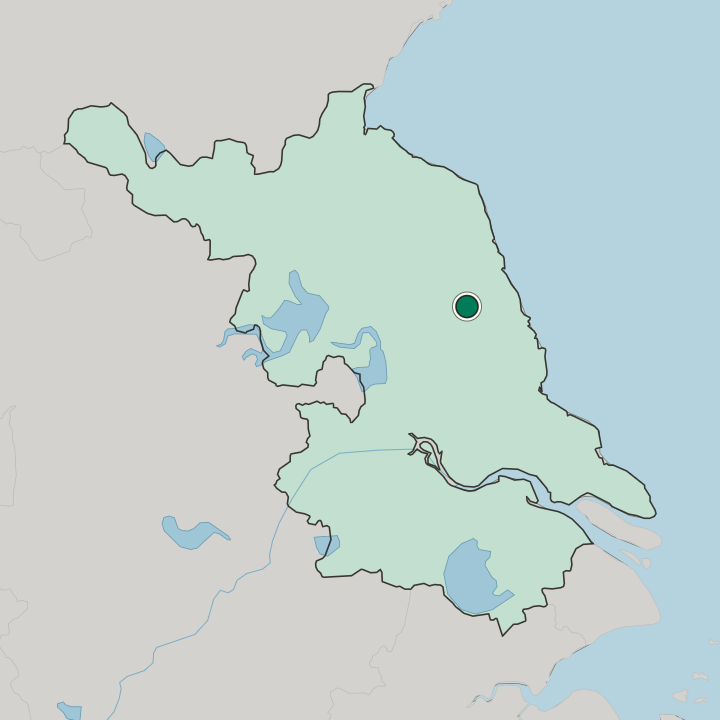
Flat is the word. Yancheng holds the largest jurisdiction in Jiangsu, and nearly all of it is low ground lying between the Yellow Sea and the inland counties, so reed beds, tidal flats and the coastal wetlands set the terrain instead of any hill. Lianyungang lies north, Huai'an west, Yangzhou and Taizhou southwest, Nantong south.
The wetlands widen along the seaward edge.
What is the climate of Yancheng?
The Yellow Sea does the moderating here. Sea air keeps the coastal strip from swinging as hard as the inland counties toward Huai'an, though the subtropical band still delivers a long and heavy wet summer over the flats where the cranes feed. Winter runs short.
Autumn brings the clearer air, and the tidal flats out toward the sea walk far more easily then than they do in the summer rain.
How do you get to Yancheng?
Arrival is by road for nearly everyone. The corridor down the Jiangsu coast ties Lianyungang in the north to Nantong in the south and Yancheng sits on it, while roads inland run west to Huai'an and southwest toward Taizhou and Yangzhou. The wetlands are the awkward part.
Reserve entrances lie well out from the built-up area, on ground that runs to the Yellow Sea, so a car or an organised trip beats improvising with local buses. Allow the better part of a day.
Common questions
What is the best area to stay in Yancheng?
Yanfu District: Museum days built around the New Fourth Army Memorial Hall. Out by the coastal reserves: First-light hours with the red-crowned crane and the milu deer. The coastal highway strip: Overnight halts on the drive between Huai'an, Taizhou and Nantong.
More cities in Jiangsu
Updated September 2026