China
Jiangsu, China — Towns & Travel Guide
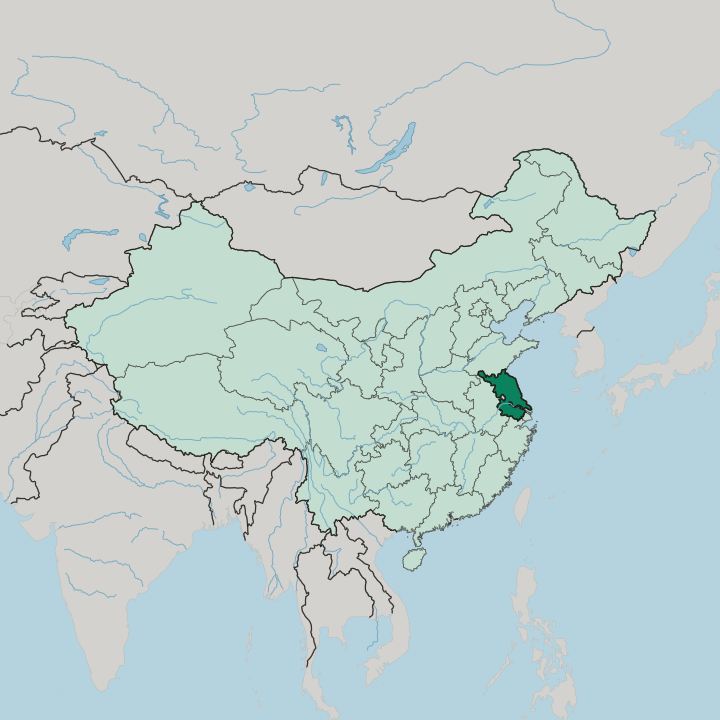
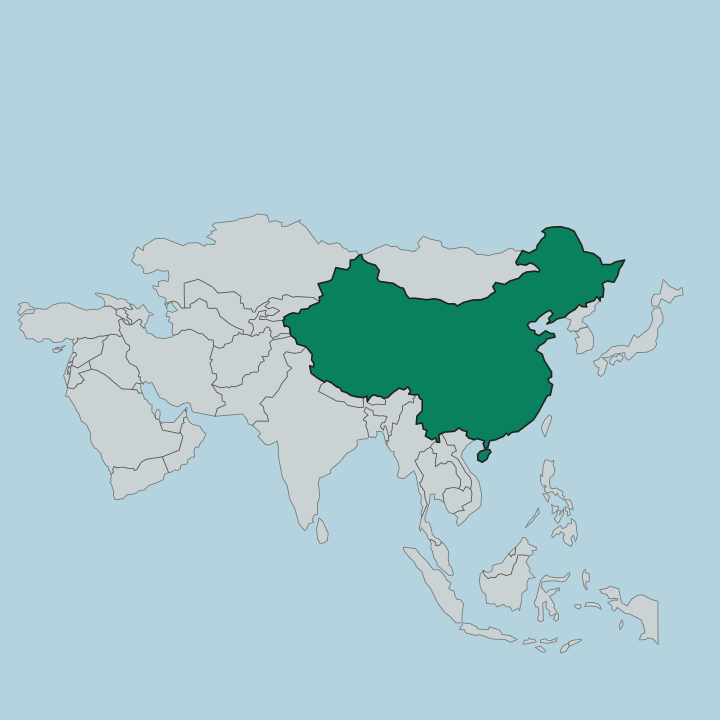
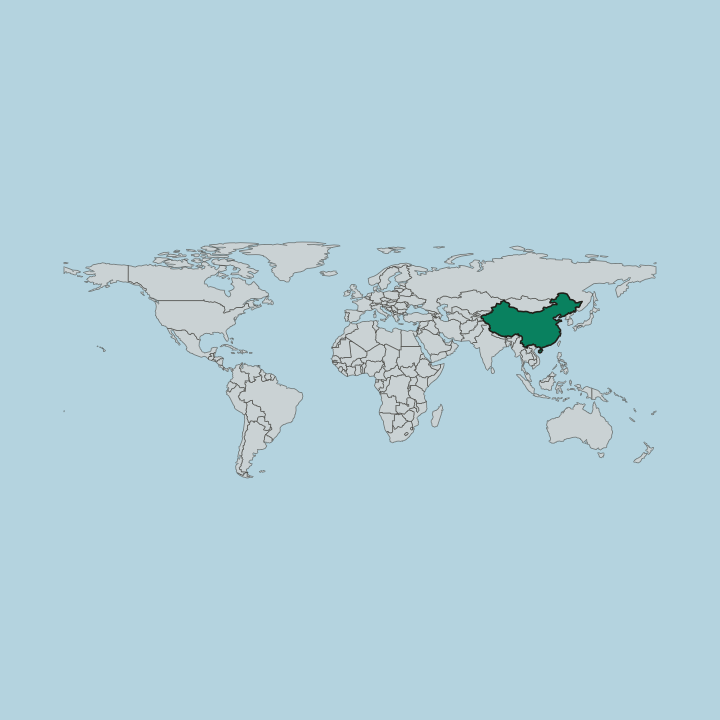
Jiangsu is a coastal province of East China, where the Yangtze crosses the plain and the Grand Canal threads its old canal towns.
Hotel links are affiliate links: booking through them may earn us a commission, at no extra cost to you. It never affects how places are ranked. How this works


Towns & cities in Jiangsu
Pick a town or city — each links to where to stay.
 China
China
Nanjing
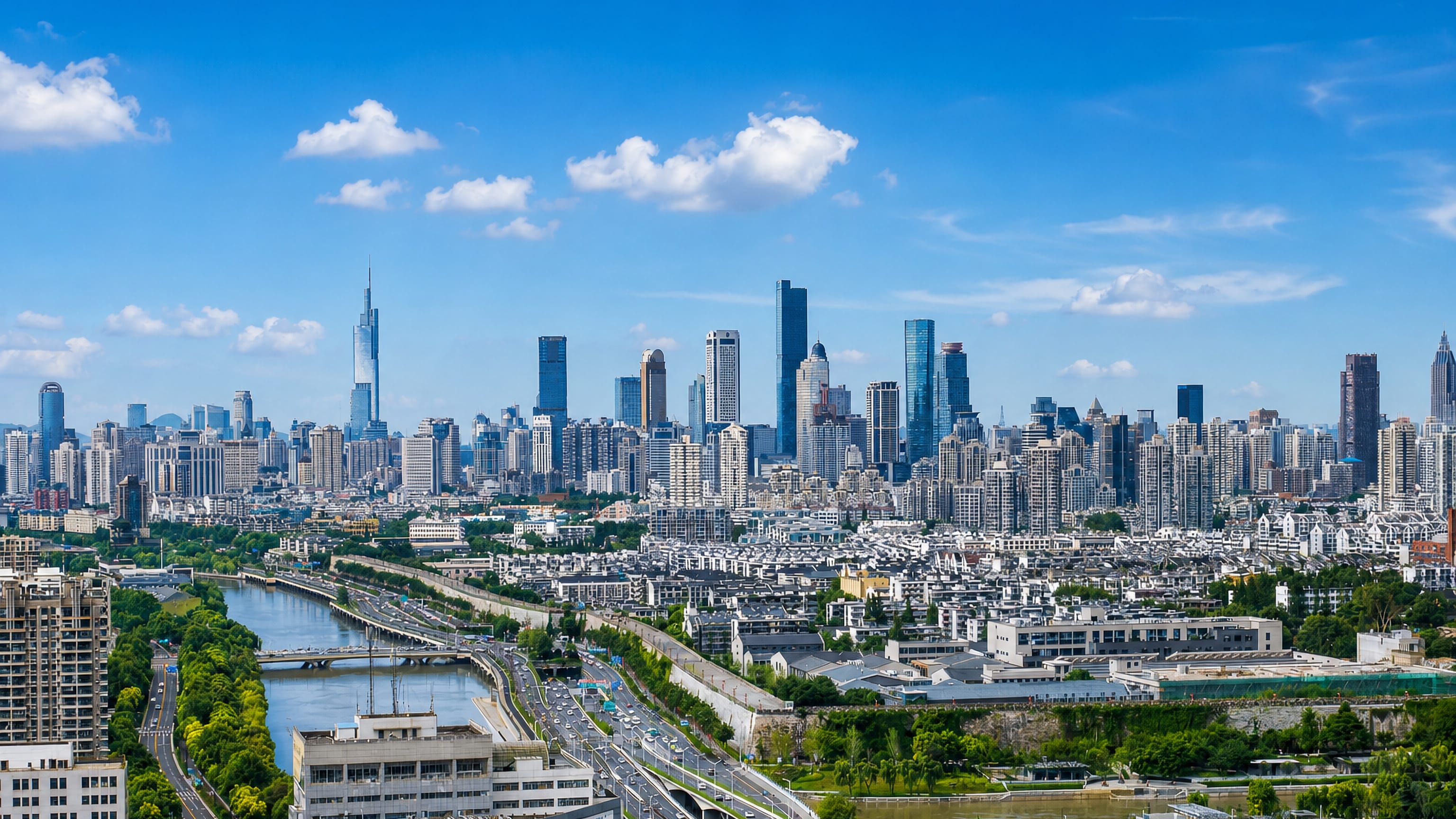
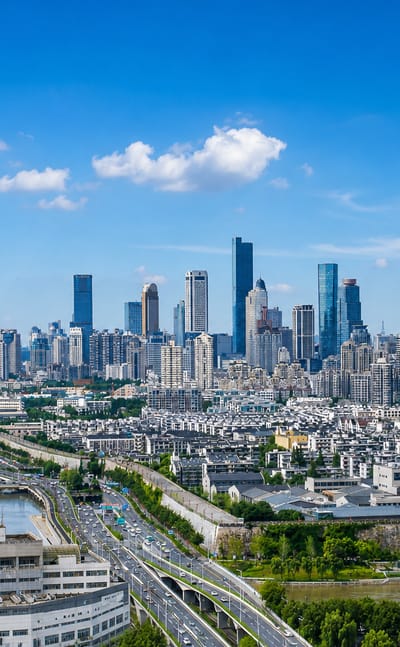
Old Ming walls encircle Nanjing, capital of Jiangsu on the Yangtze River, a former imperial seat known for the City Wall and the Ming Xiaoling tombs.Where to stay →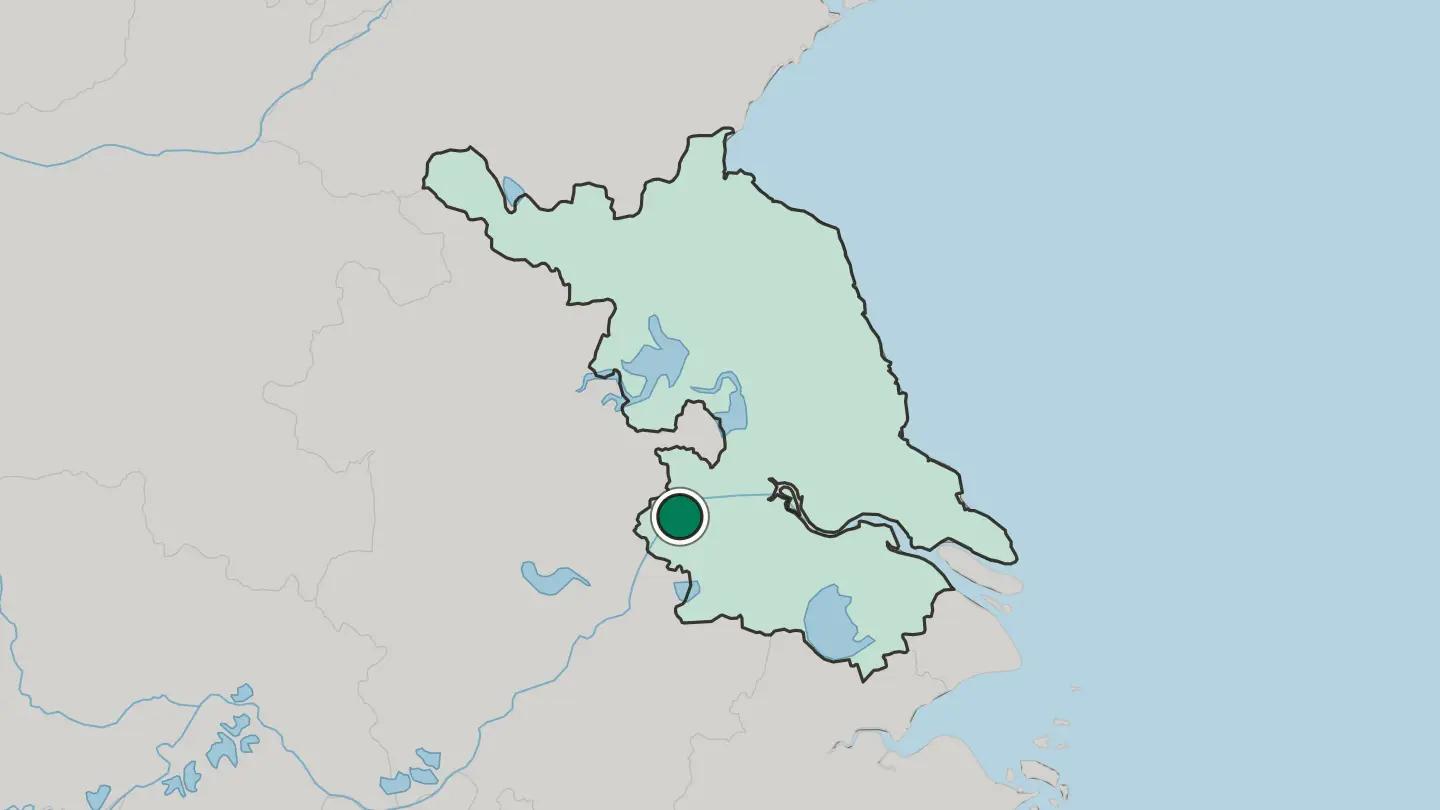
 China
China
Suzhou
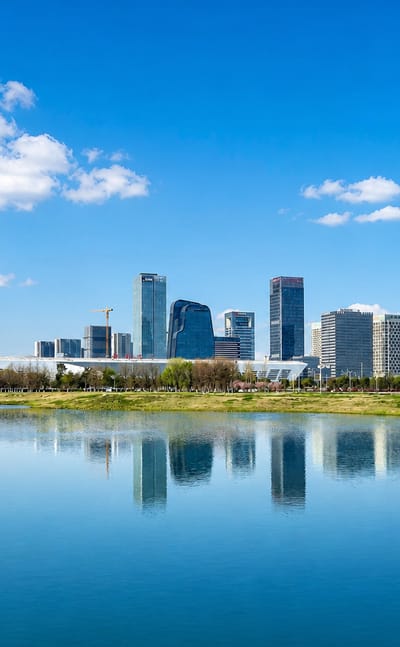
Canal water threads the walled lanes of Suzhou, a city in Jiangsu on the Grand Canal, known for its Classical Gardens and its silk.Where to stay →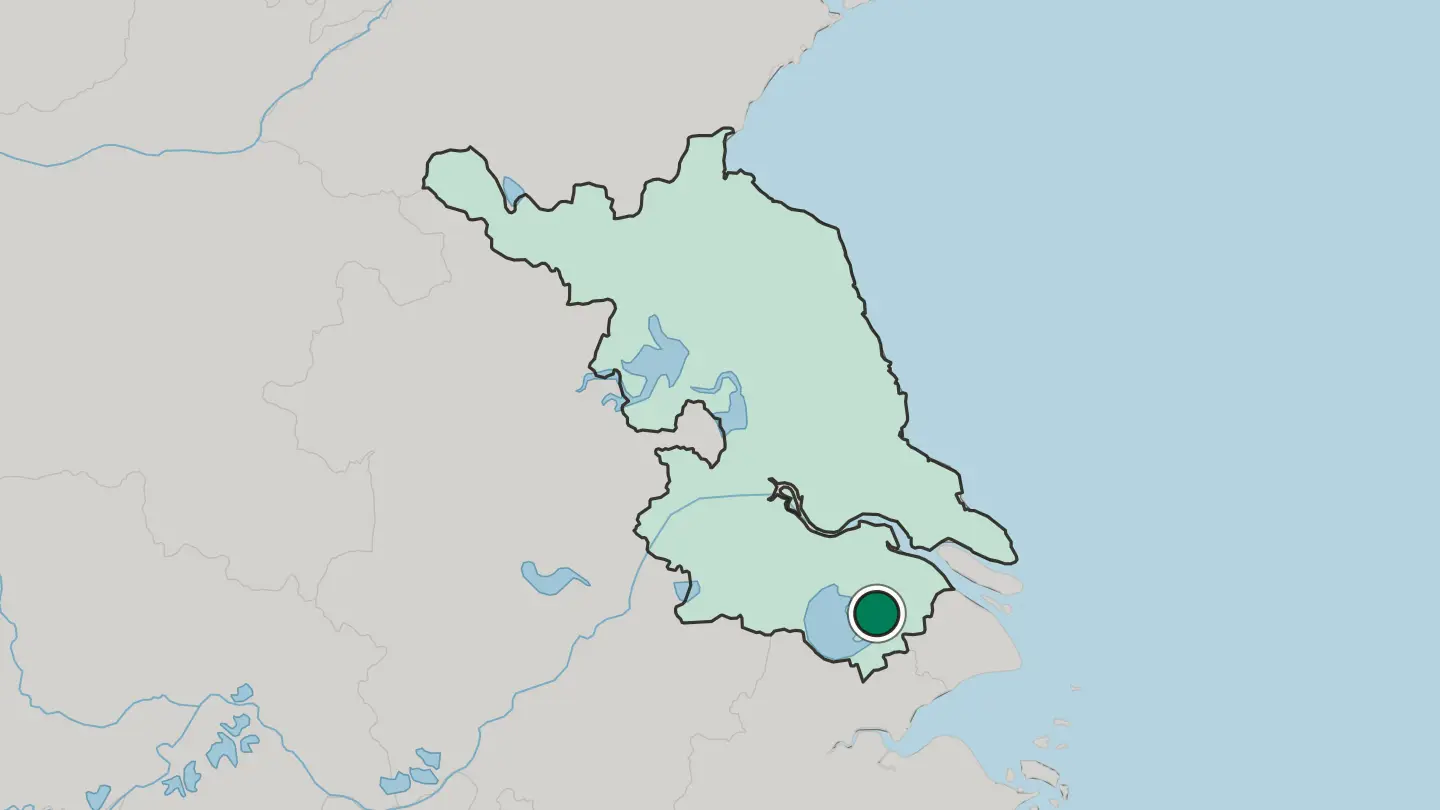
 China
China
Wuxi
Wuxi is an old canal and silk city on Lake Tai in Jiangsu, eastern China, in the heart of the Yangtze delta.Where to stay →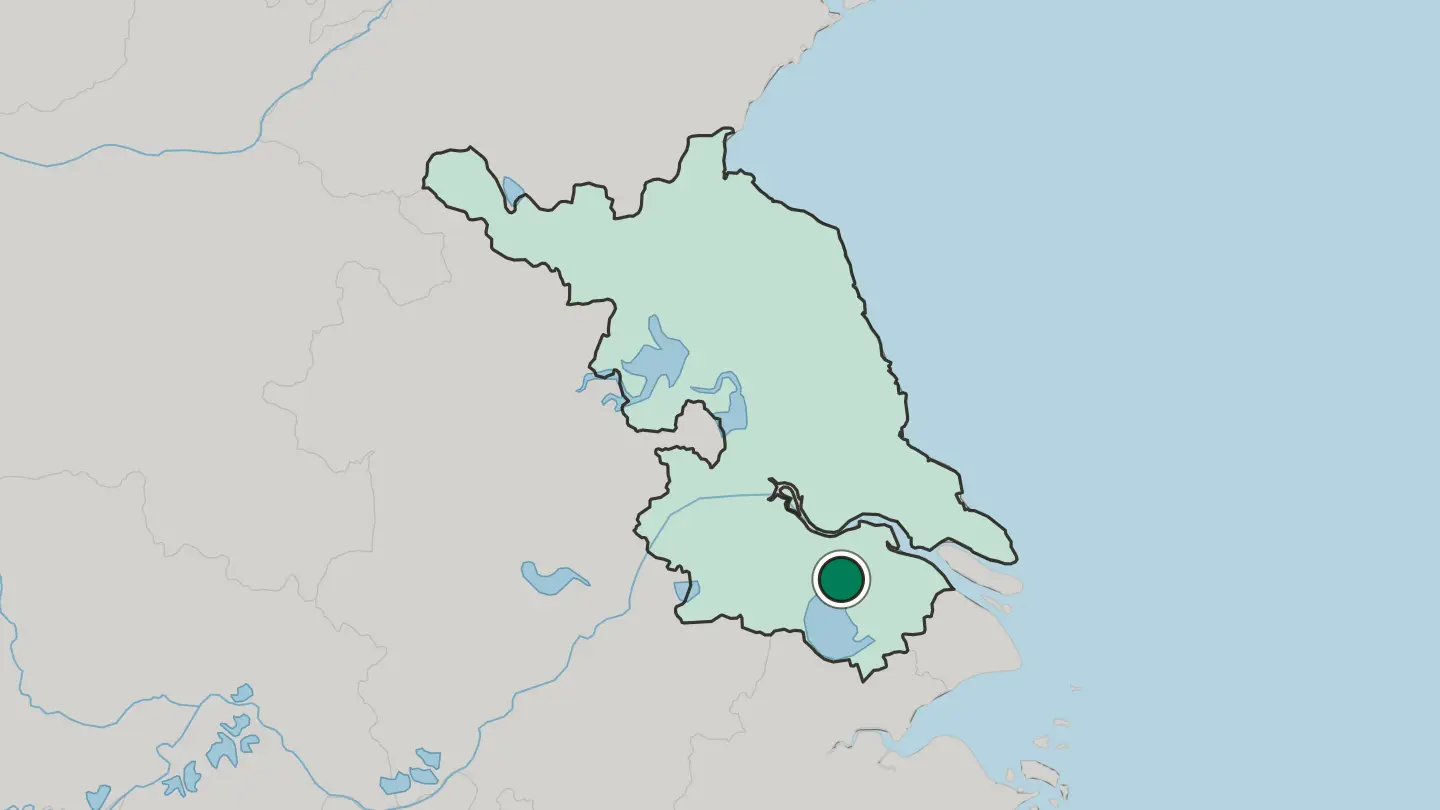
 China
China
Changzhou
Changzhou is a city of south Jiangsu in China on the Grand Canal, an old canal town between Nanjing and Shanghai, known for its combs and its pagoda.Where to stay →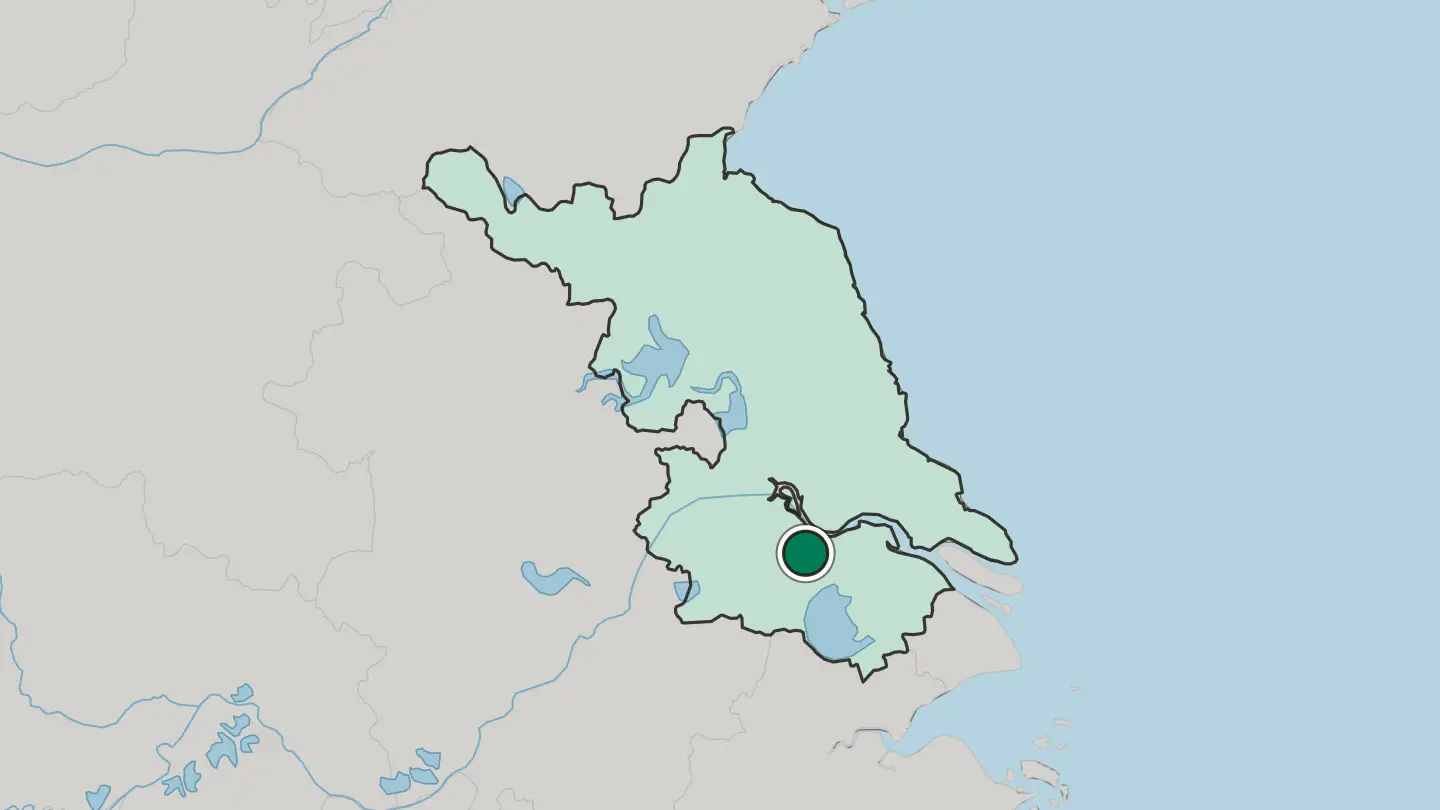
 China
China
Huai'an
Huai'an is a historic city on the Grand Canal in northern Jiangsu, China, the birthplace of Zhou Enlai.Where to stay →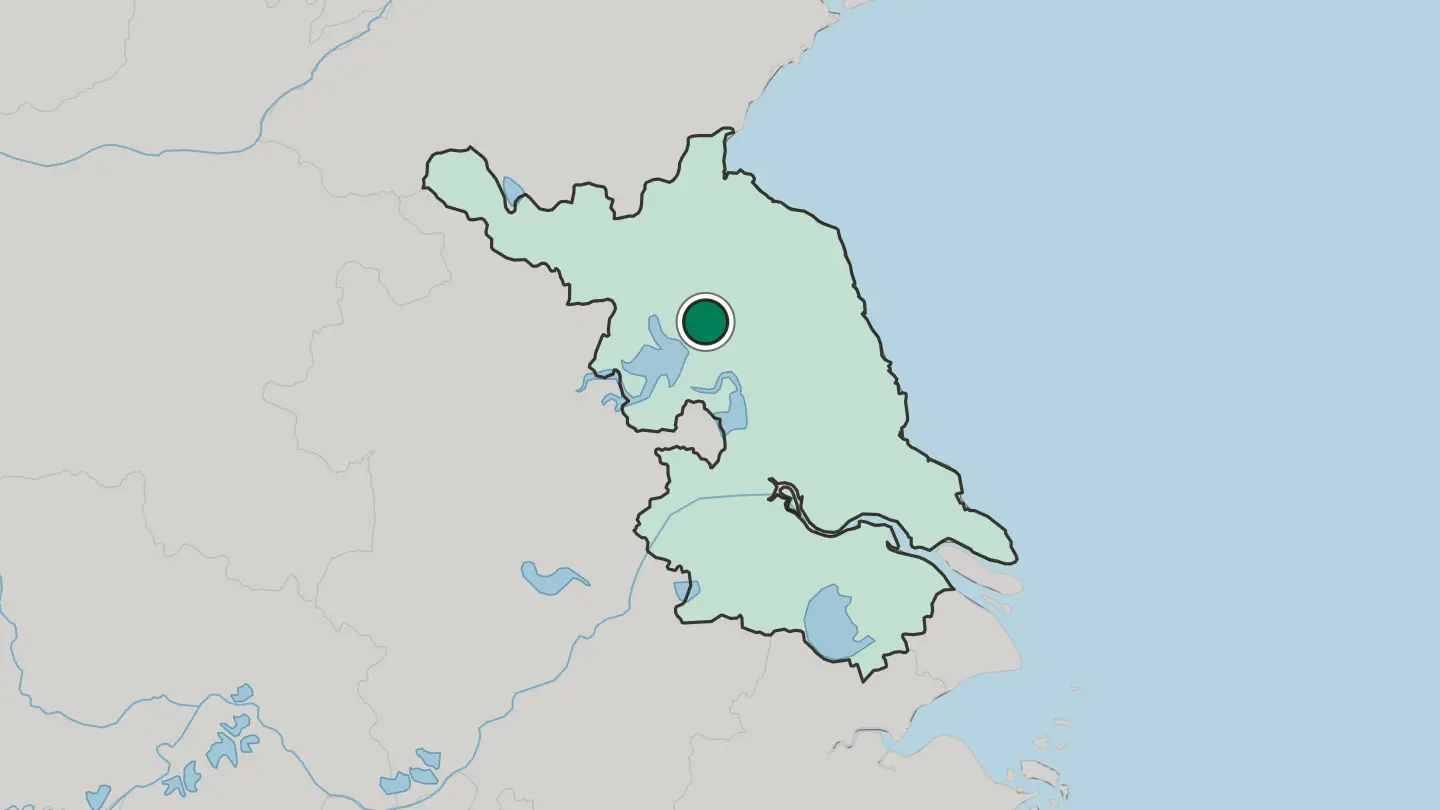
 China
China
Nantong
Nantong is a city of south Jiangsu in China at the Yangtze mouth, an old cotton town called China's first modern city, across the river from Shanghai.Where to stay →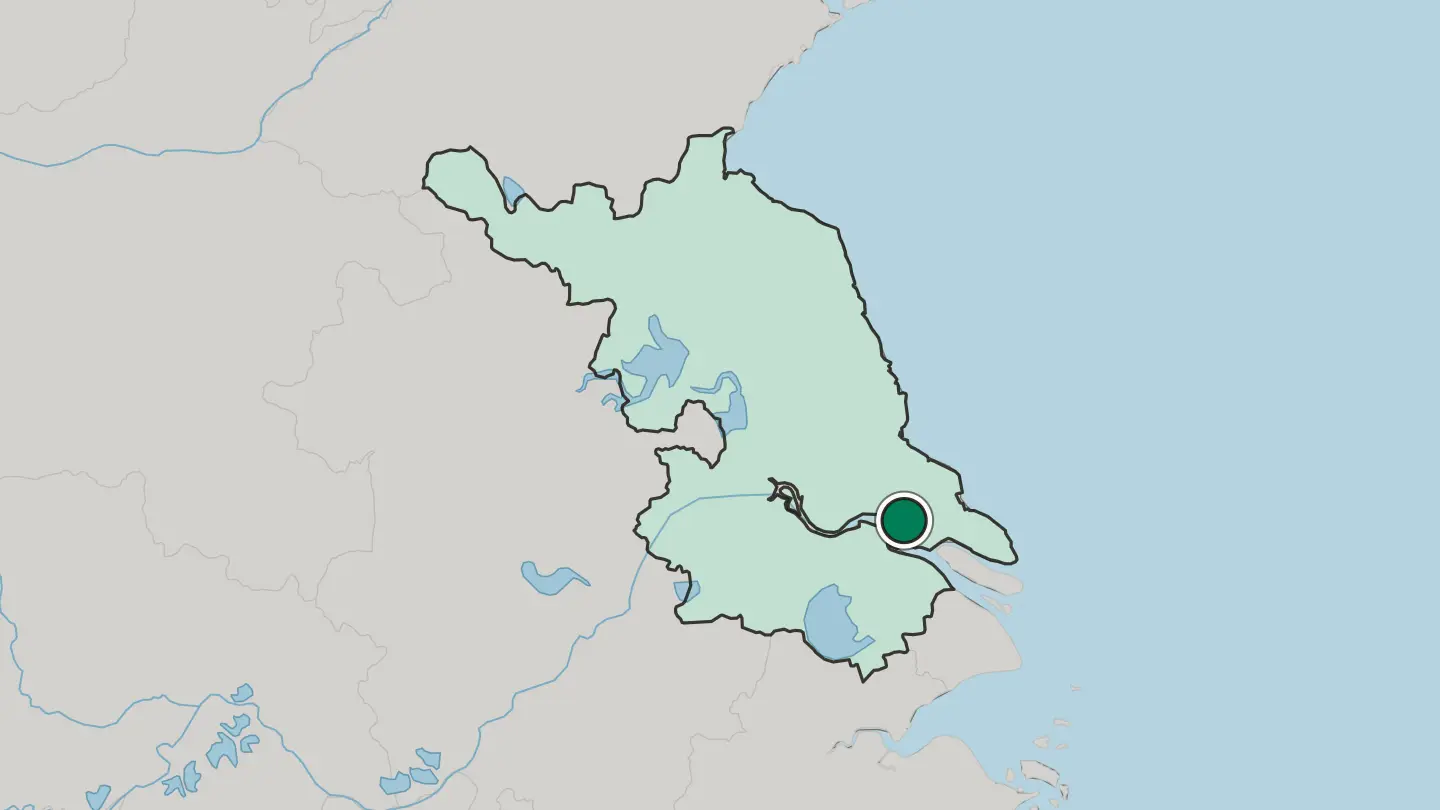
 China
China
Kunshan
Kunshan is a county-level city in southeastern Jiangsu, sitting between Suzhou and Shanghai and administered from Suzhou.Where to stay →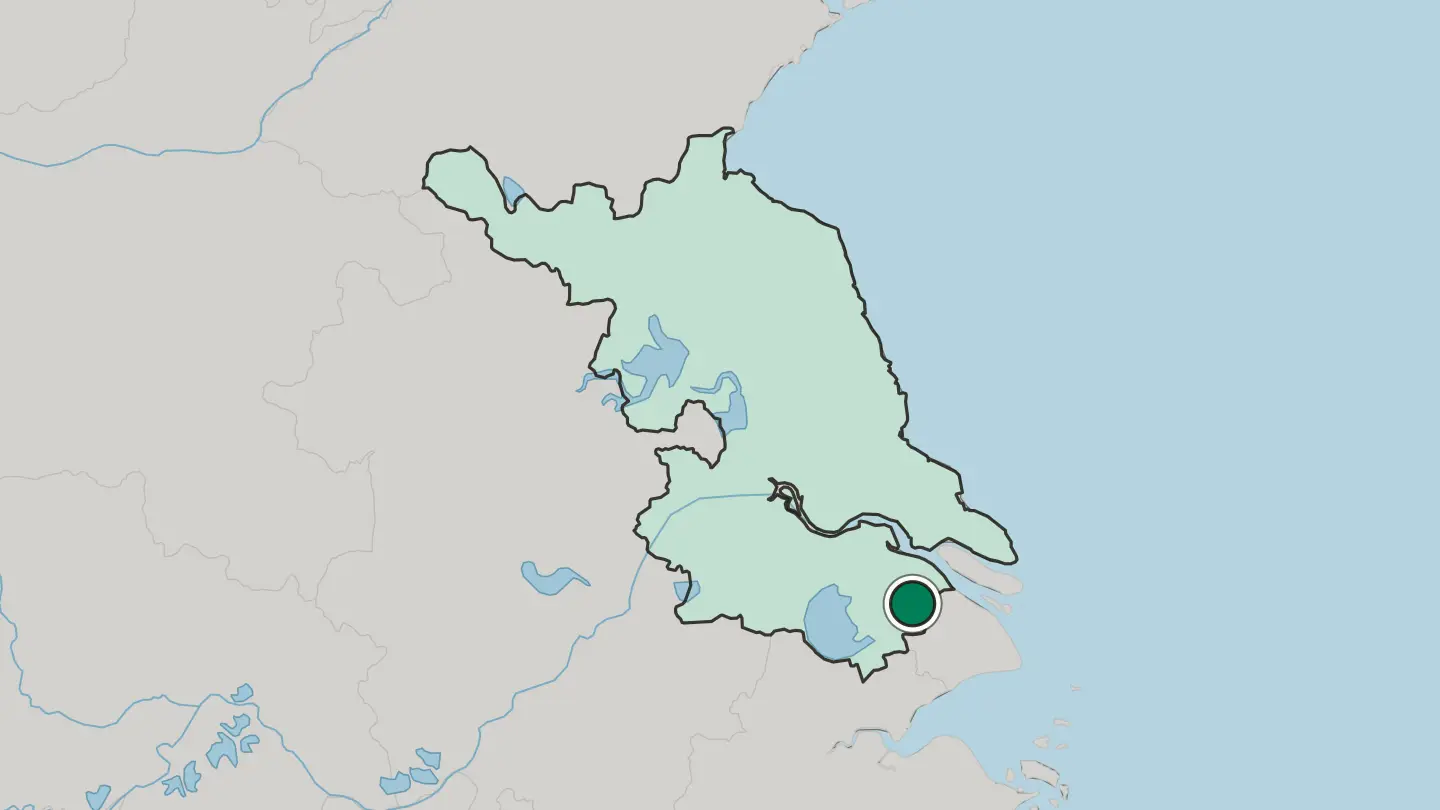
 China
China
Lianyungang
Lianyungang is a city in Jiangsu where the record is cut into rock, from engraved petroglyphs to the Kongwang Mountain Cliffside Sculptures.Where to stay →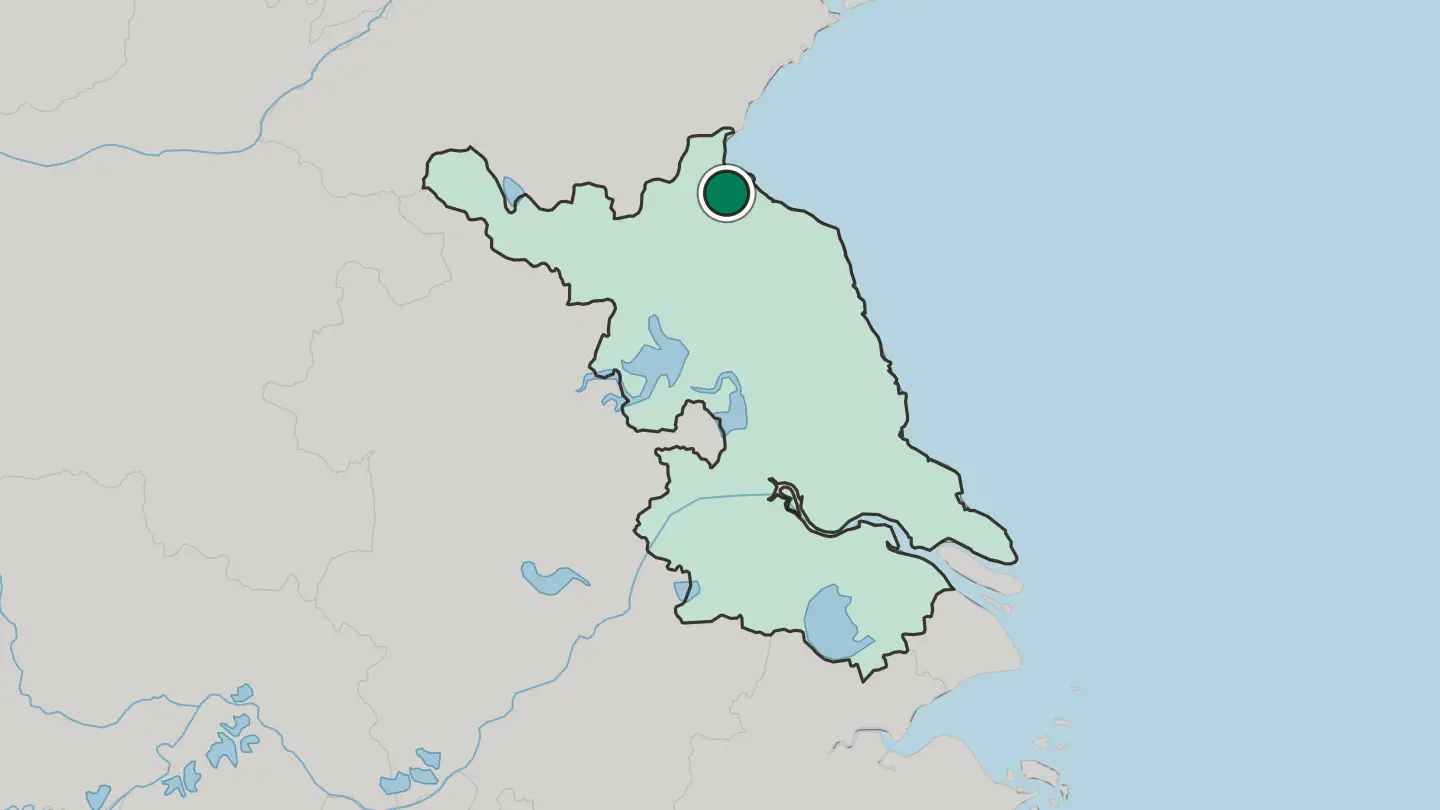
All towns & cities (16)
 China
China
Jiangyin
Jiangyin is a Yangtze River port city in Jiangsu, administered by Wuxi and keeping the former residence of Xu Xiake.Where to stay →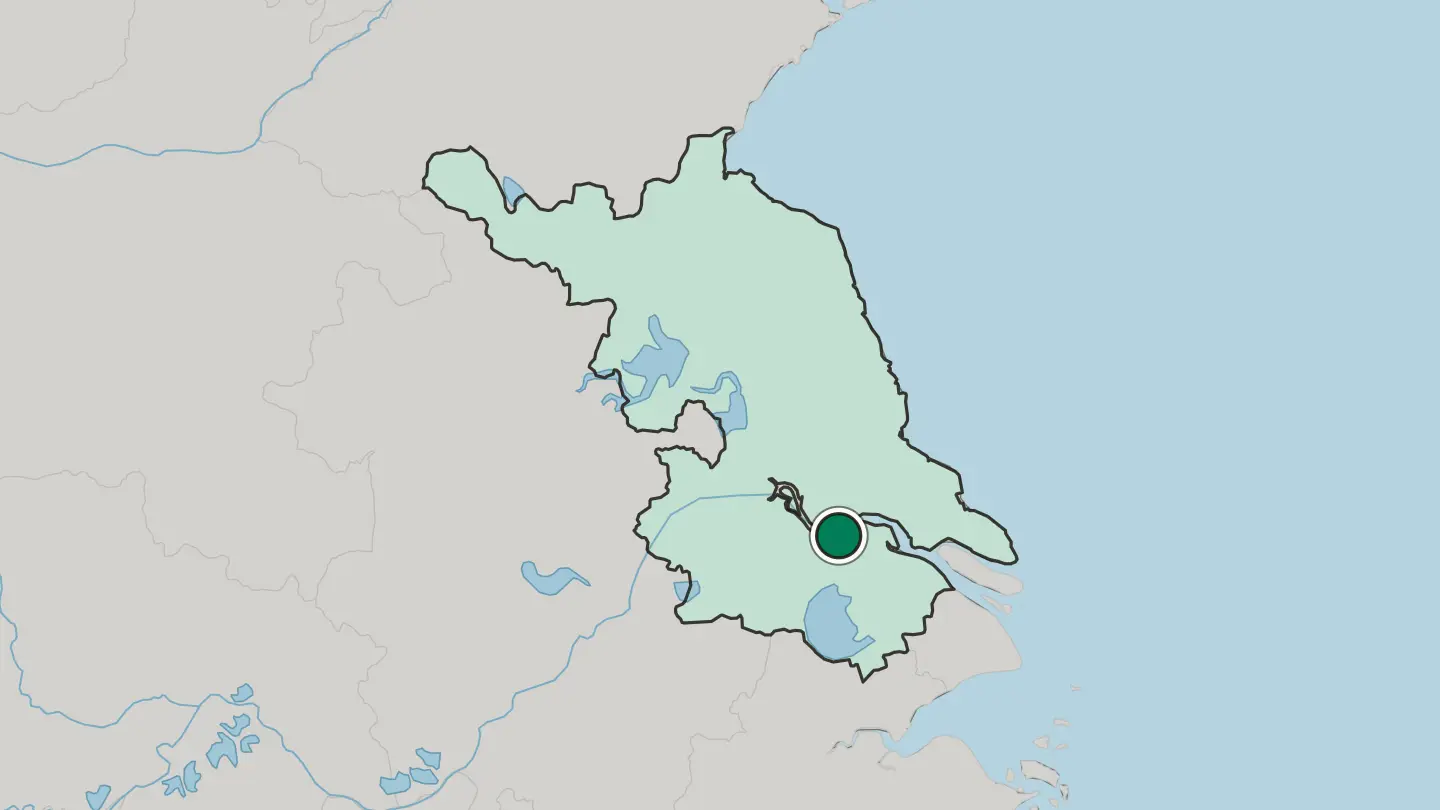
 China
China
Yancheng
Yancheng lines the Yellow Sea coast of Jiangsu, the old Yandu, with cranes and milu deer on the largest coastal wetlands anywhere.Where to stay →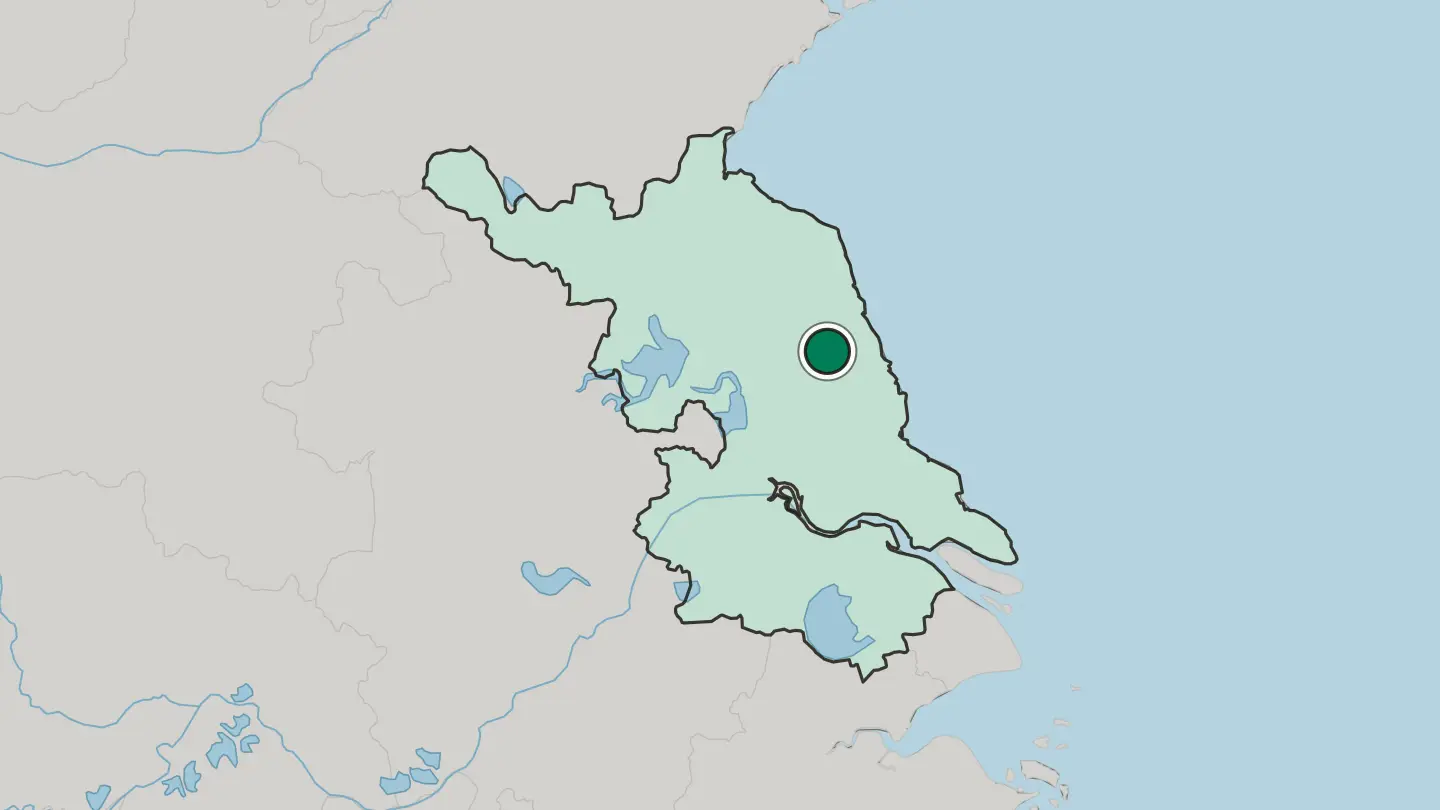 China
China
Taizhou
Taizhou is a prefecture-level city on the north bank of the Yangtze River in Jiangsu, keeping Rishe Garden and the Taizhou City God Temple.Where to stay →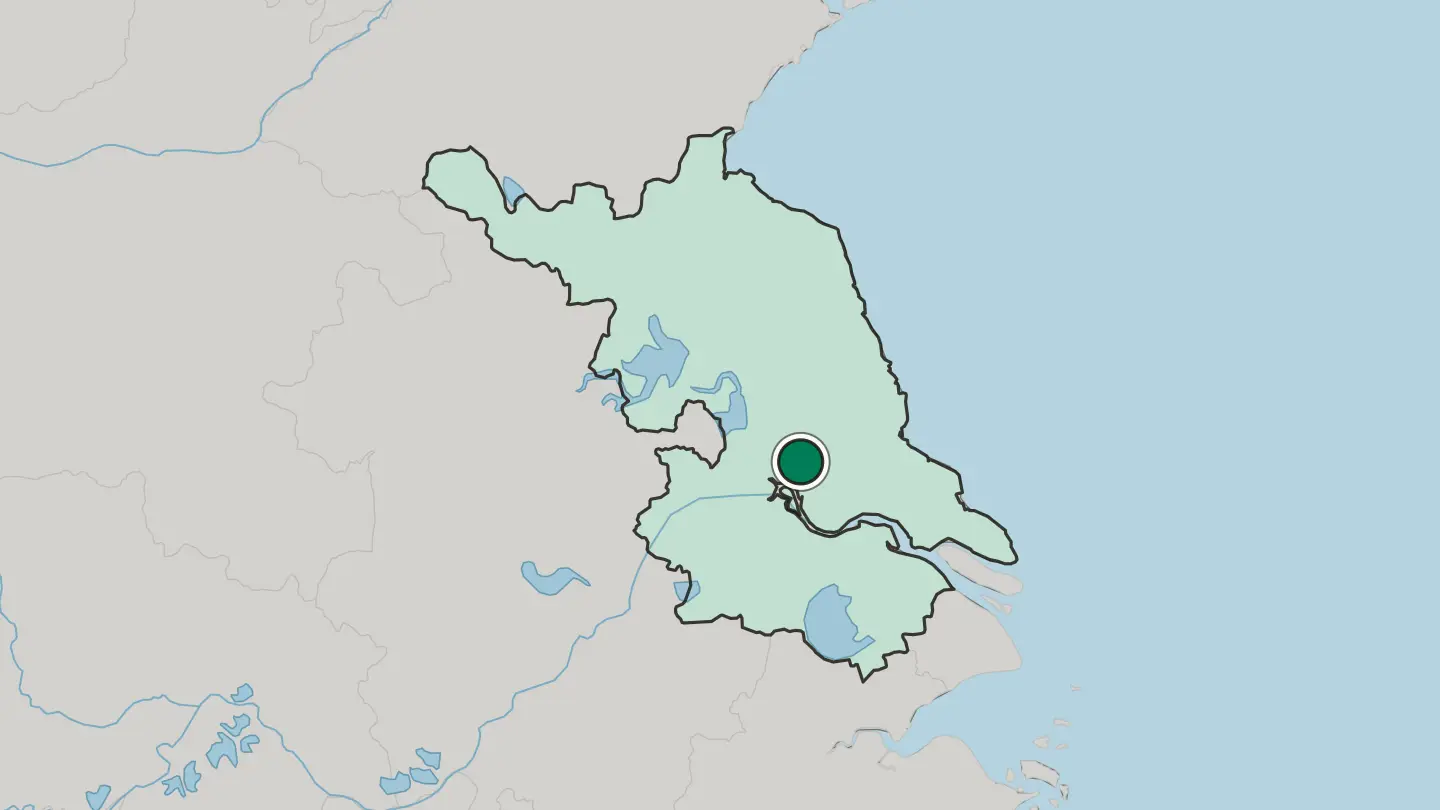
 China
China
Yangzhou
Yangzhou is an old canal city in Jiangsu, eastern China, famed for its classical gardens and the Grand Canal.Where to stay →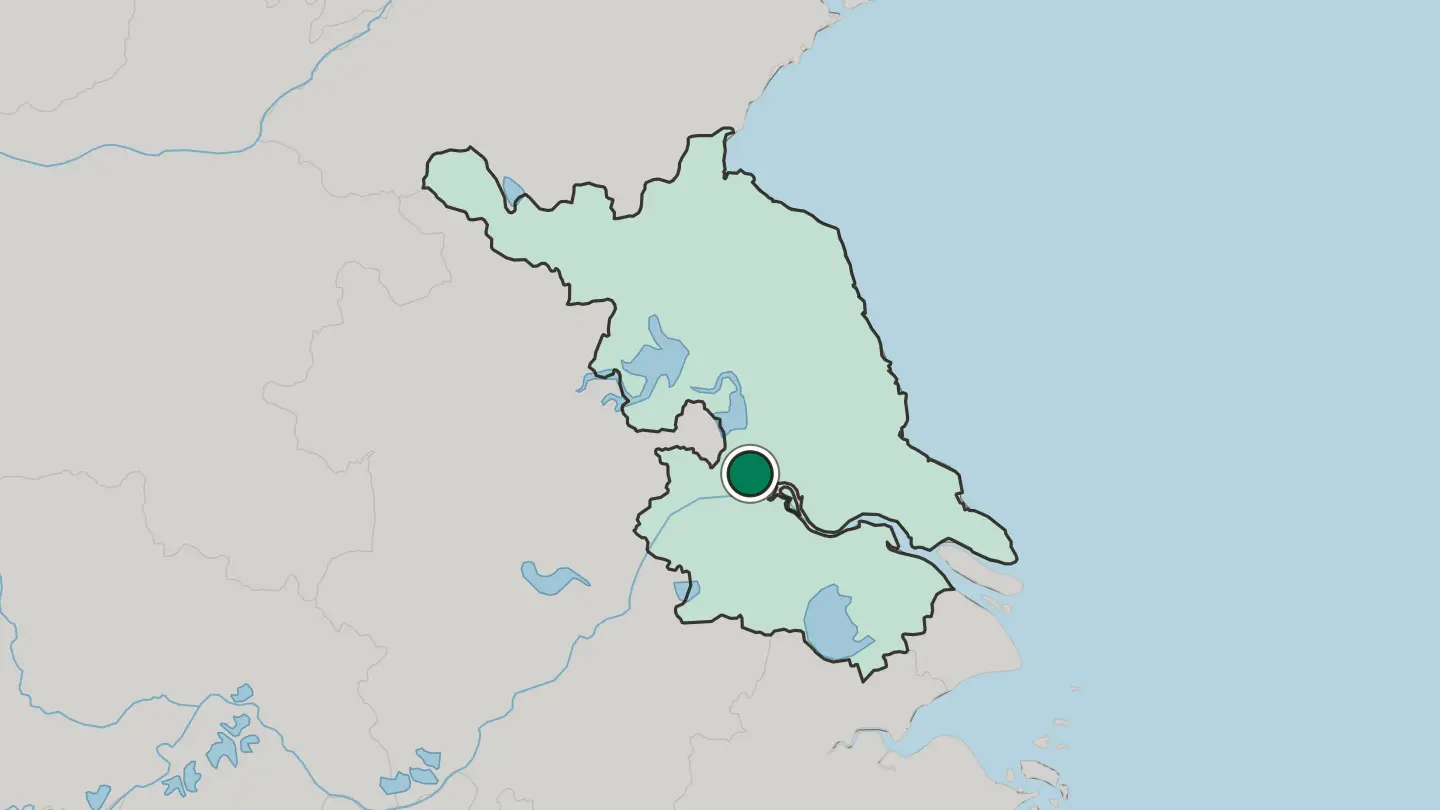
 China
China
Zhangjiagang
Zhangjiagang is a county-level city of Suzhou and a Yangtze River port in Jiangsu, recorded before as Shazhou County.Where to stay →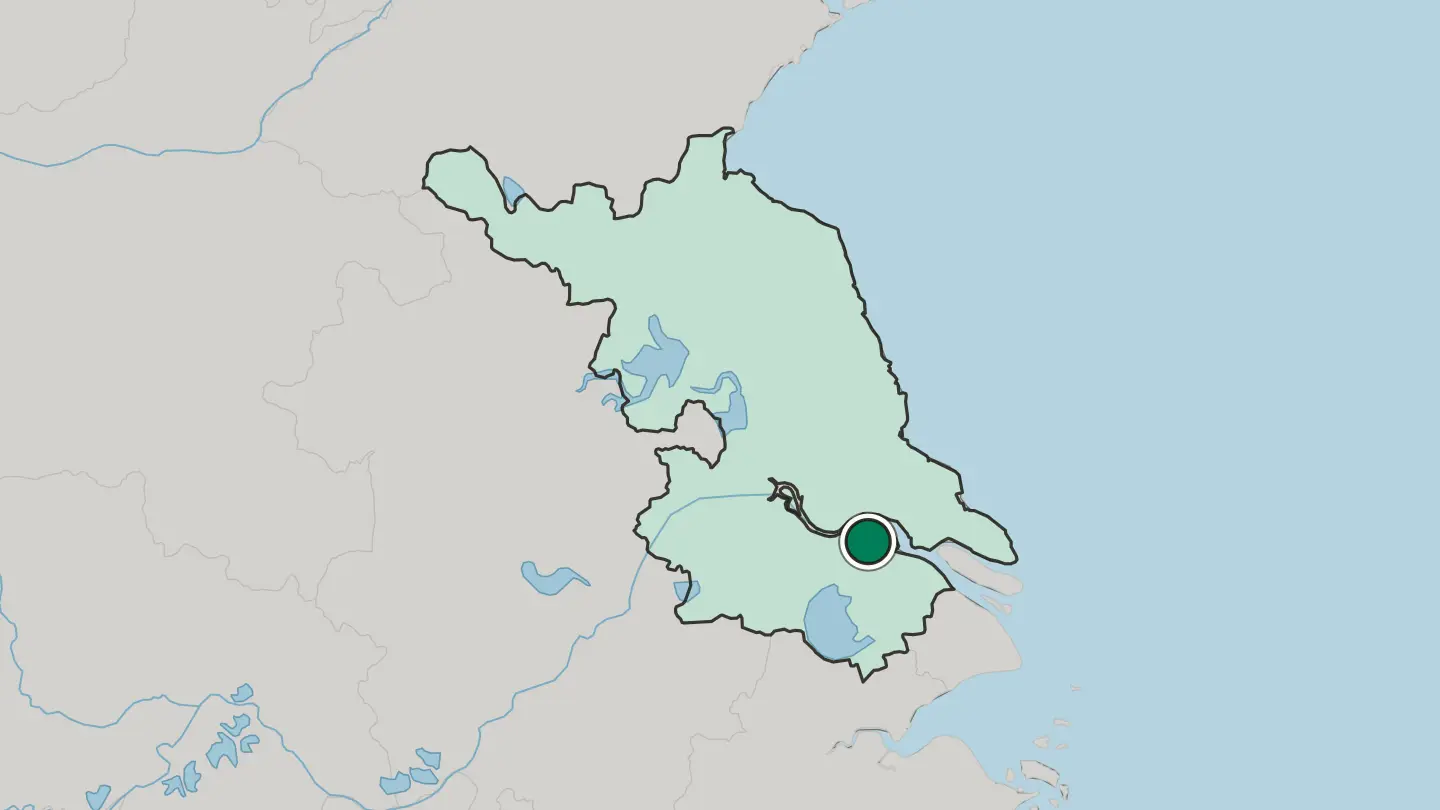
 China
China
Zhenjiang
Zhenjiang is an old river city in Jiangsu, eastern China, where the Grand Canal crosses the Yangtze below three temple hills.Where to stay →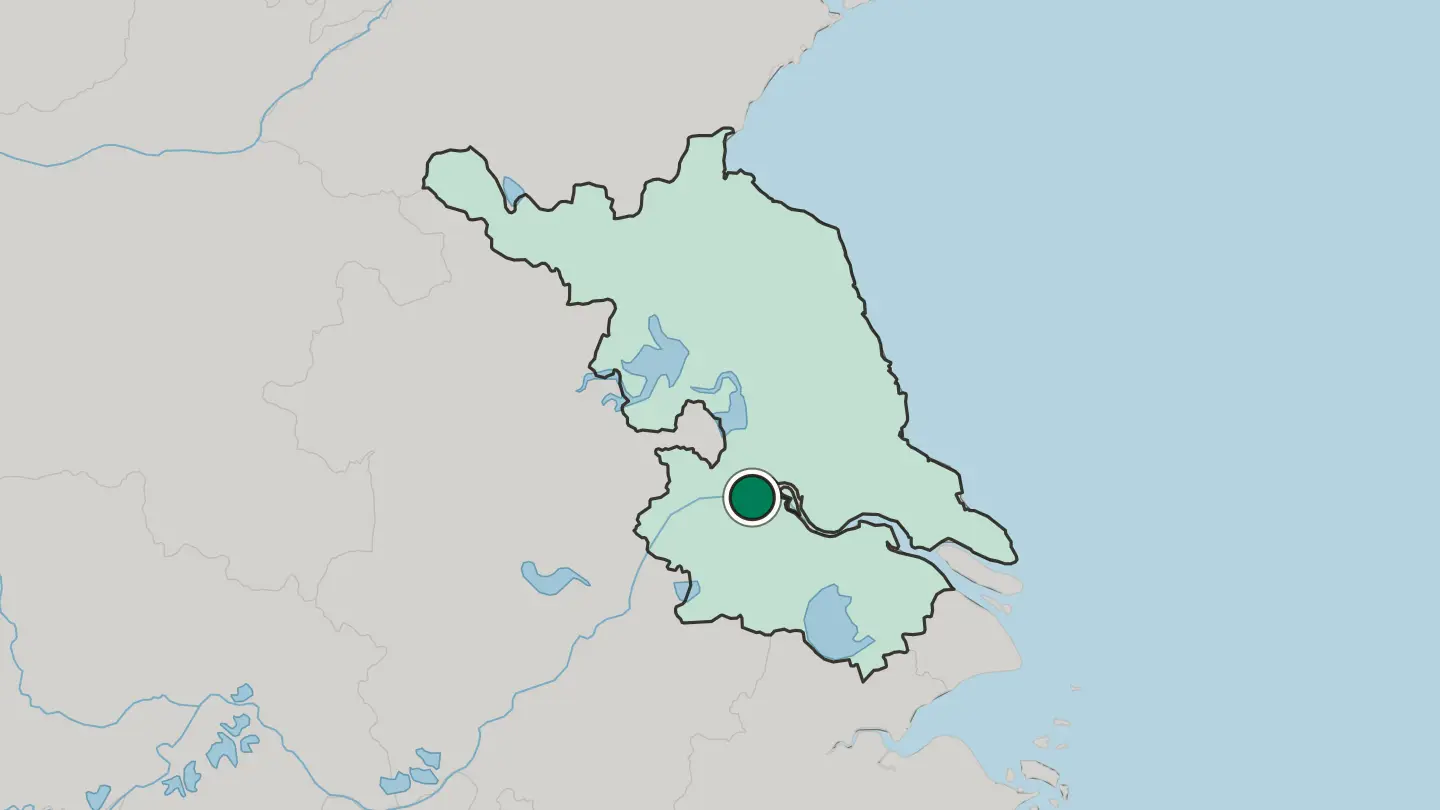 China
China
Taicang
Taicang is a county-level city of Suzhou at the Yangtze River estuary, bordering Shanghai and holding the Site of Taicang Maritime Granary.Where to stay →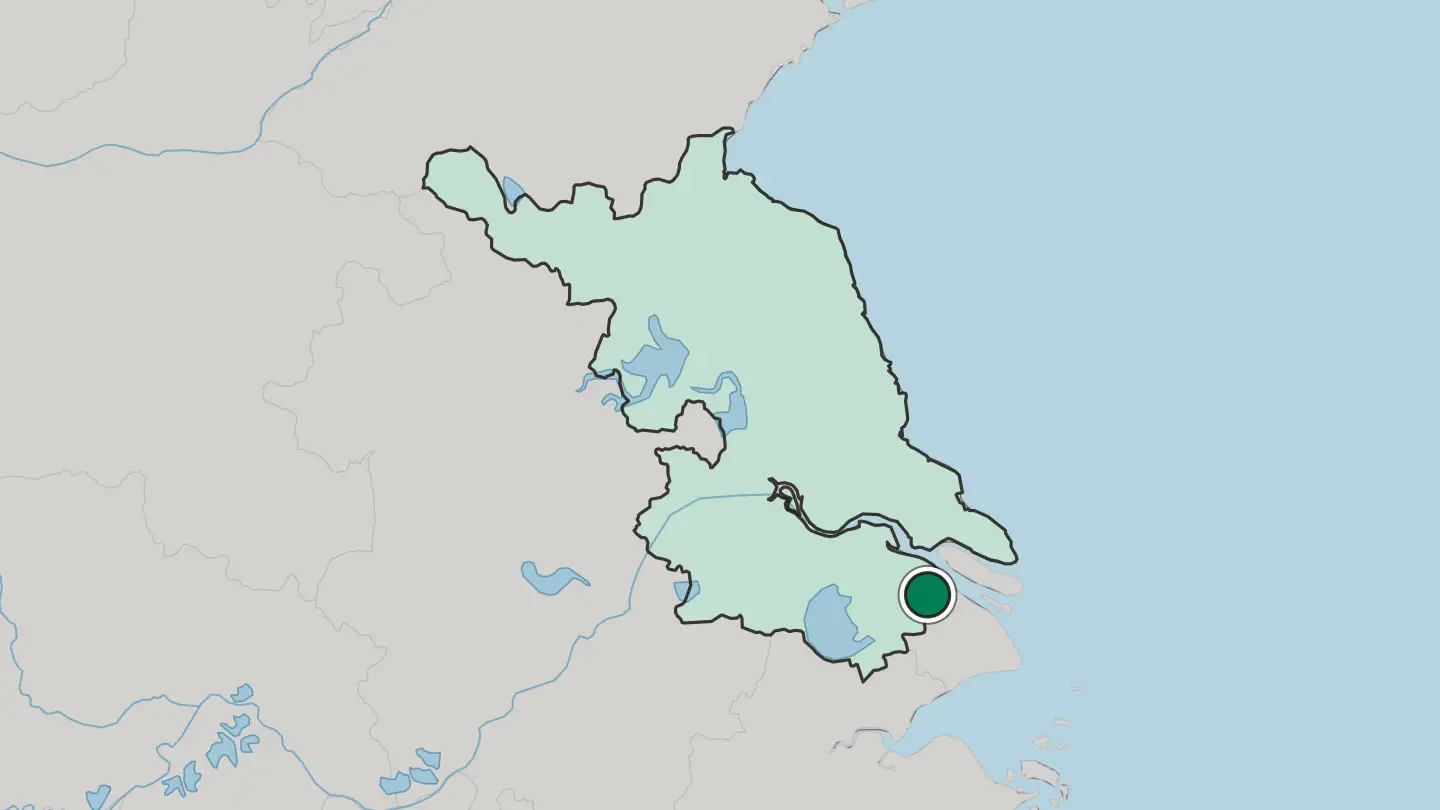
 China
China
Tongshan
Tongshan holds the core of Xuzhou, the old Pengcheng of Jiangsu, with Han royal tombs in the hills and Yunlong Lake at the city's edge.Where to stay →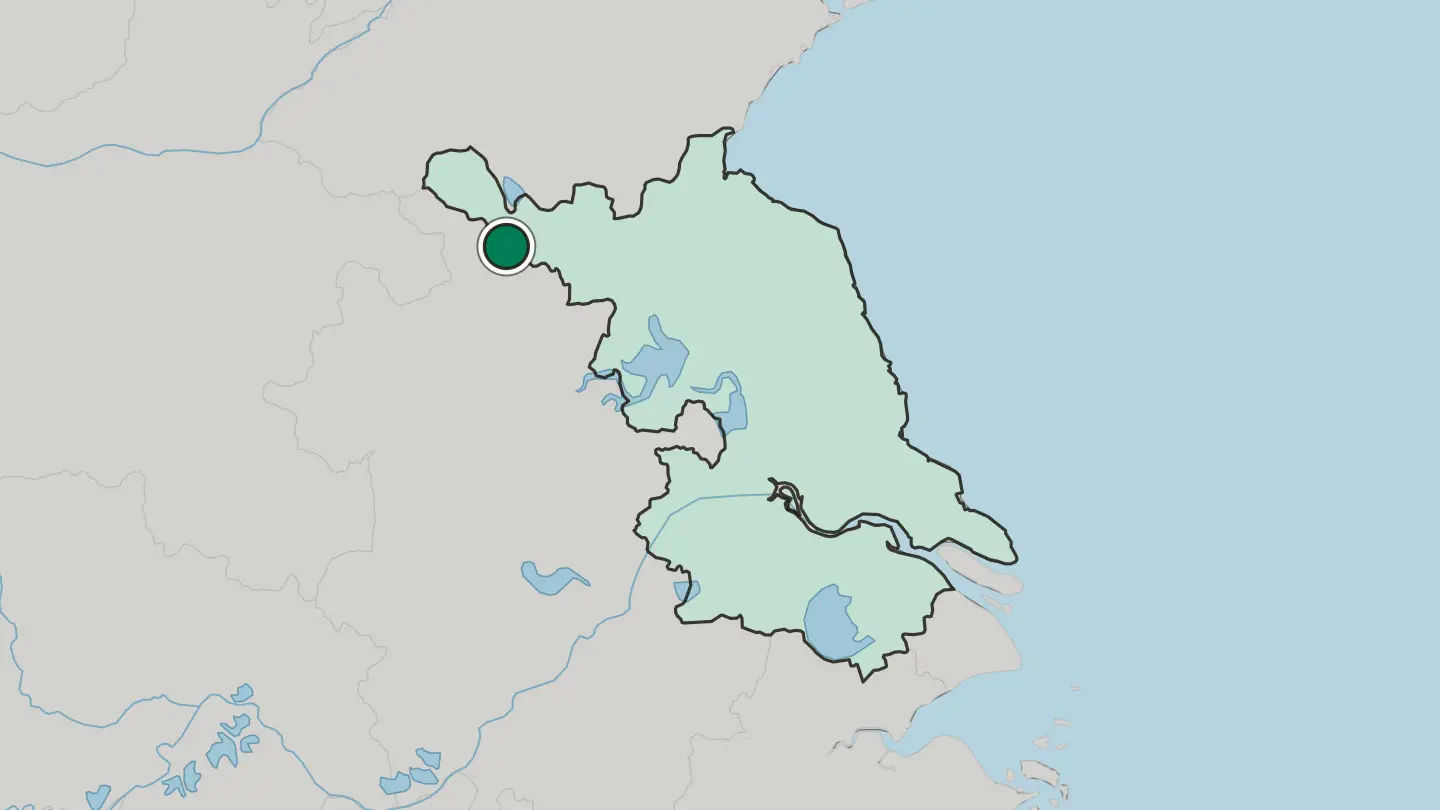
Hotel links are affiliate links: booking through them may earn us a commission, at no extra cost to you. It never affects how places are ranked. How this works
About Jiangsu
What is Jiangsu known for?
Jiangsu is China's province of water and gardens. Canals define it. The Grand Canal runs the length of it from north to south, and the Yangtze cuts across the south on its way to the Yellow Sea.
Suzhou earned the name Venice of the East for the canals that lace its old quarter, and its classical gardens are protected as a group. Nanjing, the provincial capital, holds a second reputation entirely, as a former imperial capital heavy with dynastic history.
Where is Jiangsu?
Jiangsu lies on the coast of East China, its long eastern edge fronting the Yellow Sea. It is a low, flat province. Plains cover most of it, and little of the land rises far above the sea, so water rather than hills does the shaping here.
The Yangtze enters from the southwest, near Nanjing, and runs east across the province to reach the sea, spreading into its delta as it goes. That river splits Jiangsu in two. South of it lies Jiangnan, the wealthier, garden-strung country around Suzhou and Lake Tai; north of it stretches the broader plain the Chinese call Subei. Shandong borders the province to the north and Anhui to the west. Zhejiang and the city of Shanghai lie to the south.
Running the other way, north to south, the Grand Canal crosses the whole province and cuts across every east-flowing river it meets, linking the towns strung along it. Lake Tai sits in the southern corner, shared with Zhejiang, and the canal skirts its eastern shore. Between the great river, the ancient canal, the lake and the sea, Jiangsu is as much waterway as land.
What is Jiangsu like?
The heart of Jiangsu's culture is the old land of Wu, in the south. Water shaped it. The classical gardens of Suzhou distil the local ideal, small walled worlds of rock, pond and pavilion built by scholars and merchants over centuries, and several of them are protected together as a single heritage group.
In the southern cities people still speak Wu Chinese, a group of southern varieties softer and more flowing to the ear than the northern Mandarin of the capital region. Kunqu opera grew up around Suzhou. The cooking follows the same grain.
Huaiyang cuisine, named for the Huai River country and the canal city of Yangzhou, is prized across China for its knife-work and its light, fresh handling of river fish and freshwater produce. Nanjing carries a heavier, more courtly inheritance as a former imperial capital, its museums and tombs a counterweight to the garden towns downstream. Silk and embroidery were Suzhou trades for centuries.
Refinement over spectacle is the through-line.
What is the history of Jiangsu?
The south of the province was the core of the ancient state of Wu, and Suzhou was founded as its capital in 514 BCE. Nanjing's turn came later. It served as the capital of a string of southern dynasties, then again under the early Ming, and once more for the Republic of China in the twentieth century, a city that kept being chosen to rule from.
From the Sui and Tang onward the completion of the Grand Canal turned the whole province into a spine of trade between the rice-growing south and the capitals of the north, and its canal cities grew rich on that traffic. Shanghai was split off from Jiangsu to stand on its own in 1927.
What is the climate of Jiangsu?
Jiangsu splits into two climates along the Huai River. The south is humid and subtropical. Summers there are hot and wet under the East Asian monsoon, and Nanjing is known for a sticky, oppressive summer heat along the Yangtze, while winters turn cool and grey.
North of the Huai the seasons run colder and more continental, closer to the plains of Shandong than to the garden towns downstream. Rain falls more heavily toward the south, and all four seasons are clearly marked across the province.
How do you get to Jiangsu?
Many travellers reach Jiangsu through Shanghai, just across the southern border, and ride the high-speed line inland. Trains do the heavy lifting here. Suzhou, Wuxi, Changzhou and Nanjing sit in a row on the fast rail corridor, each an hour or two from the next and from Shanghai, so hopping between the canal cities takes very little time.
Nanjing has an international airport for those flying straight in. The Yangtze also carries river cruises up to the city and beyond.
Common questions
What is the best area to stay in Jiangsu?
Suzhou: gardens and canal towns. Nanjing: imperial history on the river. Wuxi: Lake Tai and its shoreline. Yangzhou: the canal-and-river crossing.
Good for
More regions in China
Updated October 2026