China · Jiangsu
Where to Stay in Lianyungang, Jiangsu
Lianyungang is a city in Jiangsu where the record is cut into rock, from engraved petroglyphs to the Kongwang Mountain Cliffside Sculptures.
Hotel links are affiliate links: booking through them may earn us a commission, at no extra cost to you. It never affects how places are ranked. How this works


Where to stay in Lianyungang
How the choice of base plays out on the ground.
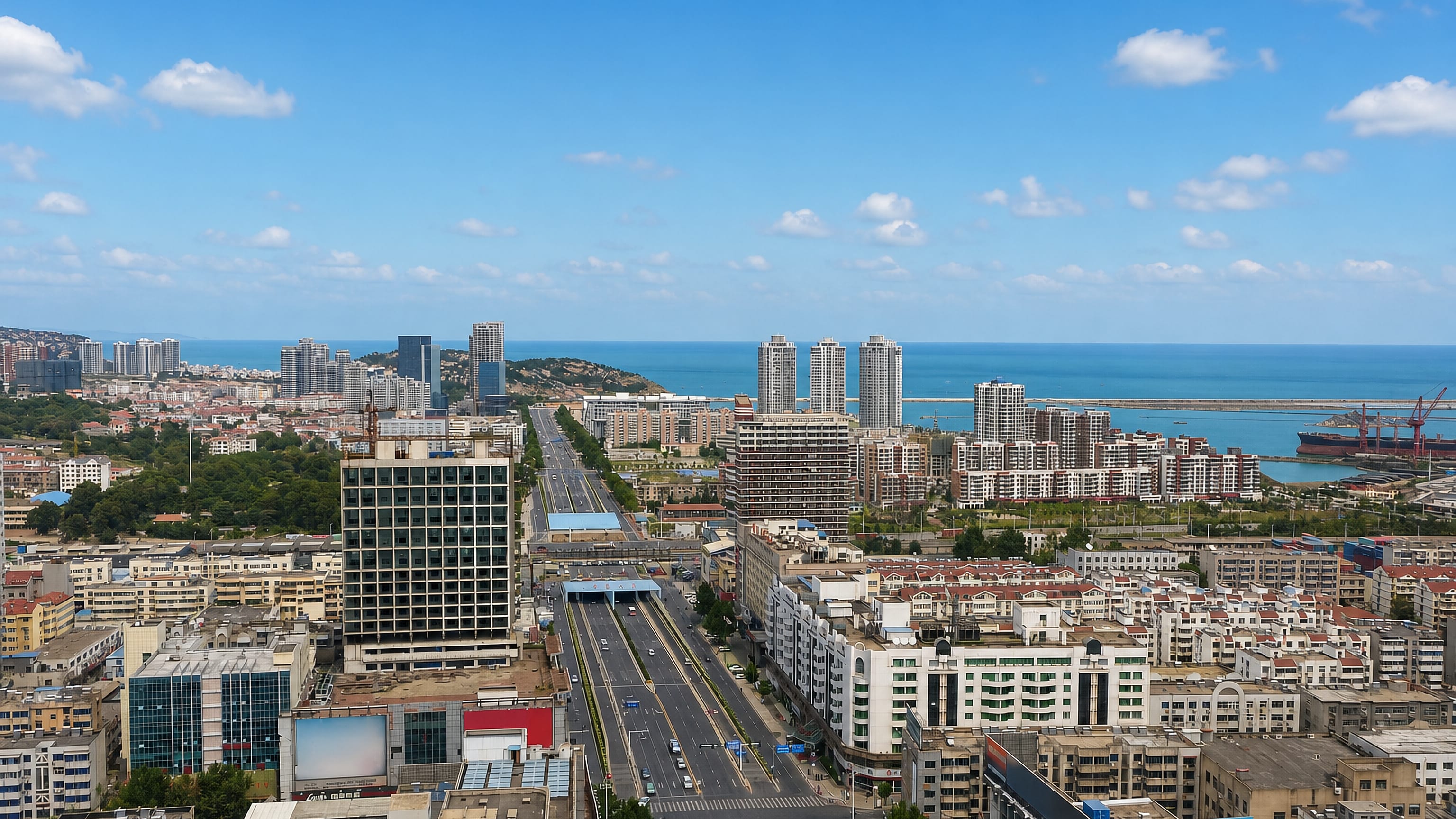
Lianyungang's centre is the sensible base. Rooms concentrate there, and the Lian Yungang Museum makes an easy first stop for anyone who wants the material of the area in one building before heading out to the sites themselves. Kongwang Mountain is the other draw.
Staying within reach of it puts the Kongwang Mountain Cliffside Sculptures inside a morning rather than a full day, which matters because most of the rest is scattered. Beds cluster centrally. Nothing in Lianyungang requires a car for the core of a visit.
The outer sites change the calculation. The Han Tombs at Yinwan, the Quyangcheng City Ruins, the Tenghualuo Site, and the Zhangzhuang site all sit out in the wider city area, and lodging near them is thin enough that a bed should be settled before setting off. Donglian Island is a case of its own.
The Boundary Stone Between Donghai and Langya Commanderies at Donglian Island stands there, which makes the island a destination in itself rather than a detour. Two temples complete the map. The Pagoda of Haiqing Temple and the Inscriptions at Yulin Temple are separate stops again, each worth its own half-day out from the centre.
Most trips keep a central room.
Find hotels in Lianyungang
Direct booking searches for these neighbourhoods.
Lianyungang centre
The widest supply of rooms in the city area, with the Lian Yungang Museum near enough to serve as a first orientation.Find hotels in Lianyungang centrereaching the Kongwang Mountain Cliffside Sculptures earlyKongwang Mountain
Beneath the carved rock of Kongwang Mountain, near enough that the sculptures fit inside a morning. Beds are limited here, so book early.Find hotels in Kongwang Mountainthe boundary stone and the water around itDonglian Island
The island holding the Boundary Stone Between Donghai and Langya Commanderies at Donglian Island, for people who want the crossing as part of the trip. Beds are limited here, so book early.Find hotels in Donglian Islandthe Han Tombs at Yinwan and the excavated country sitesYinwan
Out where the Han Tombs at Yinwan and the Quyangcheng City Ruins are, with very little lodging of its own. Rooms are few around here — worth securing early.Find hotels in YinwanHotel links are affiliate links: booking through them may earn us a commission, at no extra cost to you. It never affects how places are ranked. How this works
About Lianyungang
Rock carries the record here.
What is Lianyungang known for?
The engraved petroglyphs from Lianyungang and the Kongwang Mountain Cliffside Sculptures are the two sets most often sought out, and the Inscriptions at Yulin Temple add a third body of cut stone across the same city area. Burials fill out the list. The Han Tombs at Yinwan and the Dayishan Stone Coffin Tombs are excavated ground rather than standing architecture.
The Lian Yungang Museum is the indoor counterpart.
What are the main landmarks in Lianyungang?
Carved stone dominates. The engraved petroglyphs from Lianyungang, the Kongwang Mountain Cliffside Sculptures, and the Inscriptions at Yulin Temple are three separate bodies of cut rock, and the Boundary Stone Between Donghai and Langya Commanderies at Donglian Island is a fourth. Tombs and ruins follow.
The Han Tombs at Yinwan, the Dayishan Stone Coffin Tombs, and the Quyangcheng City Ruins are excavated sites, while the Tenghualuo Site and the Zhangzhuang site belong to the same category. The Pagoda of Haiqing Temple still stands.
What is the history of Lianyungang?
The earliest marks are cut, not built. The engraved petroglyphs from Lianyungang belong to that first layer, and the Tenghualuo Site and the Zhangzhuang site record early settlement ground in the same area. Burial came next.
The Dayishan Stone Coffin Tombs and the Han Tombs at Yinwan mark two different traditions, the second of them tied by name to the Han period. Administration left a marker. The Boundary Stone Between Donghai and Langya Commanderies at Donglian Island records where two commanderies met.
Kongwang Mountain rises inside the city's own area. Religion left its own stone. The Kongwang Mountain Cliffside Sculptures were cut into the hillside, the Inscriptions at Yulin Temple were carved at a temple site, and the Pagoda of Haiqing Temple survives as a standing building rather than a carving.
City walls fell out of use. The Quyangcheng City Ruins are what is left of one such settlement. Lianyungang in its modern form dates from 1935.
That makes the municipal city far younger than almost everything it administers, since the tombs, the sculptures, and the petroglyphs all predate it by a wide margin. The Lian Yungang Museum ties the threads.
Where is Lianyungang?
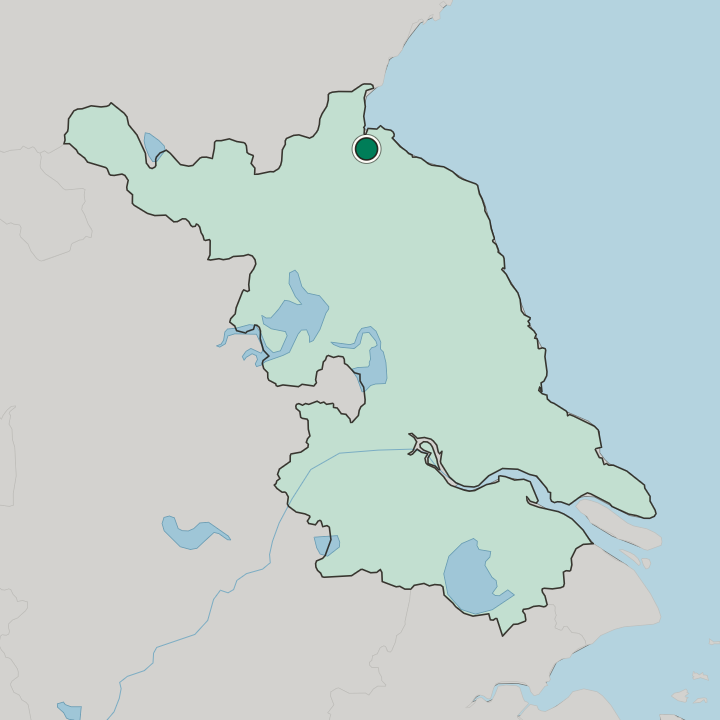
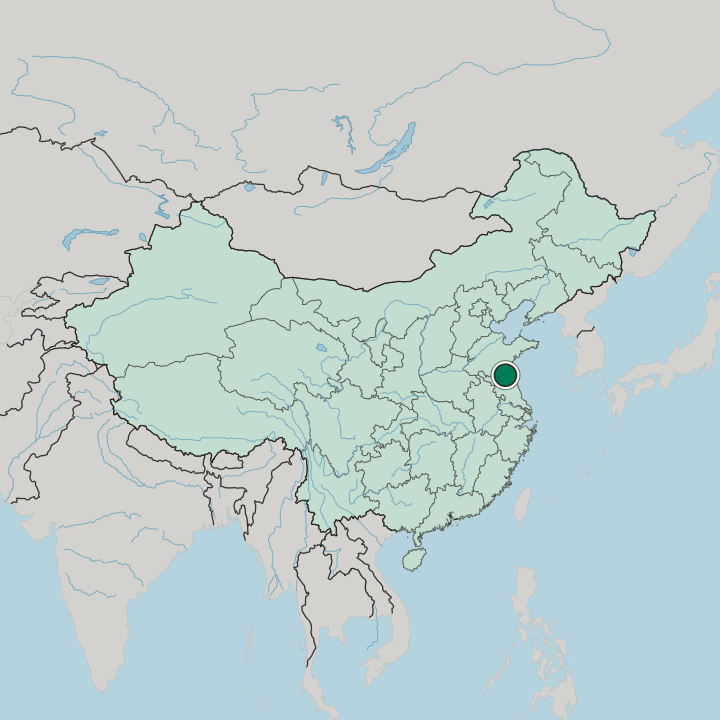
Jiangsu holds the whole of it. Kongwang Mountain gives the area its one named height, while Donglian Island lies out in the water with a boundary stone standing on it. Subtropical weather governs the year.
Sites are spread wide, the Han Tombs at Yinwan, the Quyangcheng City Ruins, the Tenghualuo Site, and the Zhangzhuang site all falling well outside the built-up centre. Distances add up.
What is the climate of Lianyungang?
Lianyungang sits in a subtropical band. Warmth holds through the middle of the northern-hemisphere year, and the outdoor work of a visit, the Kongwang Mountain Cliffside Sculptures and the engraved petroglyphs from Lianyungang, is easier either side of the peak. Cold comes at both ends.
Donglian Island and Kongwang Mountain are open ground either way. The Lian Yungang Museum works whatever the sky is doing.
How do you get to Lianyungang?
Arrivals land in the centre. Lianyungang is the administrative centre of its own wide area within Jiangsu, and everything else around it is reached outward from there rather than between the sites themselves. Donglian Island needs a crossing.
Kongwang Mountain is the closest of the major stops, while the Han Tombs at Yinwan, the Tenghualuo Site, and the Zhangzhuang site are each a run out into the countryside. A hired car saves days.
Common questions
What is the best area to stay in Lianyungang?
Lianyungang centre: the Lian Yungang Museum and a base with choice. Kongwang Mountain: reaching the Kongwang Mountain Cliffside Sculptures early. Donglian Island: the boundary stone and the water around it. Yinwan: the Han Tombs at Yinwan and the excavated country sites.
Good for
More cities in Jiangsu
Updated September 2026