China · Jiangsu
Where to Stay in Suzhou, Jiangsu
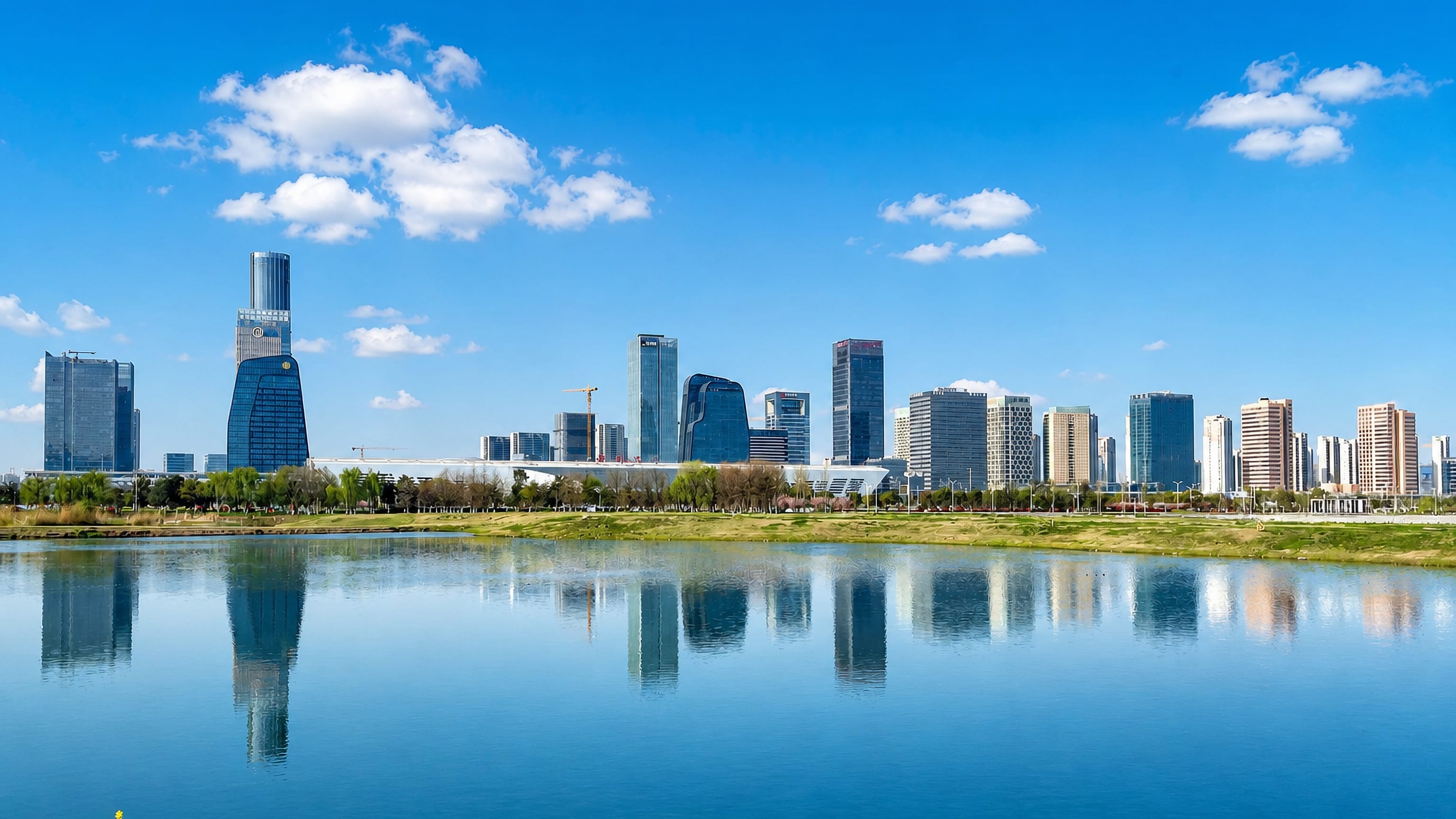
Canal water threads the walled lanes of Suzhou, a city in Jiangsu on the Grand Canal, known for its Classical Gardens and its silk.
Hotel links are affiliate links: booking through them may earn us a commission, at no extra cost to you. It never affects how places are ranked. How this works


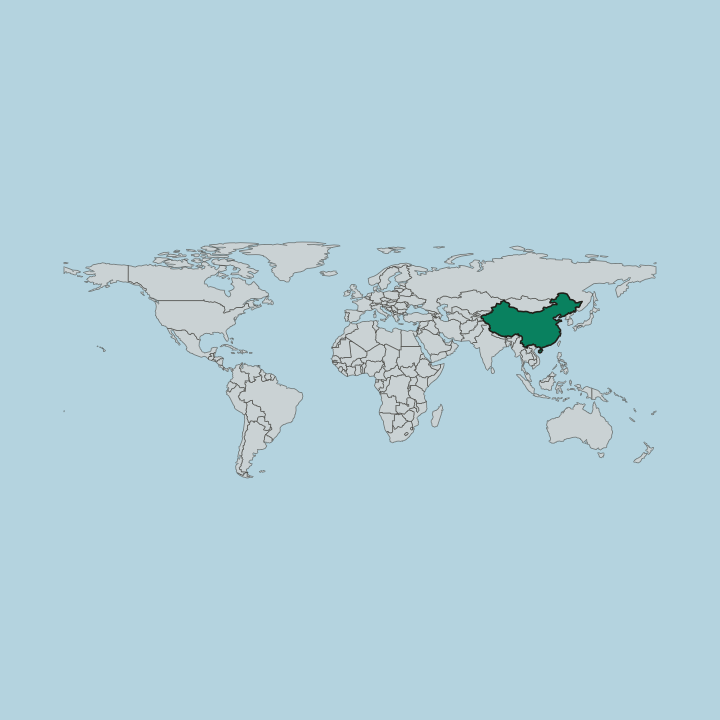
Where to stay in Suzhou
How the choice of base plays out on the ground.
Where a traveller stays in Suzhou turns on the old walled city, because the canals, the gardens, and the crafts that draw most visitors sit inside a compact grid crossed by water. The historic core carries the Classical Gardens of Suzhou, the Suzhou Museum, and the lanes that follow the canals through the heart of the city in Jiangsu. The garden courts sit close together.
Around the Suzhou Museum and the Mansion of Prince Zhong of the Taiping Heavenly Kingdom, hotels stand within walking reach of the garden courts and the canal-side streets, so a bed here keeps the classical Suzhou on the doorstep. The Suzhou Silk Museum and the Suzhou Museum of Opera and Theatre sit close by, tying the quarter to the silk trade and the Kunqu opera that shaped Wu culture. Beyond the old walls, the newer districts run east toward the Yangtze Delta, where wide avenues and the industrial belt give a plainer, more modern setting away from the water.
The gardens and the delta belt feel worlds apart. A short ride ties the outer districts back to the canals, so a hotel away from the gardens is rarely far from the Grand Canal that made Suzhou a trading city.
Find hotels in Suzhou
Direct booking searches for these neighbourhoods.
Old walled city
The historic core gathers hotels within reach of the Classical Gardens of Suzhou, the Suzhou Museum, and the Suzhou Silk Museum along the canals.Find hotels in Old walled cityBest if you want a plainer modern base near the Yangtze Delta industry, with the gardens a short ride west.Eastern delta districts
The newer eastern districts run toward the Yangtze Delta with wide avenues, set apart from the canals of the old Suzhou walled city.Find hotels in Eastern delta districtsHotel links are affiliate links: booking through them may earn us a commission, at no extra cost to you. It never affects how places are ranked. How this works
Things to do in Suzhou
Ranked by global recognition; descriptions from Wikidata (CC0).
Museums & Galleries
3- Suzhou Museum of Opera and Theatre Heritage
- Suzhou Museum of Education Heritage
- Suzhou Museum
Parks & Gardens
1- Classical Gardens of Suzhou UNESCO
Landmarks & Notable Places
1- Mansion of Prince Zhong of the Taiping Heavenly Kingdom Heritage
worth knowingacross 3 categories in Suzhou
About Suzhou
What is Suzhou known for?
Suzhou is known for its Classical Gardens of Suzhou, its canals, and the silk trade that made it a hub of Wu culture. The Grand Canal runs through the city in Jiangsu. Water shapes everything here.
The gardens fold architecture, rock, and planting into small courts, while the Suzhou Silk Museum and the Suzhou Museum hold the crafts and collections that gave the city its long standing in trade, arts, and scholarship along the canal.
What are the main landmarks in Suzhou?
Suzhou's landmarks gather in the old walled city along the canals. The Classical Gardens of Suzhou form the best-known group, small courts of water, rock, and planting scattered through the historic core. Museums account for Suzhou's other sights.
The Suzhou Museum and the Suzhou Silk Museum hold the city's art and its silk heritage, while the Mansion of Prince Zhong of the Taiping Heavenly Kingdom, the Suzhou Museum of Opera and Theatre, and the Suzhou Pingtan Museum trace the Kunqu opera and storytelling traditions of Wu culture.
What is the history of Suzhou?
Suzhou grew as a trading city on the Grand Canal, the cradle of Wu culture in what is now Jiangsu. The canal tied it into the movement of grain, silk, and salt across the delta, and the city rose as a centre of trade, arts, and scholarship. Its wealth built the gardens.
Generations of officials and merchants laid out the Classical Gardens of Suzhou as private retreats, folding water, rock, and planting into courts behind the walls, and the practice carried the city's reputation far beyond the delta. Silk anchored the economy for centuries, and the workshops that fed the trade left their mark on the lanes now recorded in the Suzhou Silk Museum. The Mansion of Prince Zhong of the Taiping Heavenly Kingdom survives from the Taiping years, when the city changed hands in the mid-nineteenth-century upheavals.
Poets set Suzhou beside Hangzhou as a paradise on earth. The canals, the gardens, and the Kunqu opera preserved in the Suzhou Museum of Opera and Theatre kept the older Suzhou legible even as industry spread east toward the Yangtze Delta and reshaped the districts beyond the walls.
Where is Suzhou?
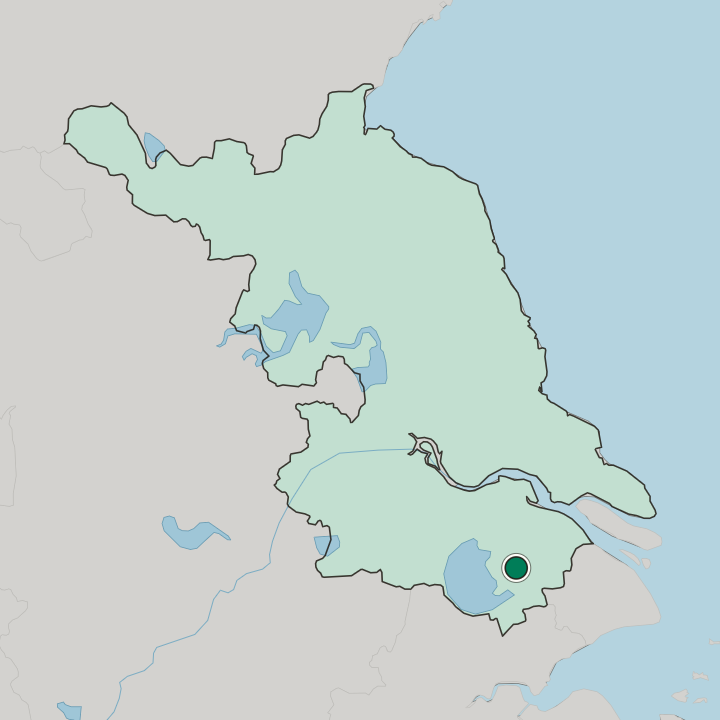
Suzhou sits on the low, water-laced plain of the Yangtze Delta in Jiangsu, crossed by the Grand Canal. Canals thread it. The old walled city stands where the waterways meet, and the land runs almost level toward the Yangtze Delta, with lakes and channels breaking the plain rather than hills.
This low, well-watered setting shaped a city of bridges, quays, and garden courts rather than ramparts and heights, and it kept Suzhou tied to the canal network that reaches across the delta.
What is the climate of Suzhou?
Suzhou has a humid subtropical climate on the Yangtze Delta, with hot, wet summers and cool, damp winters. Rain is heaviest in the warm months. The delta position keeps the air moist through much of the year, and the canals of Jiangsu hold that damp close over the old city.
Winters stay mild but grey and raw beside the water, while spring and autumn bring the gentler, drier spells that long suited the garden courts of Suzhou.
How do you get to Suzhou?
Suzhou sits on the rail and canal corridors of the Yangtze Delta in Jiangsu, close to the wider delta network. Trains reach it fast from Shanghai. The city stands on the Grand Canal, the old trade artery that still carries barge traffic across the delta, and modern rail lines follow much the same corridor between the delta cities.
Roads run east toward Shanghai and the coast, tying Suzhou into the dense transport belt that threads the Yangtze Delta.
Common questions
What is the best area to stay in Suzhou?
Old walled city: Best if you want the Classical Gardens of Suzhou and the canal lanes a short walk from bed, and accept a compact, busy grid.. Eastern delta districts: Best if you want a plainer modern base near the Yangtze Delta industry, with the gardens a short ride west..
Good for
More cities in Jiangsu
Updated September 2026