Denmark
Region Syddanmark, Denmark — Towns & Travel Guide
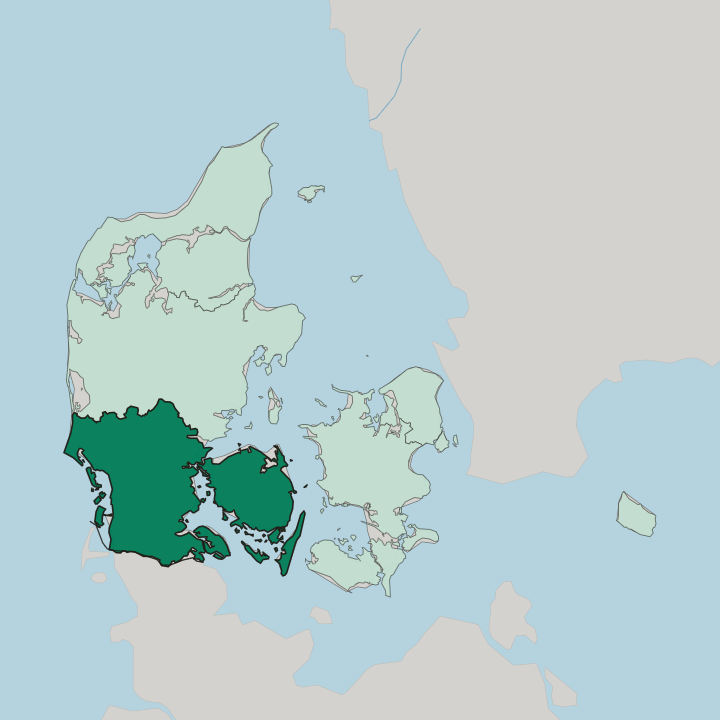
Southern Denmark is a region of southern Denmark spanning the lower Jutland peninsula and the island of Funen, with Odense as its hub city.
Hotel links are affiliate links: booking through them may earn us a commission, at no extra cost to you. It never affects how places are ranked. How this works


Towns & cities in Region Syddanmark
Pick a town or city — each links to where to stay.
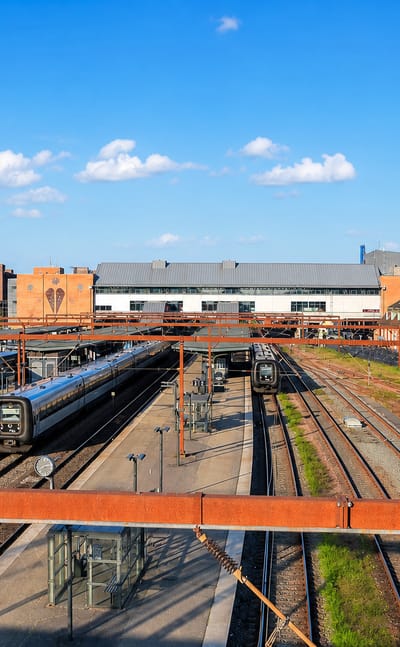
 Denmark
Odense
Odense is the old cathedral city of the island of Funen, in central Denmark, birthplace of Hans Christian Andersen.Where to stay →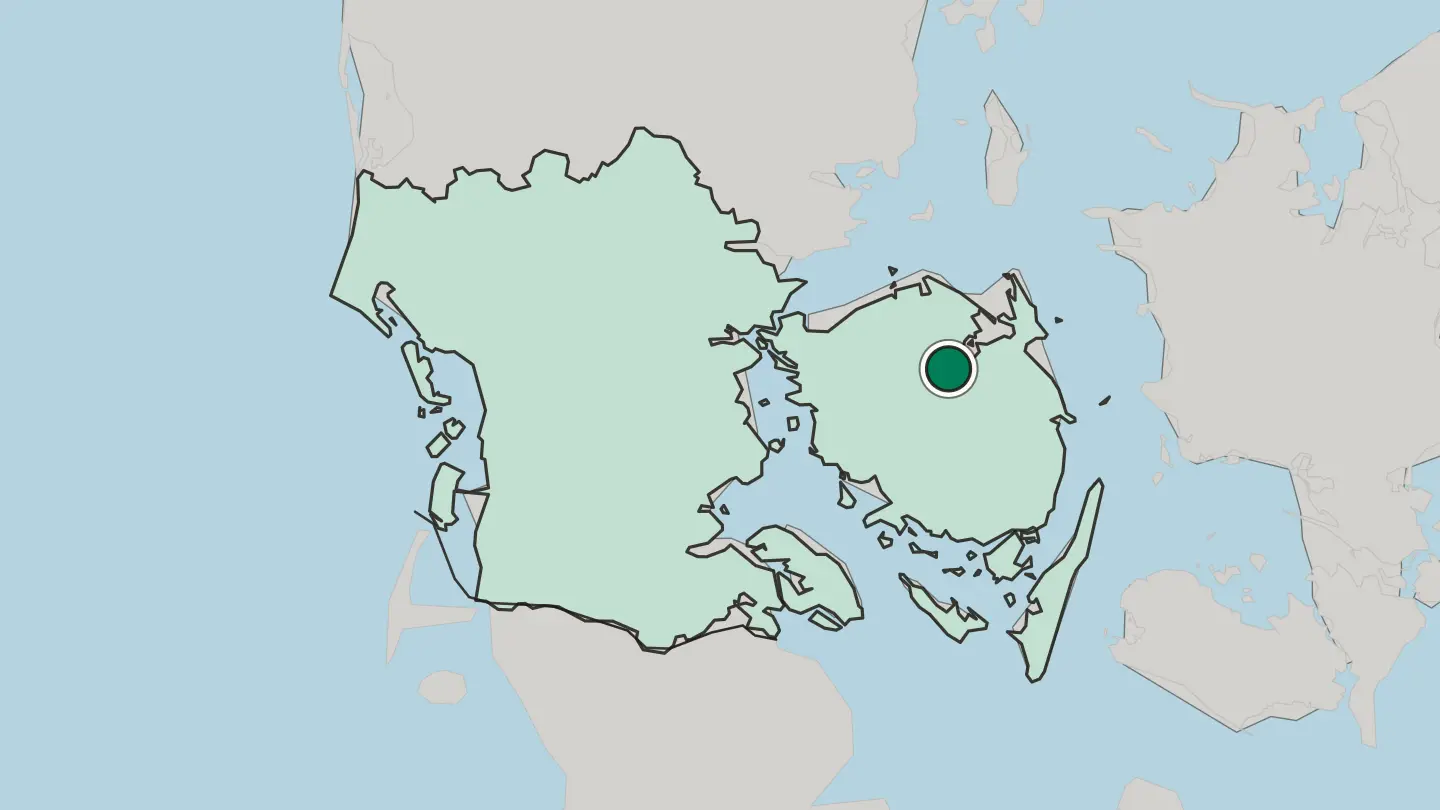
 Denmark
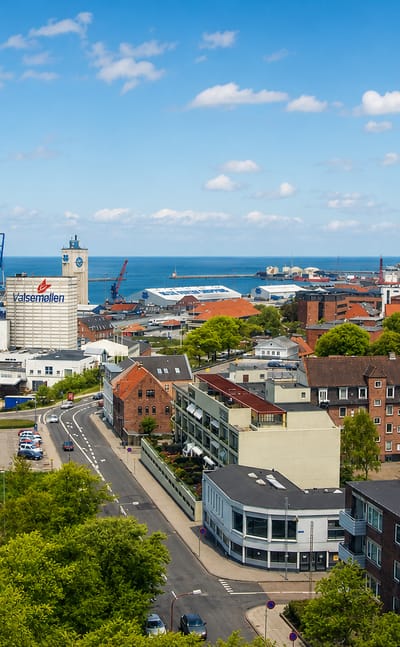
Esbjerg
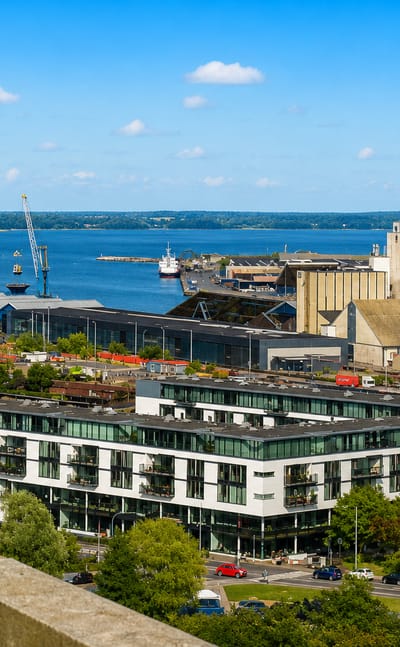
Esbjerg is the great seaport on the west coast of the Jutland peninsula, in southern Denmark.Where to stay →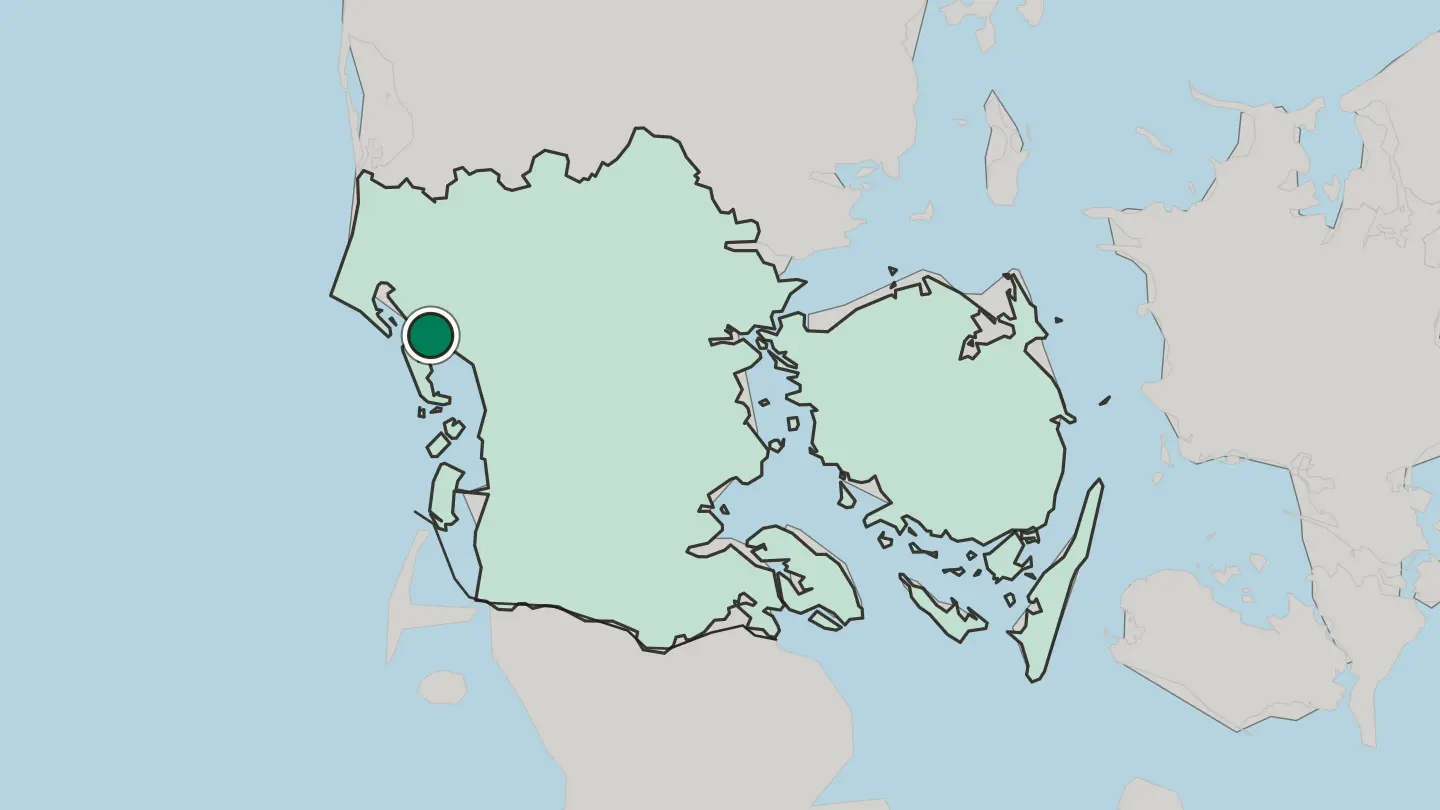
 Denmark
Kolding
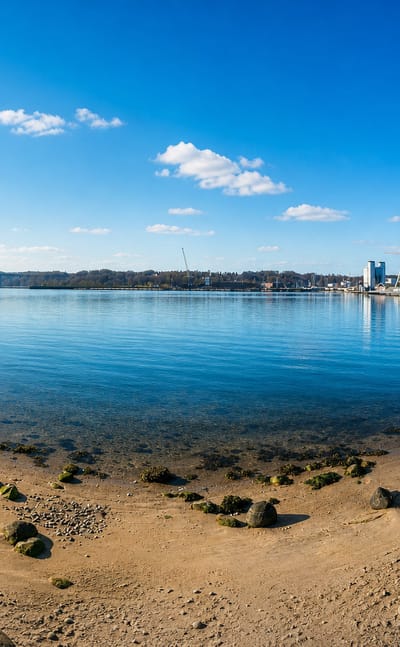
Kolding is an old royal castle town on the Jutland peninsula, in southern Denmark.Where to stay →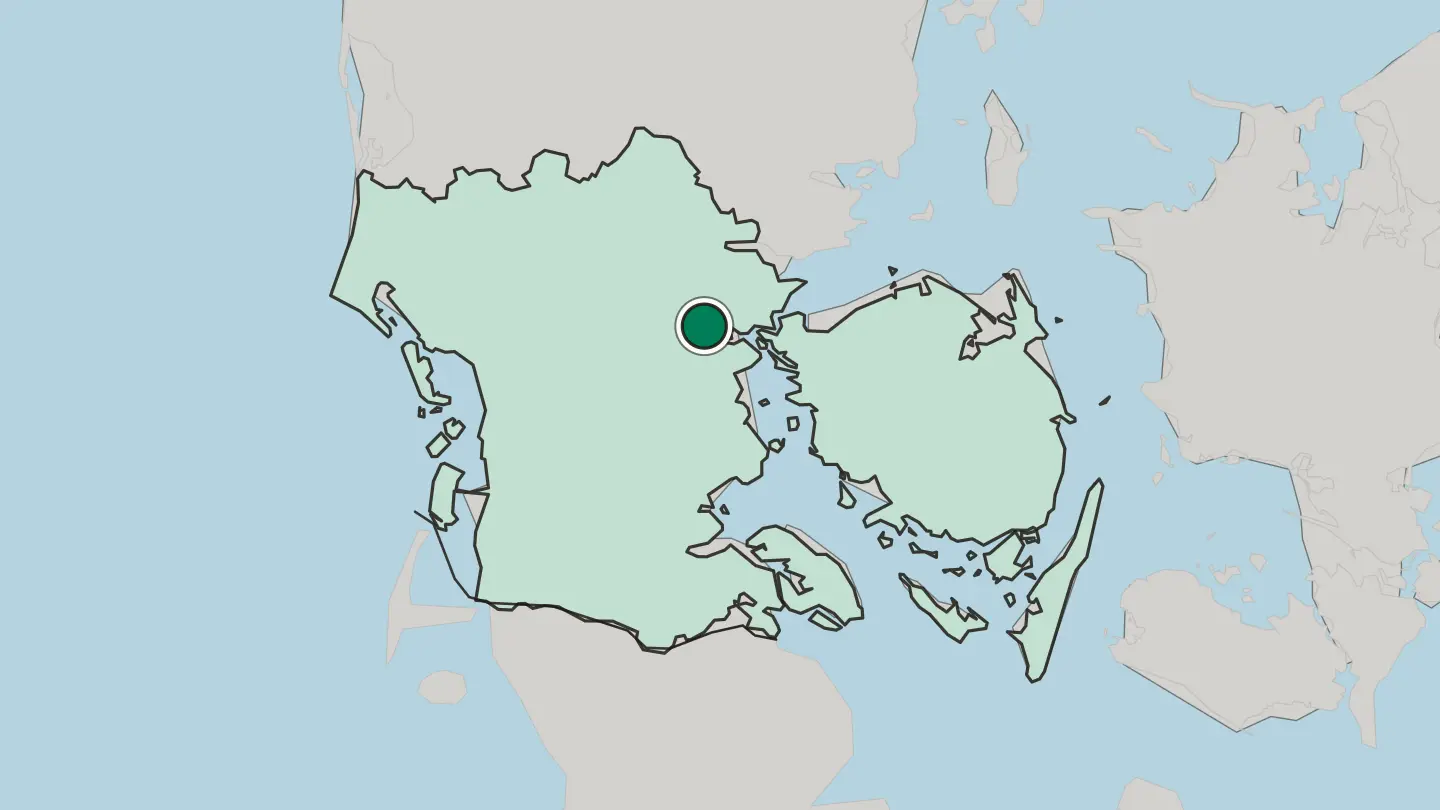
 Denmark
Vejle
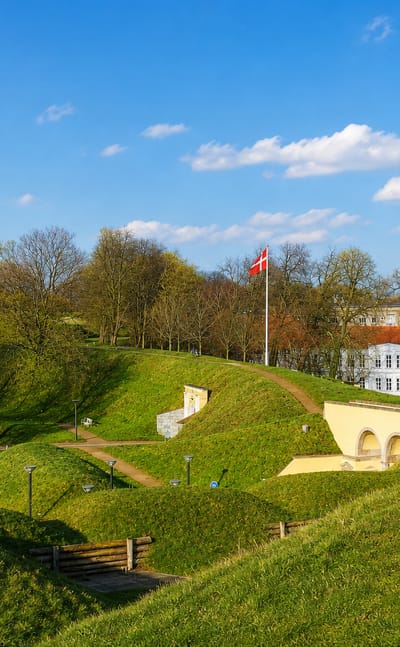
Vejle is an old market town at the head of an inlet on the Jutland peninsula, in southern Denmark.Where to stay →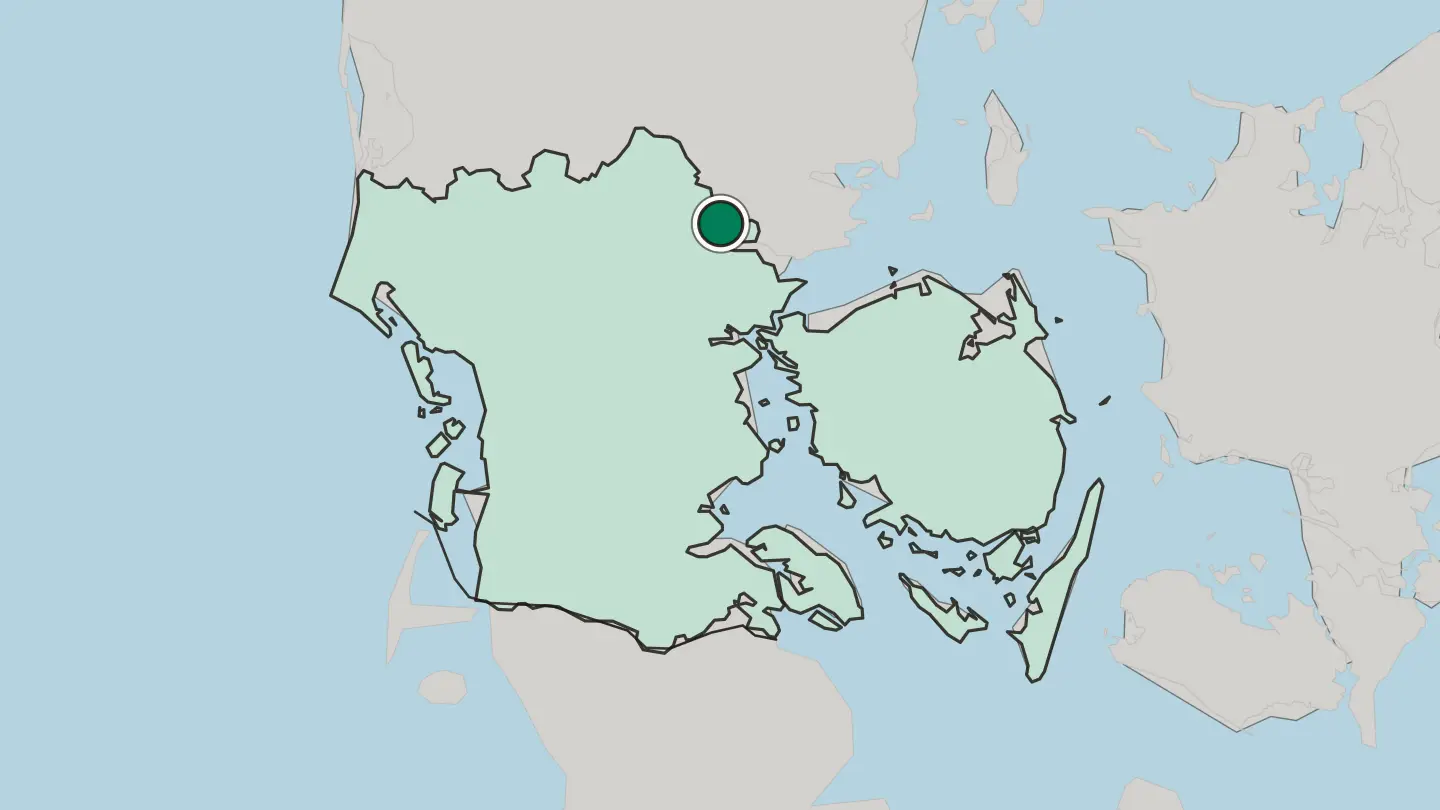
 Denmark
Fredericia
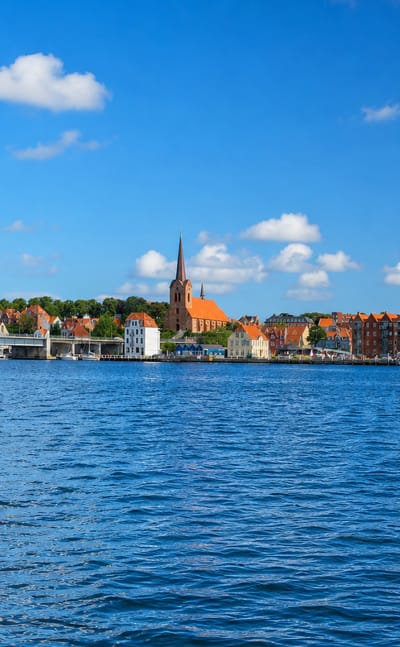
Fredericia is an old fortress town on the strait toward the island of Funen, in central Denmark.Where to stay →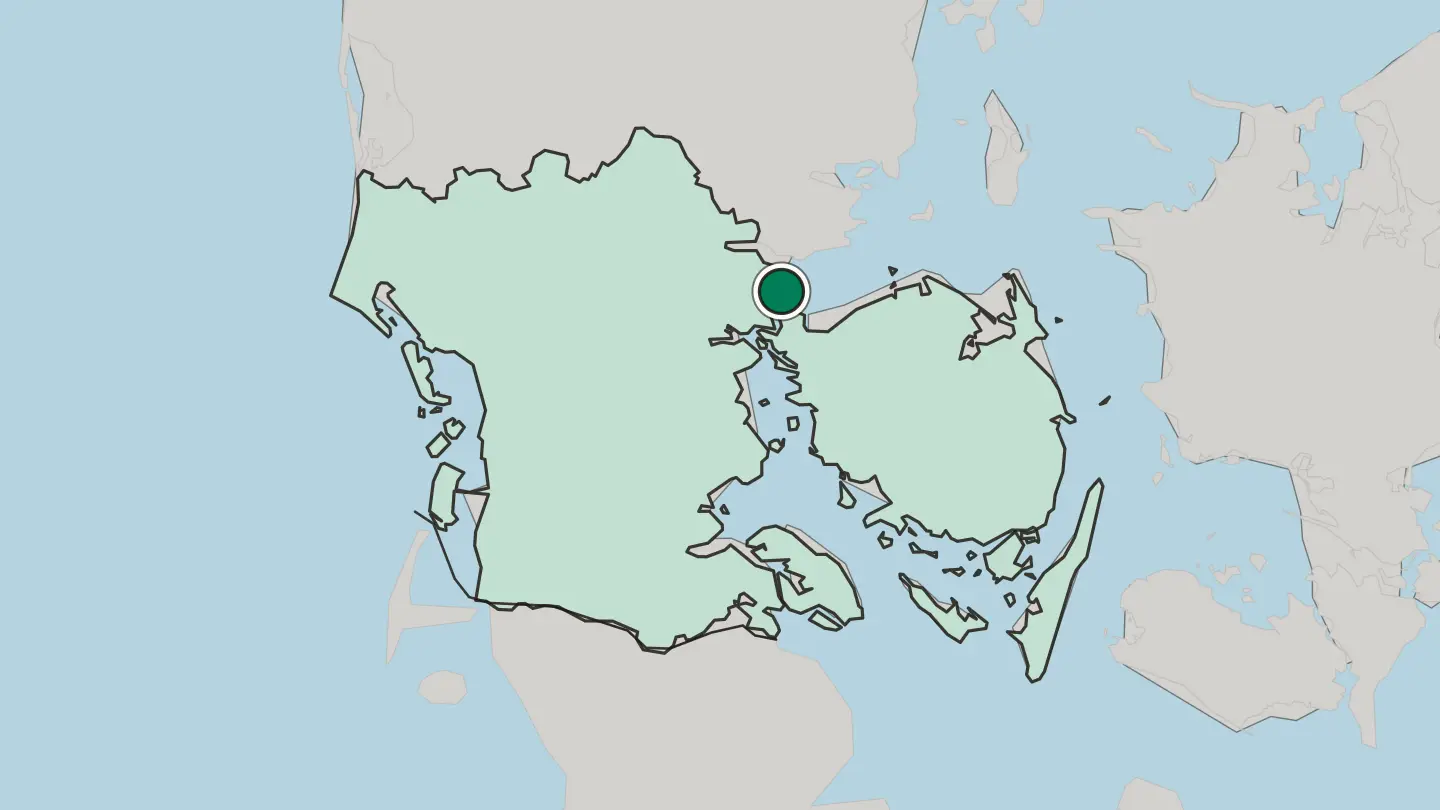
 Denmark
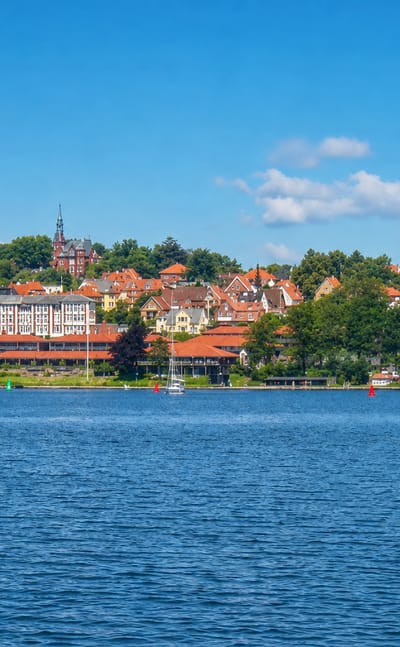
Sønderborg
Sønderborg is a town in southern Denmark, on the island of Als near the German border, the seat of Sønderborg Municipality.Where to stay →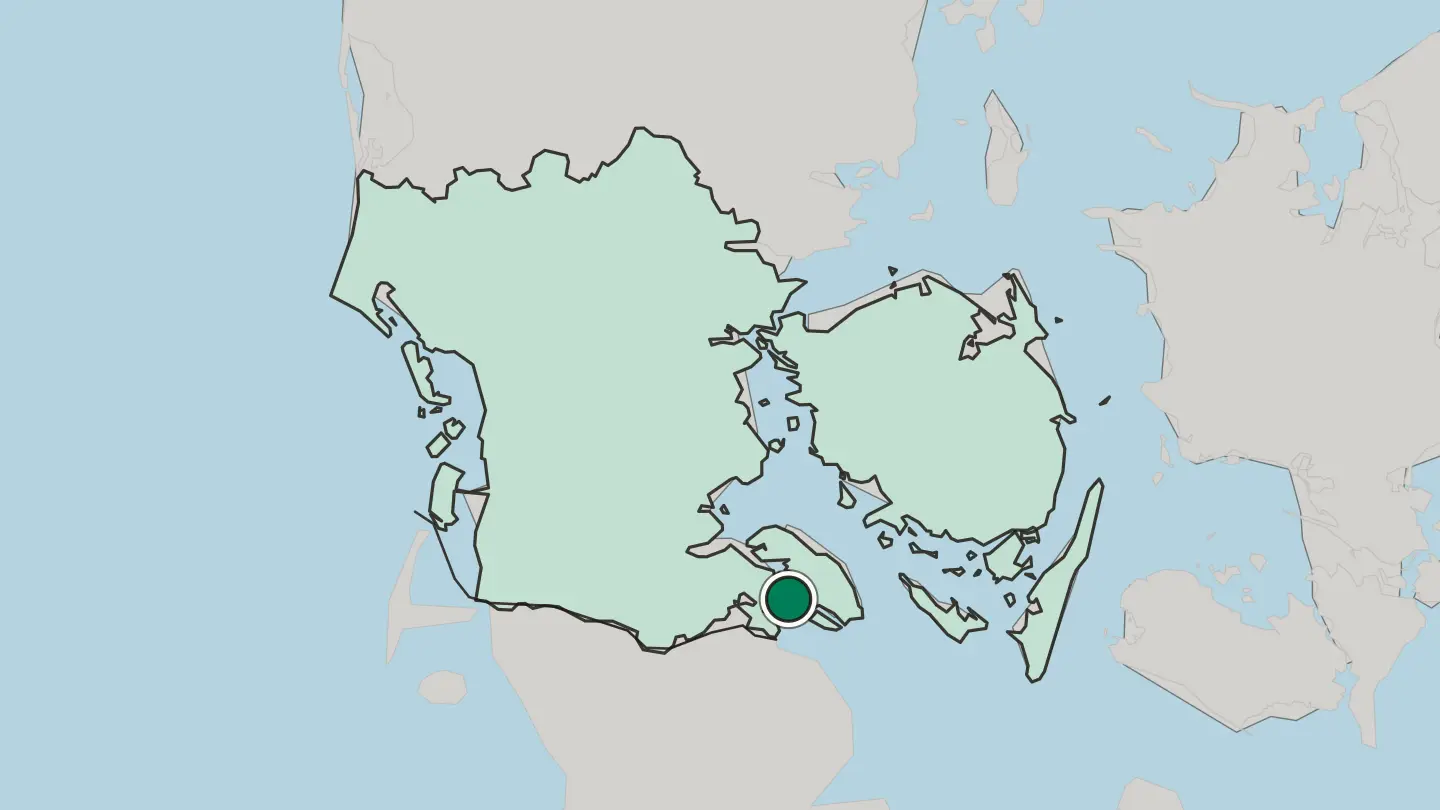
 Denmark
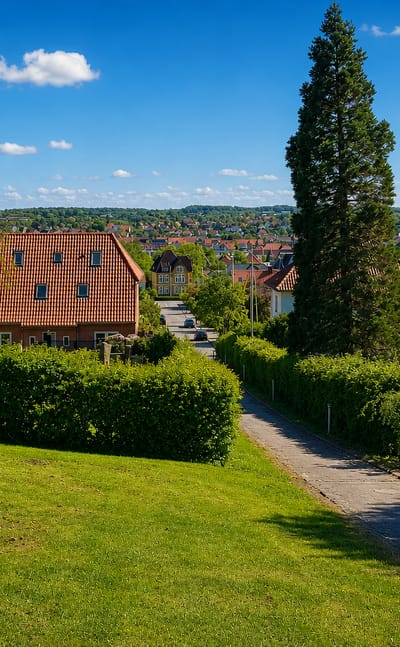
Svendborg
Svendborg is a harbour town in central Denmark, on the island of Funen, the seat of Svendborg Municipality.Where to stay →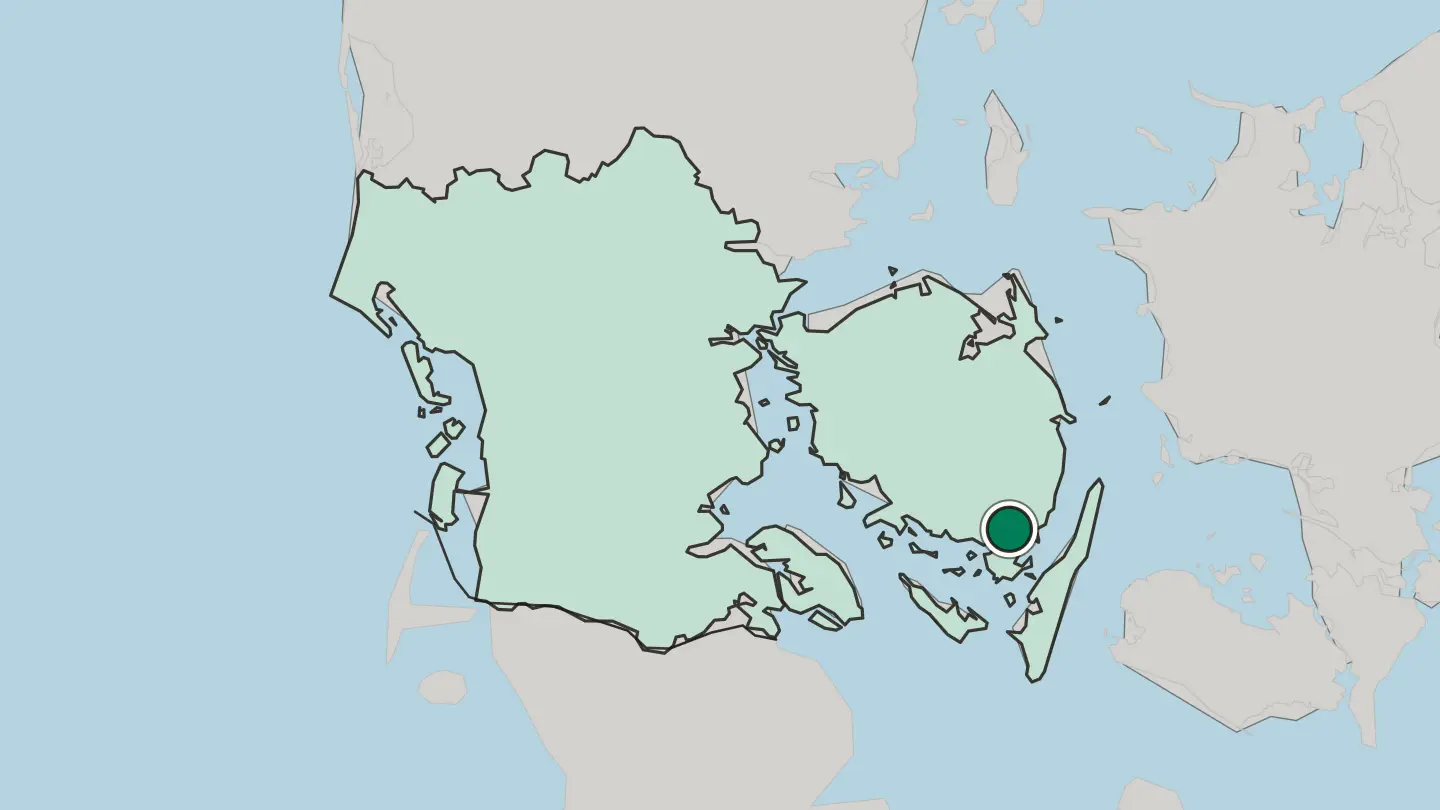
 Denmark
Haderslev
Haderslev is a town in southern Denmark, on the Jutland peninsula, the seat of Haderslev Municipality.Where to stay →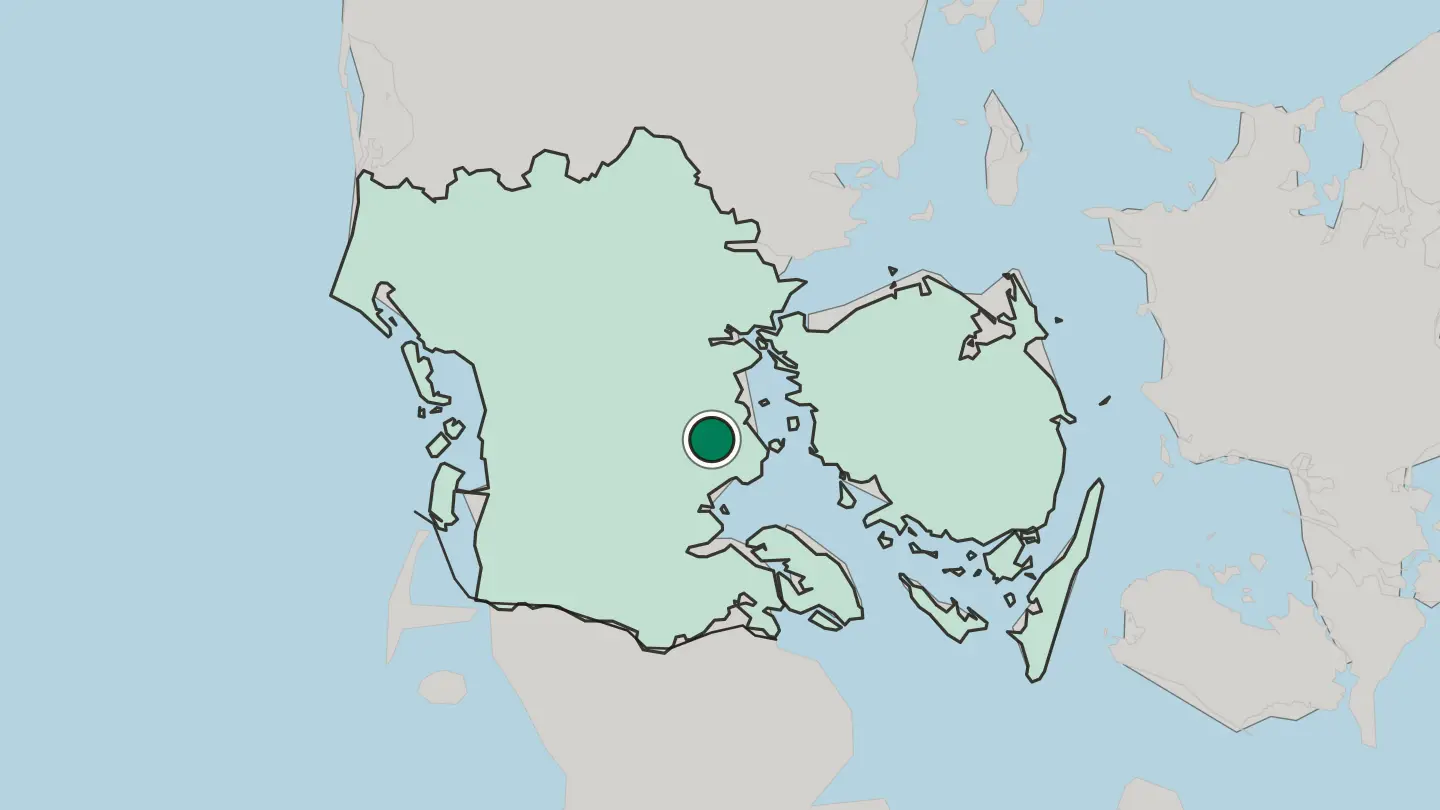
All towns & cities (23)
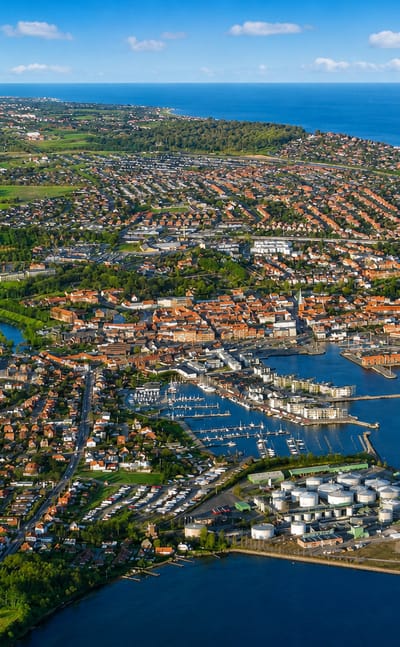 Denmark
Nyborg
Nyborg is a harbour town in central Denmark, on the eastern coast of Funen, the seat of Nyborg Municipality.Where to stay →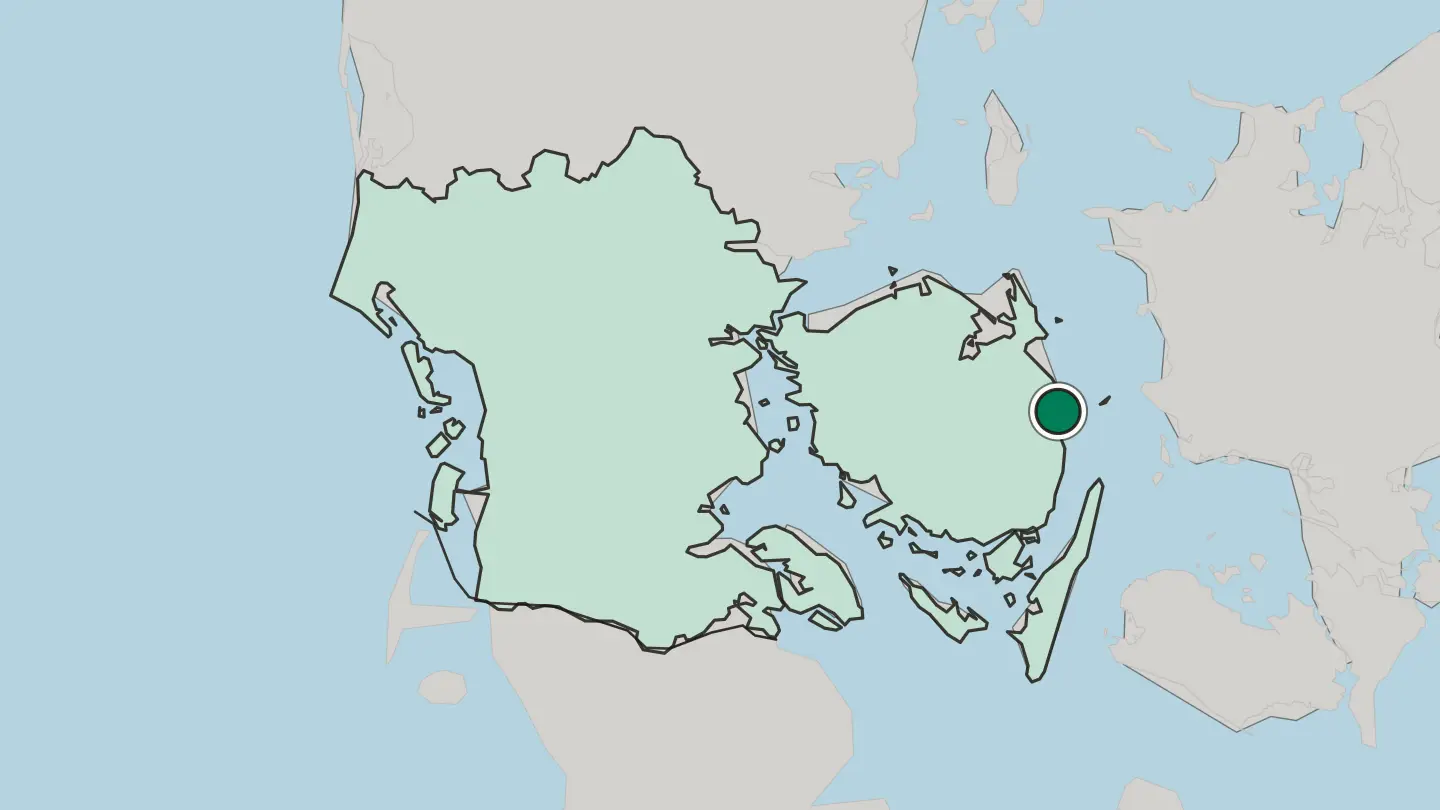
 Denmark
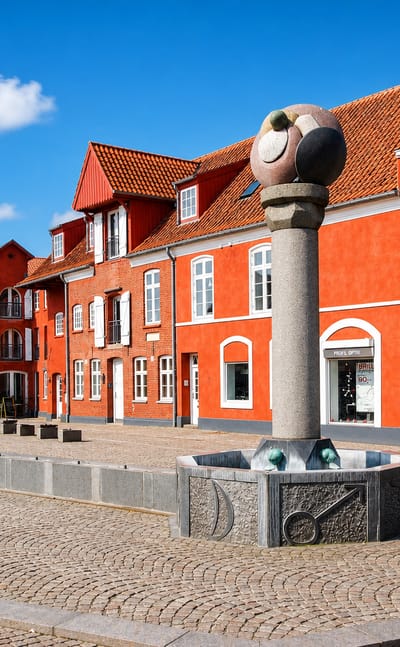
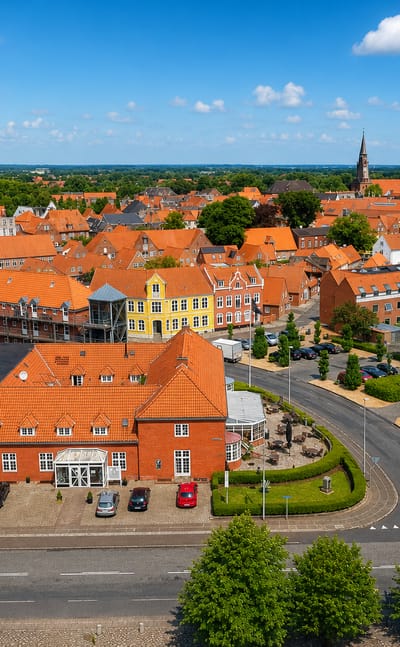
Aabenraa
Aabenraa is a harbour town in southern Denmark, on the east coast of the Jutland peninsula, the seat of Aabenraa Municipality.Where to stay →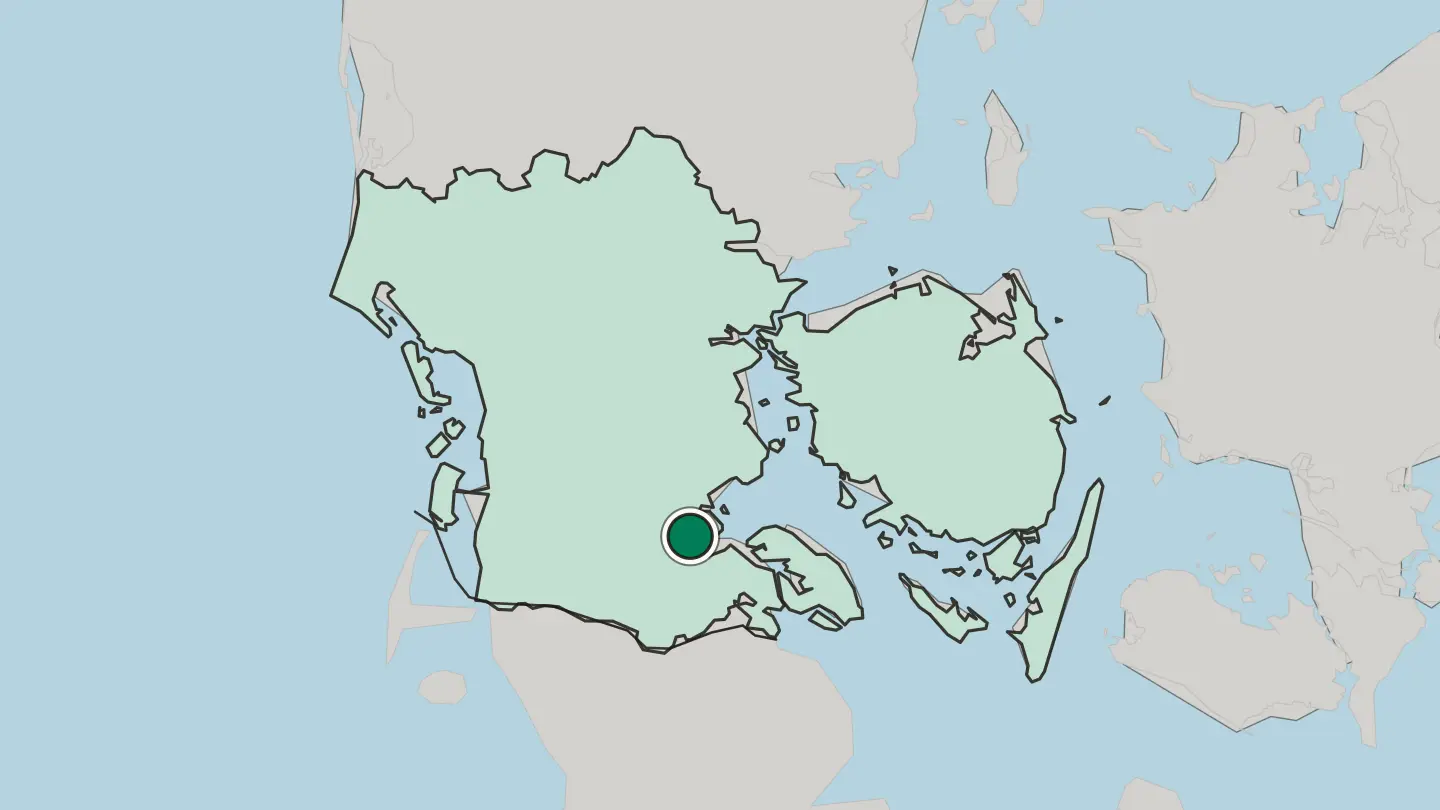
 Denmark
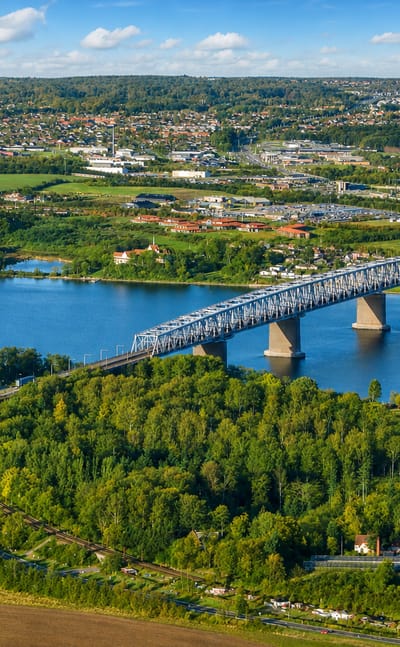
Tønder
Tønder is a market town in southern Denmark, on the Jutland marshes near the German border, the seat of Tønder Municipality.Where to stay →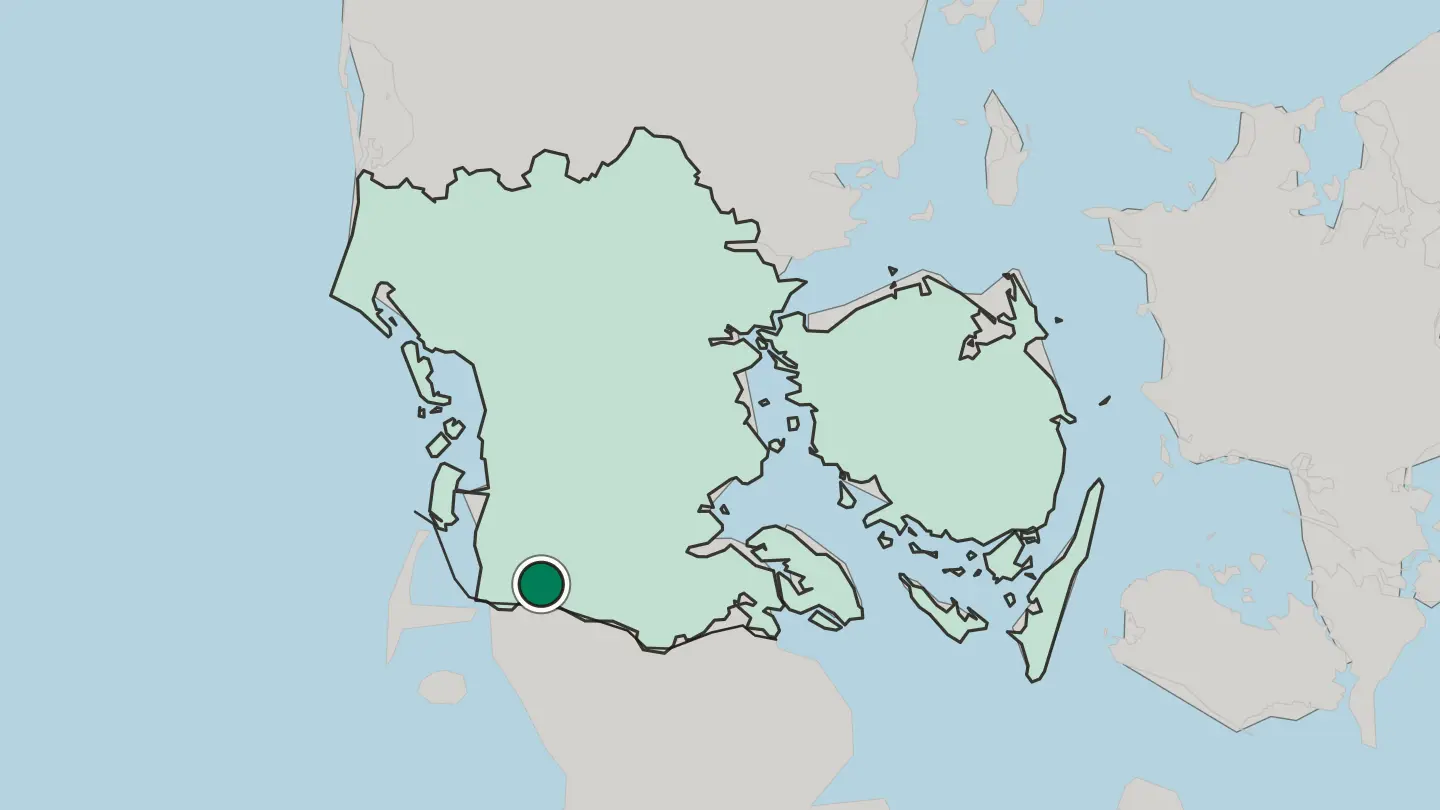
 Denmark
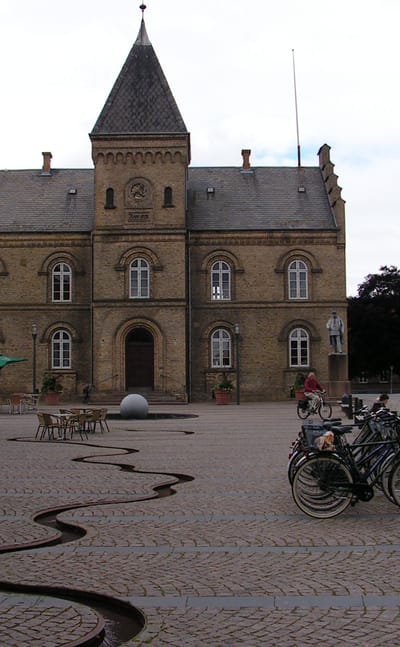
Middelfart
Middelfart is a town in central Denmark, on the island of Funen, and seat of Middelfart Municipality.Where to stay →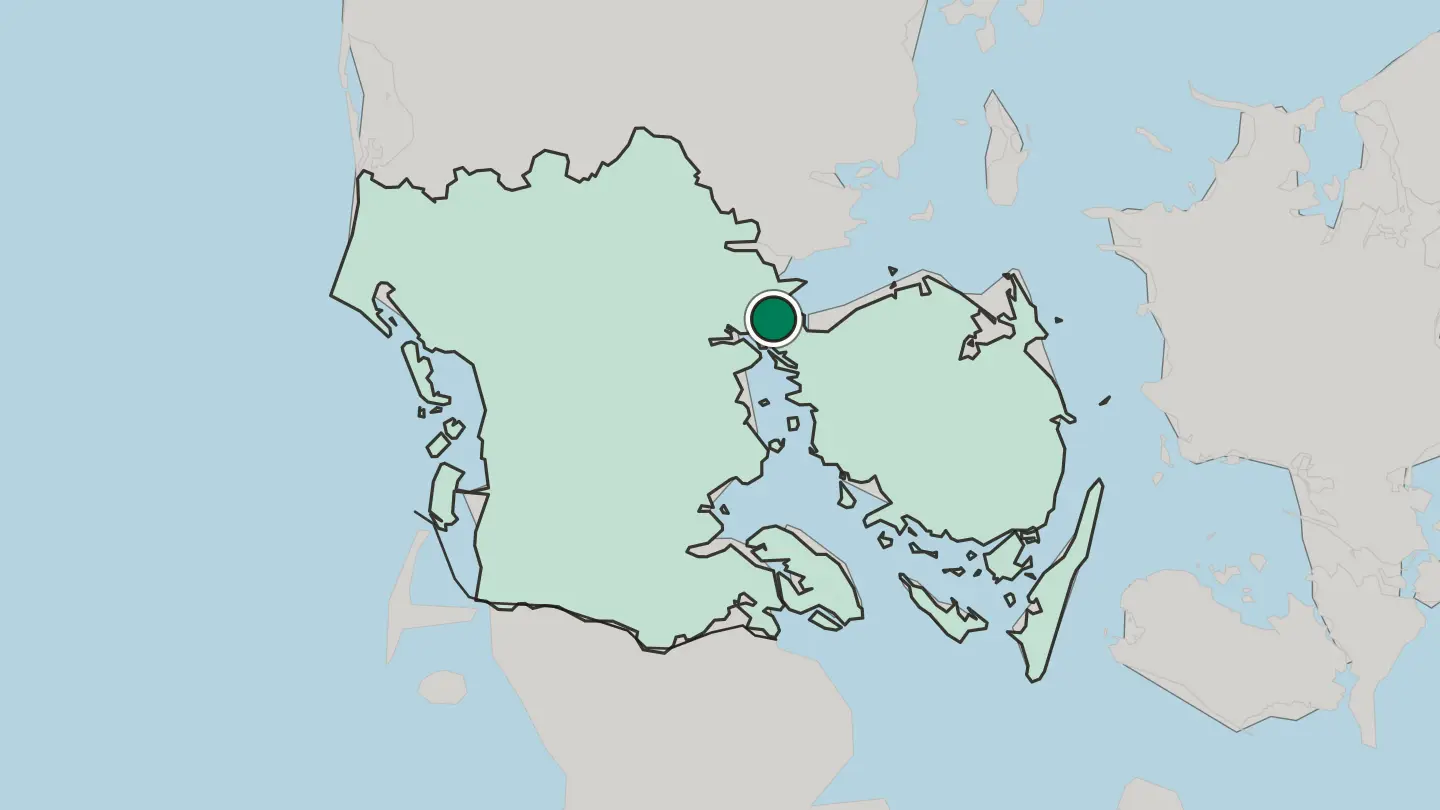
 Denmark
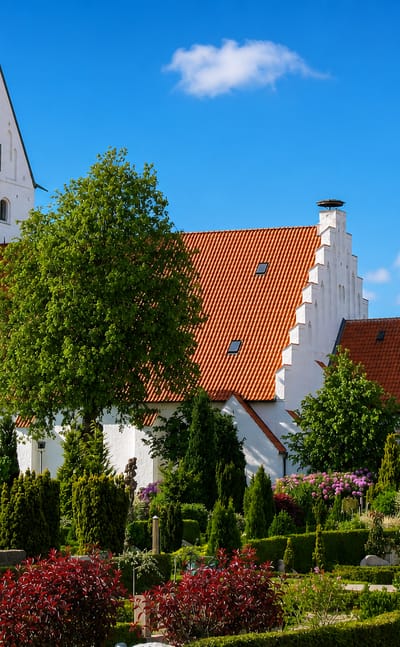
Varde
Varde is a town in southern Denmark, on the Jutland peninsula, and seat of Varde Municipality.Where to stay →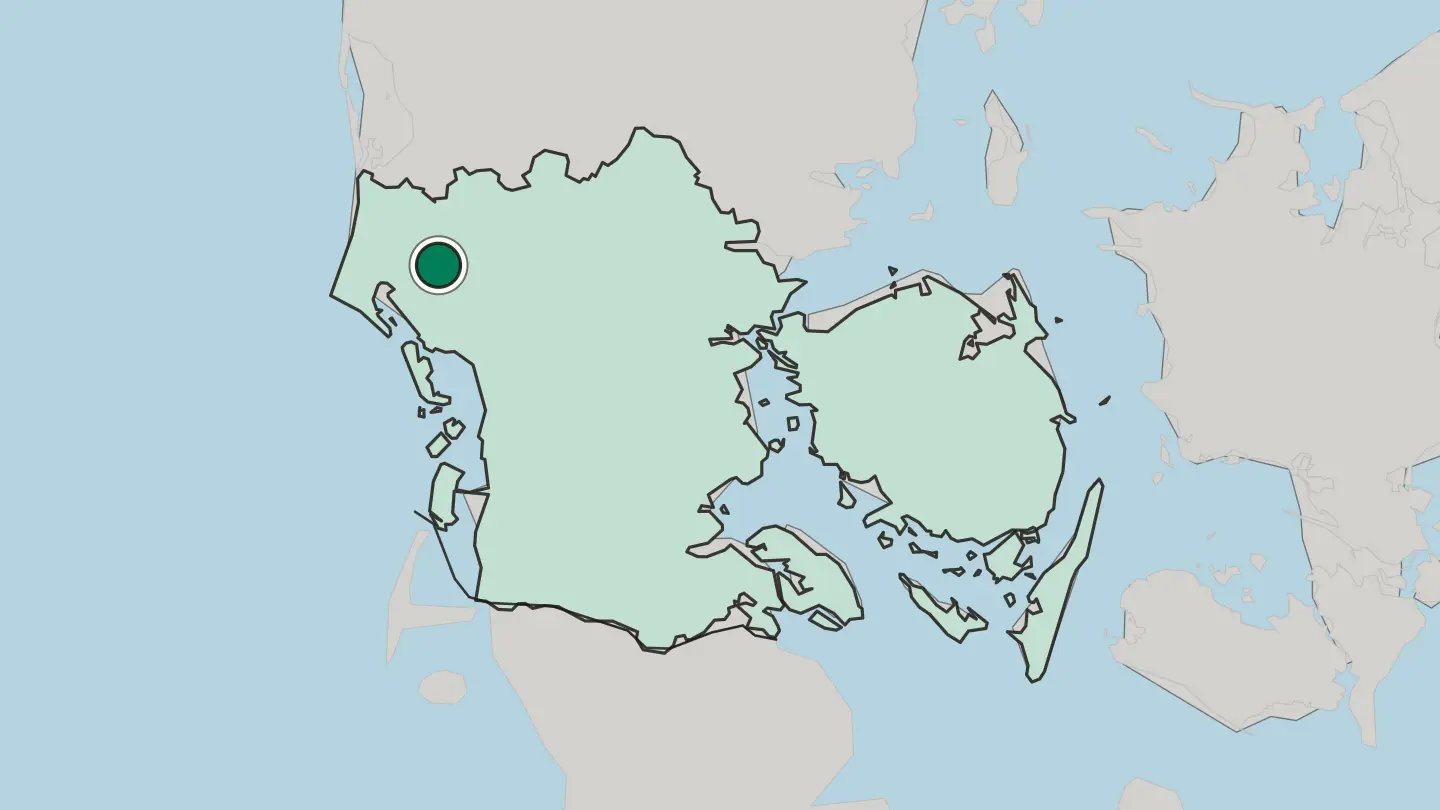
 Denmark
Grindsted
Grindsted is a town in southern Denmark, on the Jutland peninsula, in Billund Municipality.Where to stay →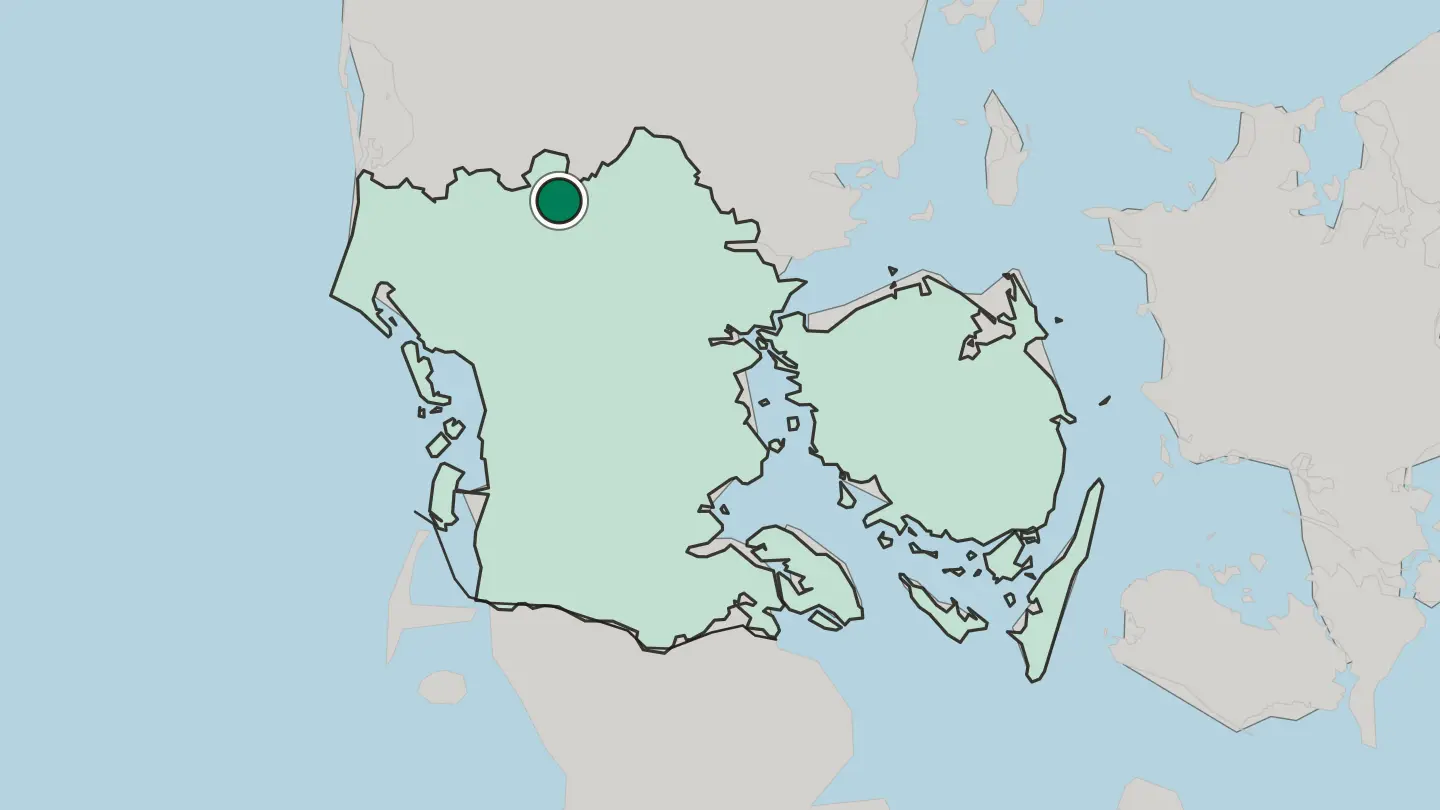
 Denmark
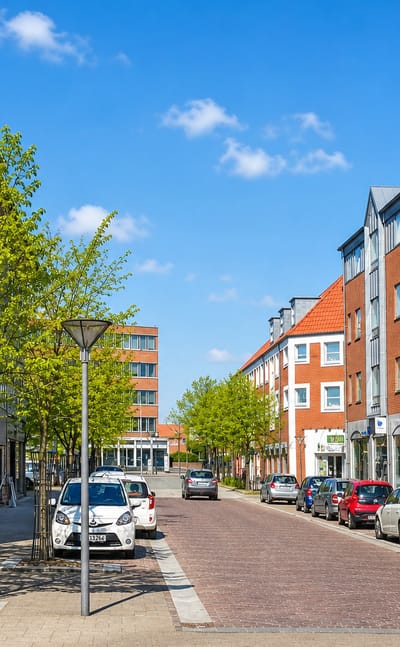
Vejen
Vejen is the main town of Vejen Municipality, in southern Denmark, on the Jutland peninsula.Where to stay →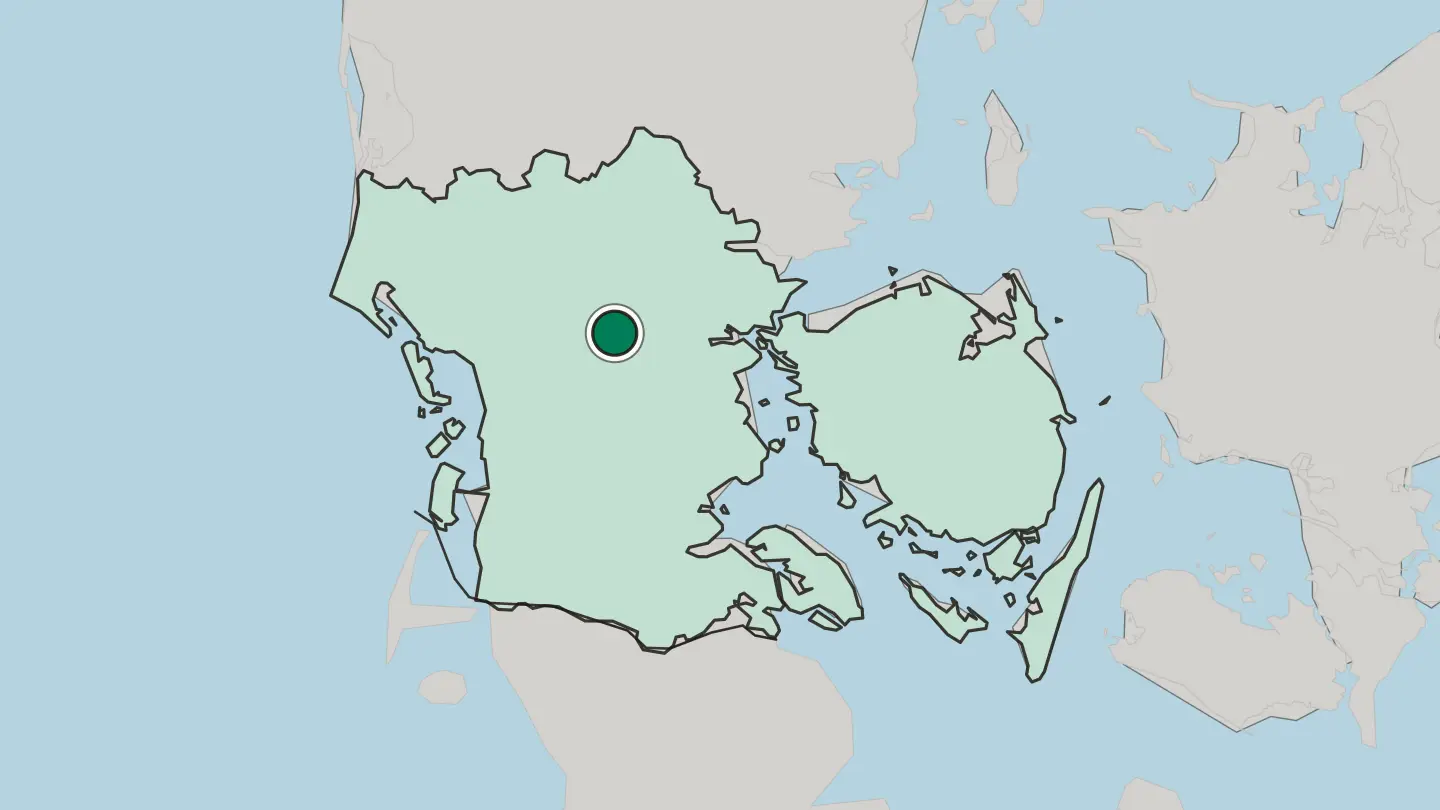
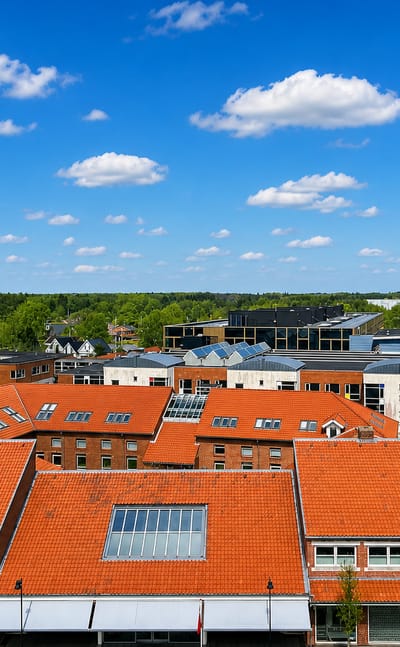 Denmark
Billund
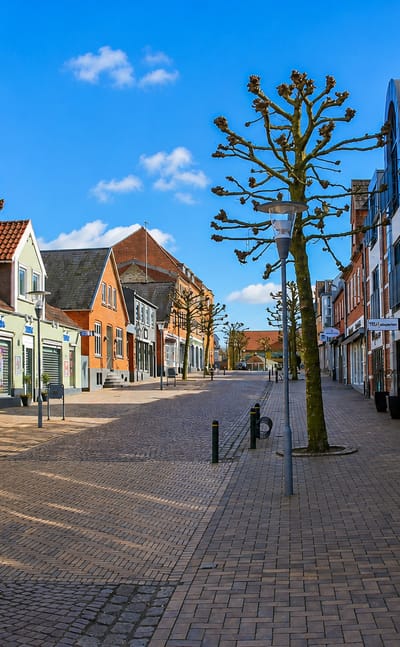
Billund is a town in southern Denmark, on the Jutland peninsula, and seat of Billund Municipality.Where to stay →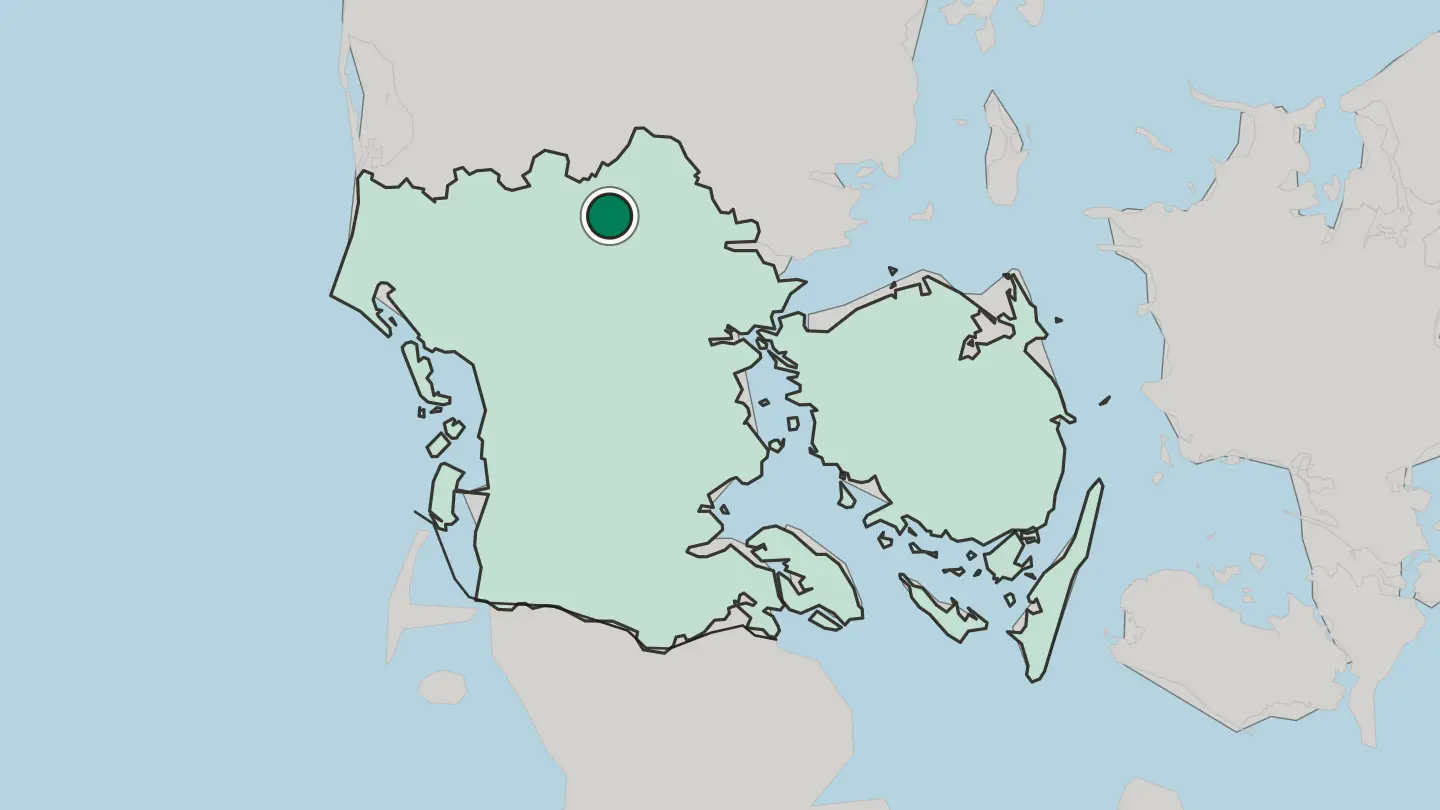
 Denmark
Ringe
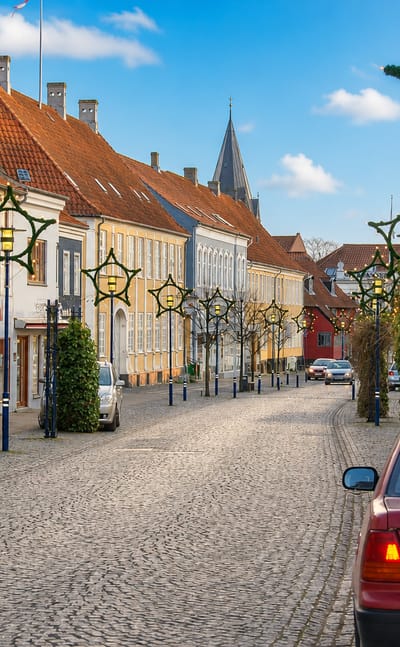
Ringe is a town in central Denmark, on the island of Funen, in Faaborg-Midtfyn Municipality.Where to stay →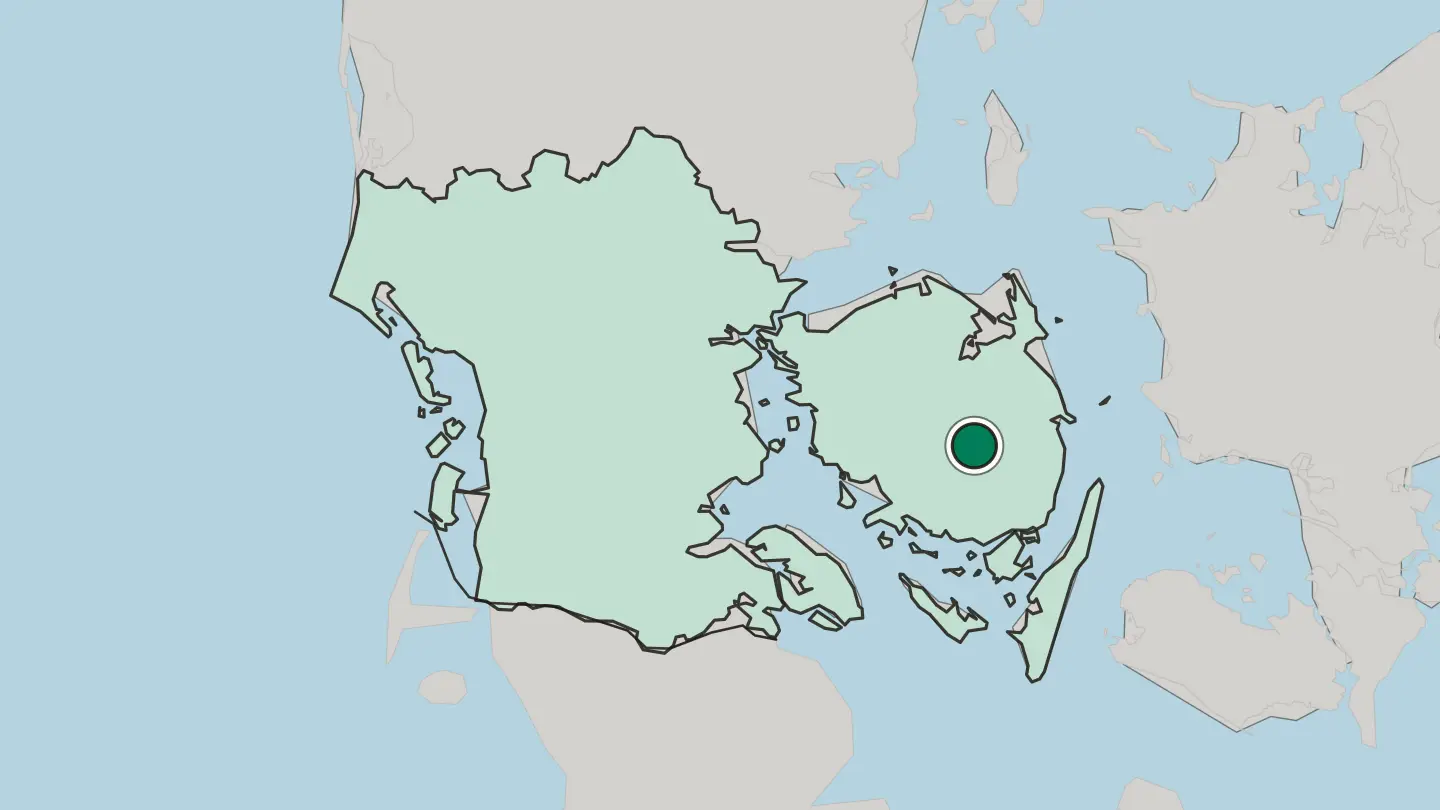
 Denmark
Assens
Assens is an old harbour town on the west coast of Funen, in central Denmark.Where to stay →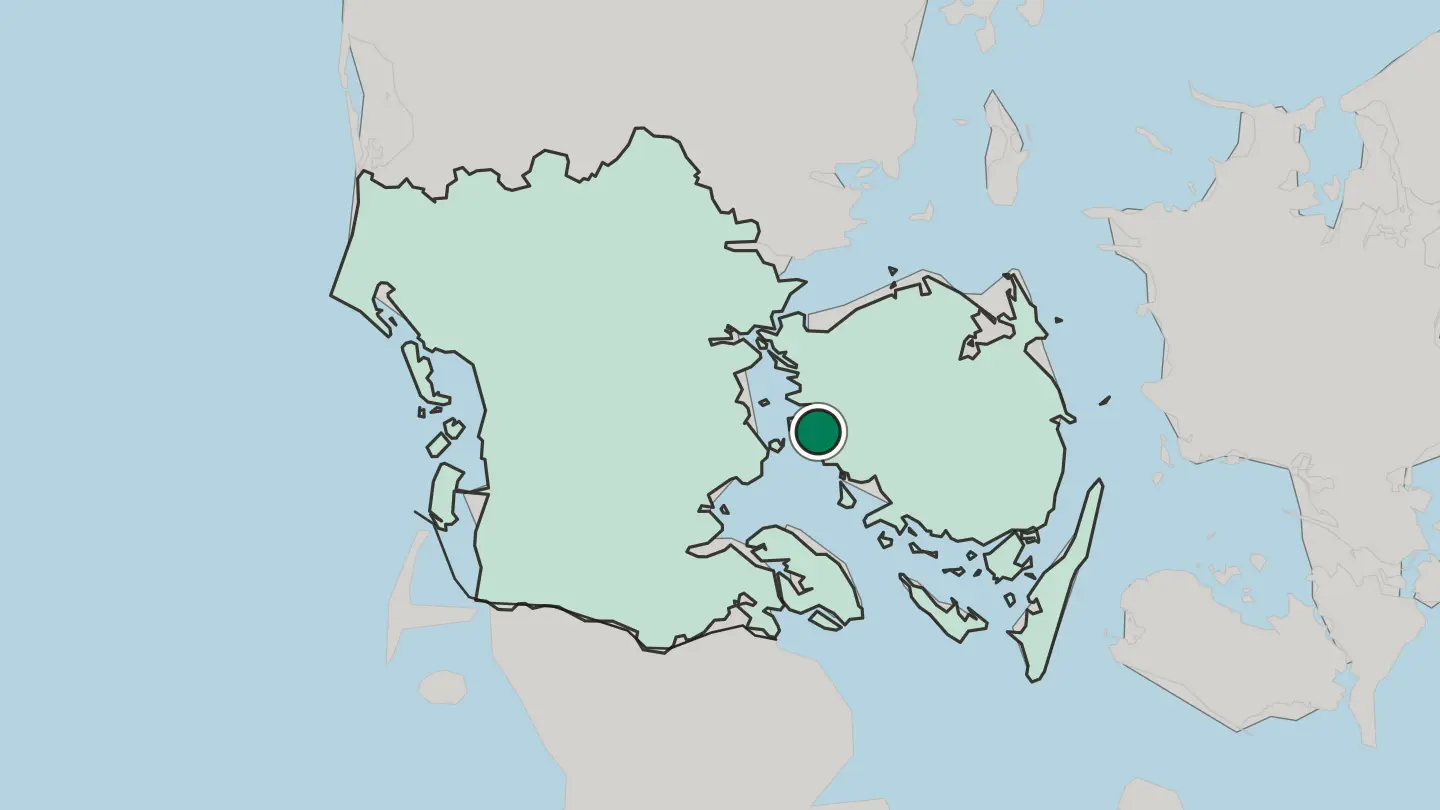 Denmark
Kerteminde
Kerteminde is a fishing and museum town on the north-east coast of Funen, in central Denmark.Where to stay →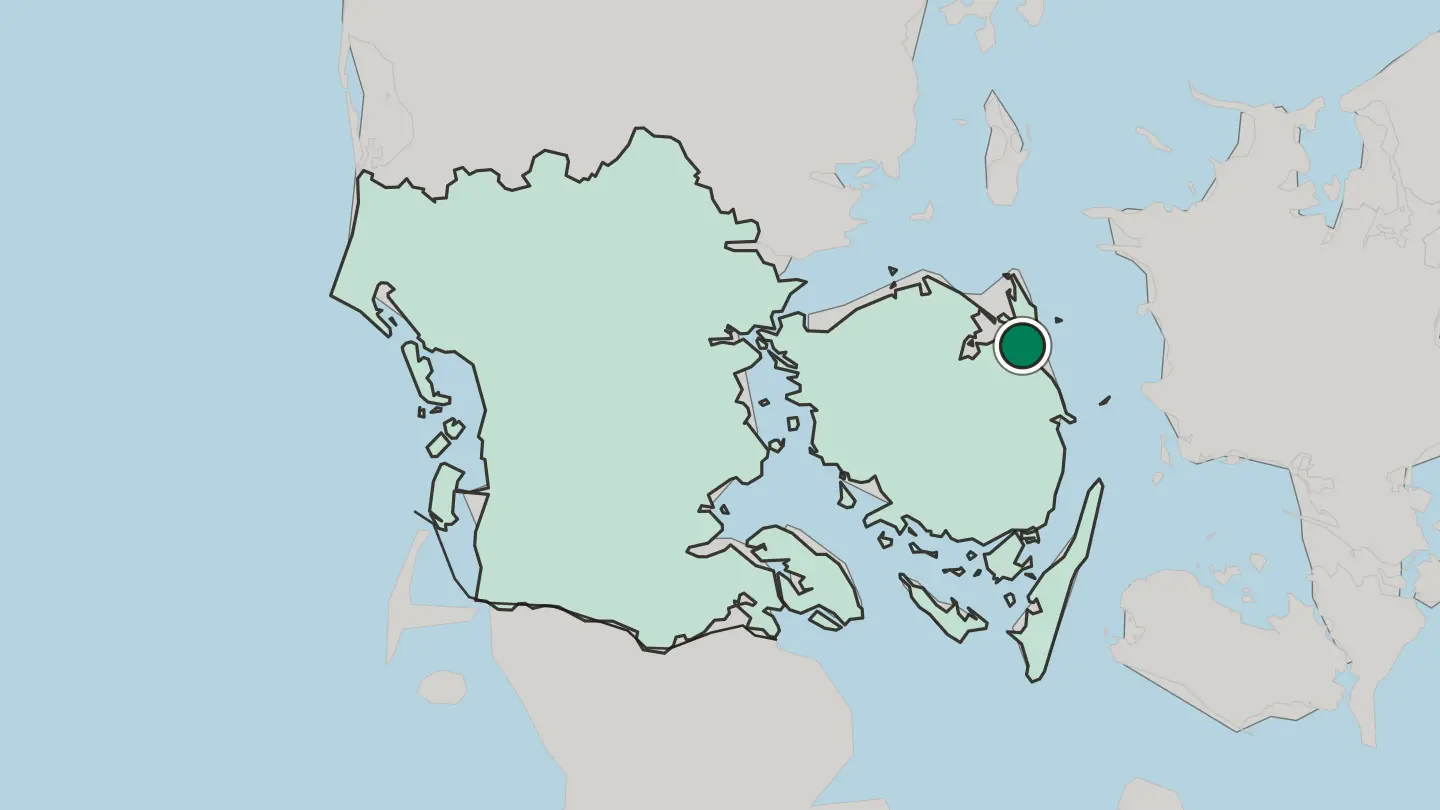
 Denmark
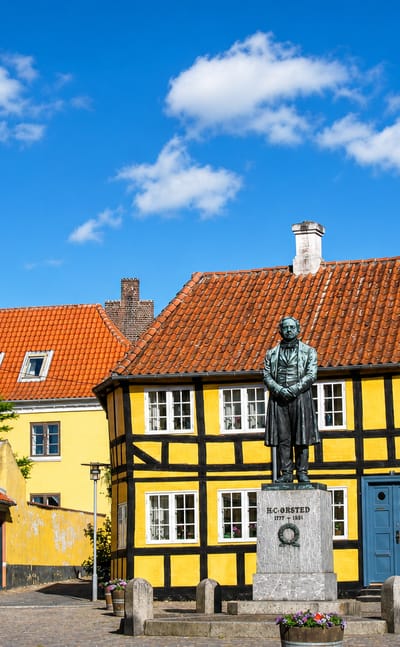
Rudkøbing
Rudkøbing is the main town of the island of Langeland, on its west coast in southern Denmark.Where to stay →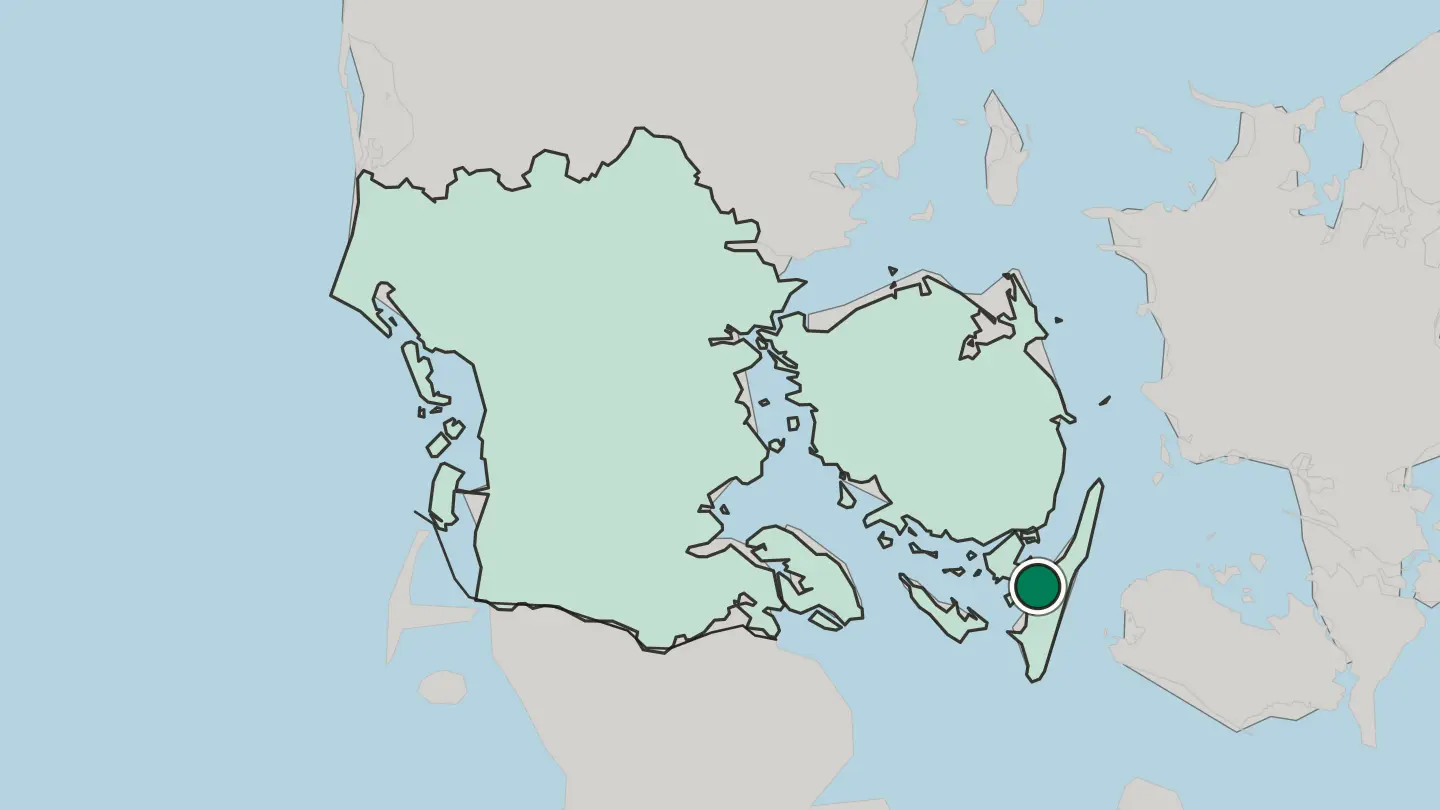
 Denmark
Bogense
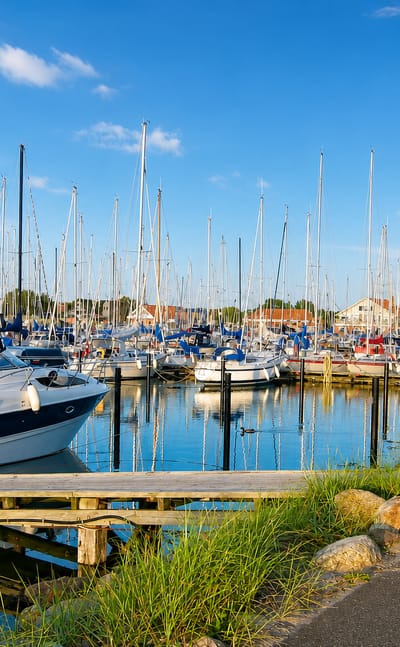
Bogense is an old harbour town on the north coast of Funen, in central Denmark.Where to stay →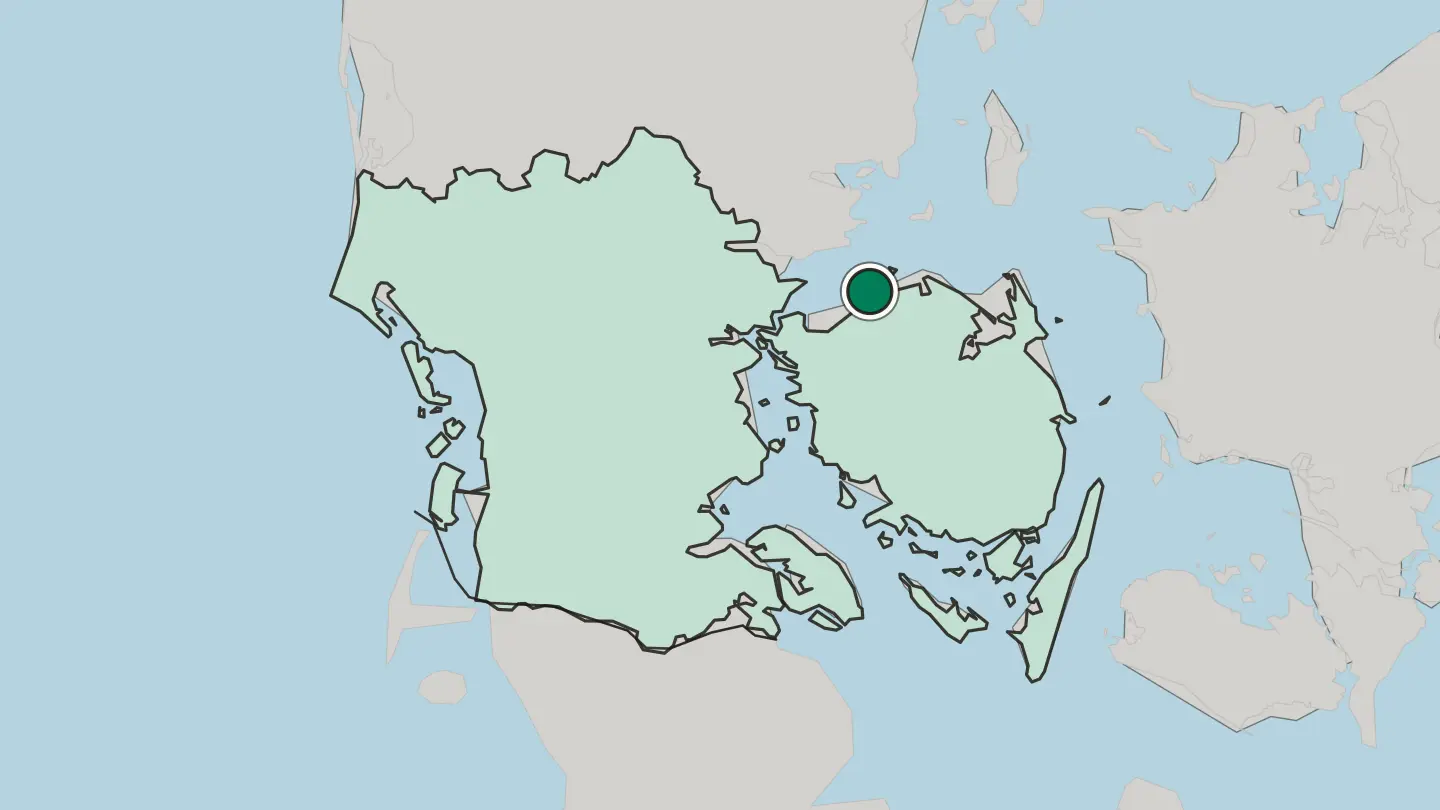
 Denmark
Nordby
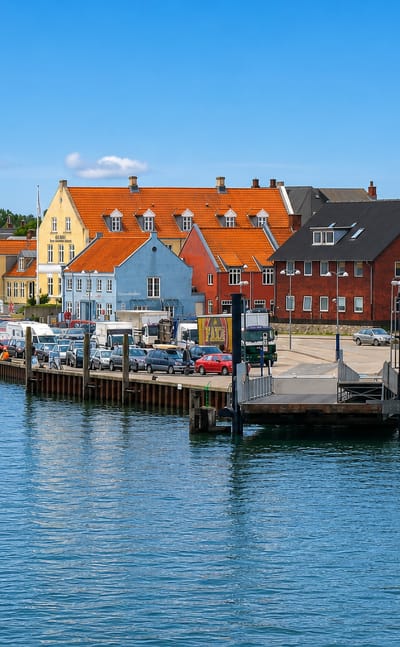
Nordby is a small town near Esbjerg, in southern Denmark, on the Jutland peninsula.Where to stay →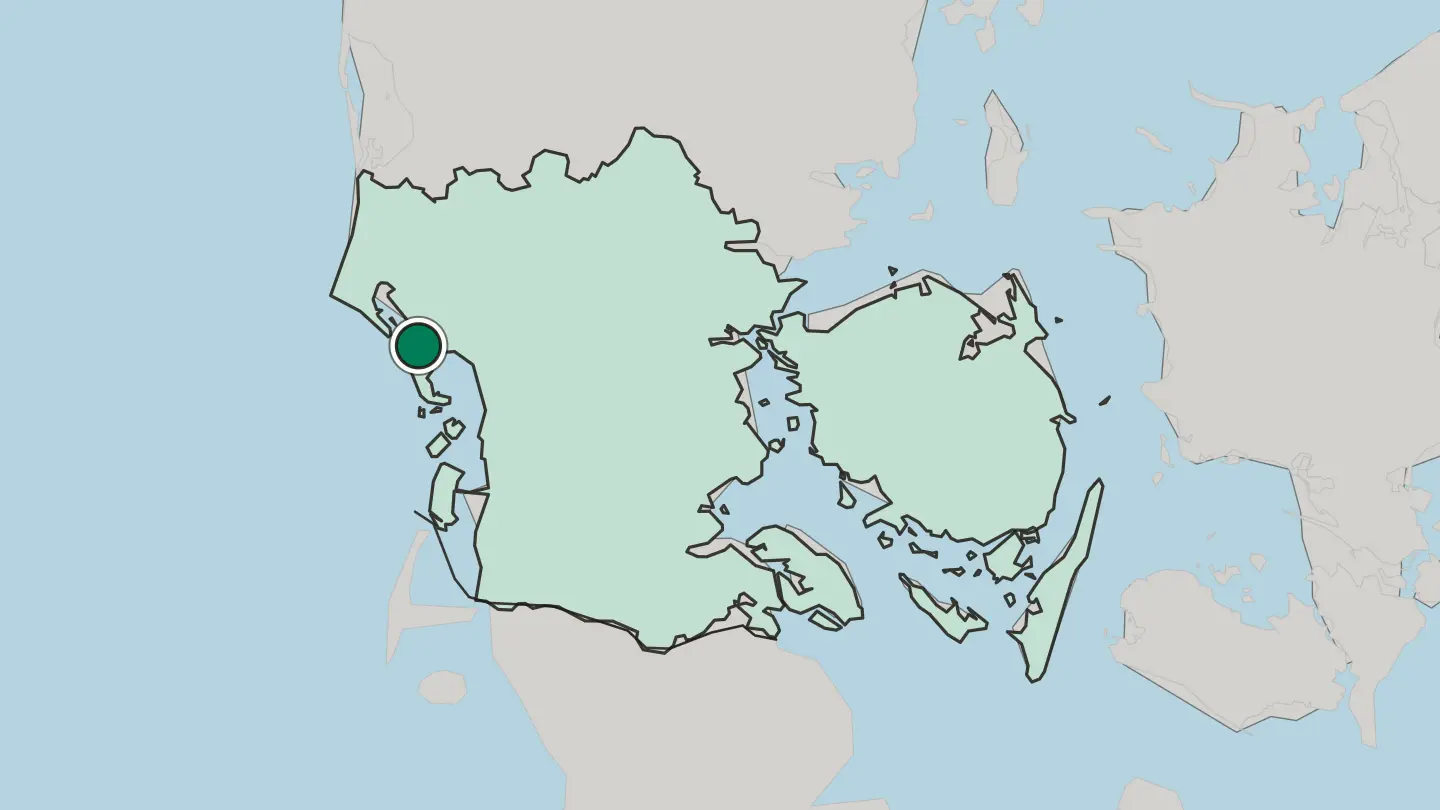
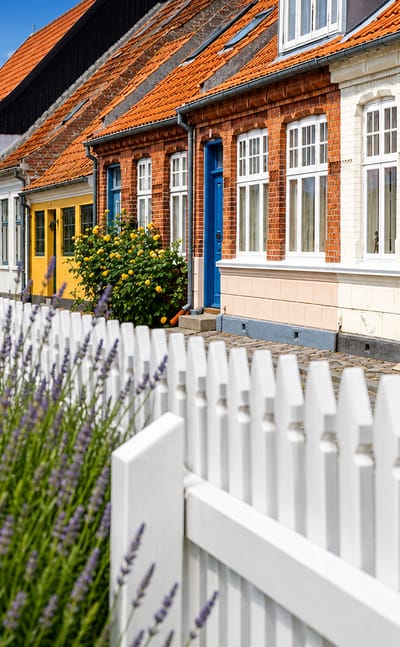 Denmark
Ærøskøbing
Ærøskøbing is the old town of the island of Ærø, in southern Denmark.Where to stay →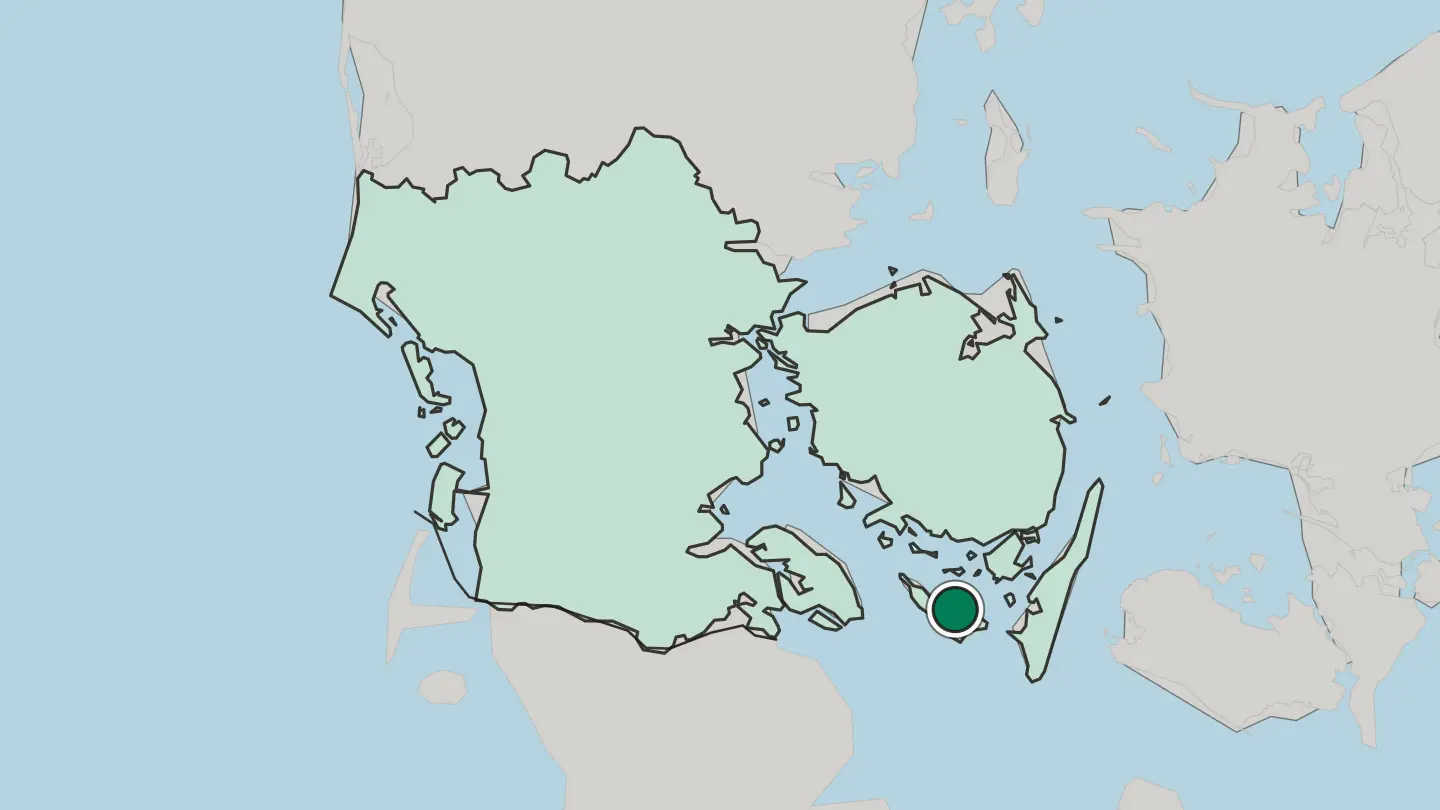
Hotel links are affiliate links: booking through them may earn us a commission, at no extra cost to you. It never affects how places are ranked. How this works
About Region Syddanmark
What is Region Syddanmark known for?
This is the country's southern doorway. The region covers southern Denmark across the lower Jutland peninsula and the island of Funen, running from the North Sea port of Esbjerg in the west to the old border towns near Germany, and it is known above all for Odense, Funen's great city. Inland and along the coast it holds the trading towns of Kolding, Vejle, and Fredericia and the harbour of Sønderborg.
The German line is close.
Where is Region Syddanmark?
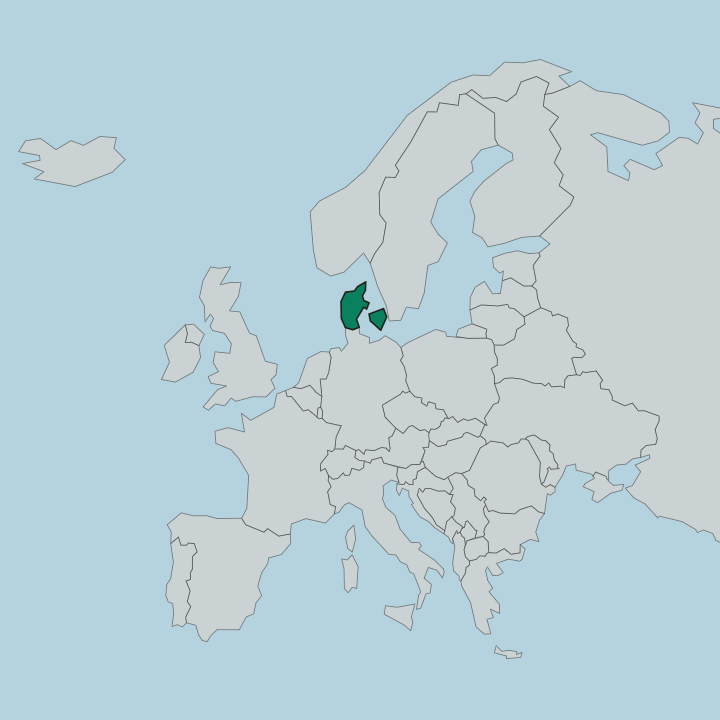
Southern Denmark covers the lower reach of the Jutland peninsula together with the island of Funen, straddling the inner straits that part the mainland from the isles. In the west it meets the North Sea along the low marsh-and-dune coast at Esbjerg, and the land rolls eastward through the fjord country of Kolding and Vejle to the sheltered eastern shore and the bridge crossing to Funen. The peninsula carries the country's only land border.
To the south the ground runs down to Germany past the old border towns of Sønderborg and Aabenraa, while across the water Odense and the harbour of Svendborg sit in the gentle farm-and-orchard country of the island. Water and the border shape the whole region. The North Sea marshes, the deep eastern fjords, the strait between Jutland and Funen, and the southern land line each set a different edge, and together they make a region of crossings, ports, and bridges.
The land itself stays low and green. From the windswept western marshes to the soft farmland of Funen, the region of southern Denmark threads mainland and island into one across its straits and its single border with the Continent.
What is Region Syddanmark like?
Life here is marked by the border and the sea. The southern Jutland towns of Sønderborg and Aabenraa carry a long bicultural memory of the old frontier with Germany, where the line shifted back and forth and Danish and German neighbours have lived side by side for generations, and the language of daily life is Danish. Funen sets a softer tone.
Around Odense the island's orchard-and-manor country has long been the gentle, story-telling heart of Denmark, while Esbjerg in the west keeps the harder temper of a North Sea fishing and trading port. The region's harbours and crossings have always made it a place of movement. Fredericia and Kolding grew as inland junctions and fortress towns, Svendborg and Sønderborg lived by their sounds and shipping, and the ferries and bridges have long carried traffic between mainland and island.
Food leans on the farm and the catch. From the marsh-edge west to the orchards of Funen, the region binds a working border country to an island of manors and market towns under one shared southern Denmark identity.
What is the history of Region Syddanmark?
The region was drawn in 2007, when Denmark joined southern Jutland and the island of Funen into one. Its border country carries a far older weight. The duchy lands around Sønderborg and Aabenraa changed hands between Denmark and Germany through war and treaty, and the fortress town of Fredericia was raised to guard the strait, while Odense grew from a cathedral and pilgrimage town into the great city of Funen.
Esbjerg is the young one. Built as a North Sea harbour only in recent generations, it rose fast into the region's western port, joining the old trading towns of Kolding and Vejle that the modern region now gathers.
What is the climate of Region Syddanmark?
Southern Denmark has a mild, temperate maritime climate, gentle by Nordic measure. The open North Sea coast at Esbjerg takes the wind and rain head on, while the sheltered eastern fjords around Vejle and the farm country of Funen near Odense run a little calmer and warmer. Winters stay cool and damp.
Summers are mild and long in daylight, drawing visitors to the western beaches and the island shores alike, and the sea breeze off the strait is a steady presence across this low border land in every season.
How do you get to Region Syddanmark?
The region sits on the main route in and out of the country by land. Rail and motorway run down the Jutland peninsula through Kolding, Vejle, and Fredericia and cross the bridge to Odense and the island of Funen, carrying the bulk of traffic toward Germany in the south. An airport serves the area near Billund.
Ferries reach the west coast at Esbjerg and the southern harbours at Sønderborg, while the road and rail line to the border makes the region Denmark's main land link with the Continent.
Common questions
What is the best area to stay in Region Syddanmark?
Odense and Funen: first-timers basing on the island. Southern Jutland and the border: drivers heading toward Germany.
Good for
More regions in Denmark
Updated September 2026