Denmark · Region Midtjylland
Where to Stay in Århus, Region Midtjylland
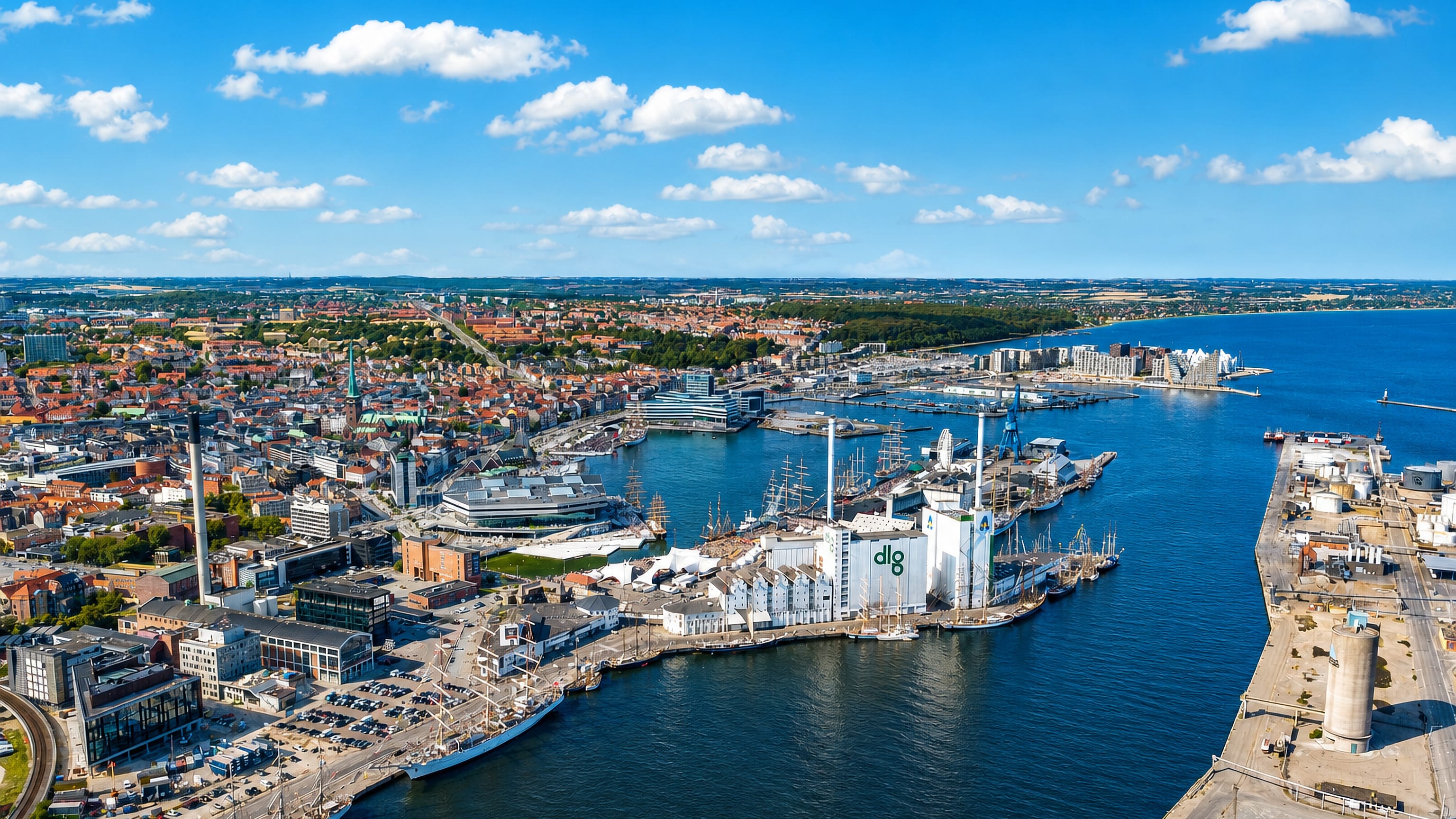
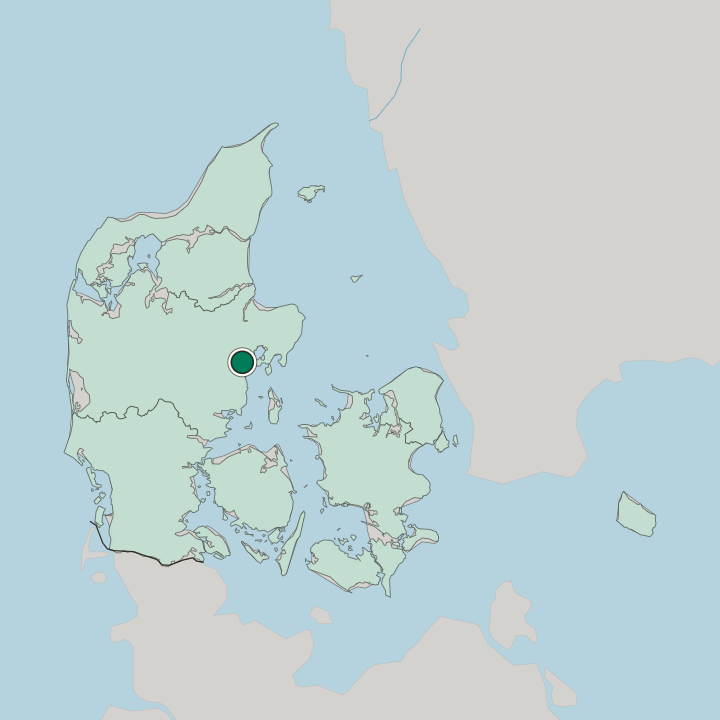
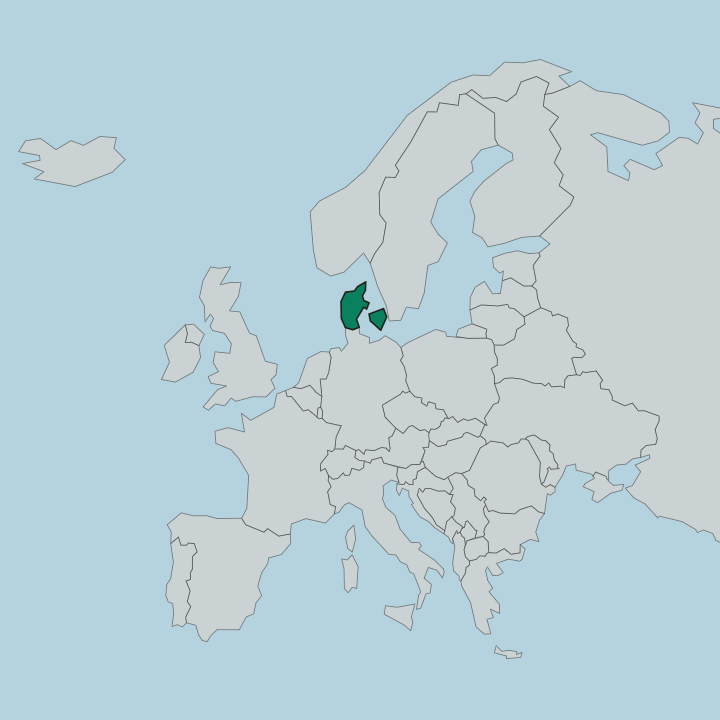
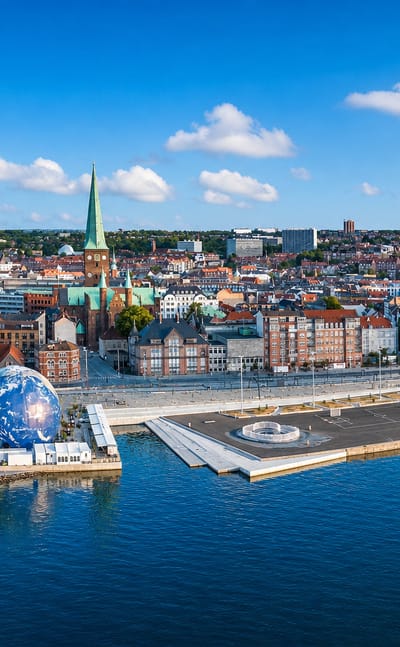
Aarhus is a harbour city in central Denmark, on the Jutland peninsula, the country's second city.
Hotel links are affiliate links: booking through them may earn us a commission, at no extra cost to you. It never affects how places are ranked. How this works


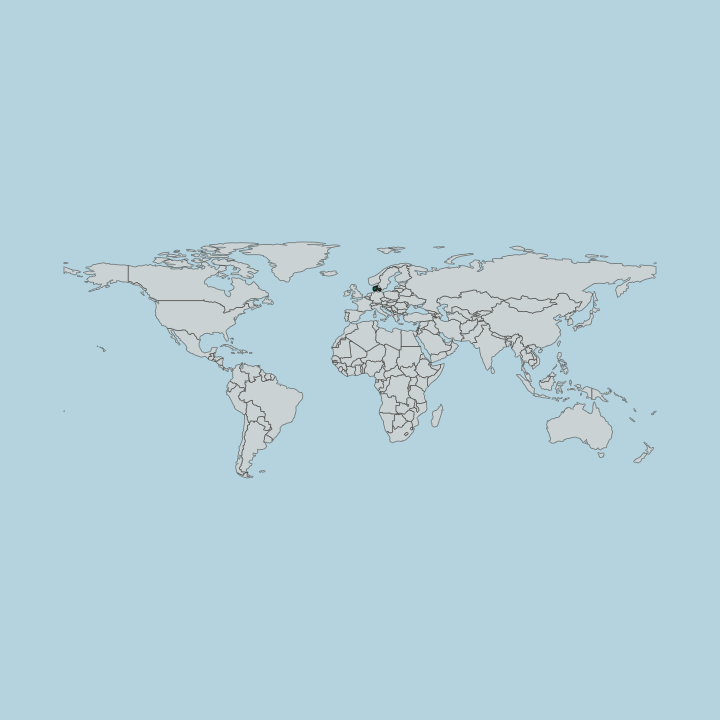
Where to stay in Århus
Each area has its own feel; here's who each one suits.
 ÅrhusDenmark
Aarhus C
Aarhus C is a postal district of central Aarhus, Denmark, its C short for Centrum.Where to stay →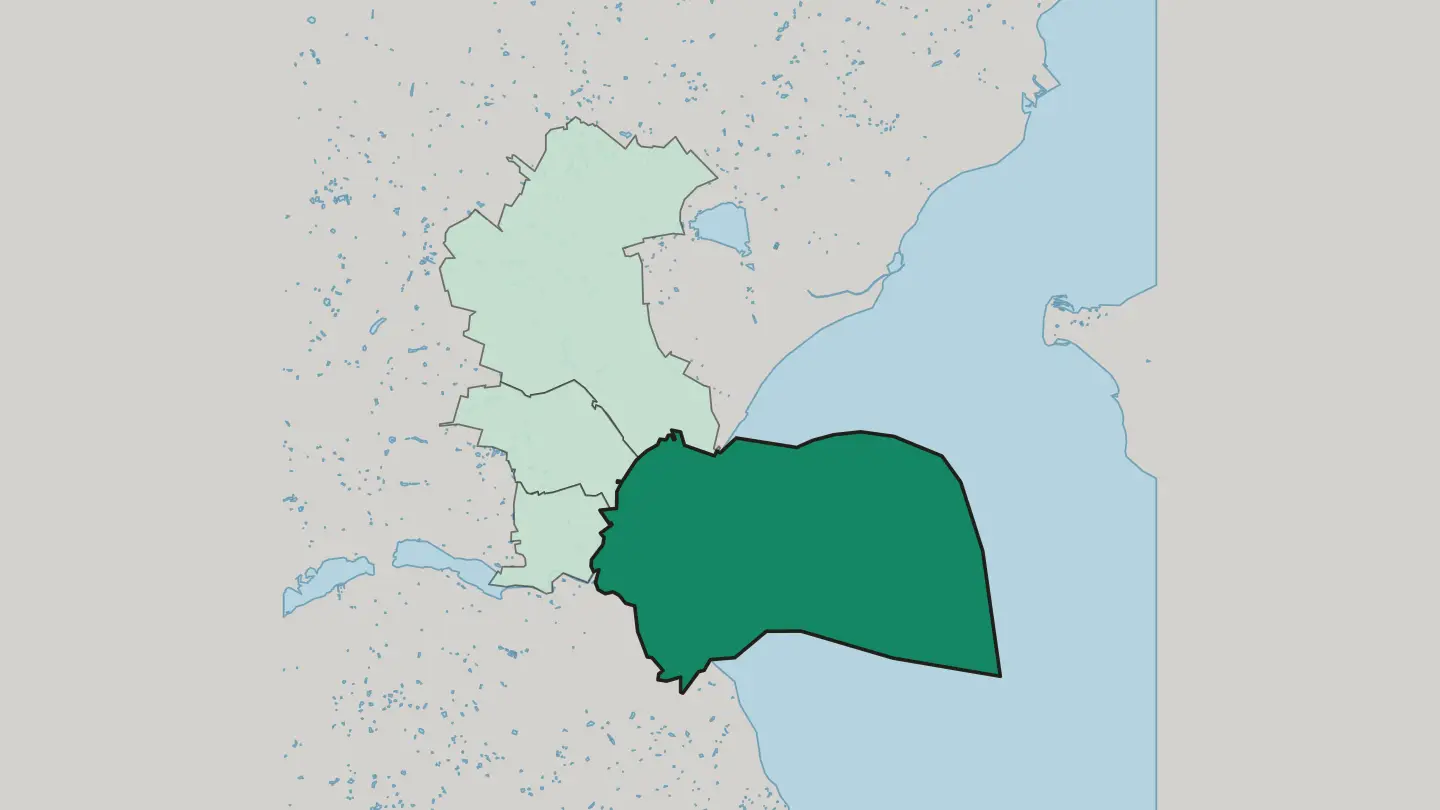
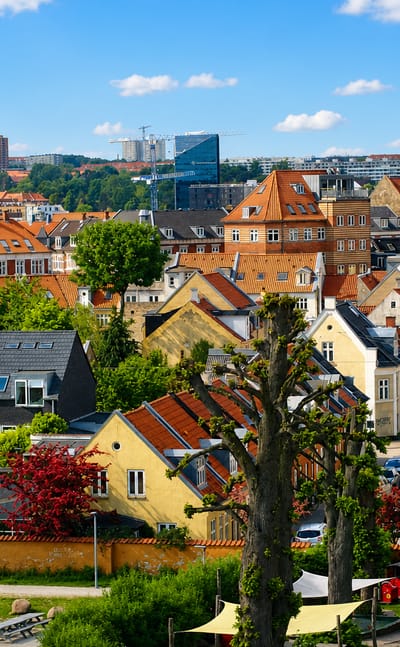 ÅrhusDenmark
Frederiksbjerg
Frederiksbjerg is a southern quarter of Aarhus in central Denmark, a dense grid of apartment streets just above the main station on the Jutland peninsula.Where to stay →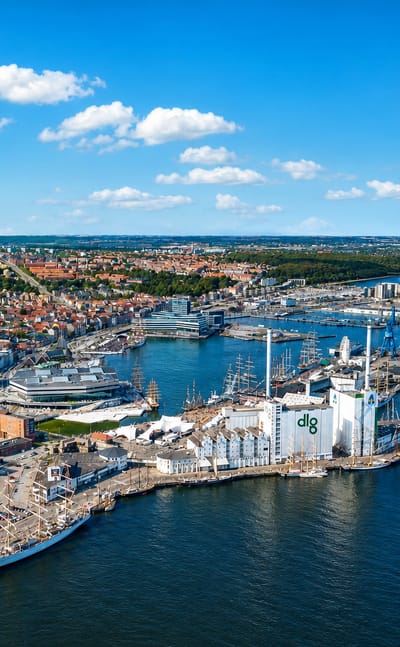 ÅrhusDenmark
Christiansbjerg
Christiansbjerg is a north-western quarter of Aarhus in central Denmark, a residential district near the university museums on the Jutland peninsula.Where to stay → ÅrhusDenmark
Aarhus N
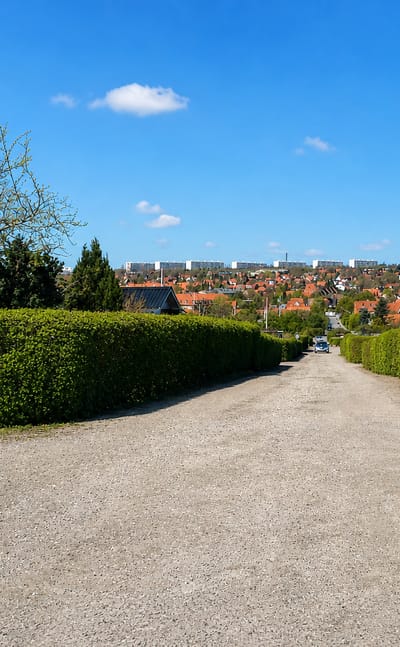
Aarhus N is the northern district of Aarhus, a spread of suburbs in central Denmark, on the Jutland peninsula.Where to stay →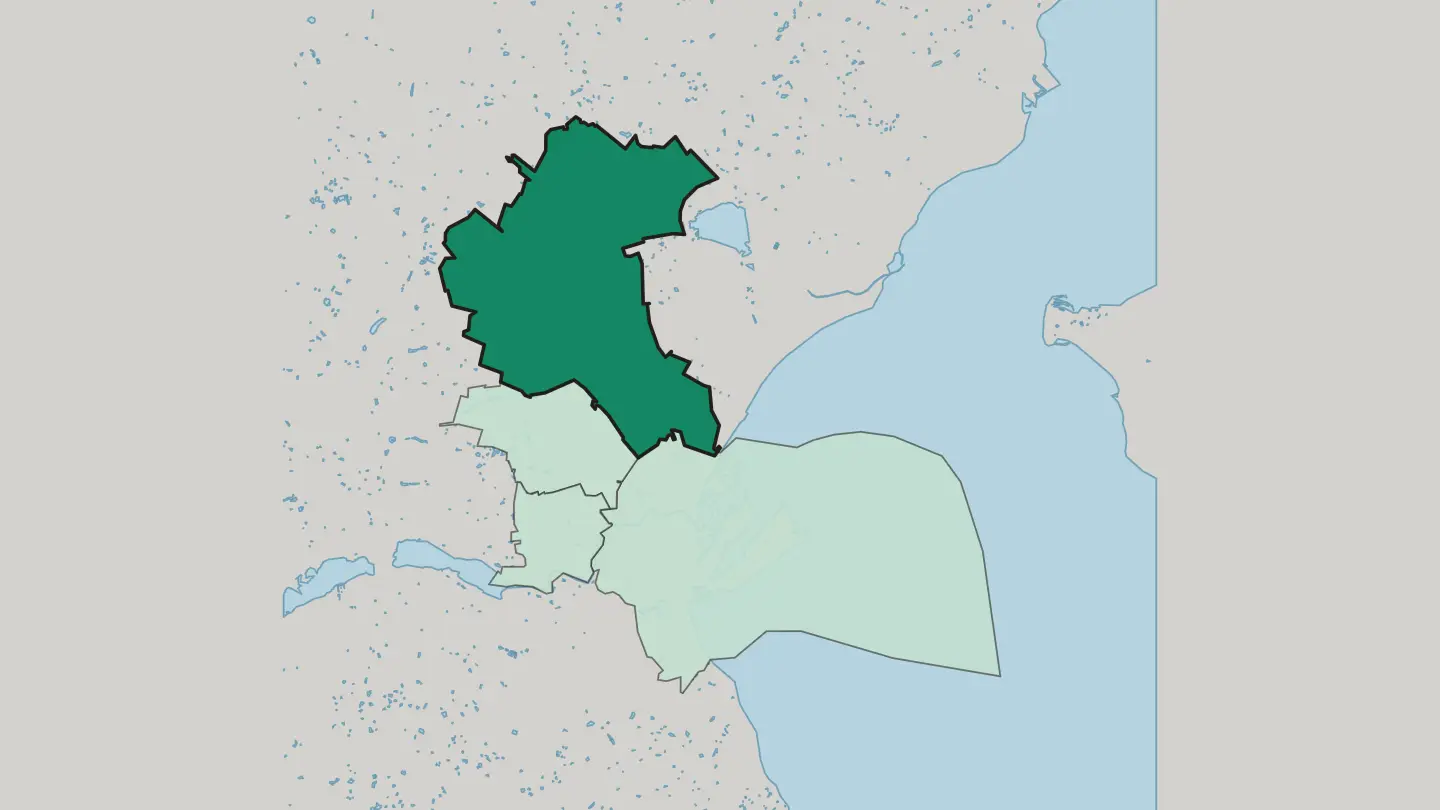
 ÅrhusDenmark
Åbyhøj
Åbyhøj is a western quarter of Aarhus in central Denmark, a residential suburb grown around the old village church on the Jutland peninsula.Where to stay →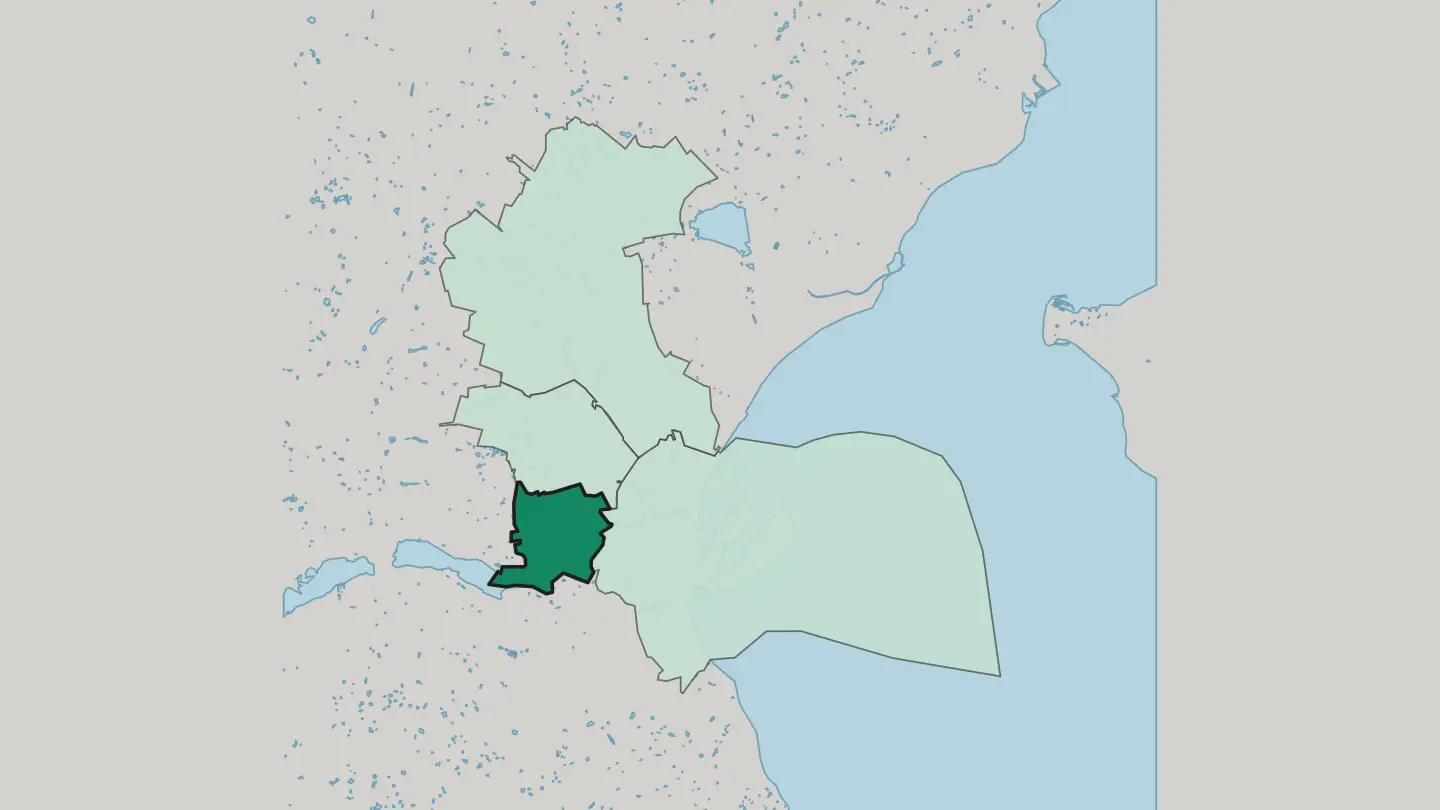
 ÅrhusDenmark
Aarhus V
Aarhus V is the north-western district of Aarhus, a band of residential quarters in central Denmark, on the Jutland peninsula.Where to stay →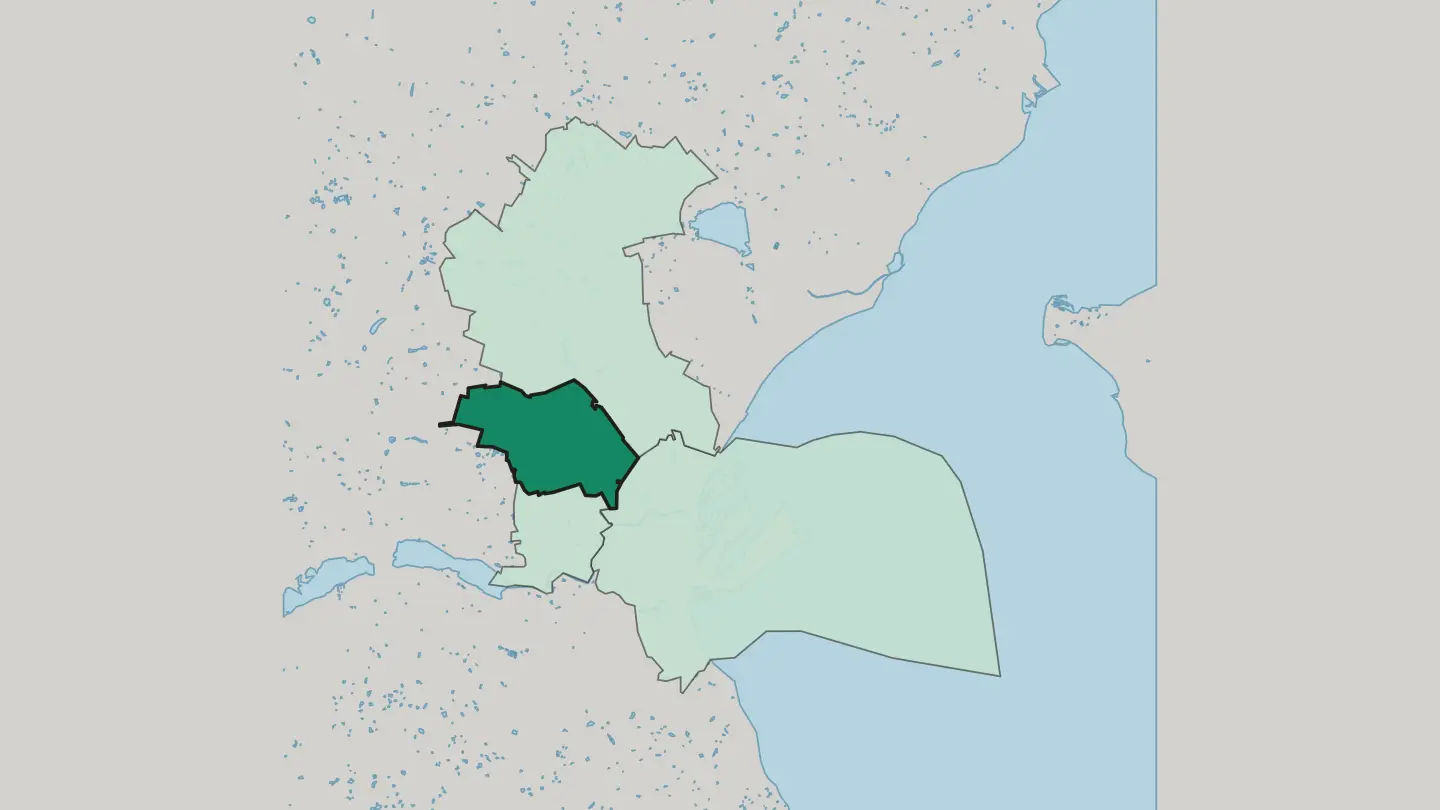
Hotel links are affiliate links: booking through them may earn us a commission, at no extra cost to you. It never affects how places are ranked. How this works
Find hotels in Århus
Direct booking searches for these neighbourhoods.
Old centre
hotels among the lanes by Vor Frue Kirke and ARoS Aarhus KunstmuseumFind hotels in Old centreferries and the bayHarbourfront
new rooms by Salling Tårnet and Aarhus Søfartsmuseum on the quaysFind hotels in Harbourfrontfamilies wanting greenery and ridesSouthern parks
quieter beds near Tivoli Friheden and the Riis Skov woodsFind hotels in Southern parksHotel links are affiliate links: booking through them may earn us a commission, at no extra cost to you. It never affects how places are ranked. How this works
Things to do in Århus
Ranked by global recognition; descriptions from Wikidata (CC0).
Museums & Galleries
6- ARoS Aarhus Kunstmuseum art museum in Aarhus
- The Old Town open-air town museum in Aarhus
- KØN - Gender Museum Denmark Museum in Aarhus
- Museum Ovartaci art and psychiatric history museum
- Viking Museum history museum
Show 1 more →
- Museum of Ancient Art Archaeology museum in Aarhus
Churches & Religious Sites
3- Church of Our Lady
- Catholic Church of Our Lady church building in Aarhus Municipality
- Christian's Church
Stadiums & Sports
2- Vejlby/Risskov Centret sports complex
- Frederiksbjerg Idrætscenter
Parks & Gardens
1- Tivoli Friheden Heritage Danish amusement park, located in Aarhus
Landmarks & Notable Places
2- Thors Mølle house in Aarhus Municipality
- Riis Skov-pavillonen
worth knowingacross 5 categories in Århus
About Århus
What is Århus known for?
Aarhus is the largest city of the Jutland peninsula and the seat of its municipality in the eastern part of Central Denmark. Museums define it. The half-timbered streets of Den Gamle By recreate an old market town, the cube of ARoS Aarhus Kunstmuseum crowns the city with Your Rainbow Panorama, and the Viking-age finds at Vikingemuseet recall the trading port that grew here.
Around them stand Vor Frue Kirke and Sankt Nikolaj Kirke, the amusement grounds of Tivoli Friheden, and a working harbour on the bay.
What are the main landmarks in Århus?
Museums crowd Aarhus. Den Gamle By gathers half-timbered houses into a living open-air town, ARoS Aarhus Kunstmuseum tops its galleries with the circular walk of Your Rainbow Panorama, and Vikingemuseet shows the trading port's early finds beneath the modern streets. The two churches named Vor Frue Kirke stand among the lanes with Sankt Nikolaj Kirke.
KØN tells the museum of gender, Museum Ovartaci joins art with psychiatric history, and Tivoli Friheden runs its rides and the steel coaster Tyfonen on the southern edge. Out on the harbour, Salling Tårnet looks down over the quays.
What is the history of Århus?
Aarhus was established in the 8th century at the mouth of its river on the bay. The finds tell the story. The early hoards and dwellings shown at Vikingemuseet mark the settlement that grew where the water met the Jutland coast, and the place held its harbour through the centuries that followed.
Churches rose with the town. Sankt Nikolaj Kirke and Vor Frue Kirke anchored the medieval lanes as the port became a cathedral city and the largest market of eastern Jutland. Trade and the sea kept it growing, and a working harbour spread along the bay below the old streets.
The industrial age filled the slopes behind the water with houses and works, and the museums came to gather the town's memory. Den Gamle By drew old half-timbered houses together into a living street, ARoS Aarhus Kunstmuseum crowned the centre with its galleries, and the amusement grounds of Tivoli Friheden opened to the south. Through all of it the harbour stayed at the heart of things.
Aarhus is the largest city of the Jutland peninsula and the second city of the country, still a port turned outward to the bay.
Where is Århus?
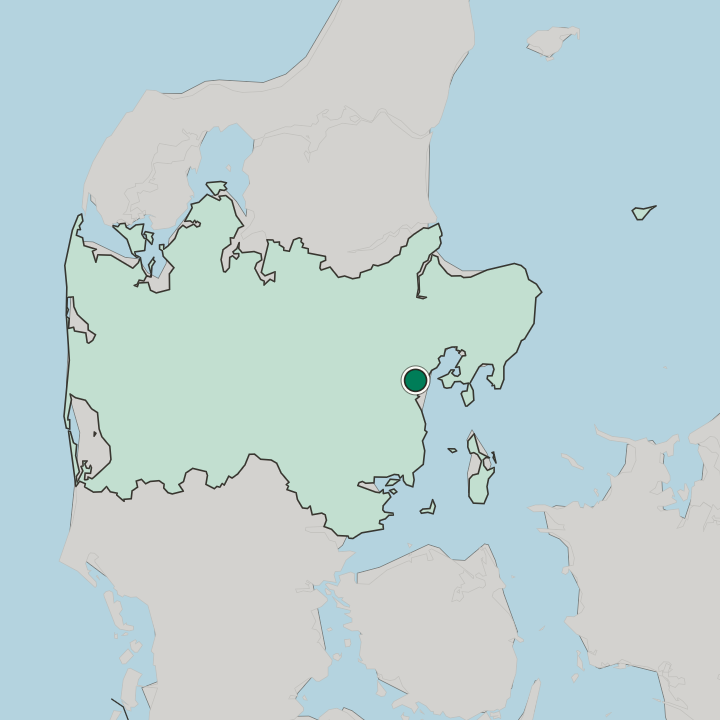
Aarhus sits where a river reaches the sea, in the eastern part of Central Denmark on the Jutland peninsula. The land rises behind the water. Its old centre fills the low ground by the harbour, and the residential slopes climb away from the bay toward the woods of Riis Skov to the north and the parks on the southern edge near Tivoli Friheden.
Quays and warehouses spread along the shore below the streets. East across the water lies the open sea, and the rest of Jutland runs west and inland from the city.
What is the climate of Århus?
Aarhus has the mild, changeable weather of the Jutland coast. Winters stay cool and grey, the bay tempering the frost so it rarely settles hard along the harbour, while summers turn moderate and green under the long northern daylight that holds light over the water and the woods of Riis Skov late into the evening. Rain falls through every season.
The open sea brings shifting wind onto the slopes, so the weather off the bay changes quickly above the city.
How do you get to Århus?
The city is easy to reach. Aarhus sits on the main Jutland rail line, with frequent trains running south toward the rest of the peninsula and across to the islands, so the centre is a short walk from the station. Ferries cross the bay from the harbour to the islands and the eastern shore.
Drivers reach the city on the motorways that run the length of Jutland, and the regional airport to the northeast links it to the wider network, an easy bus connection from the centre and the harbour.
Common questions
What is the best area to stay in Århus?
Old centre: museum days on foot. Harbourfront: ferries and the bay. Southern parks: families wanting greenery and rides.
Good for
More cities in Region Midtjylland
Updated October 2026