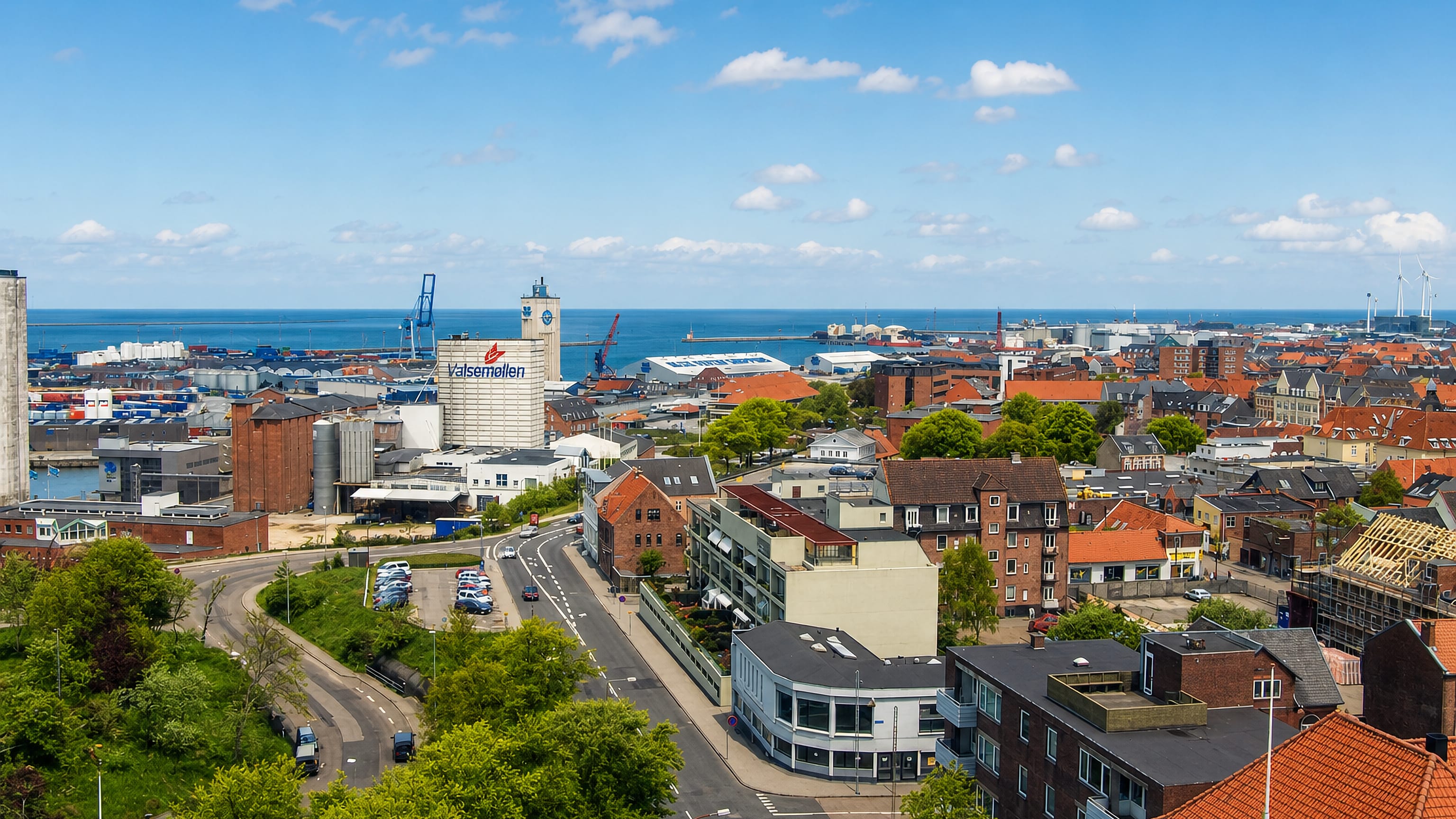
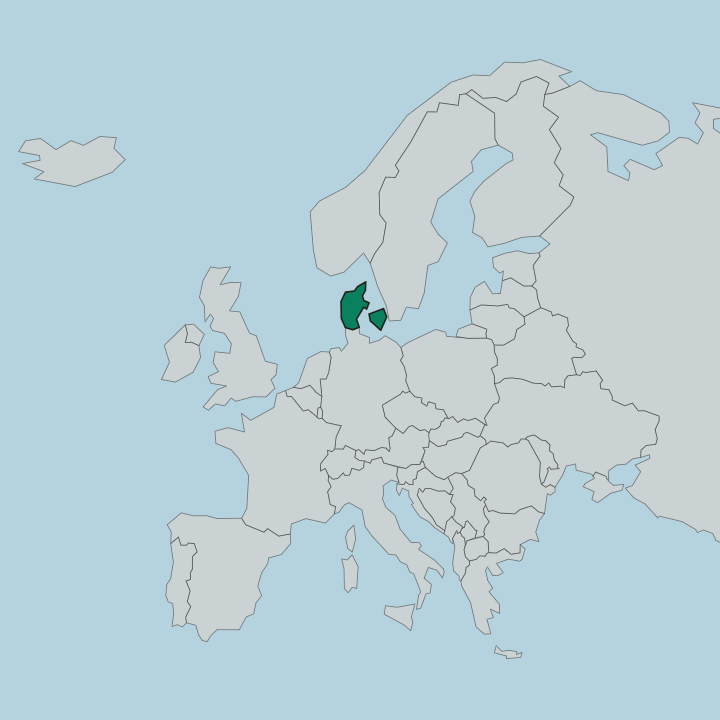
Denmark · Region Syddanmark
Where to Stay in Esbjerg, Region Syddanmark
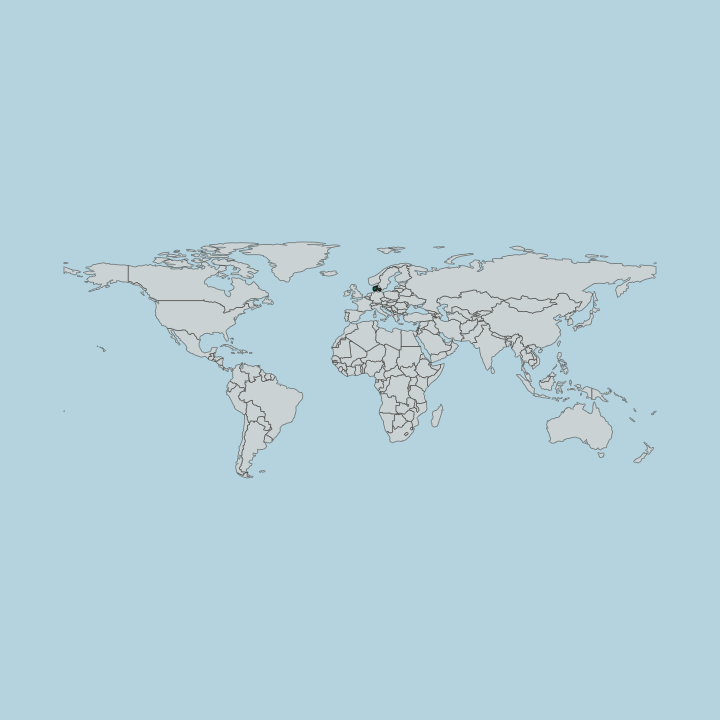
Esbjerg is the great seaport on the west coast of the Jutland peninsula, in southern Denmark.
Hotel links are affiliate links: booking through them may earn us a commission, at no extra cost to you. It never affects how places are ranked. How this works


Where to stay in Esbjerg
The right area depends on your trip — here's what each neighbourhood is best for.
 EsbjergDenmark
Boldesager
Boldesager is a residential district in northern Esbjerg, a quiet quarter of the Jutland port city set back from the centre.Where to stay →EsbjergDenmarkStrandby
Strandby is a district of Esbjerg whose two named addresses are Treenighedskirken and the sports ground at Esbjerg Idrætspark.Where to stay →EsbjergDenmarkGammelby
Gammelby is an eastern district of Esbjerg, a residential quarter in southern Denmark, on the Jutland peninsula.Where to stay → EsbjergDenmark
Jerne
Jerne is an eastern district of Esbjerg, an old parish absorbed into the city in southern Denmark, on the Jutland peninsula.Where to stay →EsbjergDenmarkEsbjerg V
Esbjerg V is one of the named districts of Esbjerg in Denmark, an address inside the city rather than a stop on a visitor's list.Where to stay →Hotel links are affiliate links: booking through them may earn us a commission, at no extra cost to you. It never affects how places are ranked. How this works
Find hotels in Esbjerg
Direct booking searches for these neighbourhoods.
Planned centre by Vor Frelsers Kirke
hotels by Vor Frelsers Kirke and Sankt Nikolaj Kirke in the old gridFind hotels in Planned centre by Vor Frelsers Kirkesea travellers near the Esbjerg port and SøfartsmuseetHarbour front by the lightship
rooms by the Motorfyrskibet Horns Rev and Sejlet at Esbjerg StrandFind hotels in Harbour front by the lightshipHotel links are affiliate links: booking through them may earn us a commission, at no extra cost to you. It never affects how places are ranked. How this works
Things to do in Esbjerg
Ranked by global recognition; descriptions from Wikidata (CC0).
Museums & Galleries
2- Esbjerg Art Museum
- Esbjerg Spejdermuseum
Churches & Religious Sites
3- Grundtvig's Church
- Saint Nikolai Church catholic church
- Church of Our Saviour
Stadiums & Sports
1- Esbjerg Idrætspark
worth knowingacross 3 categories in Esbjerg
About Esbjerg
What is Esbjerg known for?
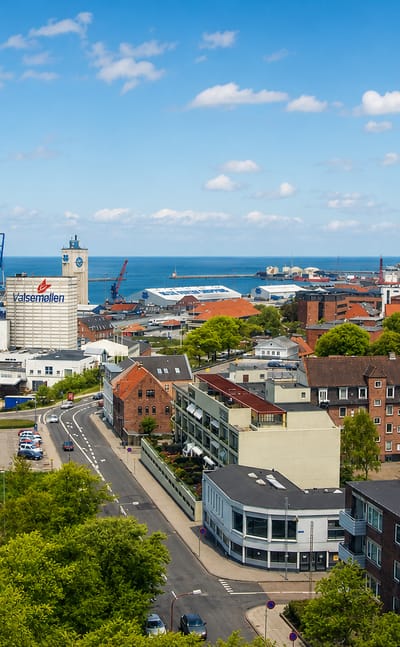
Esbjerg is known as Denmark's harbour on the North Sea, the largest city of West Jutland and the seat of Esbjerg Municipality. The port made the place. Its maritime past fills the Fiskeri- og Søfartsmuseet and the lightship museum aboard the Motorfyrskibet Horns Rev down at the water, while the Esbjerg Kunstmuseum carries the city's art.
In the planned centre the spire of Vor Frelsers Kirke and the church of Sankt Nikolaj Kirke rise above the grid of streets laid out when the harbour town was new on the coast of southern Denmark.
What are the main landmarks in Esbjerg?
The Motorfyrskibet Horns Rev lies moored at the harbour of Esbjerg, the old lightship now a museum of the North Sea. Down the quay the Fiskeri- og Søfartsmuseet tells the city's fishing and seafaring story, and the observation tower of Sejlet rises over Esbjerg Strand. The churches mark the centre.
Vor Frelsers Kirke, Sankt Nikolaj Kirke and Treenighedskirken stand among the streets, while the museums of Esbjerg Kunstmuseum, Esbjerg Museum and the Bogtrykmuseet i Esbjerg carry the art, history and printing of this harbour city of West Jutland.
What is the history of Esbjerg?
Esbjerg is a young city by Danish measure, established in 1868 and built from almost nothing on the bare west coast of the Jutland peninsula. The state raised a harbour here to give Denmark a port on the North Sea after older harbours were lost, and around the new docks a planned town rose on a grid of straight streets. Before there was a town, there were the docks.
Fishing and shipping made the place, the trade carried home in the Fiskeri- og Søfartsmuseet and aboard the lightship Motorfyrskibet Horns Rev, while the churches of Vor Frelsers Kirke and Sankt Nikolaj Kirke gave the new streets their landmarks. The port grew fast. Esbjerg became the fishing and export gateway of West Jutland and the seat of its municipality, its growth recorded at the Esbjerg Museum and its printing trade at the Bogtrykmuseet i Esbjerg.
Industry, art and the sea shaped the modern city, and the Esbjerg Kunstmuseum gathered its art, as the harbour town settled into its role as the chief place of the north-western part of Southern Denmark on the North Sea coast.
Where is Esbjerg?
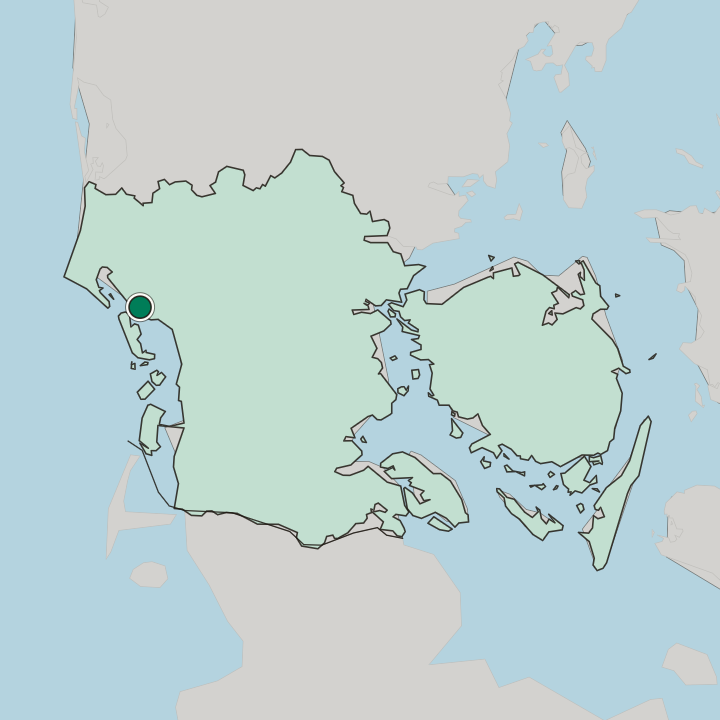
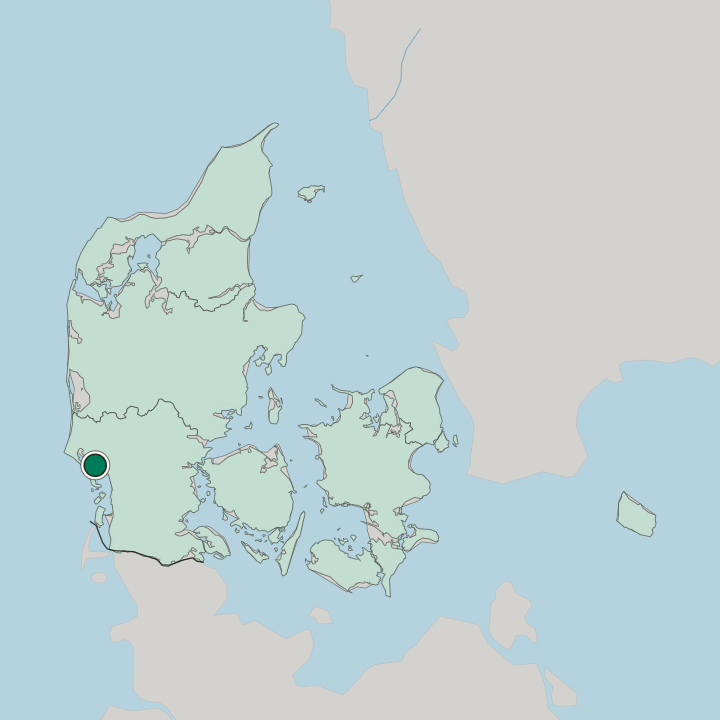
Esbjerg stands on the west coast of the Jutland peninsula, in the north-western part of Southern Denmark, in southern Denmark. The city faces the North Sea across the harbour and the shallow waters off the shore, the planned grid of streets running back from the docks toward Vor Frelsers Kirke and Sankt Nikolaj Kirke. The North Sea shapes the place.
Beyond the built-up edge the flat farmland of West Jutland reaches inland, and the strand and the observation tower of Sejlet look out over the water where the port of Esbjerg meets the open sea.
What is the climate of Esbjerg?
Esbjerg has the cool, windy maritime climate of the North Sea coast. Winters stay grey and damp rather than hard, the open water off the Jutland peninsula keeping deep frost and lasting snow from the low ground around the harbour through most of the season. Summers are mild and breezy.
Wind off the North Sea blows almost without pause across the flat coast of West Jutland under the long northern daylight, while cloud and rain reach this corner of southern Denmark in every month of the year.
How do you get to Esbjerg?
Esbjerg sits at the western end of the rail line across the Jutland peninsula. Trains run east to Kolding and on toward the rest of Denmark, and the station stands in the planned centre a short walk from Vor Frelsers Kirke. The port handles the sea routes.
Ferries and freight cross the North Sea from the harbour quays, and the motorway carries the road traffic of West Jutland inland, while a regional airport near the city serves the longer journeys of travellers reaching this harbour city of southern Denmark from abroad.
Common questions
What is the best area to stay in Esbjerg?
Planned centre by Vor Frelsers Kirke: visitors wanting the harbour-city squares and museums on foot. Harbour front by the lightship: sea travellers near the Esbjerg port and Søfartsmuseet.
Good for
More cities in Region Syddanmark
Updated October 2026