Denmark
Region Midtjylland, Denmark — Towns & Travel Guide
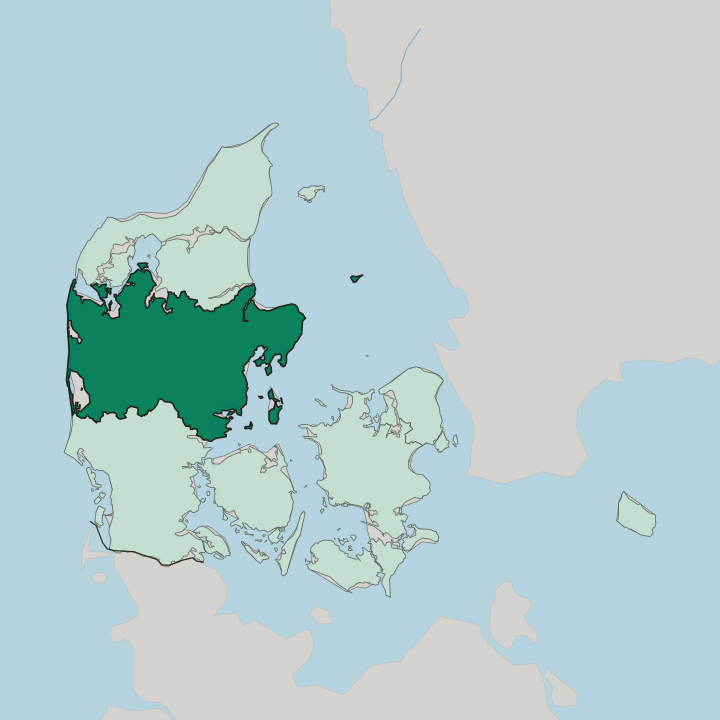
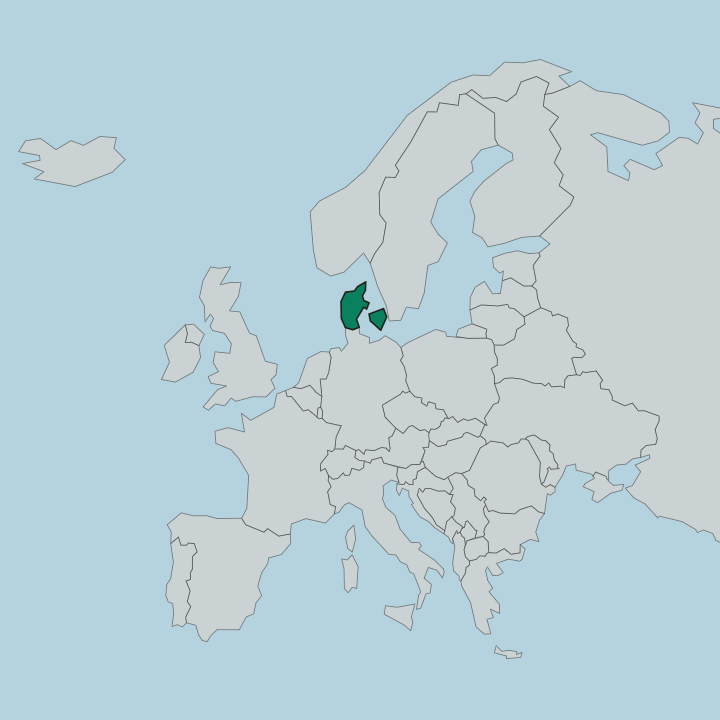
Central Denmark is a region of central Denmark on the Jutland peninsula, reaching coast to coast around its hub city of Aarhus.
Hotel links are affiliate links: booking through them may earn us a commission, at no extra cost to you. It never affects how places are ranked. How this works


Towns & cities in Region Midtjylland
Pick a town or city — each links to where to stay.
 Denmark
Århus
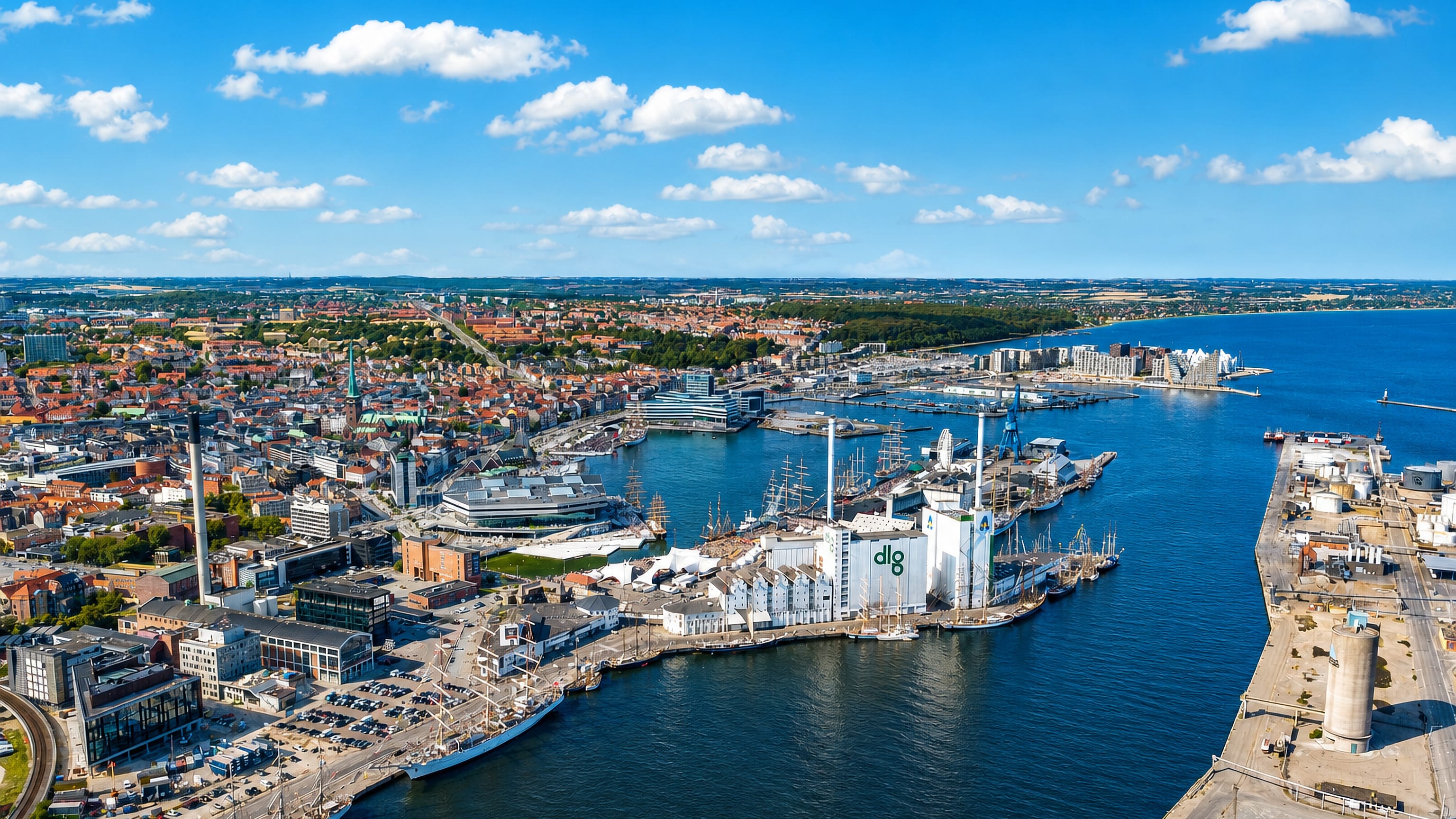
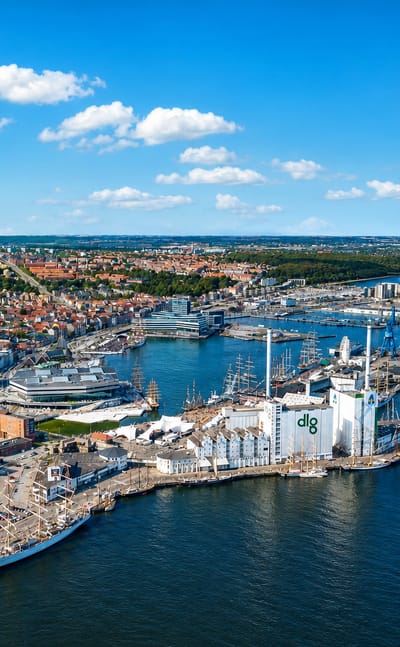
Aarhus is a harbour city in central Denmark, on the Jutland peninsula, the country's second city.Where to stay →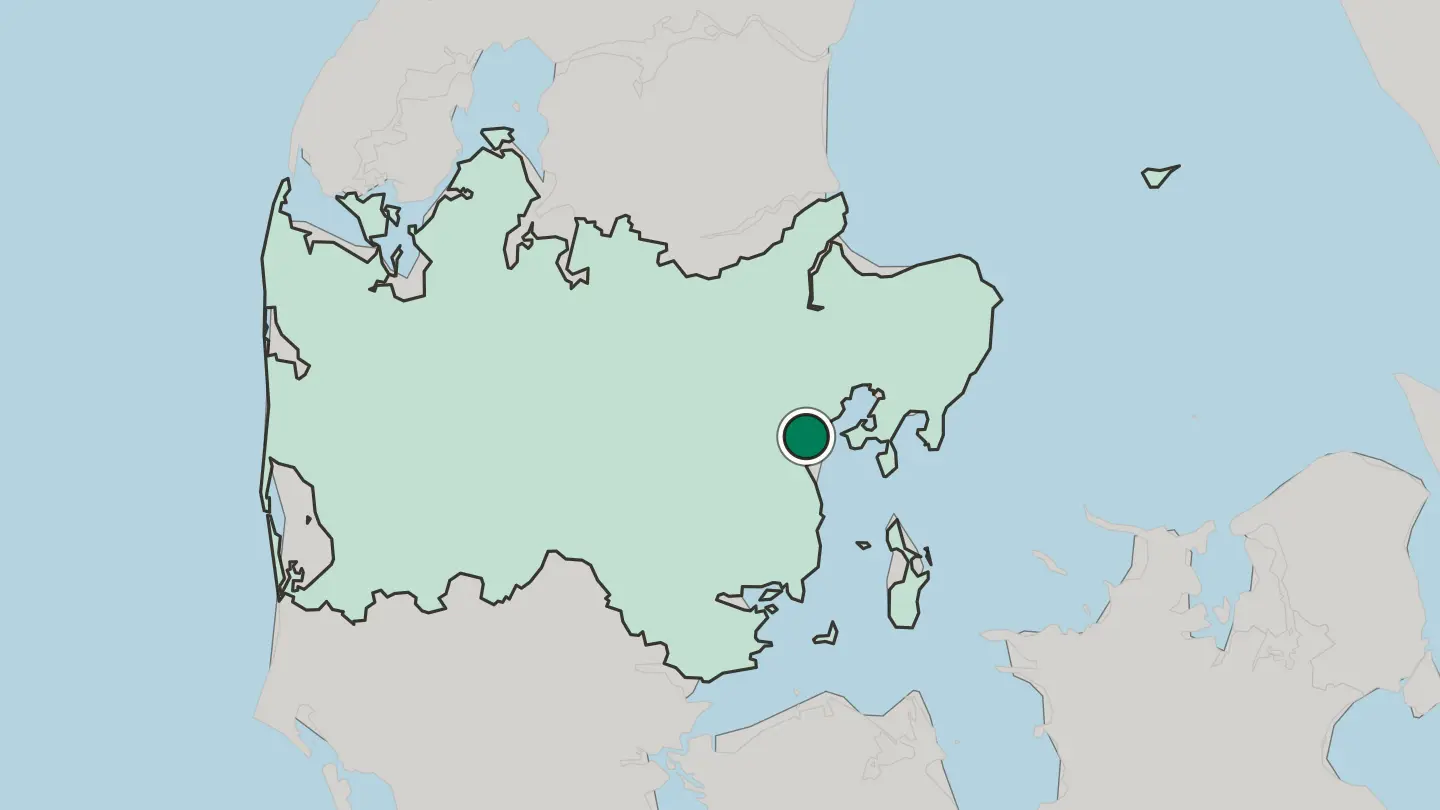
 Denmark
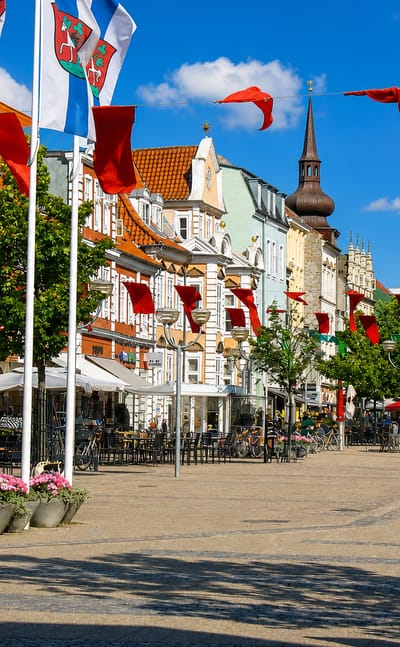
Randers
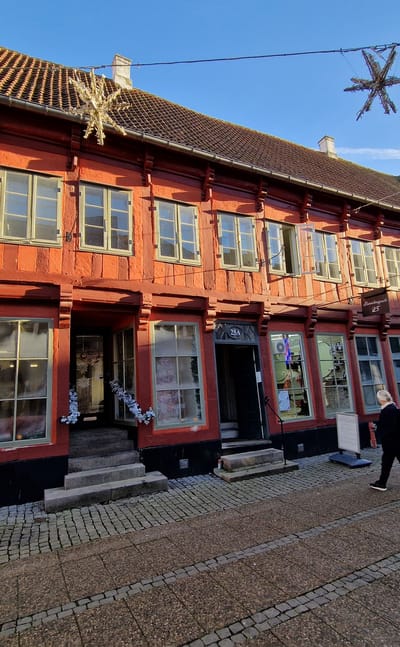
Randers is a river city in central Denmark, on the Jutland peninsula, at the mouth of the Gudenå.Where to stay →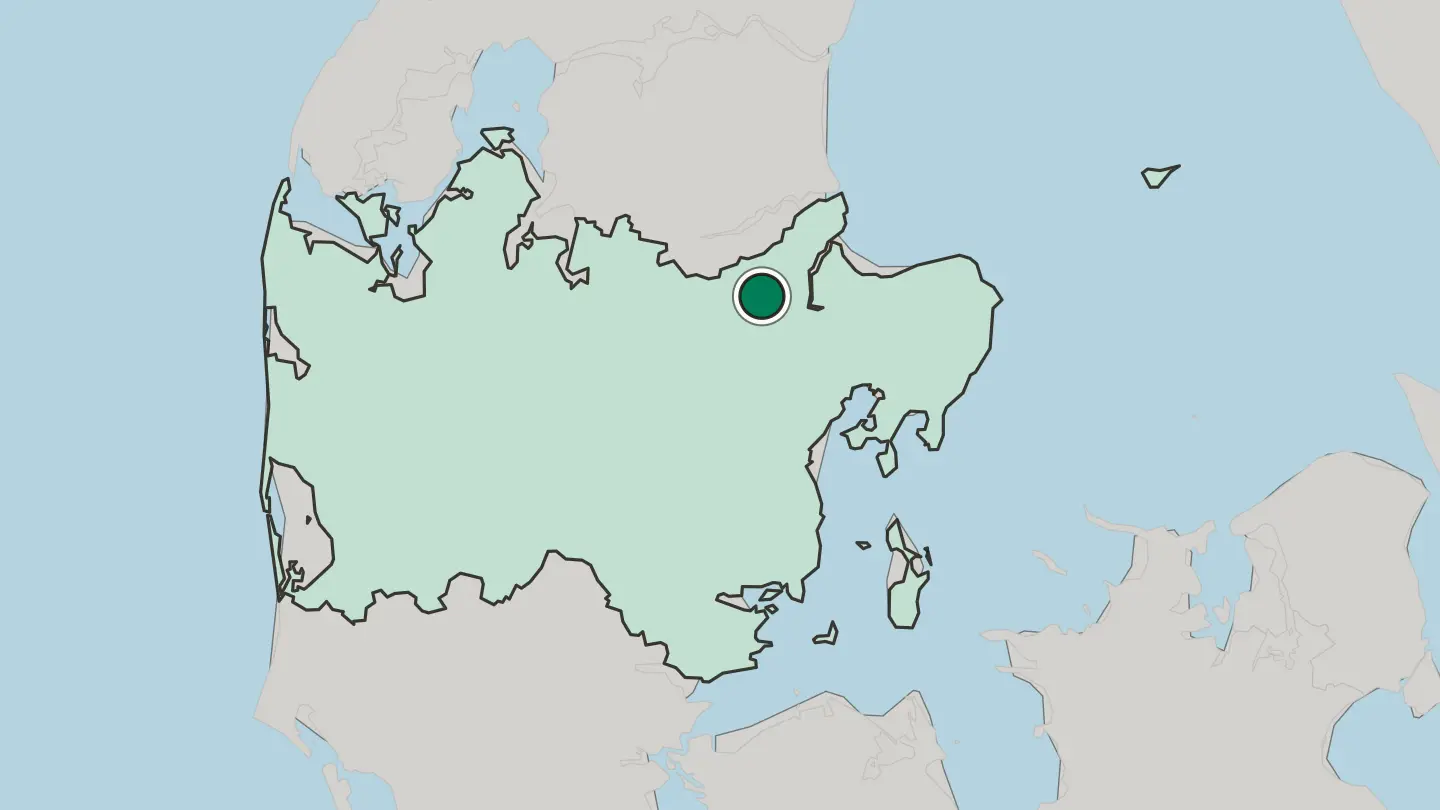
 Denmark
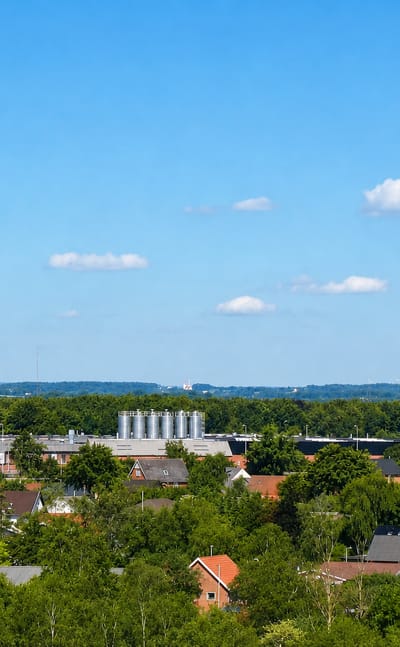
Horsens
Horsens is a fjord town in central Denmark, on the Jutland peninsula, at the head of Horsens Fjord.Where to stay →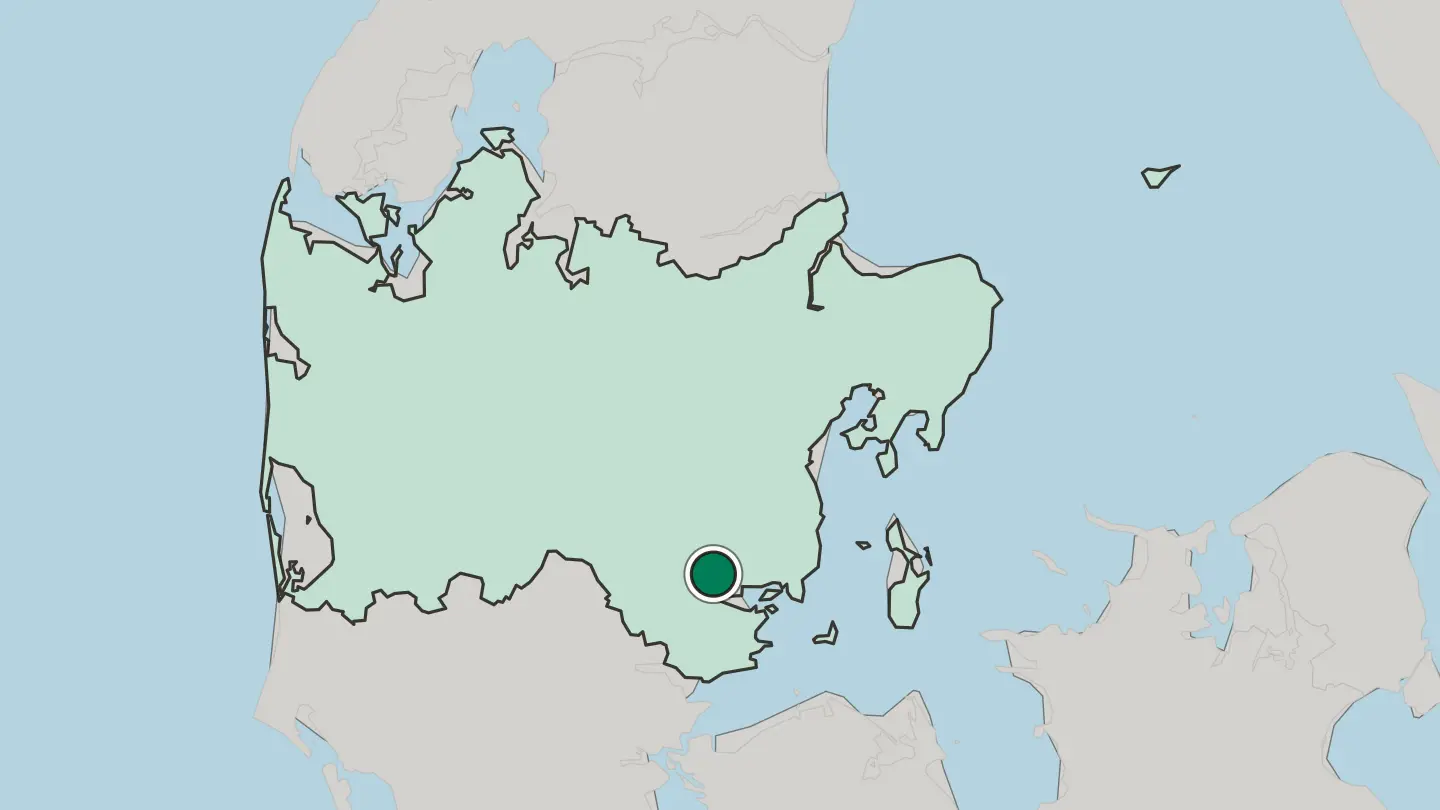
 Denmark
Herning
Herning is an inland town in western Denmark, on the Jutland peninsula, set on the open heath.Where to stay →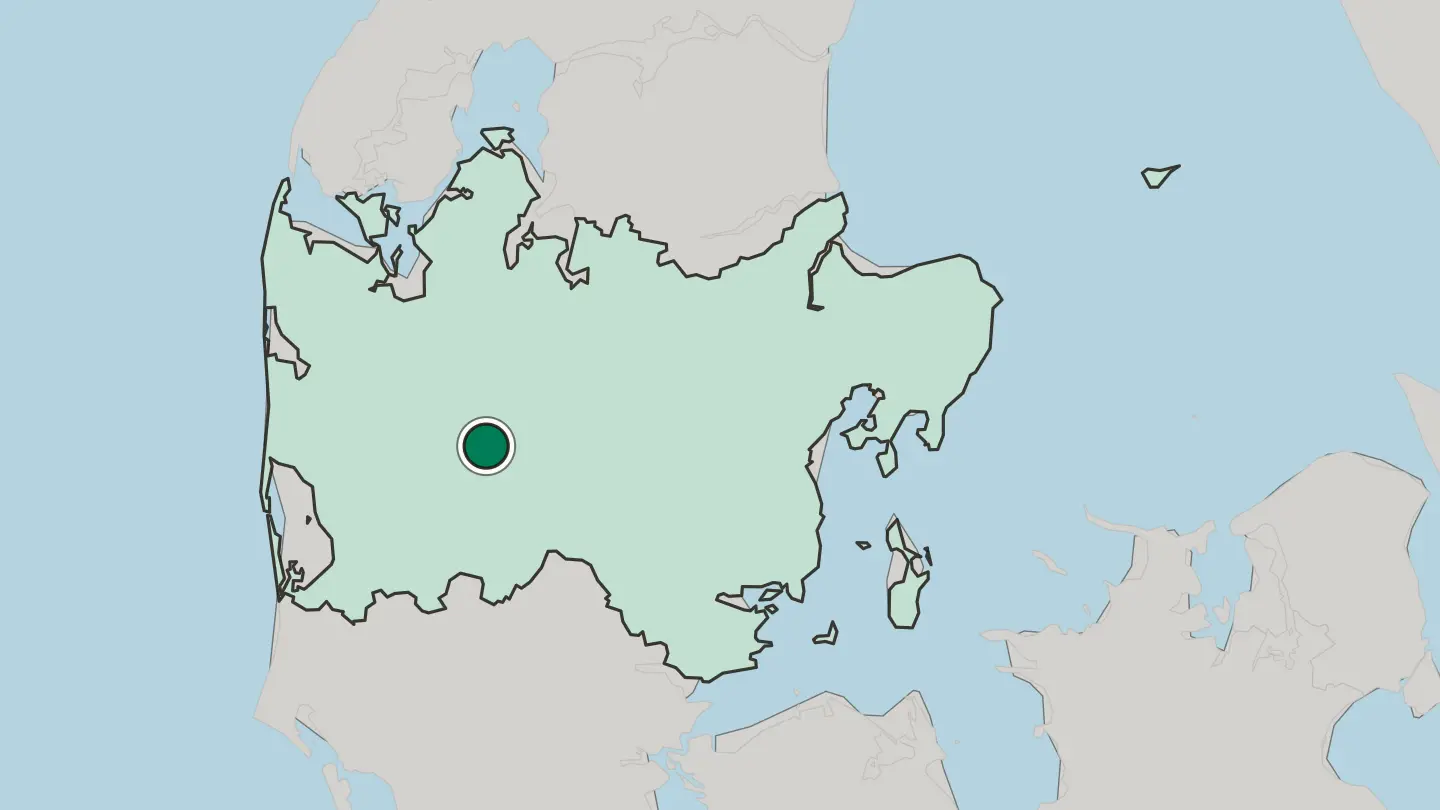
 Denmark
Silkeborg
Silkeborg is a town in central Denmark, on the Jutland peninsula and seat of Silkeborg Municipality.Where to stay →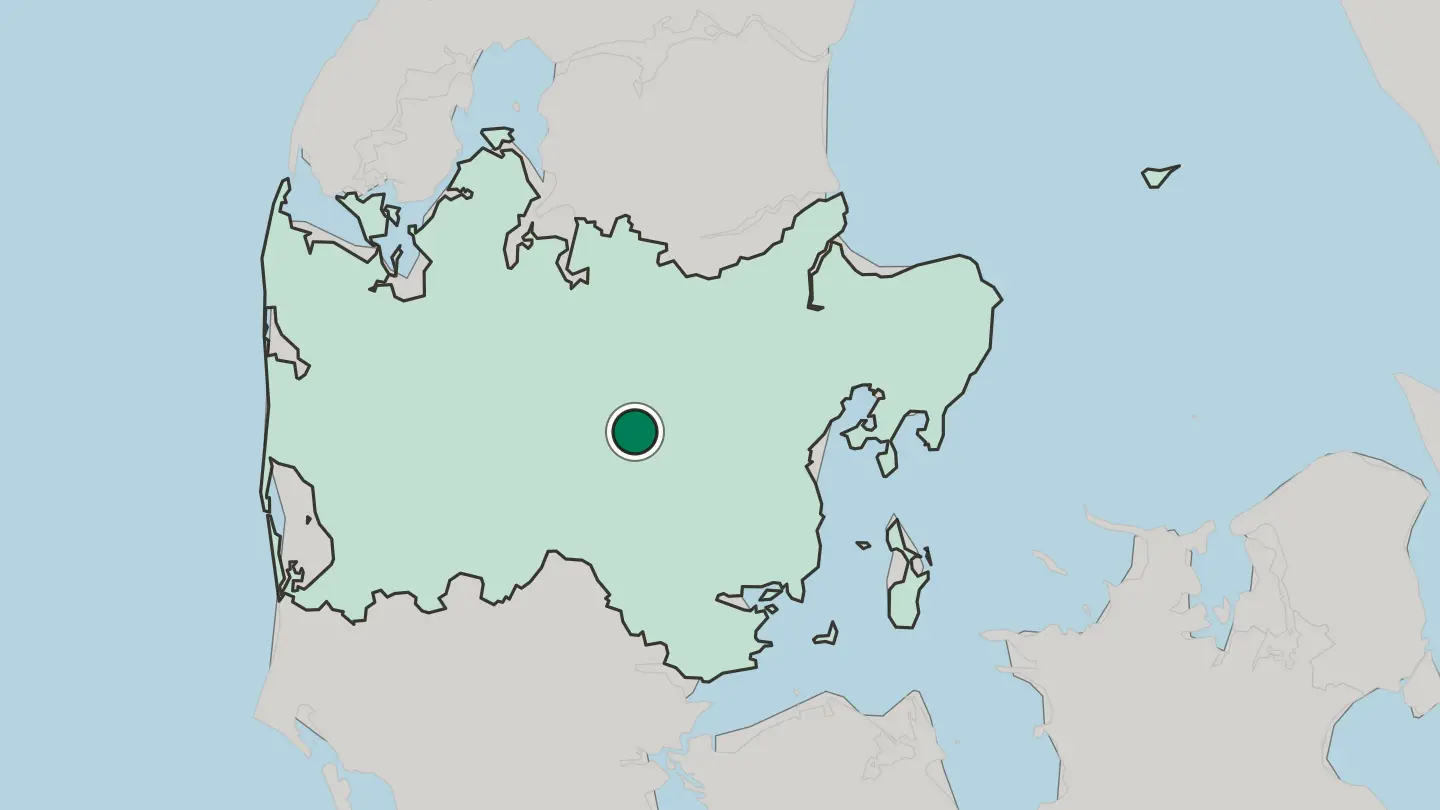
 Denmark
Hedensted
Hedensted is a town in central Denmark, on the Jutland peninsula and seat of Hedensted Municipality.Where to stay →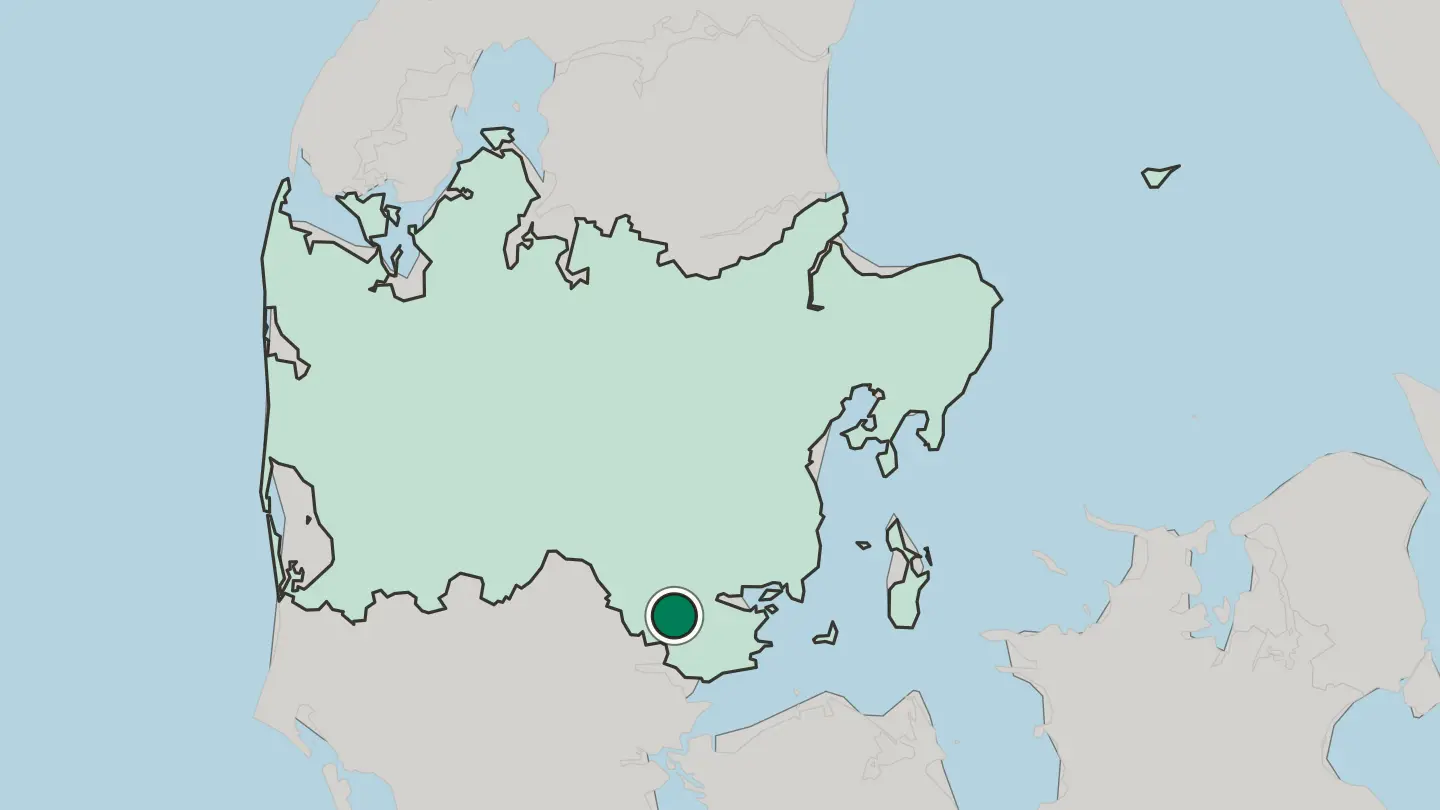
 Denmark
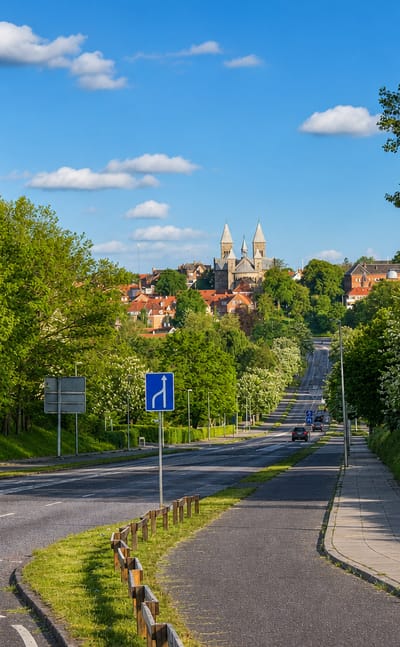
Viborg
Viborg is a historic cathedral city in central Denmark, on the Jutland peninsula and seat of its municipality.Where to stay →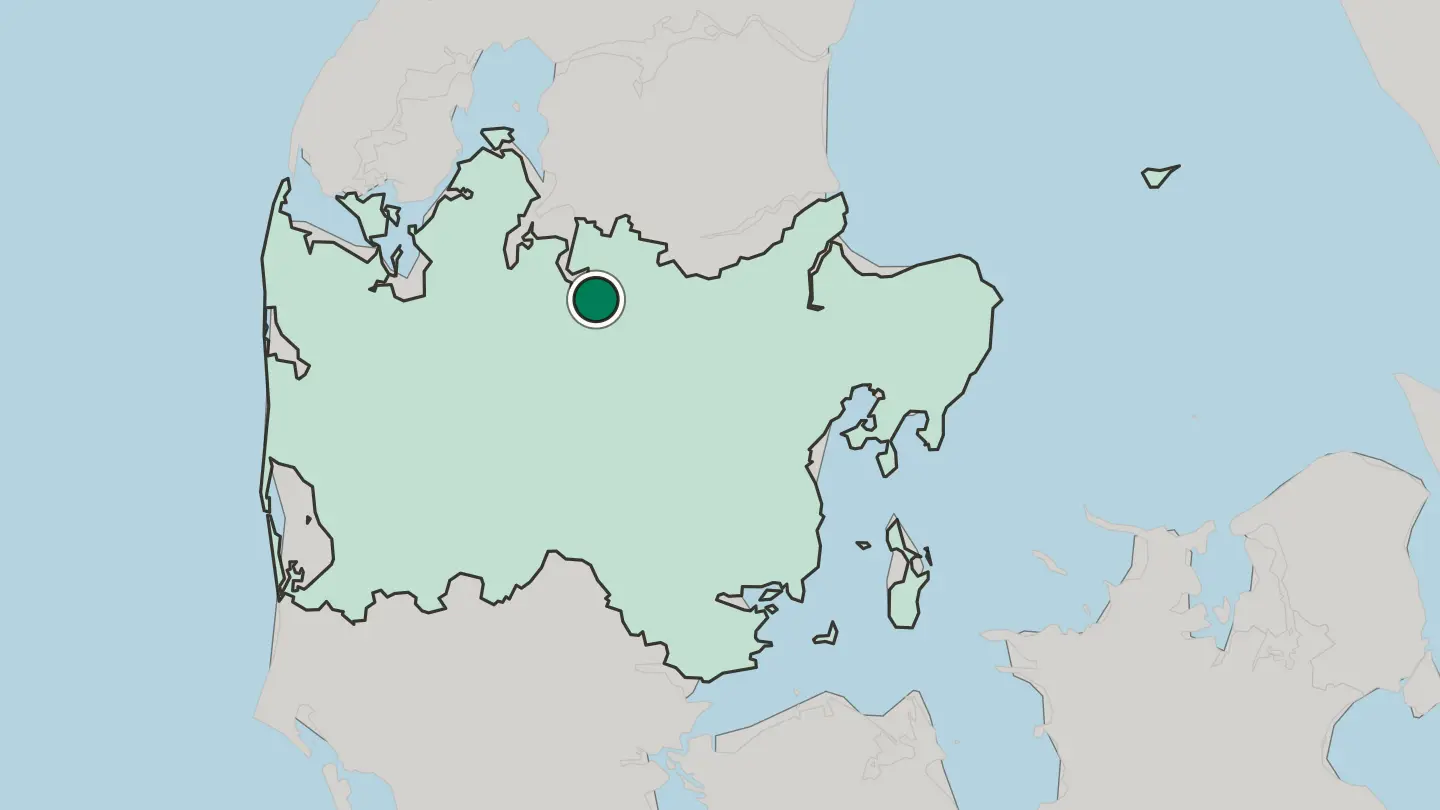
 Denmark
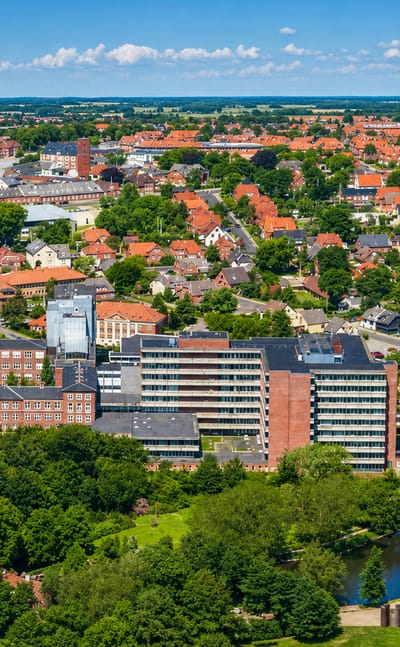
Holstebro
Holstebro is a town in western Denmark, on the Jutland peninsula, bisected by the river Storåen.Where to stay →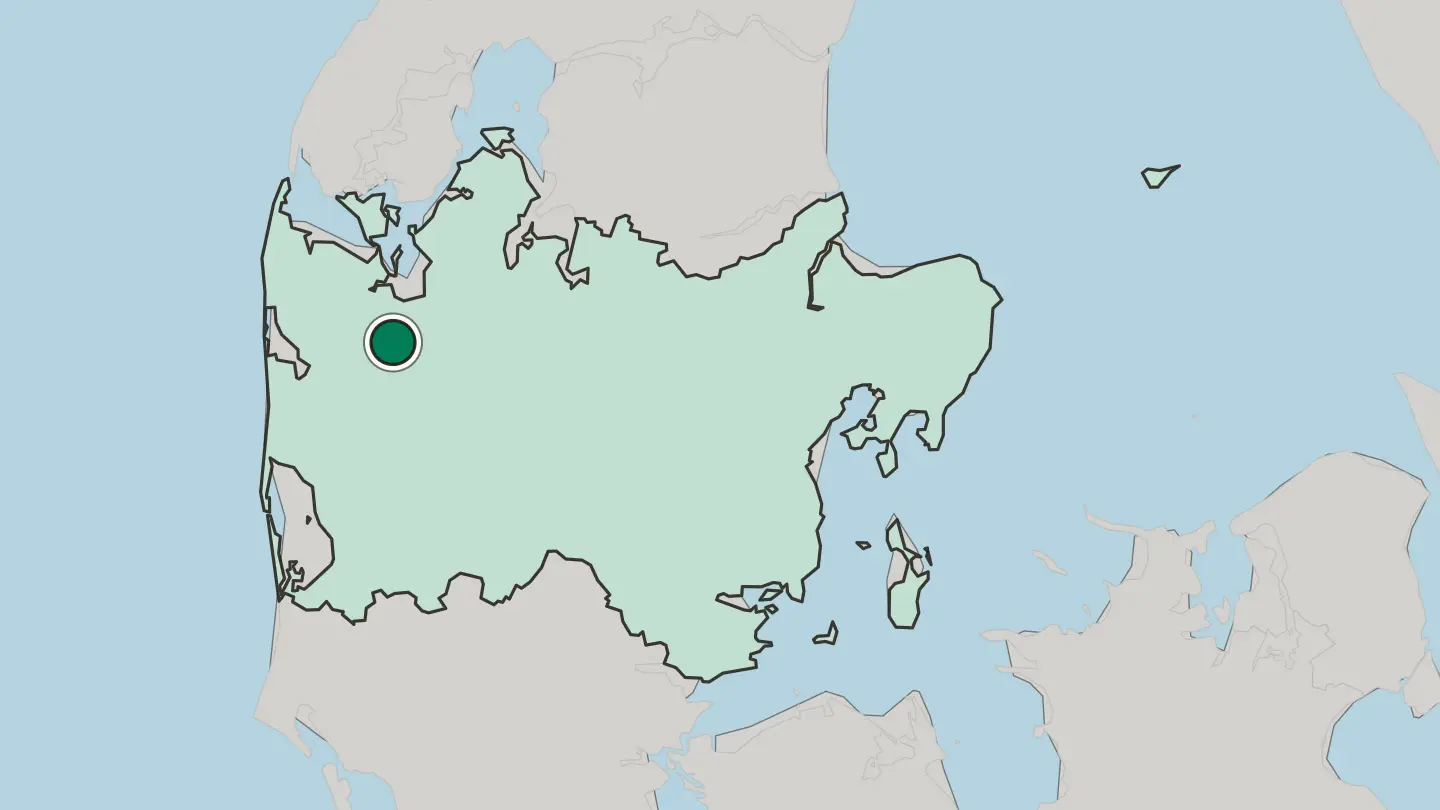
All towns & cities (21)
 Denmark
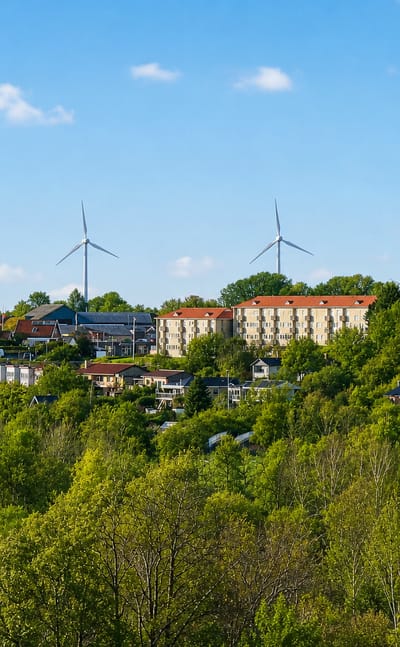
Skive
Skive is a market town in central Denmark, on the Jutland peninsula and seat of Skive Municipality.Where to stay →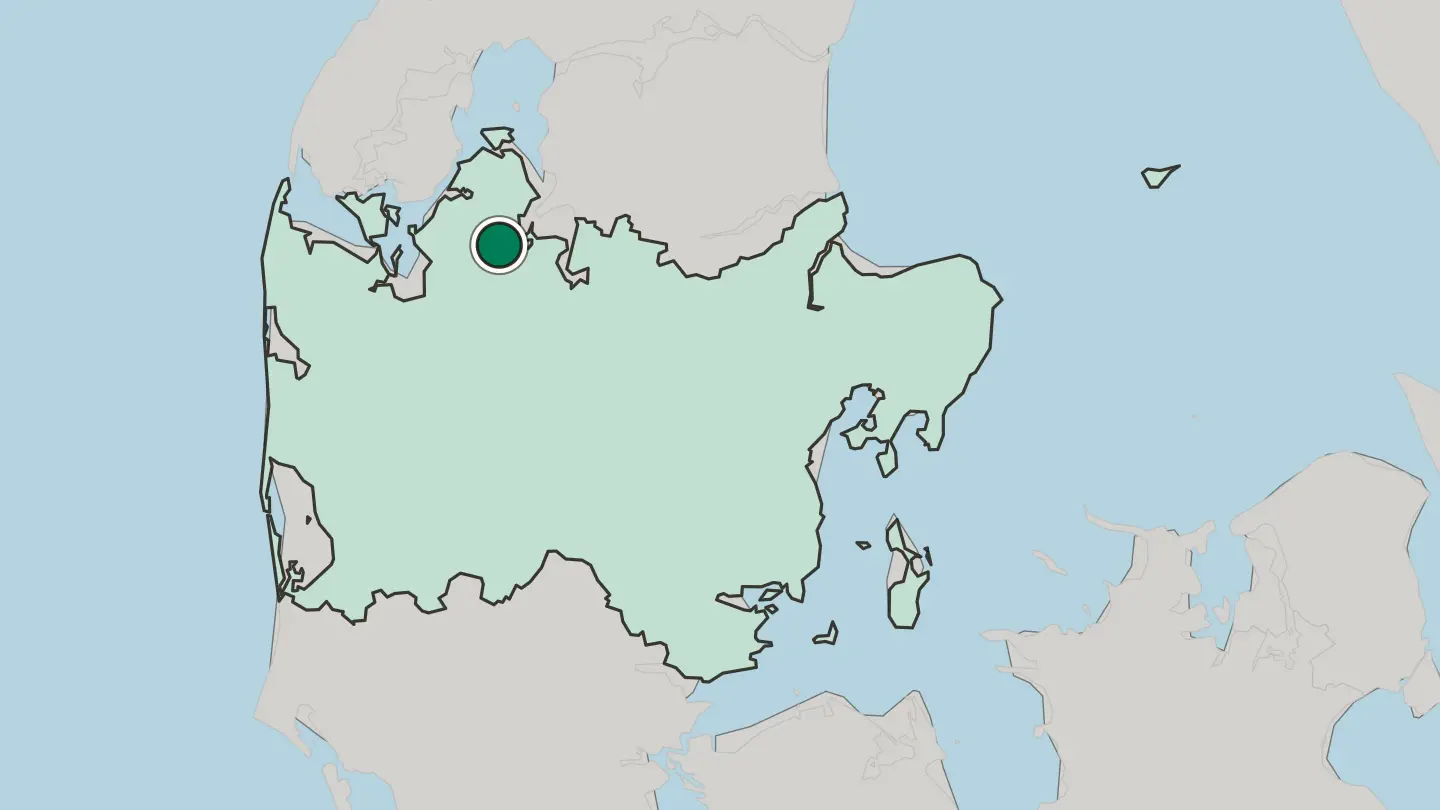
 Denmark
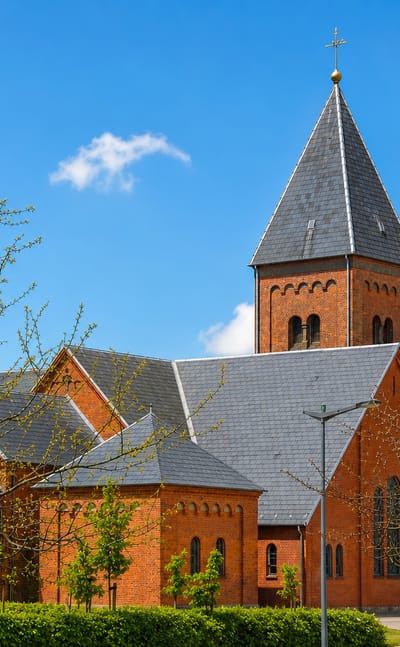
Ikast
Ikast is a town in central Denmark, on the Jutland peninsula and seat of Ikast-Brande Municipality.Where to stay →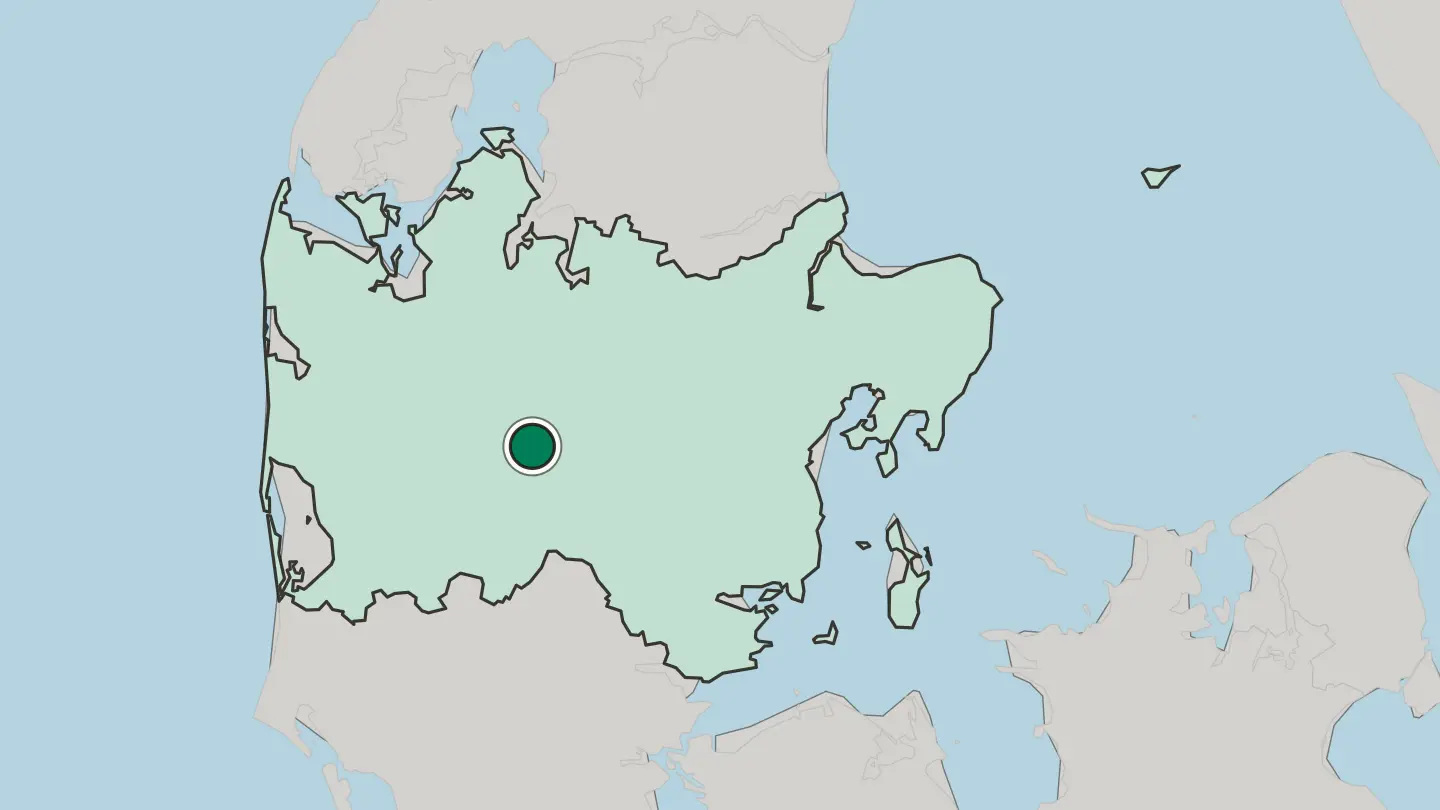
 Denmark
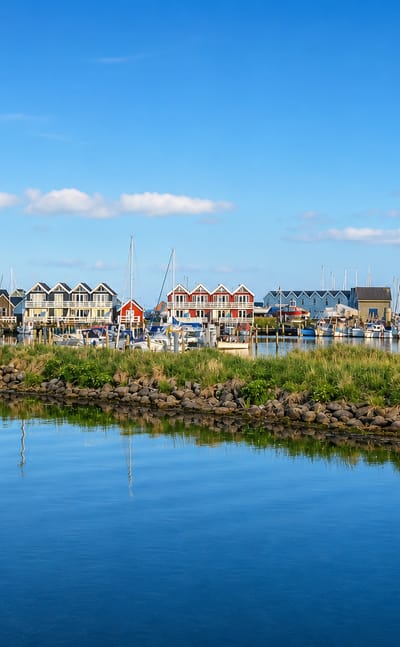
Grenaa
Grenaa is a Kattegat port town at the eastern tip of the Djursland peninsula in central Denmark, on Jutland.Where to stay →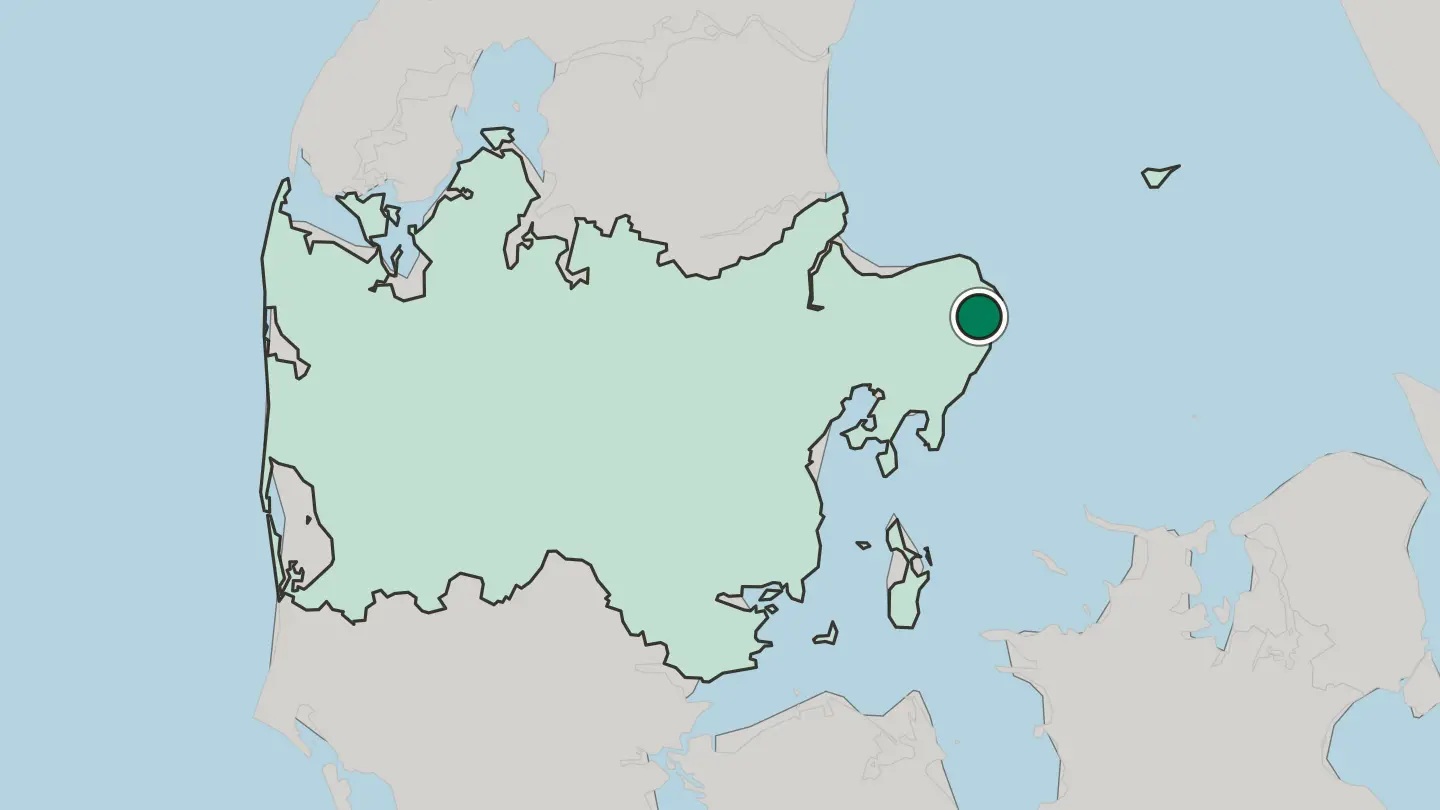
 Denmark
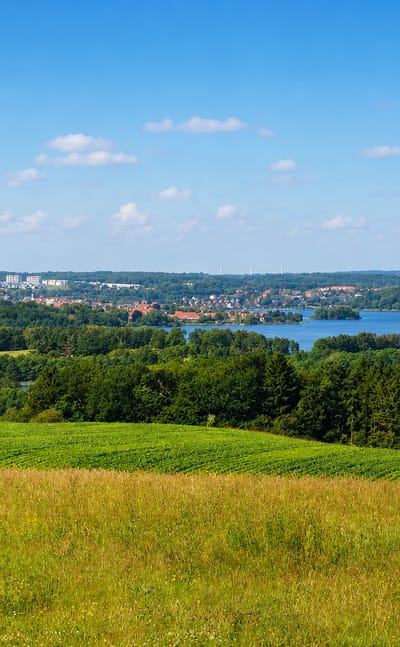
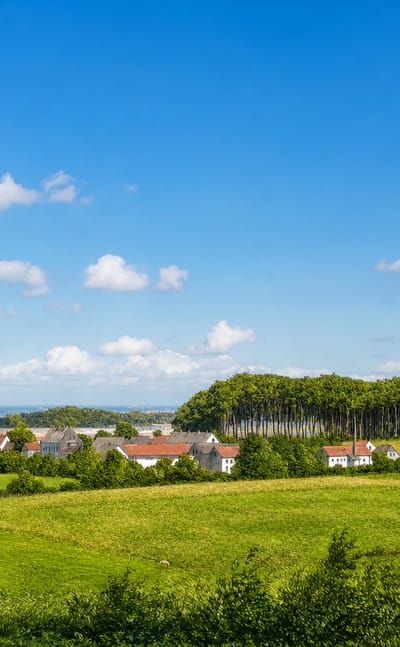
Skanderborg
Skanderborg is a lakeside town on the shores of Skanderborg Sø in central Denmark, on the Jutland peninsula.Where to stay →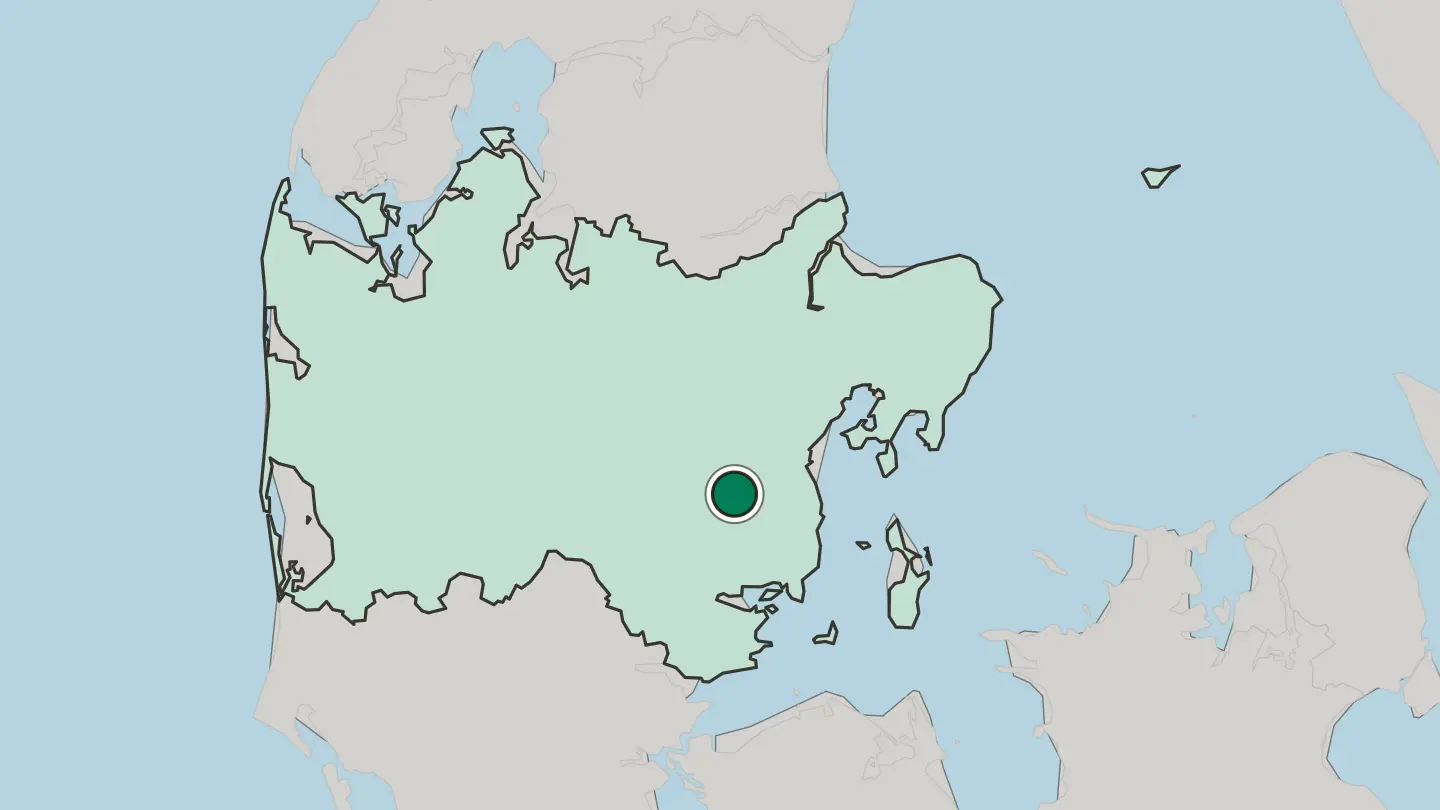
 Denmark
Odder
Odder is an inland market town south of Aarhus in central Denmark, on the Jutland peninsula.Where to stay →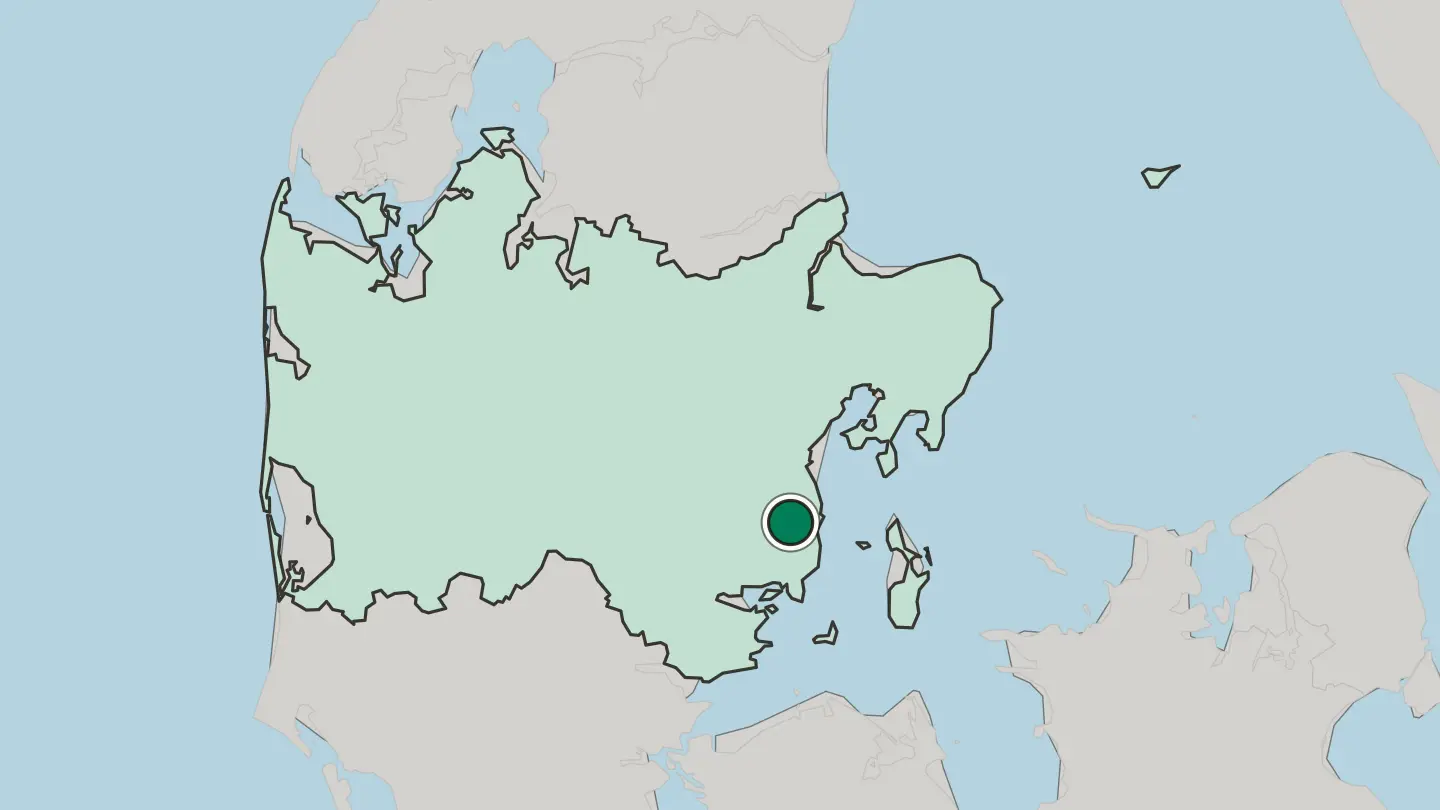 Denmark
Struer
Struer is a railway town in western Denmark, on the Jutland peninsula, the seat of Struer Municipality.Where to stay →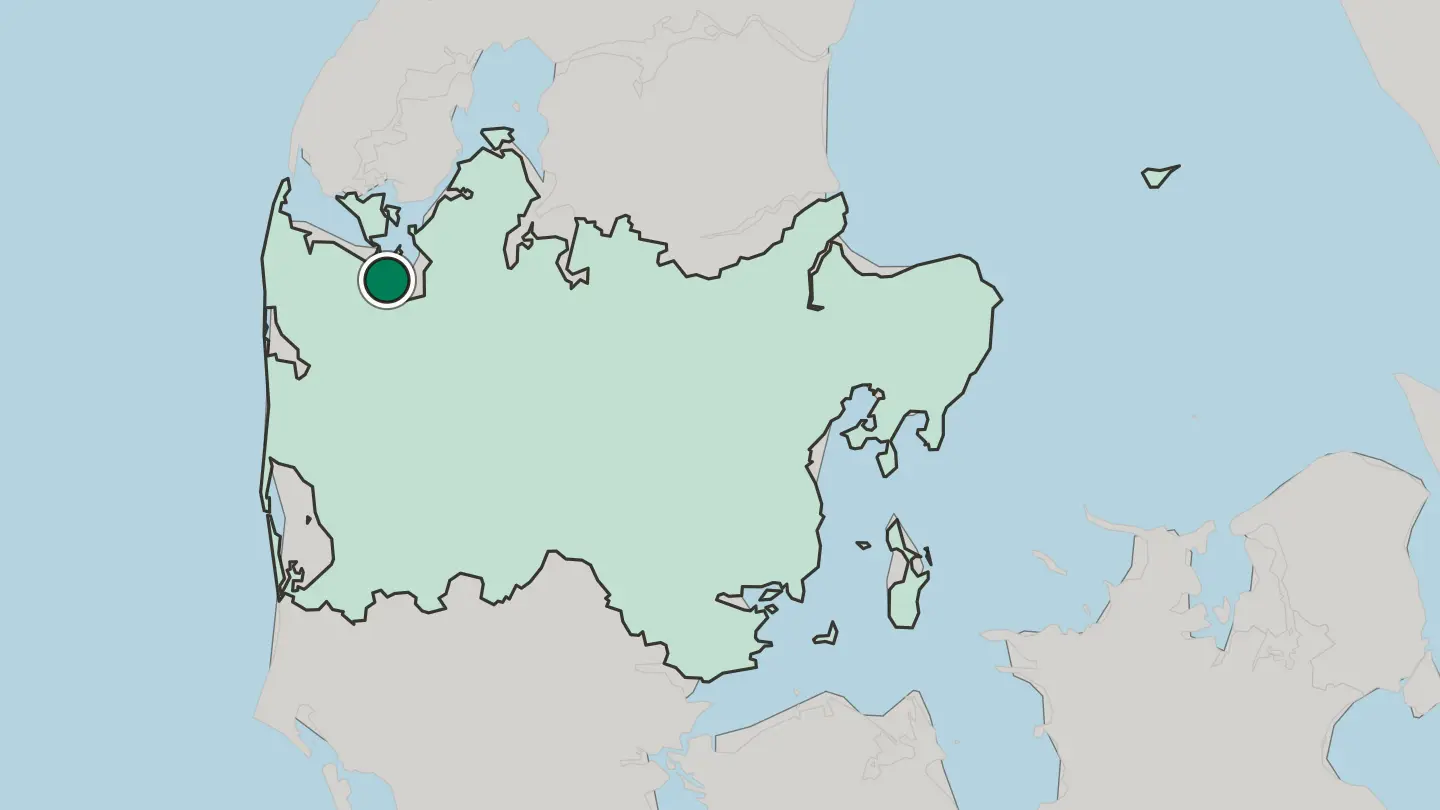 Denmark
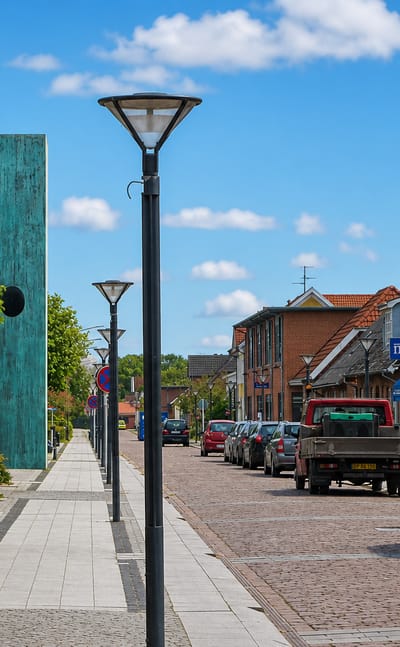
Ringkøbing
Ringkøbing is an old harbour town in western Denmark, on the Jutland peninsula, seat of Ringkøbing-Skjern Municipality.Where to stay →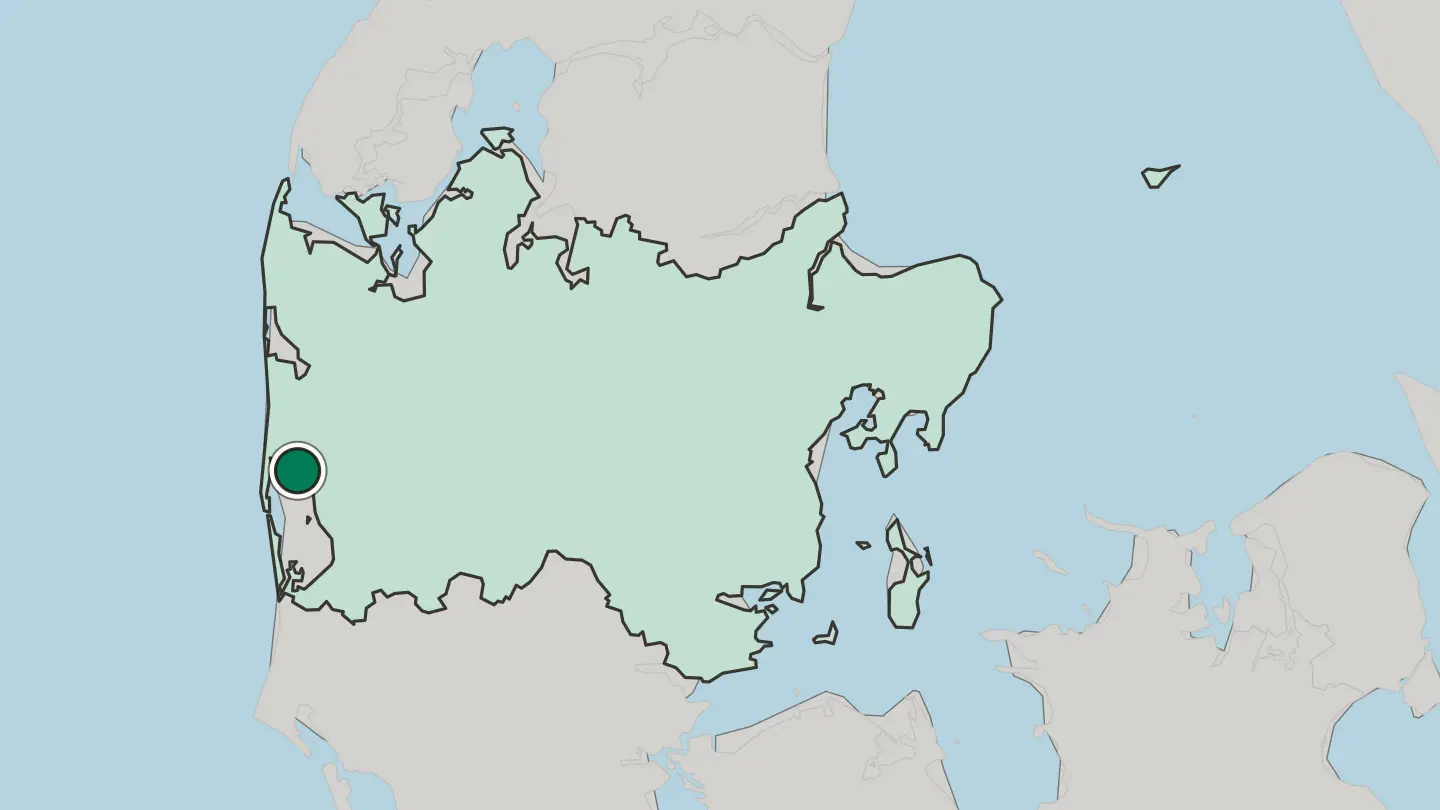
 Denmark
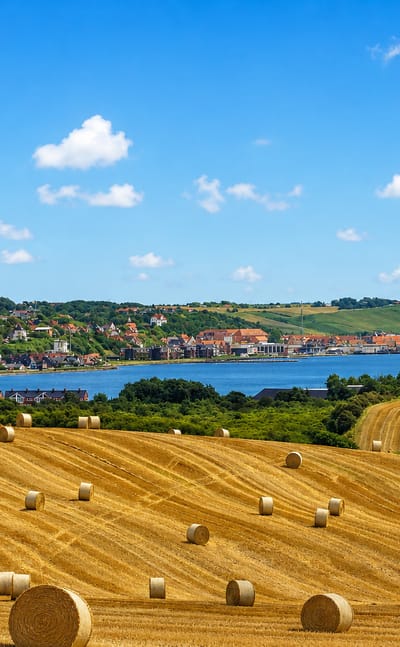
Hinnerup
Hinnerup is a commuter town in Favrskov Municipality, in central Denmark on the Jutland peninsula.Where to stay →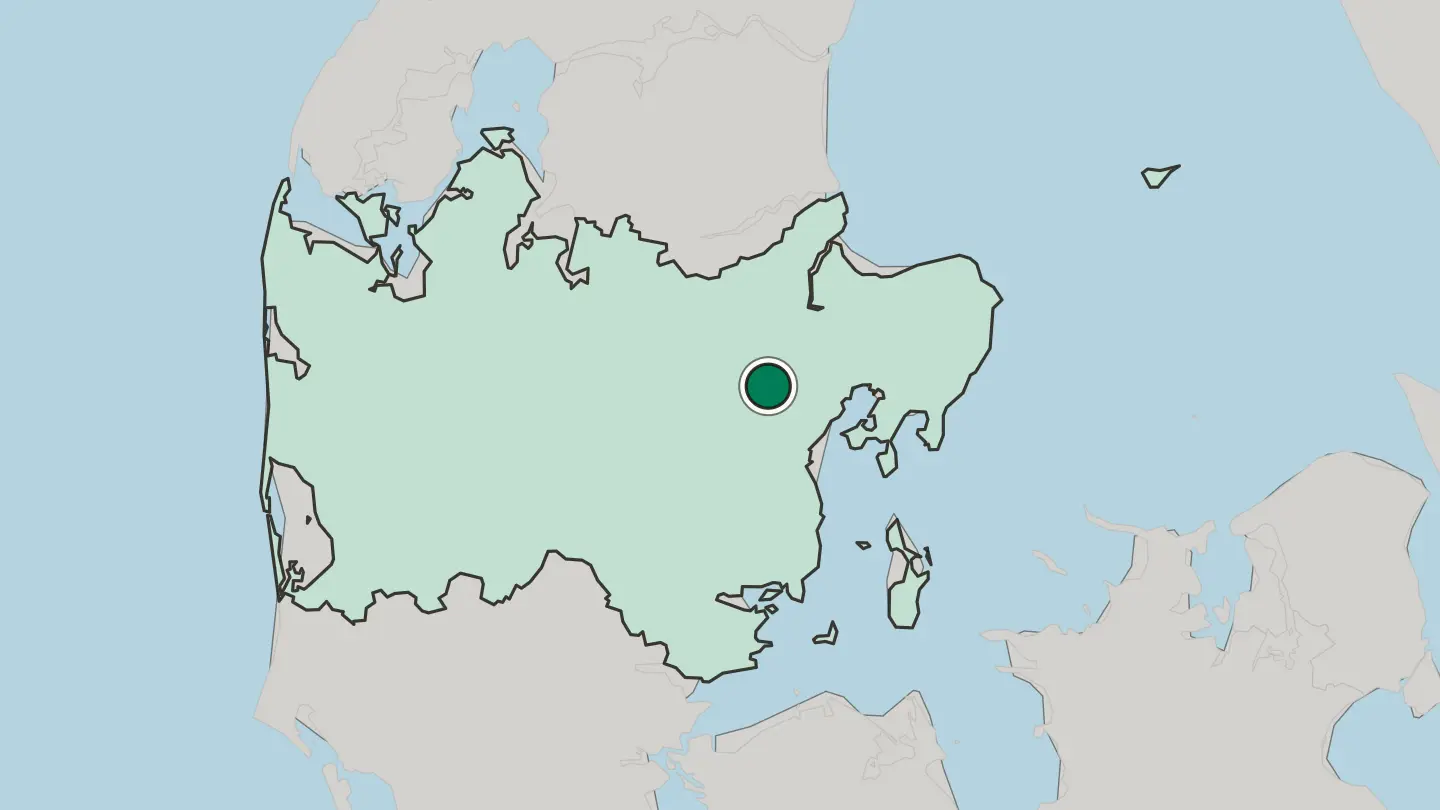
 Denmark
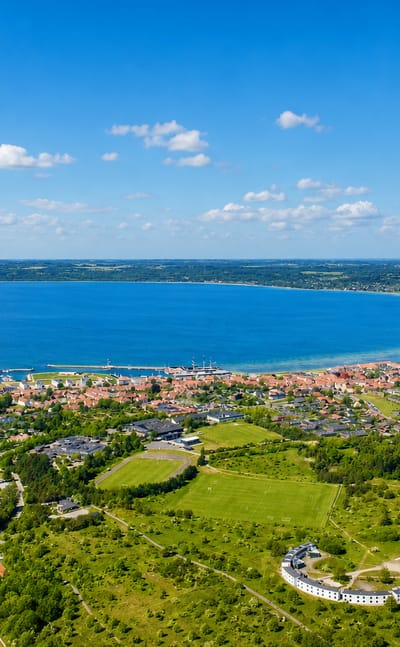
Lemvig
Lemvig is a market town wrapped around a sheltered inlet of the Limfjord in western Denmark, on the Jutland peninsula.Where to stay →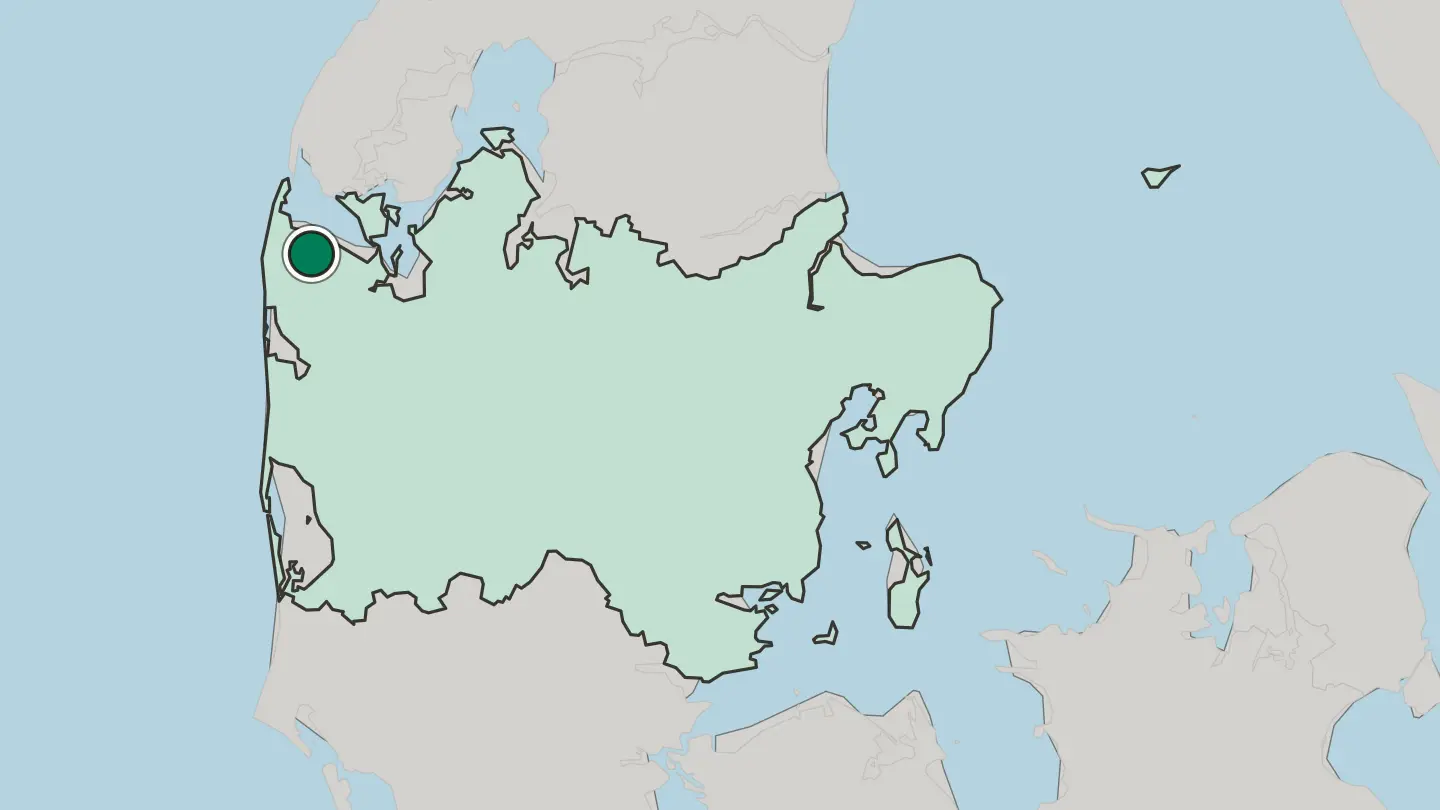
 Denmark
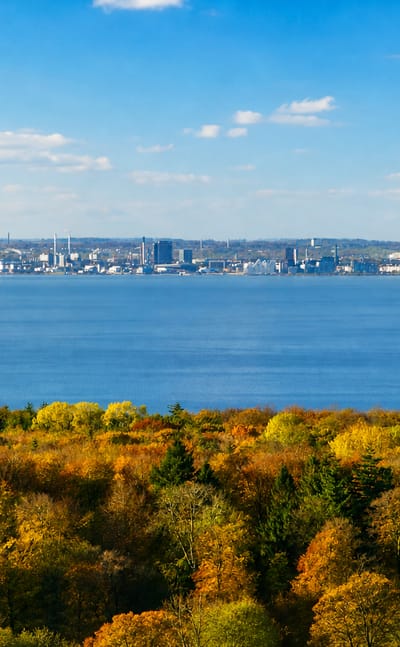
Ebeltoft
Ebeltoft is a cobbled old market town on Jutland's eastern coast, in central Denmark, on the Jutland peninsula.Where to stay →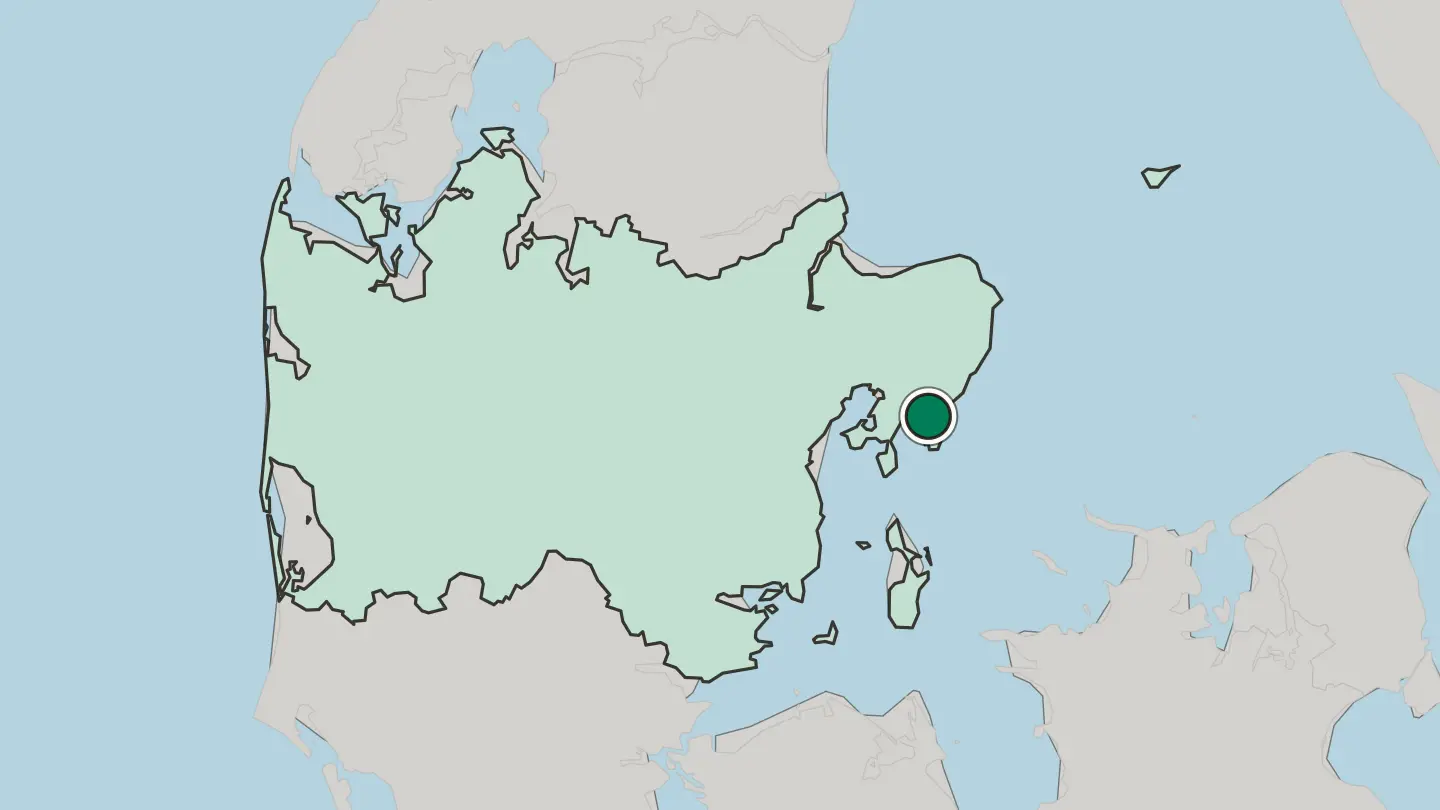
 Denmark
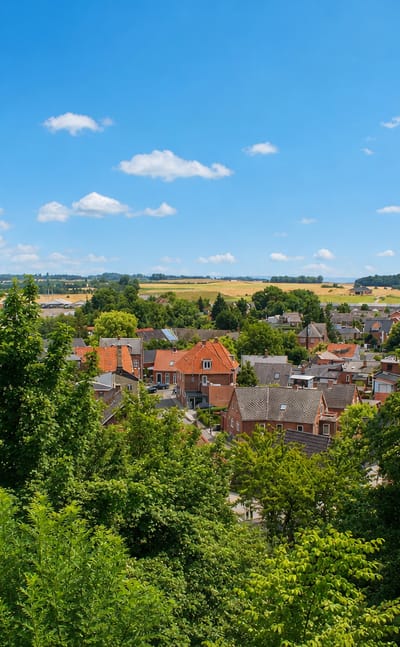
Rønde
Rønde is a small inland town on the Djursland hills of eastern Jutland, in central Denmark, on the Jutland peninsula.Where to stay →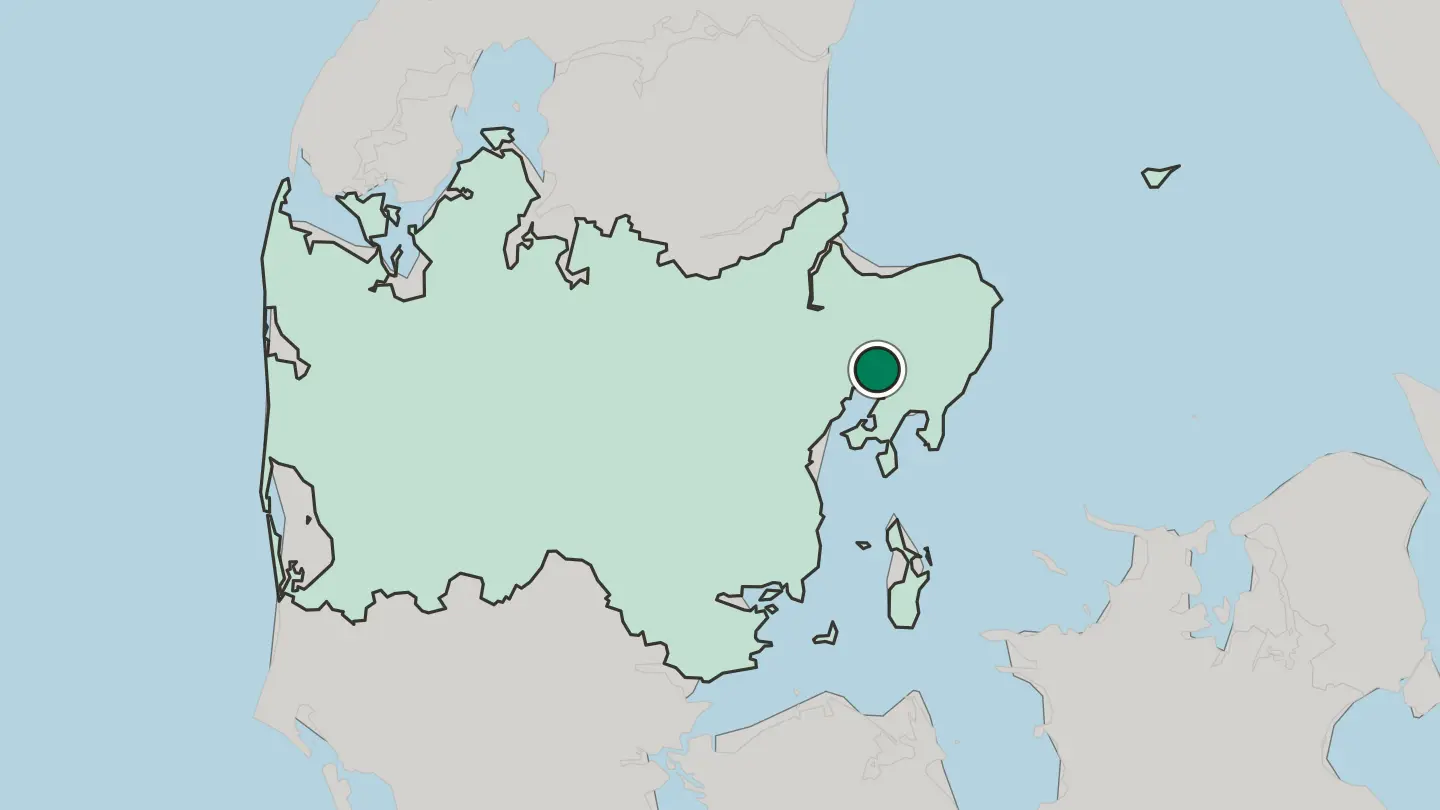
 Denmark
Tranebjerg
Tranebjerg is the main village of the island of Samsø, the administrative heart of Samsø Municipality in central Denmark.Where to stay →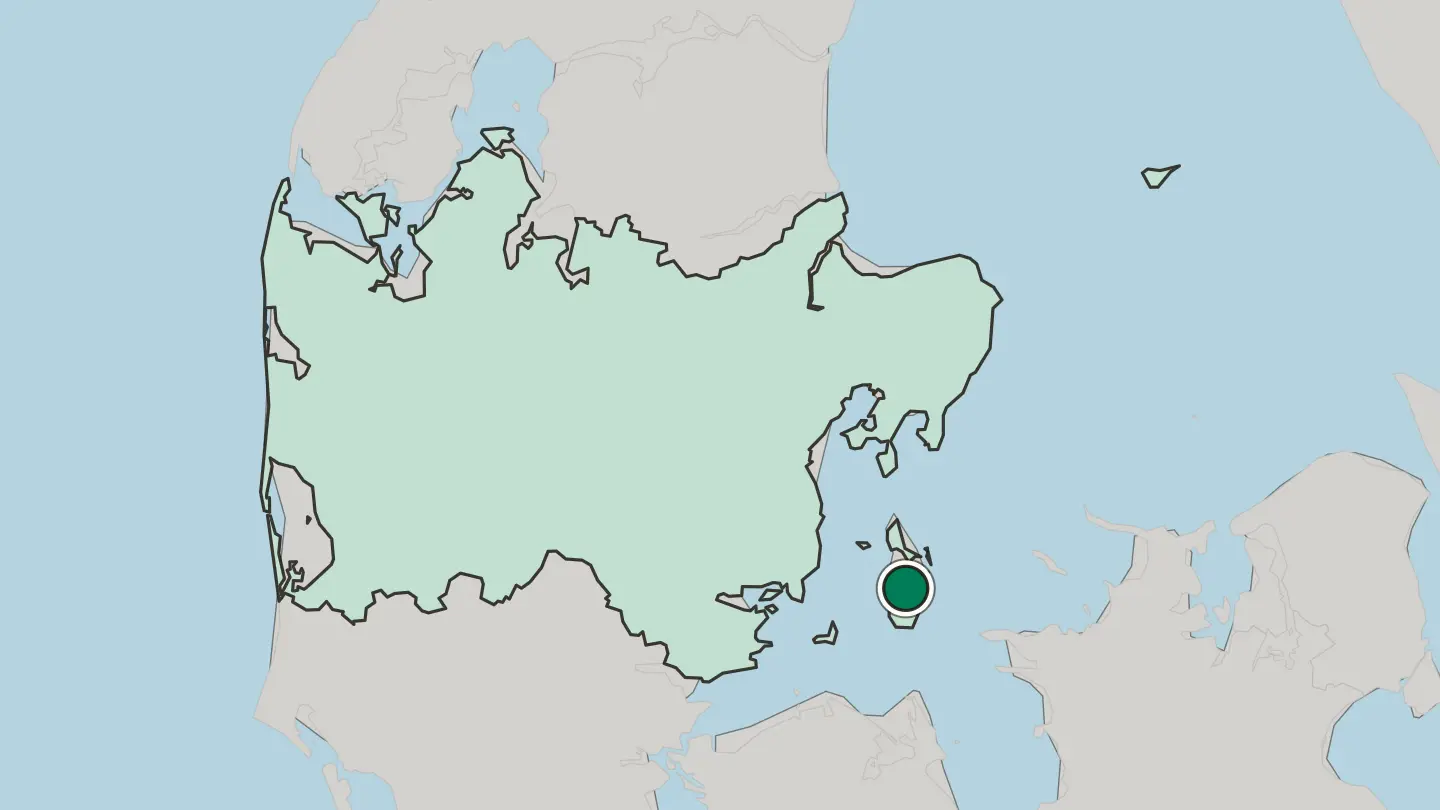
 Denmark
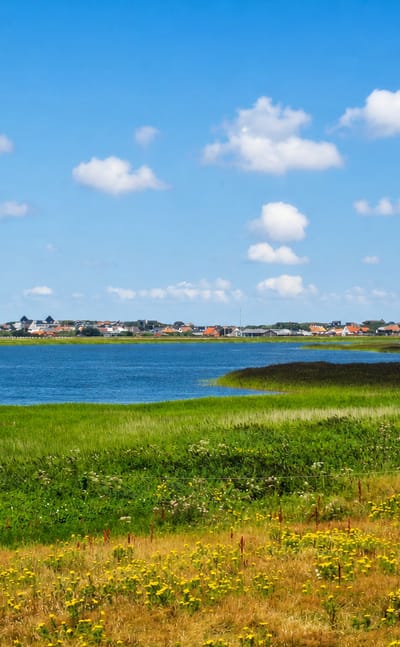
Søndervig
Søndervig is a North Sea beach resort on the dune coast of western Denmark, on the Jutland peninsula.Where to stay →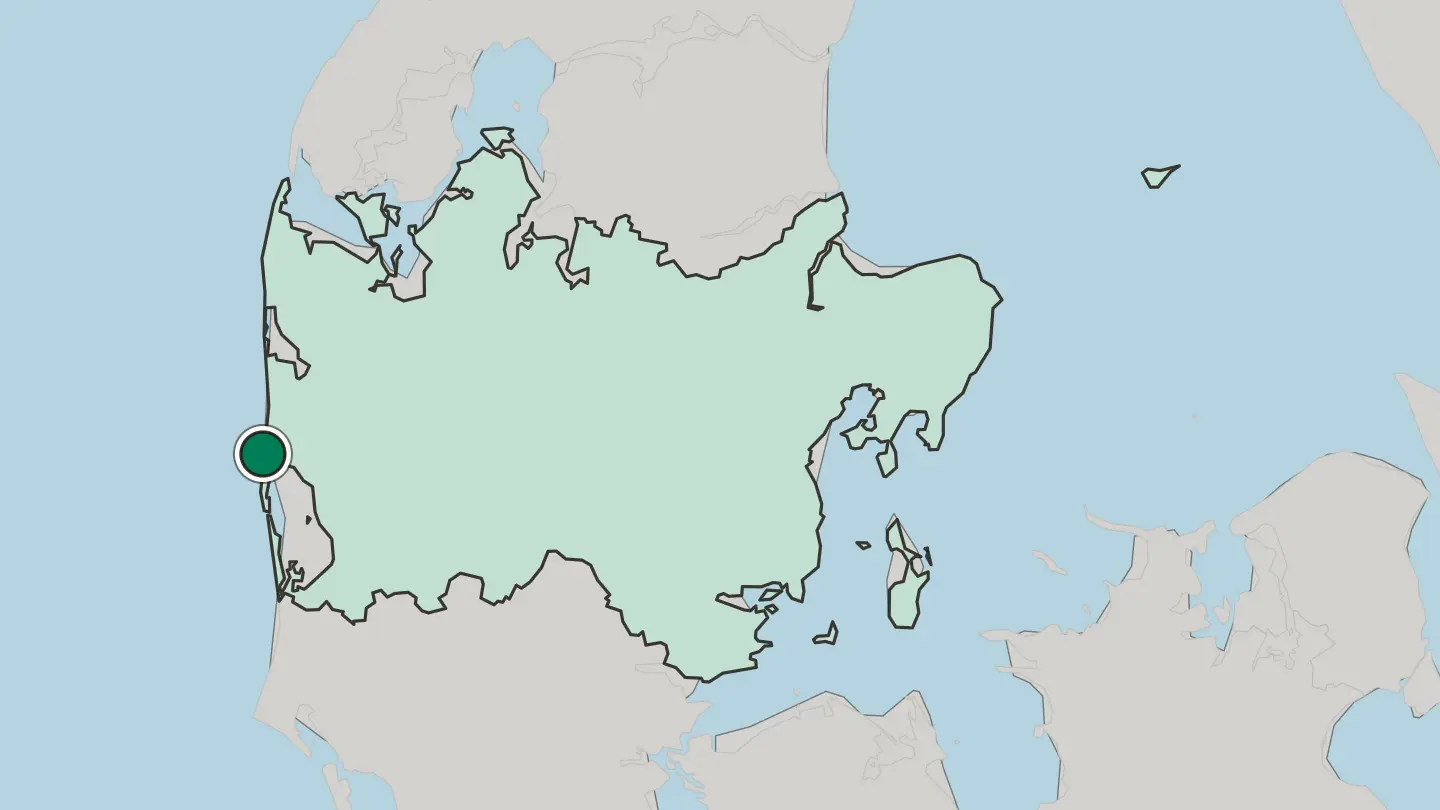
Hotel links are affiliate links: booking through them may earn us a commission, at no extra cost to you. It never affects how places are ranked. How this works
About Region Midtjylland
This is the broad middle of the mainland.
What is Region Midtjylland known for?
The region stretches across central Denmark on the Jutland peninsula, from the North Sea dunes in the west to the wooded lake country and the eastern coast, and it is known above all for Aarhus, the country's second city. Inland it holds the lake-and-heath districts around Silkeborg and Viborg, the moorland market towns of Herning and Holstebro, and the fjord harbour of Ringkøbing. The land runs sea to sea.
Where is Region Midtjylland?
Central Denmark covers the broad middle of the Jutland peninsula, the only Danish region to reach right across the mainland from sea to sea. In the west it meets the North Sea along a low coast of dunes, lagoons, and the fjord harbour of Ringkøbing, and the land rolls eastward through old heath and moorland around Herning and Holstebro into the wooded lake country at the peninsula's heart. Silkeborg and Viborg sit among those lakes.
From there the ground falls toward the eastern shore and the inner straits, where Aarhus, Randers, and Horsens stand on the bays and inlets of the calmer coast. The region holds Denmark's most varied inland country. Here lie the longest rivers and the largest lakes of the flat kingdom, the modest hills of the central ridge, and the wide heaths that farmers and foresters slowly turned to field and plantation.
The two coasts could hardly differ more. The wind-scoured North Sea shore in the west and the sheltered, town-lined eastern bays bracket a middle land of woods, water, and open heath that gives the region of central Denmark its sea-to-sea span.
What is Region Midtjylland like?
Life here turns on the contrast between coast and inland. The eastern towns of Aarhus, Randers, and Horsens have long lived by their harbours and trade, while the western heath country around Herning and Holstebro grew up on farming, weaving, and the slow taming of the moors, and the language across all of it is Danish. Aarhus carries the region's cultural weight.
As Jutland's largest city and a university town, it gathers the museums, theatres, and student life that give the region its modern edge, while Viborg holds an older, church-and-assembly tradition at the historic heart of the peninsula. The inland lake and forest country shapes a quieter culture of its own. Around Silkeborg the woods, lakes, and the central ridge draw walkers, paddlers, and summer visitors into a green Denmark far from the sea, and the old market towns keep their fairs, churches, and local festivals.
The west looks to the open shore. The North Sea coast around Ringkøbing carries a fishing and dune-land temper distinct from the wooded middle, so the region holds several Denmarks at once across its sea-to-sea breadth.
What is the history of Region Midtjylland?
The region was drawn in 2007, when Denmark redrew its map and joined the towns of central Jutland into a single region. Its towns are far older than its borders. Viborg stood for centuries as the assembly and church seat of the peninsula, the place where Danish kings were once hailed, while Aarhus grew from an early harbour into the great city of the eastern coast, and Randers and Horsens rose as trading ports on their inlets.
The heaths came late. Only in recent centuries did farmers and town-builders turn the moors around Herning and Holstebro into the fields and market towns the modern region now holds together.
What is the climate of Region Midtjylland?
Central Denmark has a mild, temperate maritime climate, though the two coasts feel it differently. The exposed North Sea shore around Ringkøbing takes the brunt of the wind and rain, while the inland lake country near Silkeborg and the sheltered eastern bays at Aarhus run a touch calmer and drier. Winters stay cool and damp.
Summers are mild and long in light, drawing visitors to the western dunes and the inland lakes and woods alike, and the wind off the open western sea is felt far across the flat middle of the peninsula in every season.
How do you get to Region Midtjylland?
Aarhus is the region's gateway. Fast rail and motorway run up the eastern spine of the Jutland peninsula to the city and on to Randers and Horsens, and a regional airport serves the area near Billund to the south. Roads cross west to the coast.
Lines and highways reach inland to Silkeborg, Viborg, and Herning and out to the North Sea harbour of Ringkøbing, while ferries from the eastern ports link the region across the inner straits to the islands of the rest of Denmark.
Common questions
What is the best area to stay in Region Midtjylland?
Aarhus: first-timers wanting a city base. Lake country and the west coast: travellers after woods, heath, and the North Sea.
Good for
More regions in Denmark
Updated September 2026