Denmark · Region Syddanmark
Where to Stay in Fredericia, Region Syddanmark
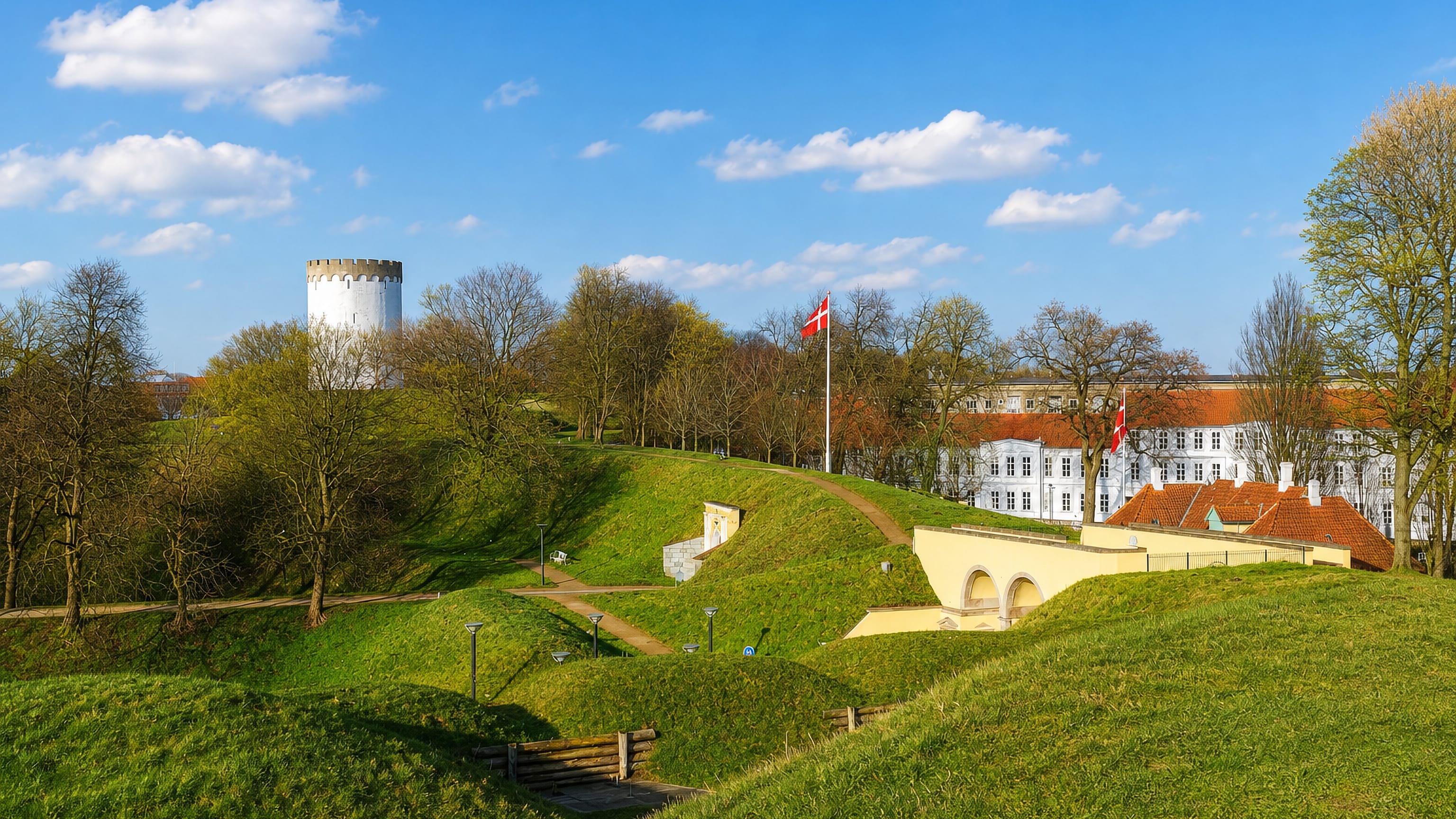
Fredericia is an old fortress town on the strait toward the island of Funen, in central Denmark.
Hotel links are affiliate links: booking through them may earn us a commission, at no extra cost to you. It never affects how places are ranked. How this works


Where to stay in Fredericia
How the choice of base plays out on the ground.
Most beds in Fredericia gather inside the old ramparts, where hotels and guest rooms stand on the grid of straight streets within a short walk of Sankt Michaelis Kirke, the squares and the monument of Landsoldaten. The walled centre is the obvious base. It suits visitors who want the fortress town, the churches and the Fredericia Bymuseum on the doorstep.
Down by the harbour and the strait toward Funen, waterfront rooms look over the busy crossing and the ferry quays. Beds there serve travellers. Out toward the Fredericia Idrætscenter and the road approaches, larger hotels and motels stand handy for drivers and event crowds, while quieter guesthouses spread through the suburbs and country of Fredericia Municipality.
Reserve ahead in summer, when the ramparts and the harbour draw visitors to this fortress town of central Denmark.
Find hotels in Fredericia
Direct booking searches for these neighbourhoods.
Walled grid by Sankt Michaelis Kirke
hotels on the Fredericia grid near Sankt Michaelis Kirke and LandsoldatenFind hotels in Walled grid by Sankt Michaelis Kirketravellers using the crossing toward FunenHarbour and the strait crossing
waterfront rooms over the Fredericia ferry quays and straitFind hotels in Harbour and the strait crossingdrivers and event crowdsFredericia Idrætscenter approaches
motels by the Fredericia Idrætscenter and road approachesFind hotels in Fredericia Idrætscenter approachesHotel links are affiliate links: booking through them may earn us a commission, at no extra cost to you. It never affects how places are ranked. How this works
Things to do in Fredericia
Ranked by global recognition; descriptions from Wikidata (CC0).
Museums & Galleries
1- Fredericia Bymuseum
Churches & Religious Sites
3- Sankt Knuds Kirke Heritage
- Sankt Michaelis Kirke
- Trinitatis Kirke
Castles & Historic Sites
1- Den tapre Landsoldat Heritage
Stadiums & Sports
1- Fredericia Idrætscenter indoor sports arena
worth knowingacross 4 categories in Fredericia
About Fredericia
What is Fredericia known for?
Fredericia is known as a planned fortress town, ringed by old ramparts and laid out on a grid by royal command above the strait that narrows toward the island of Funen. The walls made the place. Within them the churches of Sankt Knuds Kirke, Sankt Michaelis Kirke and Trinitatis Kirke mark the straight streets, while the monument of Landsoldaten honours the soldiers of the battle that the town is remembered for.
The seat of Fredericia Municipality keeps its military story at the Fredericia Bymuseum, in the northern part of Southern Denmark.
What are the main landmarks in Fredericia?
Landsoldaten stands within the ramparts of Fredericia, the monument to the foot soldier raised for the battle that the fortress town remembers. That statue speaks for the walls. Three churches mark the grid of streets: Sankt Knuds Kirke, Sankt Michaelis Kirke and Trinitatis Kirke each rise among the straight blocks of the planned town.
Its military past runs deep. The Fredericia Bymuseum gathers the story of the fortress and the siege, while the modern Fredericia Idrætscenter serves the sport and events of Fredericia Municipality in the northern part of Southern Denmark.
What is the history of Fredericia?
Fredericia was founded in 1650 to guard the strait toward the island of Funen. The crown laid out a planned town behind great earthen ramparts, drew settlers in with privileges of trade and worship, and set the grid of straight streets that still orders the centre. Walls came first.
The churches of Sankt Knuds Kirke, Sankt Michaelis Kirke and Trinitatis Kirke rose among the blocks for the different communities the king invited to the new garrison town of central Denmark. War made the town famous. Fredericia was besieged and stormed in the wars of the 19th century, and the sortie of its garrison in a great battle is the deed that the monument of Landsoldaten keeps alive on the ramparts.
The fortress role faded as the railways and the strait crossing turned Fredericia into a junction and harbour town, the long military story now told in the Fredericia Bymuseum, while the city became the seat of its municipality in the northern part of Southern Denmark.
Where is Fredericia?
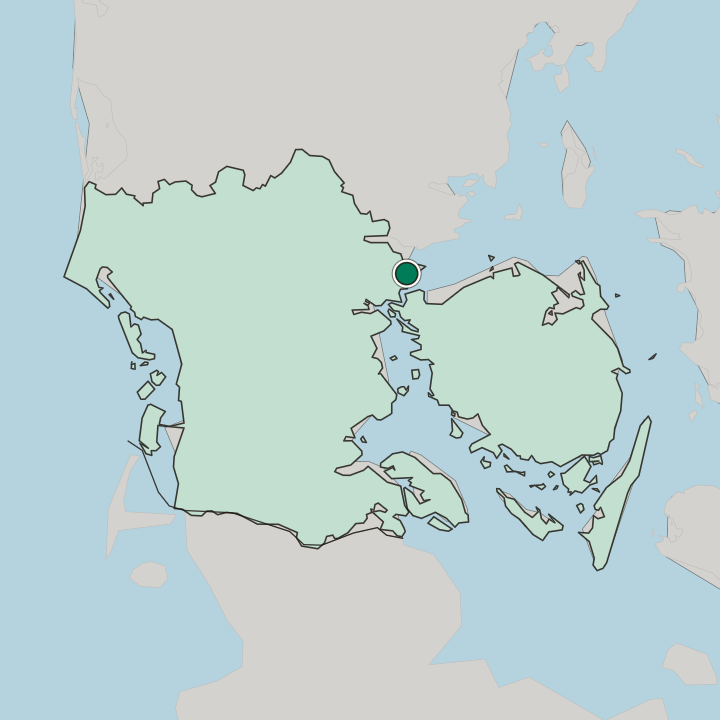
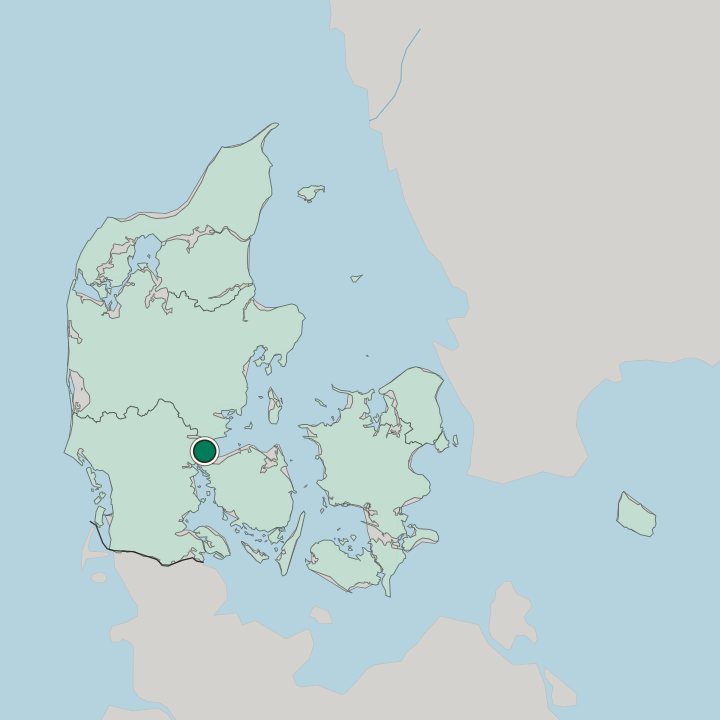
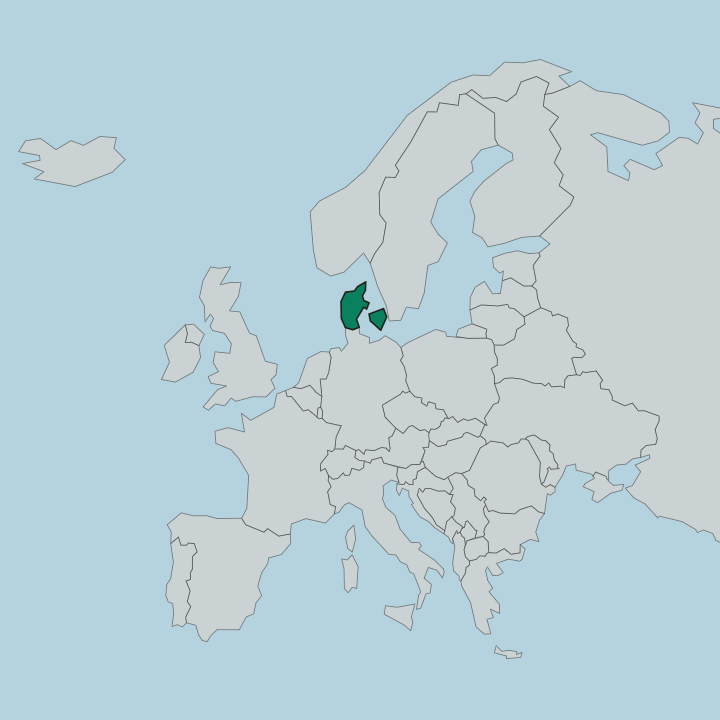
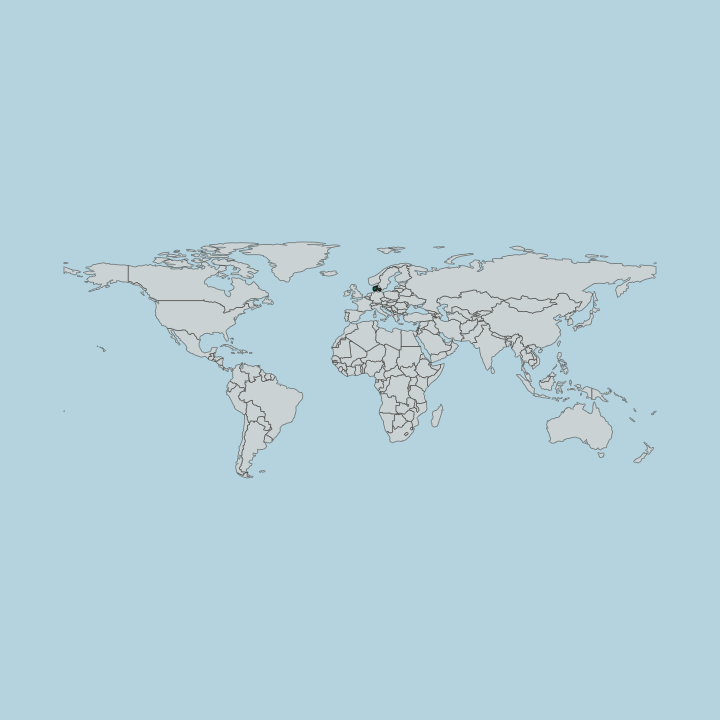
Fredericia stands above the strait that narrows toward the island of Funen, in the northern part of Southern Denmark, in central Denmark. The old town sits behind its ramparts on a low point of land, the grid of streets running back from the water around Sankt Michaelis Kirke and the centre. Water guards two sides.
The harbour and the busy crossing lie below the walls, and beyond the built-up edge the farmland of Fredericia Municipality reaches inland, past the suburbs and the Fredericia Idrætscenter into the country of central Denmark.
What is the climate of Fredericia?
Fredericia has the mild, damp maritime climate of central Denmark. Winters stay cool and grey rather than hard, the strait toward Funen keeping deep frost and lasting snow off the low ground around the ramparts through most of the season. Lasting snow rarely settles.
Fredericia's summers turn warm but shift from sun to shower. Sea air over the busy crossing tempers the heat and feeds the wind across the flat point of land under the long northern daylight, while cloud and rain reach this corner of Southern Denmark in every month of the year.
How do you get to Fredericia?
Fredericia is one of the great rail junctions of Denmark, set where the lines meet at the strait toward the island of Funen. Trains converge here from the north and west and cross the water eastward toward the rest of the country, and the station stands a short walk from the ramparts and Sankt Michaelis Kirke. Roads and the harbour add to it.
The motorways carry the traffic of Fredericia Municipality past the town, the harbour handles freight and ferries on the strait, and the regional airports of the wider area serve the longer journeys of travellers reaching this fortress town of central Denmark from abroad.
Common questions
What is the best area to stay in Fredericia?
Walled grid by Sankt Michaelis Kirke: visitors who want the fortress streets and ramparts on foot. Harbour and the strait crossing: travellers using the crossing toward Funen. Fredericia Idrætscenter approaches: drivers and event crowds.
Good for
More cities in Region Syddanmark
Updated October 2026