Denmark · Region Syddanmark
Where to Stay in Svendborg, Region Syddanmark
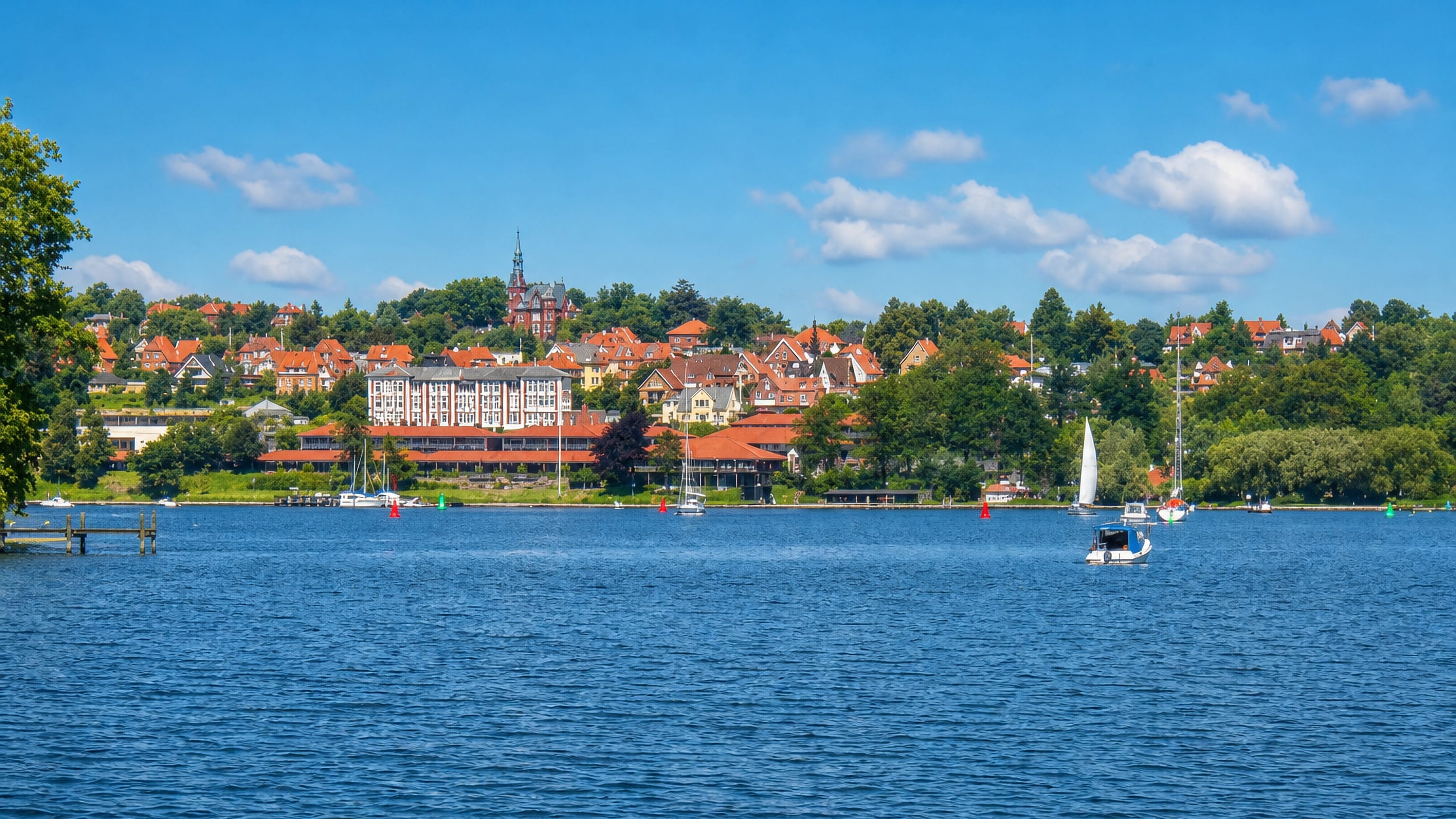
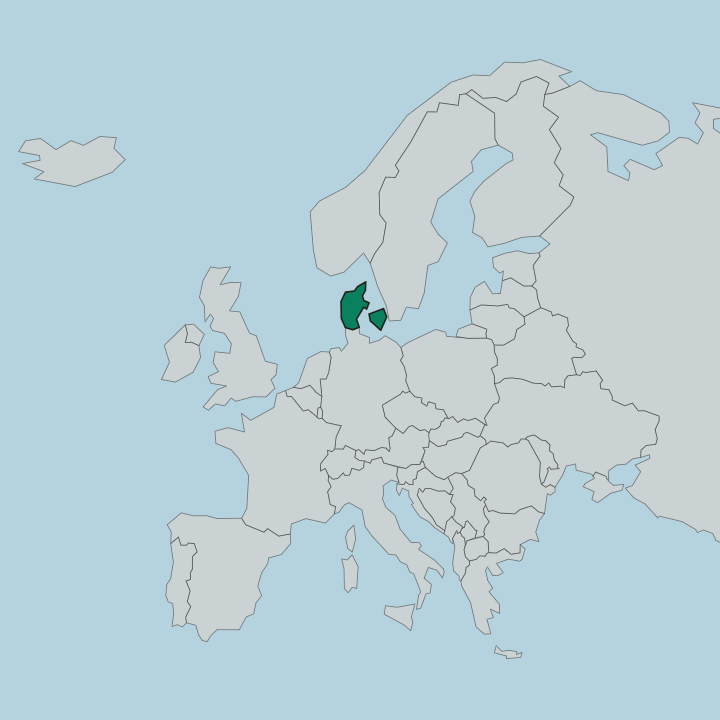
Svendborg is a harbour town in central Denmark, on the island of Funen, the seat of Svendborg Municipality.
Hotel links are affiliate links: booking through them may earn us a commission, at no extra cost to you. It never affects how places are ranked. How this works


Where to stay in Svendborg
Where visitors usually base themselves, and why.
Most beds in Svendborg gather around the harbour, where hotels and guest rooms look out over the sound toward Tåsinge and the boats of the South Funen Archipelago. The harbour quarter suits travellers who want the ferries to Ærø and the quayside cafés at the door. It is the busiest base.
Up in the old town the streets climb away from the water between the medieval Sankt Nicolai Kirke and Vor Frue Kirke, where smaller hotels and inns sit close to the shops and the everyday life of Funen's second town. Out toward the bridge to Tåsinge and the writer's house at Brechts Hus the lodging thins to guesthouses and holiday rooms, handy for visitors touring Langeland and the islands by car. Book ahead in the sailing season, when the harbour fills.
With its mix of quayside hotels and quieter quarters, Svendborg works well as a base in central Denmark for travellers who spend their days on the water of the archipelago and want a working harbour town to return to each evening.
Find hotels in Svendborg
Direct booking searches for these neighbourhoods.
Svendborg harbour
quayside hotels facing the sound and the boats to ÆrøFind hotels in Svendborg harbourguests who like the medieval streetsSvendborg old town
small hotels between Sankt Nicolai Kirke and Vor Frue KirkeFind hotels in Svendborg old towndrivers touring Langeland and the archipelagoTåsinge bridge approach
guesthouses near the bridge and the writer's house at Brechts Hus. Lodging is scarce in this area; reserve in advance.Find hotels in Tåsinge bridge approachHotel links are affiliate links: booking through them may earn us a commission, at no extra cost to you. It never affects how places are ranked. How this works
Things to do in Svendborg
Ranked by global recognition; descriptions from Wikidata (CC0).
Museums & Galleries
2- Danmarks Forsorgsmuseum Heritage
- Danmarks Museum for Lystsejlads
Churches & Religious Sites
3- Church of Our Lady
- St. Nicholas Church
- Church of Peace
Landmarks & Notable Places
1- Brechts Hus house
worth knowingacross 3 categories in Svendborg
About Svendborg
What is Svendborg known for?
Svendborg is the sailing town of the South Funen Archipelago. From its harbour the ferries run out to Ærø and the road crosses to Tåsinge and Langeland, while the natural-history galleries of Naturama and the maritime collection of the Danmarks Museum for Lystsejlads draw visitors in the town itself. Sailing defines it.
The medieval Sankt Nicolai Kirke and Vor Frue Kirke, the workhouse story kept by Danmarks Forsorgsmuseum, and the writer's refuge of Brechts Hus give Svendborg its further draws on the south coast of Funen.
What are the main landmarks in Svendborg?
Sankt Nicolai Kirke marks the old town. The red-brick medieval church stands on the rise above the harbour, the senior of the town's churches with the later Vor Frue Kirke and Fredens Kirke nearby. Down by the water the natural-history halls of Naturama and the maritime collection of the Danmarks Museum for Lystsejlads draw the crowds, while the old poorhouse now kept as Danmarks Forsorgsmuseum tells a harder story.
Beyond the bridge the writer's refuge of Brechts Hus and the Tåsinge Museum sit on the island, and the medieval Franciskanerklostret i Svendborg recalls the friars who once held the town. Church and harbour mark the place.
What is the history of Svendborg?
Svendborg grew up as a market town on the sound. On the south coast of Funen it gathered around the rise where Sankt Nicolai Kirke still stands, its trade carried by the boats that worked the sheltered water of the South Funen Archipelago. Friars of the Franciskanerklostret i Svendborg held a house in the town, and the later Vor Frue Kirke rose among the streets.
The harbour made the town. The sea then shaped its long working life. Shipyards and sail-lofts lined the water, ferries ran out to Ærø and the islands, and the bridge to Tåsinge tied the town to Langeland and the south; the poor of the region passed through the workhouse now kept as Danmarks Forsorgsmuseum, while the playwright Bertolt Brecht found a refuge in his years of exile at Brechts Hus.
In 2003 the town marked its seven hundred and fiftieth year as a market town. Through trade, shipbuilding, and the slow turn toward sailing and tourism that brought the halls of Naturama and the Danmarks Museum for Lystsejlads, Svendborg held its place as the second town of Funen and the harbour of the archipelago in central Denmark.
Where is Svendborg?
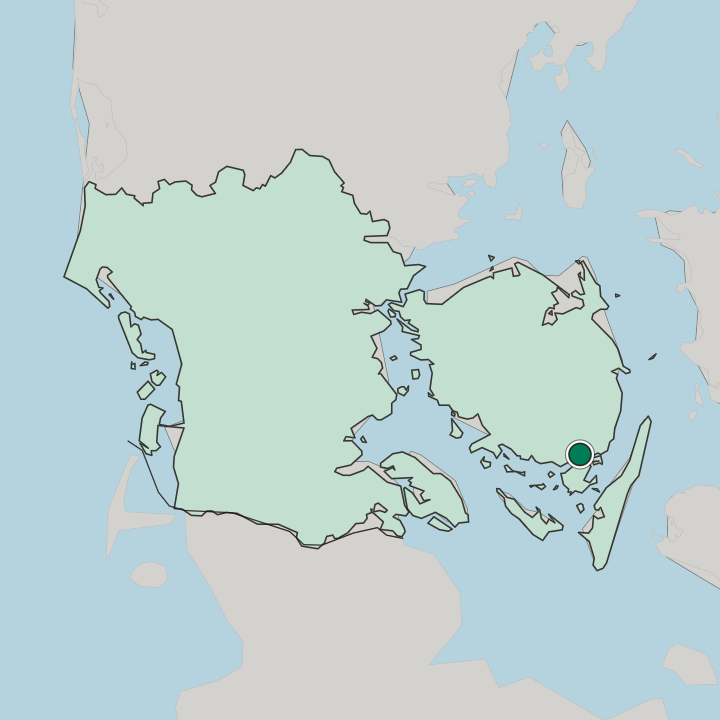
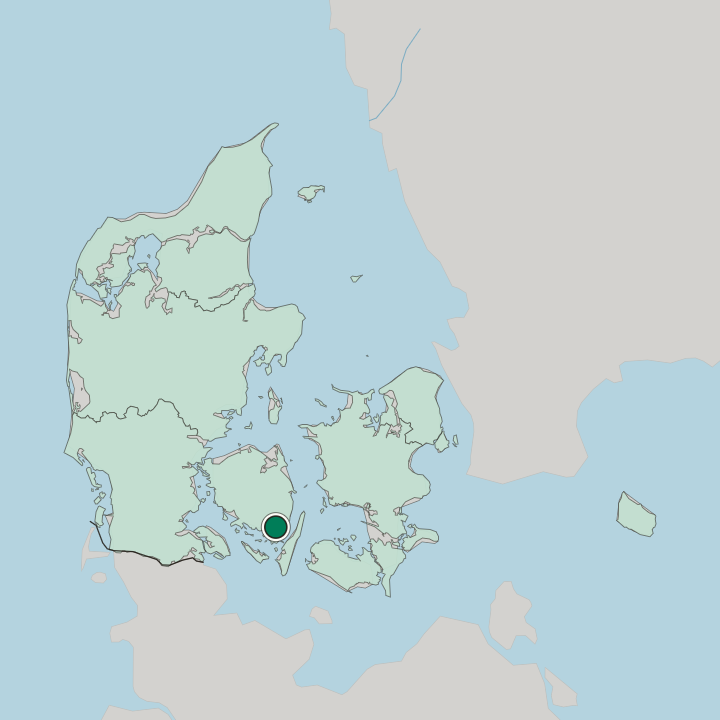
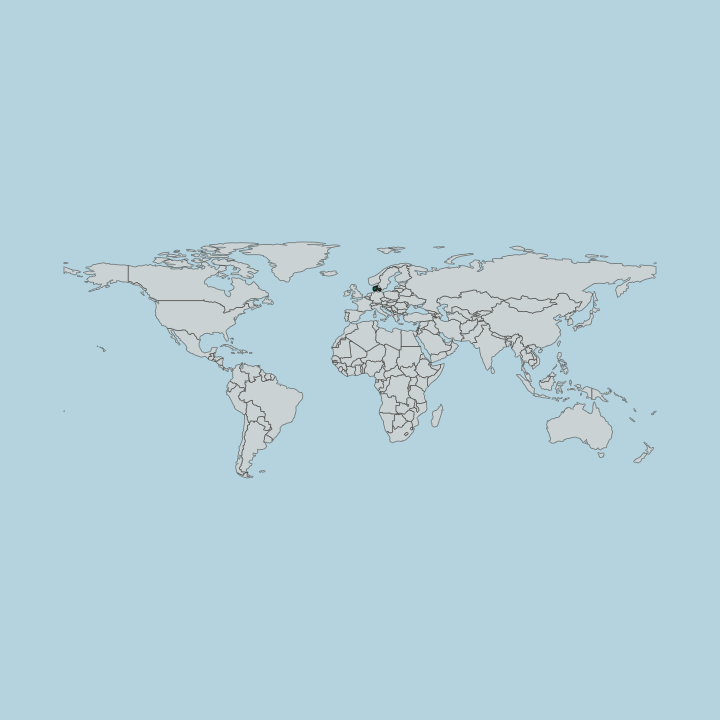
Svendborg lies in central Denmark, on the island of Funen, along the sound that separates Funen from Tåsinge in the south-eastern part of Southern Denmark. The town climbs the slope from its harbour, looking out over the sheltered water of the South Funen Archipelago toward the scatter of islands and the road and ferry routes to Langeland and Ærø. The land rolls gently inland.
A bridge carries the road across the sound to Tåsinge, while Svendborg Municipality runs out across the farmed island and the broken coast of the archipelago.
What is the climate of Svendborg?
Svendborg has the mild, damp coastal climate of southern Funen. Winters are cool and grey rather than hard, with frequent rain off the sound and only short frost and thin snow over the low ground of the island, gentler than the deeper cold that grips the land much further north. Tåsinge lies just across the sound.
The bright months run warm and long-lit, when the sheltered water of the South Funen Archipelago and the slopes above the harbour hold their green into the late dusk. Wind and cloud off the Baltic reach this part of central Denmark in every season.
How do you get to Svendborg?
Svendborg sits at the end of the rail line down the island, with trains running through the day from Odense and the junctions of Funen and on toward the rest of the country. Ferries leave the harbour for Ærø. National Road 9 leads from Svendborg to the islands of Tåsinge and Langeland.
Visitors heading out into the South Funen Archipelago board the boats at the quay, while travellers from abroad use the airport at Odense or the larger hubs reached by the same rail and road routes that carry the town's everyday traffic.
Common questions
What is the best area to stay in Svendborg?
Svendborg harbour: travellers bound for the island ferries. Svendborg old town: guests who like the medieval streets. Tåsinge bridge approach: drivers touring Langeland and the archipelago.
Good for
More cities in Region Syddanmark
Updated October 2026