Denmark · Region Syddanmark
Where to Stay in Kolding, Region Syddanmark
Kolding is an old royal castle town on the Jutland peninsula, in southern Denmark.
Hotel links are affiliate links: booking through them may earn us a commission, at no extra cost to you. It never affects how places are ranked. How this works


Where to stay in Kolding
Where the beds are, and what that means for the visit.
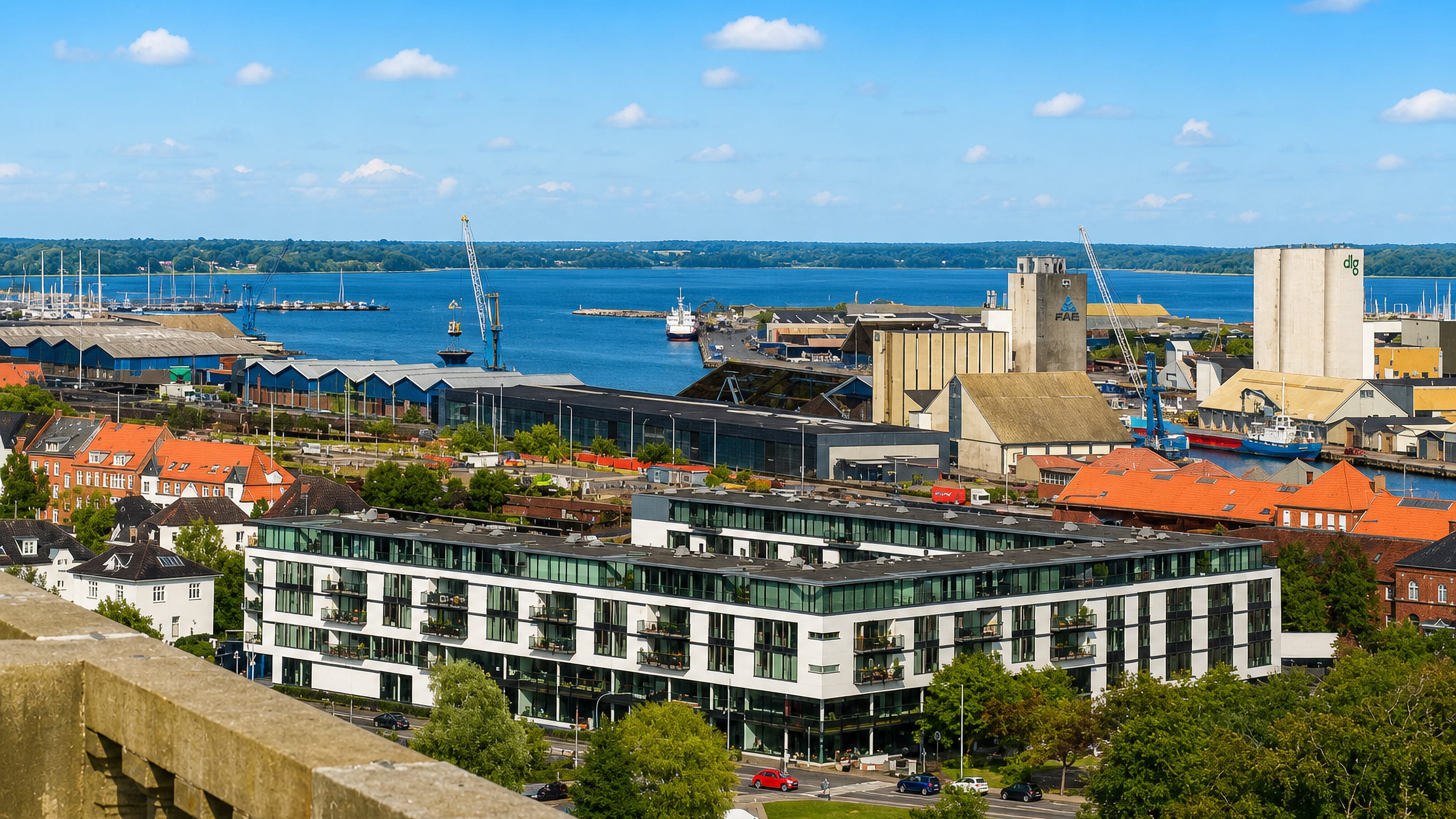
Most beds in Kolding gather in the old centre below Koldinghus, where hotels and guest rooms stand within a short walk of the castle rise, the lake and the streets around Sankt Michaels Kirke. The old centre below Koldinghus is the obvious base. It suits visitors who want the royal castle, the shops and the lakeside baths of Slotssøbadet on the doorstep.
Out toward Trapholt and the inlet, rooms look over the water and put the art museum and the shore within reach. Beds there are quieter. Through the suburbs and the country parishes of Kolding Municipality, around Seest Kirke and Brændkjærkirken and out by the old waterworks of Harteværket, guesthouses and farm stays make a calmer base on the Jutland peninsula.
Reserve ahead in the warm season, when the castle and the inlet draw visitors to this old royal town of southern Denmark.
Find hotels in Kolding
Direct booking searches for these neighbourhoods.
Old centre below Koldinghus
hotels under Koldinghus near Sankt Michaels Kirke and SlotssøbadetFind hotels in Old centre below Koldinghusthose wanting the art museum and waterfrontInlet shore by Trapholt
rooms over the inlet beside the Trapholt art museum. Lodging is scarce in this area; reserve in advance.Find hotels in Inlet shore by Trapholttravellers touring the Jutland country by carKolding Municipality parishes
farm stays around Seest Kirke, Brændkjærkirken and Harteværket. Lodging is scarce in this area; reserve in advance.Find hotels in Kolding Municipality parishesHotel links are affiliate links: booking through them may earn us a commission, at no extra cost to you. It never affects how places are ranked. How this works
Things to do in Kolding
Ranked by global recognition; descriptions from Wikidata (CC0).
Museums & Galleries
3- Koldinghus Heritage Danish royal castle
- Trapholt arts museum
- Museet på Koldinghus
Churches & Religious Sites
3- Sankt Michaels Kirke
- Brændkjær Church
- Seest Church
Stadiums & Sports
1- Slotssøbadet
worth knowingacross 3 categories in Kolding
About Kolding
What is Kolding known for?
Kolding is known above all for Koldinghus, the great royal castle that crowns the rise above the town and now holds its chief museum. The castle made the place. Below the walls the medieval streets gather around Sankt Michaels Kirke, the parish church of the old centre, and the seat of Kolding Municipality grew up at the head of the inlet on the Jutland peninsula.
Out at the edge of town the art museum Trapholt looks over the water, while the old waterworks of Harteværket recalls the early power that drove the city in the northern part of Southern Denmark.
What are the main landmarks in Kolding?
Koldinghus crowns the rise above Kolding, the old royal castle of the Danish kings and the chief sight of the town, its halls now the Museet på Koldinghus. The castle leads the city. Below it the lake and the baths of Slotssøbadet lie beside the centre, where Sankt Michaels Kirke marks the medieval heart.
The art and the waterworks stand apart. Trapholt looks over the inlet with its art and design collections, while the parish churches of Seest Kirke and Brændkjærkirken and the old hydro plant of Harteværket spread the sights of Kolding Municipality across the Jutland country.
What is the history of Kolding?
Kolding grew around a royal castle at the head of an inlet on the Jutland peninsula. Koldinghus rose on the rise above the water to guard the old border country of the kings of Denmark, and the medieval town gathered below the walls around Sankt Michaels Kirke. The border made the town.
For centuries Kolding sat where the routes of Jutland crossed near the ancient frontier, its trade and its garrison tied to the castle that loomed over the streets and the lake, the long story now kept in the Museet på Koldinghus. The castle burned and rose again. Koldinghus was rebuilt and restored across the generations, and Kolding spread out as a market and industrial town and became the seat of its municipality.
The early power station of Harteværket drove the modern city, while the country churches of Seest Kirke and Brændkjærkirken served the parishes, and the art museum Trapholt gathered design and painting by the inlet as Kolding settled into its place in the northern part of Southern Denmark.
Where is Kolding?
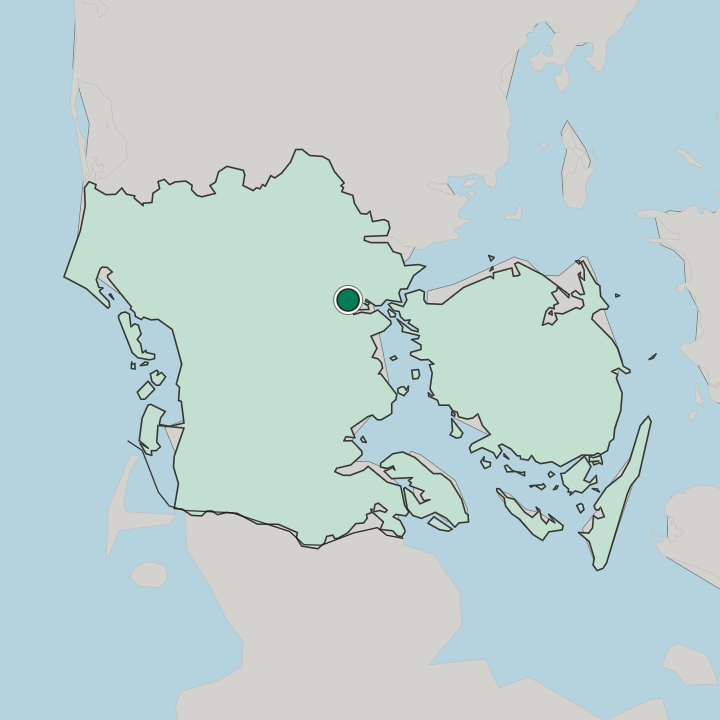
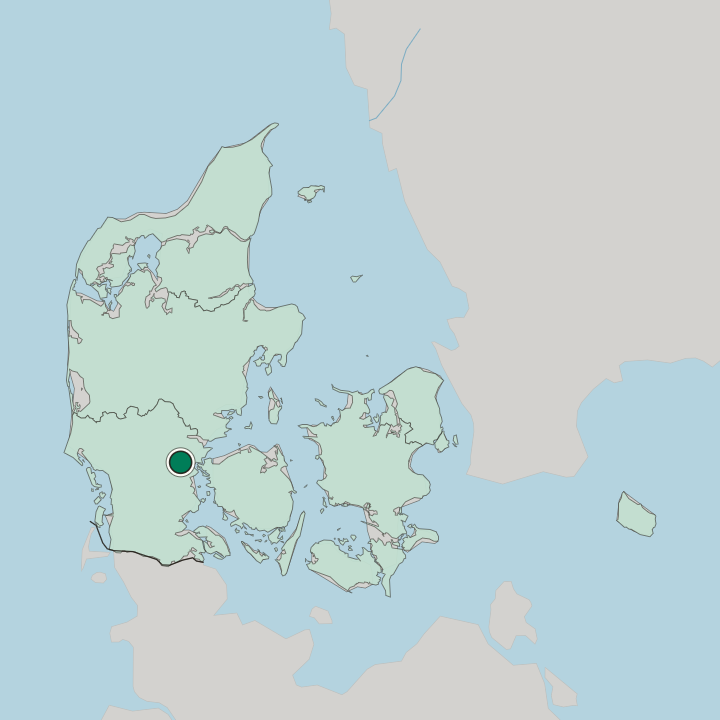
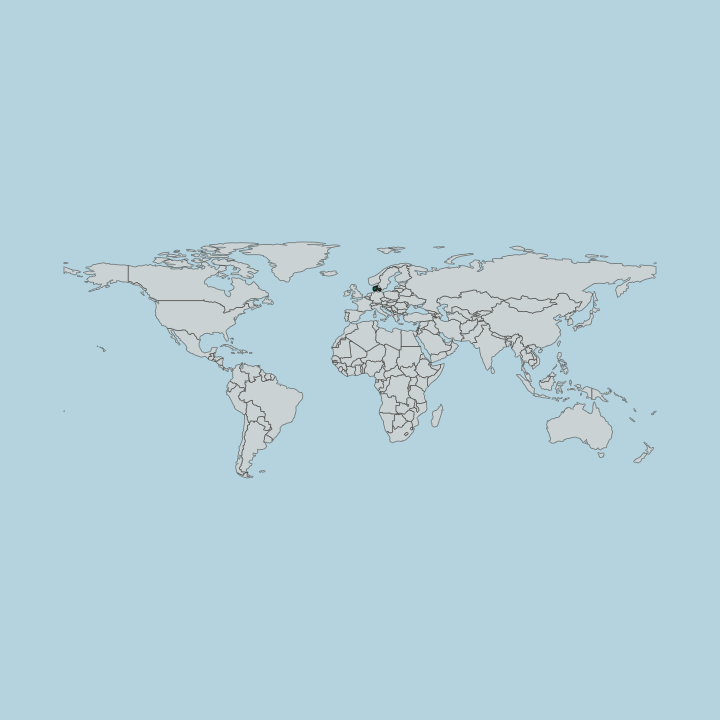
Kolding lies at the head of a long inlet on the east side of the Jutland peninsula, in the northern part of Southern Denmark, in southern Denmark. The town climbs the slopes around the water below Koldinghus, the centre and the castle lake set between the rise and the inlet that runs down to the sea. The land rolls and folds here.
Beyond the streets the wooded hills and farmland of Kolding Municipality spread inland, taking in the parishes of Seest Kirke and Brændkjærkirken, while Trapholt looks out over the inlet from the shore.
What is the climate of Kolding?
Kolding has the mild, damp maritime climate of eastern Jutland. Winters stay cool and grey rather than hard, the inlet and the sheltered water below Koldinghus keeping deep frost and lasting snow off the low ground around the town through most of the season. Deep frost stays rare.
Kolding's summers turn warm but shifting, with sea air off the inlet tempering the heat and cloud and rain still crossing eastern Jutland in any month. Sea air drawn up the inlet tempers the heat and feeds the wind over the wooded slopes under the long northern daylight, while cloud and rain reach this part of Southern Denmark in every month of the year.
How do you get to Kolding?
Kolding sits at a junction of the main rail lines across the Jutland peninsula. Trains meet here on the routes between the north of Jutland, the west coast and the bridges east toward the rest of Denmark, and the station stands a short walk from Koldinghus and the centre. Roads converge too.
The motorways of eastern Jutland cross near the town and carry the traffic of Kolding Municipality, while the regional airports of the wider area handle the longer journeys of travellers reaching this castle town of southern Denmark from abroad.
Common questions
What is the best area to stay in Kolding?
Old centre below Koldinghus: visitors who want the royal castle and lake on foot. Inlet shore by Trapholt: those wanting the art museum and waterfront. Kolding Municipality parishes: travellers touring the Jutland country by car.
Good for
More cities in Region Syddanmark
Updated October 2026