Denmark · Region Syddanmark
Where to Stay in Vejle, Region Syddanmark
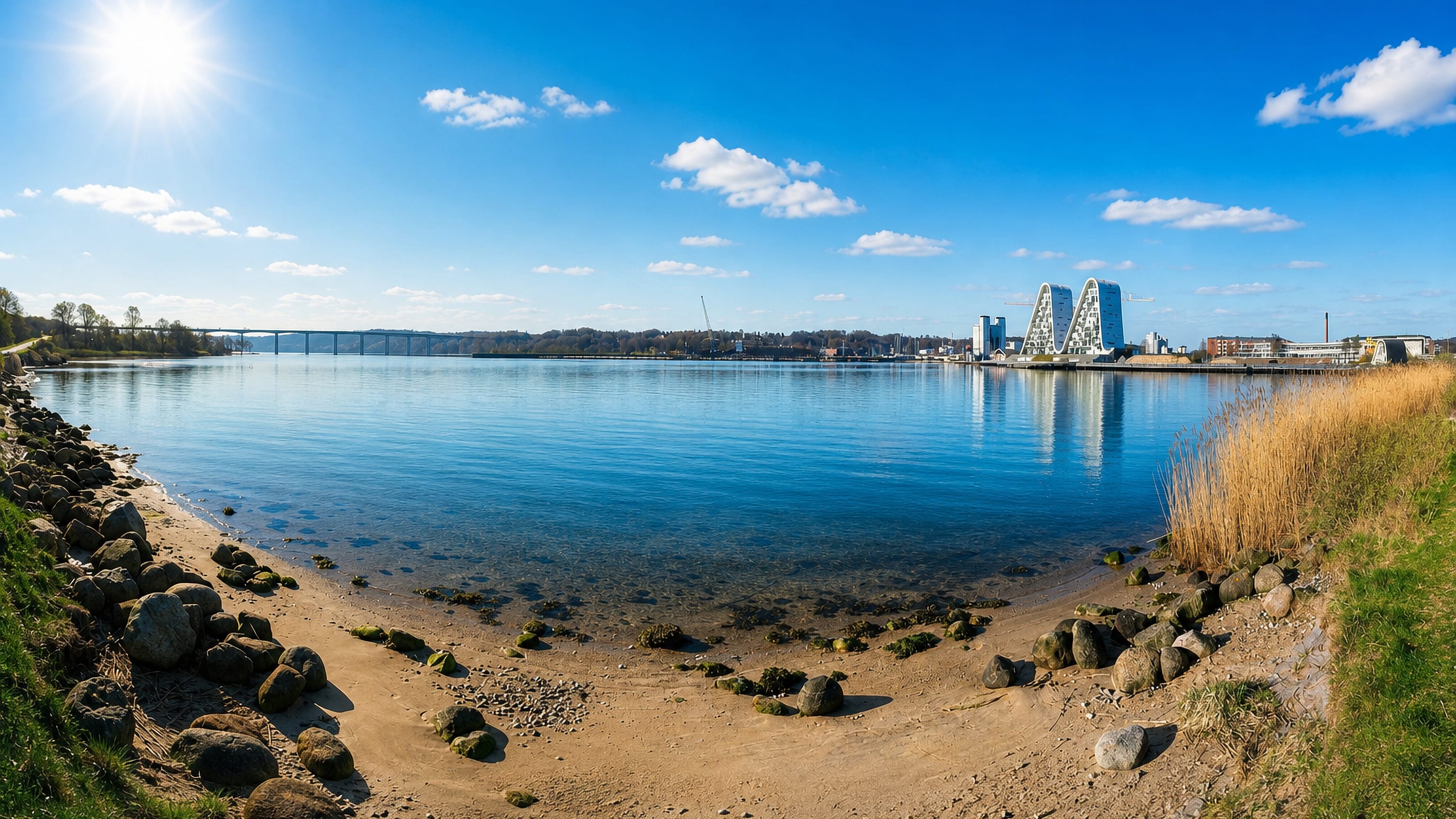
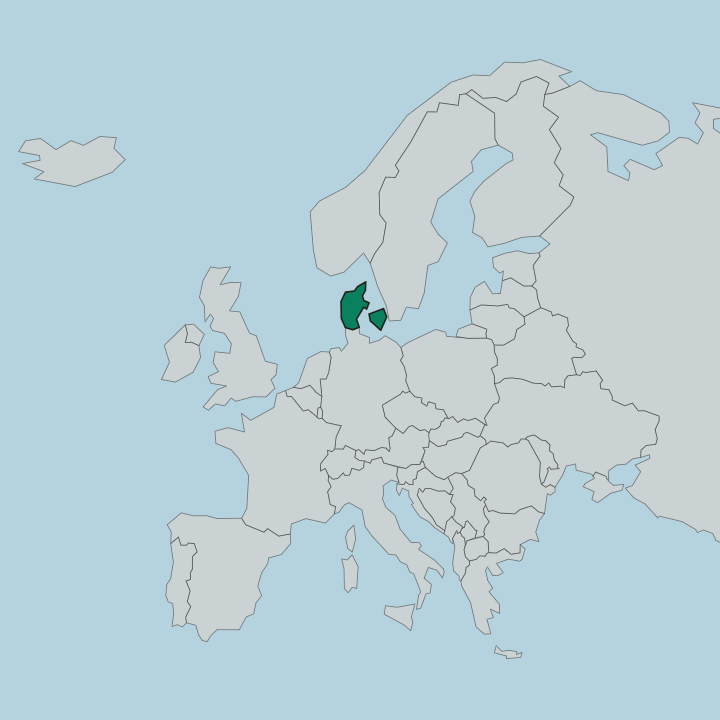
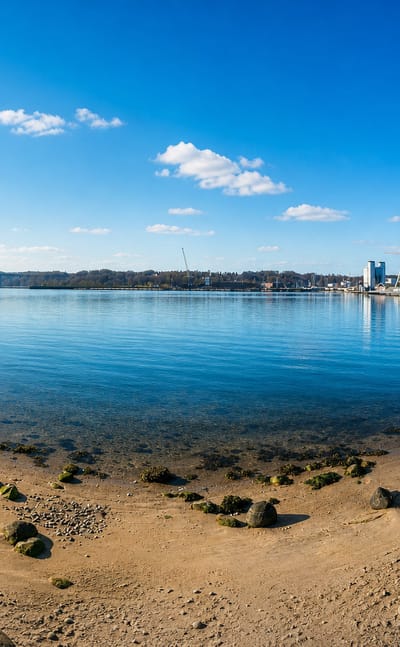
Vejle is an old market town at the head of an inlet on the Jutland peninsula, in southern Denmark.
Hotel links are affiliate links: booking through them may earn us a commission, at no extra cost to you. It never affects how places are ranked. How this works


Where to stay in Vejle
One neighbourhood here has its own guide — here's what it is best for.
 VejleDenmark
Mølholm
Mølholm is a residential district on the south-eastern side of Vejle, near Mølholm Kirke.Where to stay →Hotel links are affiliate links: booking through them may earn us a commission, at no extra cost to you. It never affects how places are ranked. How this works
Find hotels in Vejle
Direct booking searches for these neighbourhoods.
Centre by Sankt Nicolai Kirke
hotels by Sankt Nicolai Kirke and the Vejle KunstmuseumFind hotels in Centre by Sankt Nicolai Kirkethose wanting the waterfront and DGI-huset VejleInlet harbour front
apartments over the inlet near DGI-huset VejleFind hotels in Inlet harbour fronttravellers touring the eastern Jutland hillsWooded valleys of Vejle Municipality
farm stays near Søndermarkskirken and Hover Kirke in the valleys. Lodging is scarce in this area; reserve in advance.Find hotels in Wooded valleys of Vejle MunicipalityHotel links are affiliate links: booking through them may earn us a commission, at no extra cost to you. It never affects how places are ranked. How this works
Things to do in Vejle
Ranked by global recognition; descriptions from Wikidata (CC0).
Museums & Galleries
1- Vejle Museum of Art
Churches & Religious Sites
3- St. Nicolai Church
- Hover Church
- Søndermarkskirken
Stadiums & Sports
1- DGI-huset Vejle
worth knowingacross 3 categories in Vejle
About Vejle
What is Vejle known for?
Vejle is known as the town at the head of its inlet, set among the steep wooded slopes where the valleys of eastern Jutland run down to the water. The hills frame the town. The medieval church of Sankt Nicolai Kirke marks the old centre, and the seat of Vejle Municipality grew where the river met the inlet in the northern part of Southern Denmark.
Art and history fill the Vejle Kunstmuseum and the Kulturmuseet, while the modern halls of DGI-huset Vejle and the new bridges across the valley give the city its later landmarks on the Jutland peninsula.
What are the main landmarks in Vejle?
Sankt Nicolai Kirke marks the medieval heart of Vejle, the old church at the centre of the town below the wooded slopes. The church anchors the streets. Close by the Vejle Kunstmuseum holds the city's art and the Kulturmuseet its history, while the modern DGI-huset Vejle rises by the water as a hall of sport and culture.
The valleys keep older churches too. The hillside Søndermarkskirken looks down over the town, and out in the country the medieval Hover Kirke serves its parish among the farms of Vejle Municipality on the Jutland peninsula.
What is the history of Vejle?
Vejle grew as a medieval market town where a river ran down through the valleys to the head of an inlet on the east side of the Jutland peninsula. The church of Sankt Nicolai Kirke rose in the old centre, the fixed point of a town that traded the goods of the surrounding country and the water, and the country church of Hover Kirke had already served the parishes inland since the early Middle Ages. The valleys carried the trade.
For centuries Vejle worked the routes between the hills and the inlet, a market for the farms of what became Vejle Municipality in eastern Jutland. Then the mills and factories came. Vejle turned to industry along the river and the inlet, the textile and milling trades shaping the town and leaving the spinning halls of Spinderihallerne that now hold the Kulturmuseet, while the city became the seat of its municipality.
Art gathered in the Vejle Kunstmuseum, the hillside Søndermarkskirken rose above the growing suburbs, and the modern DGI-huset Vejle and the great valley bridges marked the later age as Vejle settled into its place in the northern part of Southern Denmark.
Where is Vejle?
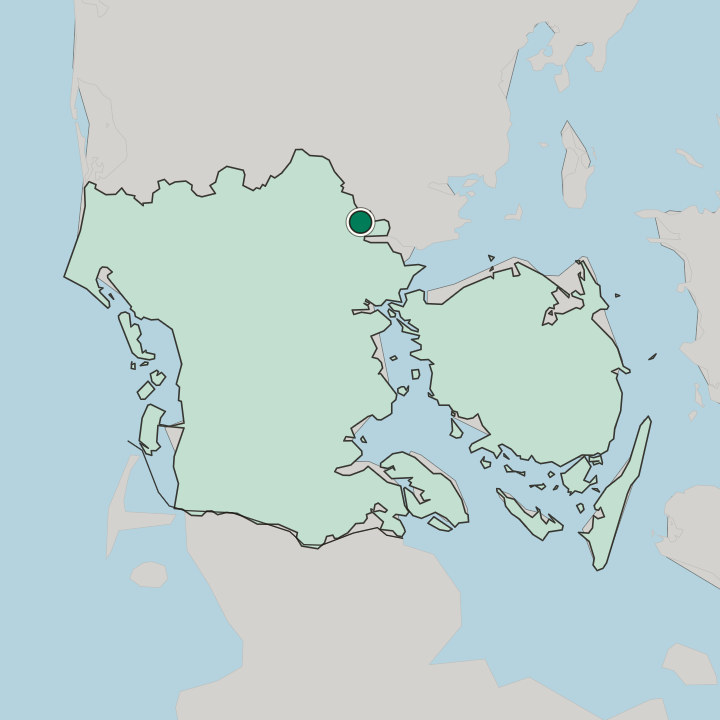
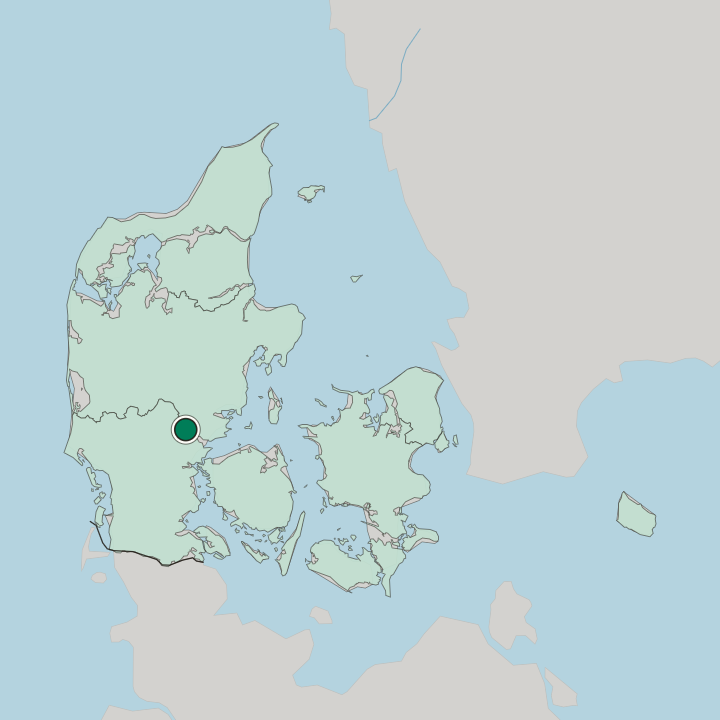
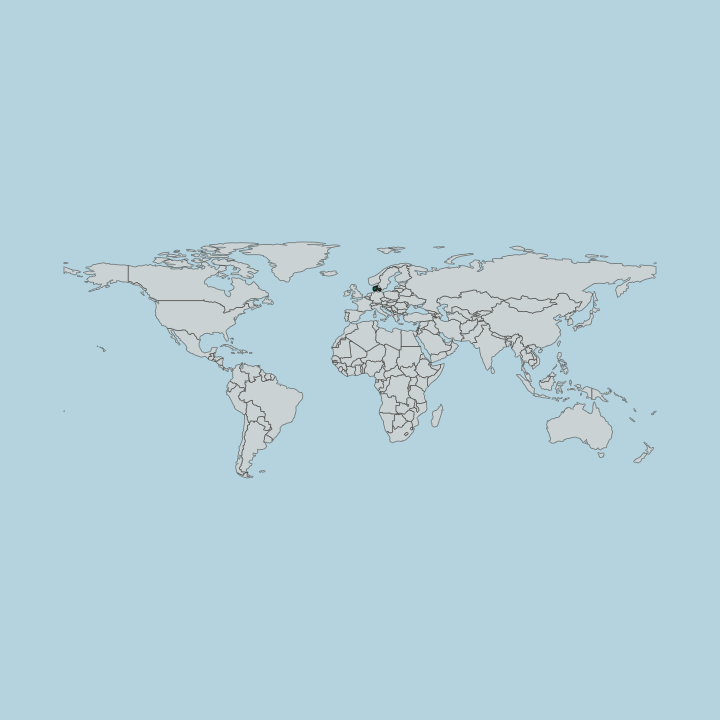
Vejle lies at the head of a long inlet on the east side of the Jutland peninsula, in the northern part of Southern Denmark, in southern Denmark. The town fills the valley floor where a river reaches the water, hemmed in by steep wooded slopes that rise on either side above Sankt Nicolai Kirke and the centre. The hills define the place.
Up on the heights Søndermarkskirken overlooks the town, and beyond the slopes the valleys and farmland of Vejle Municipality run inland toward Hover Kirke across the rolling country of eastern Jutland.
What is the climate of Vejle?
Vejle has the mild, damp maritime climate of eastern Jutland. Winters stay cool and grey rather than hard, the inlet and the sheltering valleys below Sankt Nicolai Kirke keeping deep frost and lasting snow off the low ground around the town through most of the season. Vejle's summers run warm but unsettled.
Sea air drawn up the inlet tempers the heat and feeds the wind over the wooded slopes under the long northern daylight, while cloud and rain reach this part of Southern Denmark in every month of the year.
How do you get to Vejle?
Vejle sits on the main rail line down the east side of the Jutland peninsula. Trains stop here on the route between the north of Jutland and the bridges east toward the rest of Denmark, and the station stands a short walk from Sankt Nicolai Kirke and the centre. The motorway bridges the valley.
The great viaduct carries the road traffic of Vejle Municipality high over the inlet and the slopes, while the regional airports of eastern Jutland handle the longer journeys of travellers reaching this market town of southern Denmark from abroad.
Common questions
What is the best area to stay in Vejle?
Centre by Sankt Nicolai Kirke: visitors who want the pedestrian streets and museums on foot. Inlet harbour front: those wanting the waterfront and DGI-huset Vejle. Wooded valleys of Vejle Municipality: travellers touring the eastern Jutland hills.
Good for
More cities in Region Syddanmark
Updated October 2026