Denmark · Region Syddanmark
Where to Stay in Tønder, Region Syddanmark
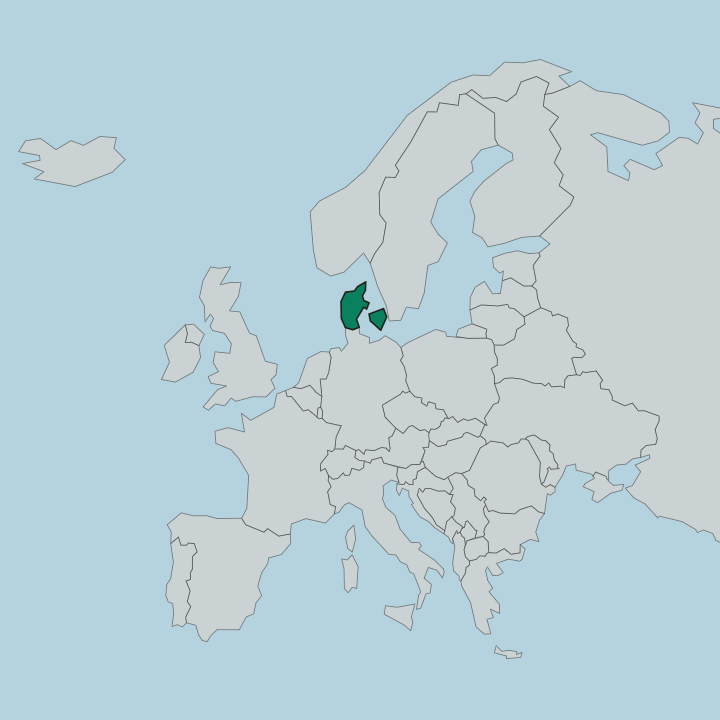
Tønder is a market town in southern Denmark, on the Jutland marshes near the German border, the seat of Tønder Municipality.
Hotel links are affiliate links: booking through them may earn us a commission, at no extra cost to you. It never affects how places are ranked. How this works


Where to stay in Tønder
How the choice of base plays out on the ground.
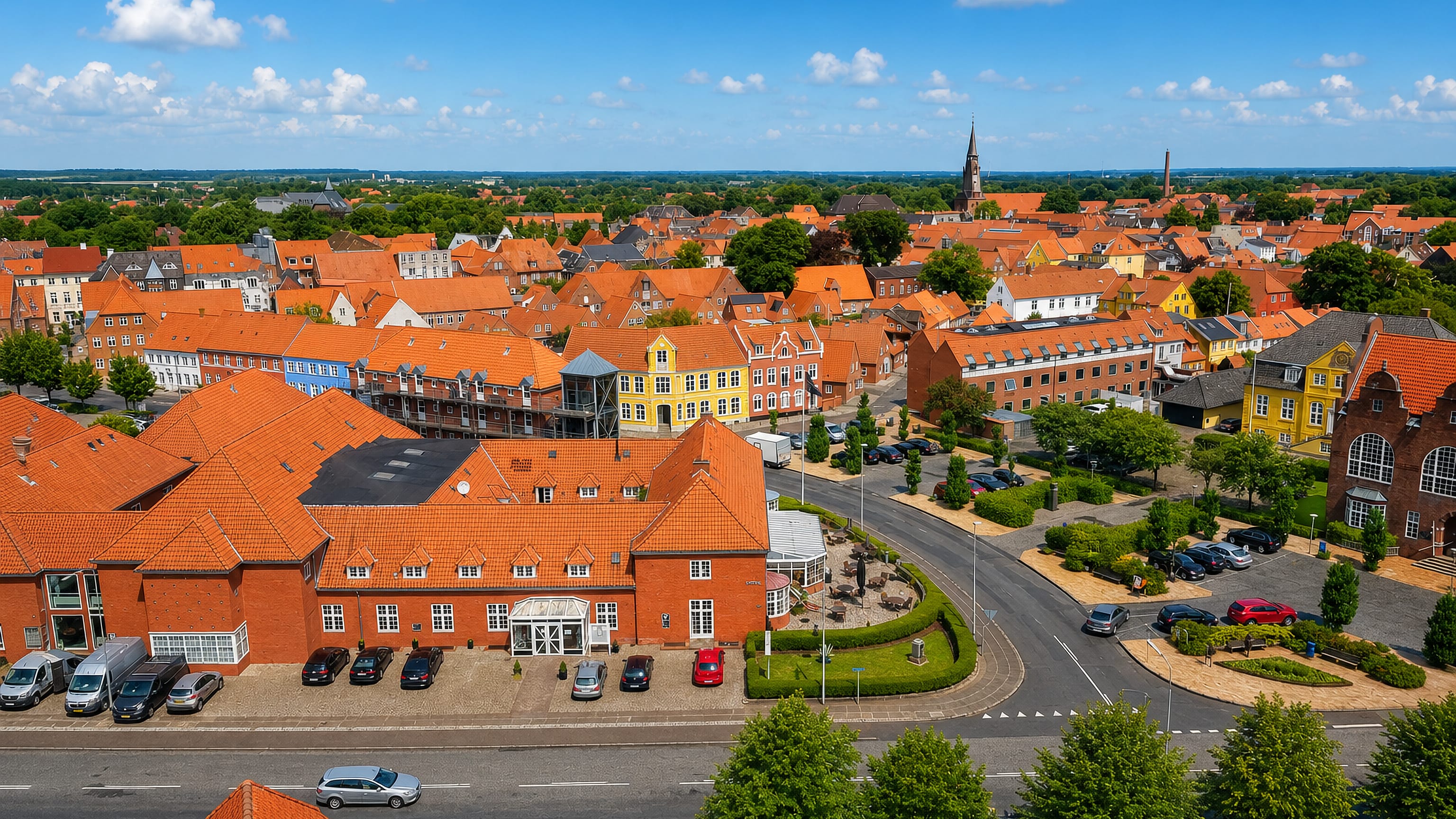
Most beds in Tønder gather in the old core, where hotels and guest rooms line the gabled streets within a short walk of the brick Tønder Kristkirke that marks the town. The old centre suits travellers who want the lace town, the cafés and the museums at the door. It is the main base.
Toward the round Tønder Vandtårn and the chairs of the Kunstmuseet i Tønder the streets hold a quieter spread of rooms, handy for visitors touring the marsh and the village of Møgeltønder by car. Around the merchant house of Drøhses Hus the lanes keep smaller places to stay close to the everyday life of the town. Out by the old airship base the lodging thins near the Zeppelin- & Garnisonsmuseum Tønder.
Book ahead for the August folk festival, when rooms fill. With its mix of old-town hotels and quiet lanes, Tønder works well as a base in southern Denmark for travellers who spend their days on the marsh and want a historic market town to return to each evening.
Find hotels in Tønder
Direct booking searches for these neighbourhoods.
Tønder old core
gabled-street hotels by the brick Tønder KristkirkeFind hotels in Tønder old corevisitors drawn to the design museumTønder Vandtårn quarter
quieter rooms by the water tower and the Kunstmuseet i Tønder chairs. Lodging is scarce in this area; reserve in advance.Find hotels in Tønder Vandtårn quarterdrivers touring the marsh villagesMøgeltønder road
guesthouses out toward Møgeltønder and the Zeppelin- & Garnisonsmuseum Tønder. Beds are limited here, so book early.Find hotels in Møgeltønder roadHotel links are affiliate links: booking through them may earn us a commission, at no extra cost to you. It never affects how places are ranked. How this works
Things to do in Tønder
Ranked by global recognition; descriptions from Wikidata (CC0).
Museums & Galleries
3- Drøhse House Heritage
- Zeppelin- & Garnisonsmuseum Tønder
- Tønder Watertower
Churches & Religious Sites
3- Møgeltønder Church
- Tønder Kristkirke Danish church
- Ubjerg Church
worth knowingacross 2 categories in Tønder
About Tønder
Tønder is the oldest market town in Denmark.
What is Tønder known for?
It is best known for its old core on the marsh, where the brick Tønder Kristkirke rises over the streets and the round Tønder Vandtårn now holds the chairs of the Kunstmuseet i Tønder. Marsh and lace shaped it. The town museum of Kulturhistorie Tønder, the merchant house of Drøhses Hus, and the Zeppelin- & Garnisonsmuseum Tønder out by the old airship base give the place its draws across this corner of the Jutland peninsula.
What are the main landmarks in Tønder?
Tønder Kristkirke marks the old core. The tall brick church stands over the gabled streets at the heart of the town, the chief monument of the oldest market town on the Jutland marshes. Beside it rises the round Tønder Vandtårn, the old water tower now hung with the chairs of the Kunstmuseet i Tønder.
The town museum of Kulturhistorie Tønder and the merchant house of Drøhses Hus keep the lace-trade past, while out on the marsh the village churches of Møgeltønder Kirke and Ubjerg Kirke, the ancient site of Gallehus, and the Zeppelin- & Garnisonsmuseum Tønder mark the wider land of Tønder Municipality. Brick and marsh mark the place.
What is the history of Tønder?
Tønder grew up as a market town on the southern marsh. It claims the oldest market charter in Denmark, granted in the medieval centuries when the town traded with the sea that then reached close to its streets, before the dikes pushed the water back across the Jutland marshes. The brick Tønder Kristkirke rose over the gabled houses, and the merchants built their tall homes along the lanes, the one now kept as Drøhses Hus among them.
Lace made the town rich. For generations the women of Tønder worked the fine bobbin lace that travelled across northern Europe, and the trade left its mark on the streets and the merchant houses that the museum of Kulturhistorie Tønder now keeps. War and the border then shaped the place.
The duchy here lay long between the Danish crown and the German-speaking south, and the town passed under German rule after 1864 before the vote of 1920 drew the border just south of it and returned Tønder to Denmark. The old airship base outside the town, now the Zeppelin- & Garnisonsmuseum Tønder, recalls the years of German garrison. Out on the marsh the gold horns of Gallehus were found, and the village churches of Møgeltønder Kirke and Ubjerg Kirke kept the country parishes.
Through trade, war, and the slow modernising of Tønder Municipality the old core held the heart of the town, and Tønder settled into its lasting role as the chief market town of the southern marsh in this corner of southern Denmark.
Where is Tønder?
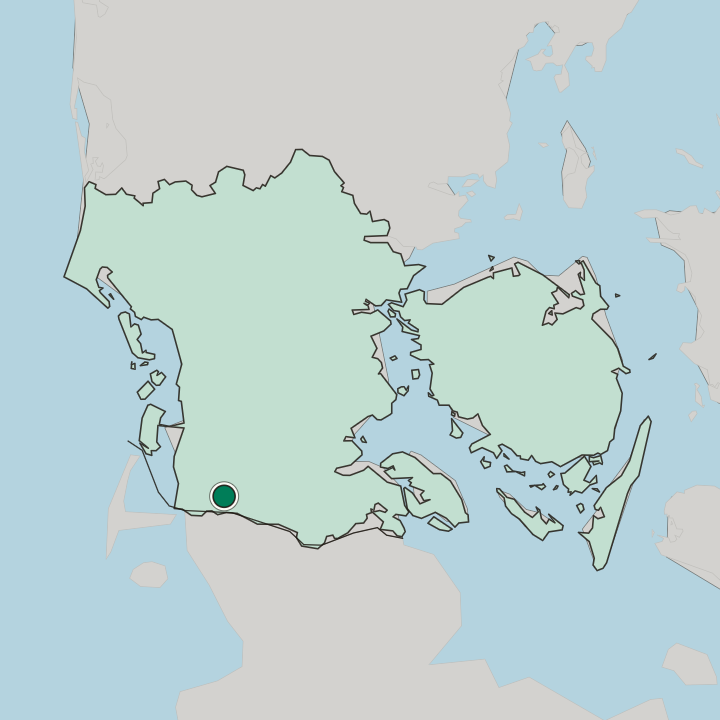
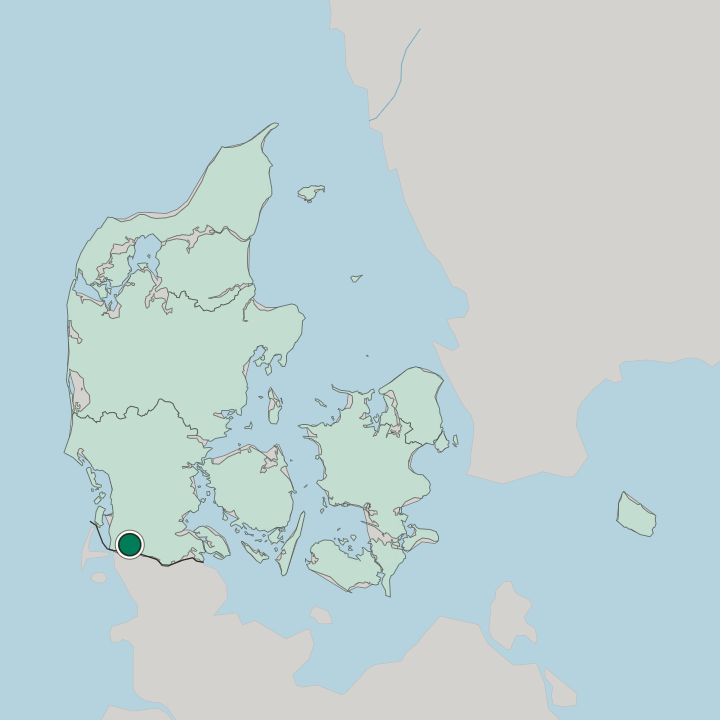
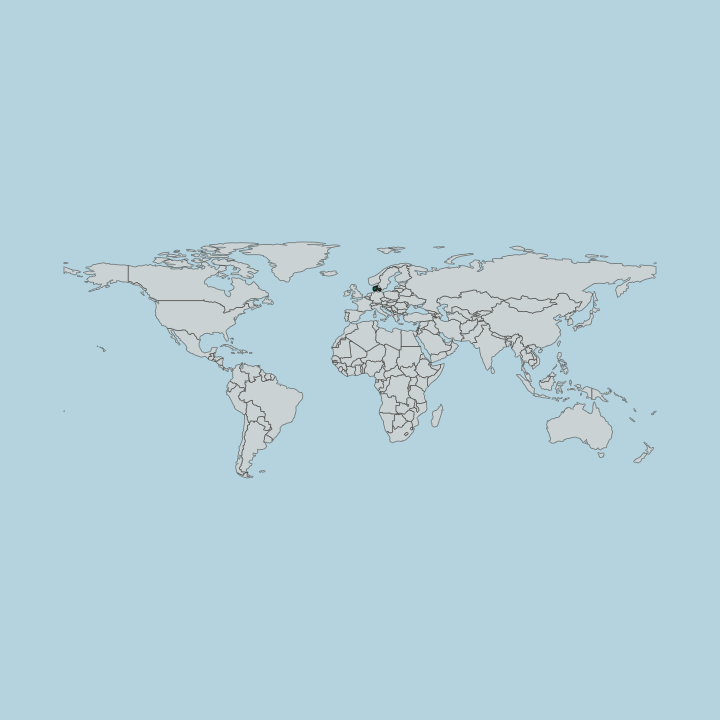
Tønder lies in southern Denmark, on the Jutland marshes in the south-western part of Southern Denmark, close to the German border. The town sits on a low rise in the flat marshland, its streets drained by ditches that run out across the reclaimed fields toward the sea. The land is flat and open.
Out on the marsh the village of Møgeltønder and the church of Ubjerg Kirke mark the dike country, while the roads of Tønder Municipality run inland and south across the border into the wider region.
What is the climate of Tønder?
Tønder has the mild, damp coastal climate of the south-western Jutland marshes. Winters are cool and grey rather than hard, with frequent rain and wind off the sea and only short frost and thin snow over the flat marshland, far gentler than the deeper cold that grips the land much further north. Summers bring warmth and long daylight.
The reclaimed fields and the ditches about the town hold their green through the bright months, when the dusk lingers late over the open marsh. Wind and cloud off the sea reach this part of southern Denmark in every season.
How do you get to Tønder?
Tønder sits on the rail line across the southern Jutland marshes, with trains running through the day on the route that crosses the border to the German network and inland to the rest of the country. The road brings drivers in. The roads tie Tønder through its municipality to the wider network of Southern Denmark and south across the German border a short way off.
Visitors heading for the old core, the church of Tønder Kristkirke and the airship museum of the Zeppelin- & Garnisonsmuseum Tønder reach the town by road and rail, while travellers from abroad come through the regional airports linked to Tønder Municipality by the same routes that serve its everyday traffic.
Common questions
What is the best area to stay in Tønder?
Tønder old core: travellers basing in the lace town. Tønder Vandtårn quarter: visitors drawn to the design museum. Møgeltønder road: drivers touring the marsh villages.
Good for
More cities in Region Syddanmark
Updated October 2026