Denmark · Region Syddanmark
Where to Stay in Sønderborg, Region Syddanmark
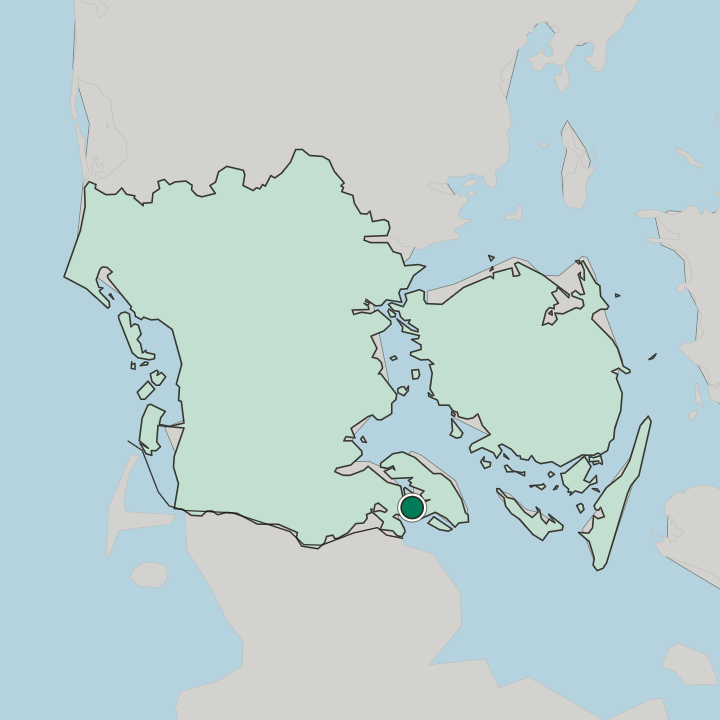
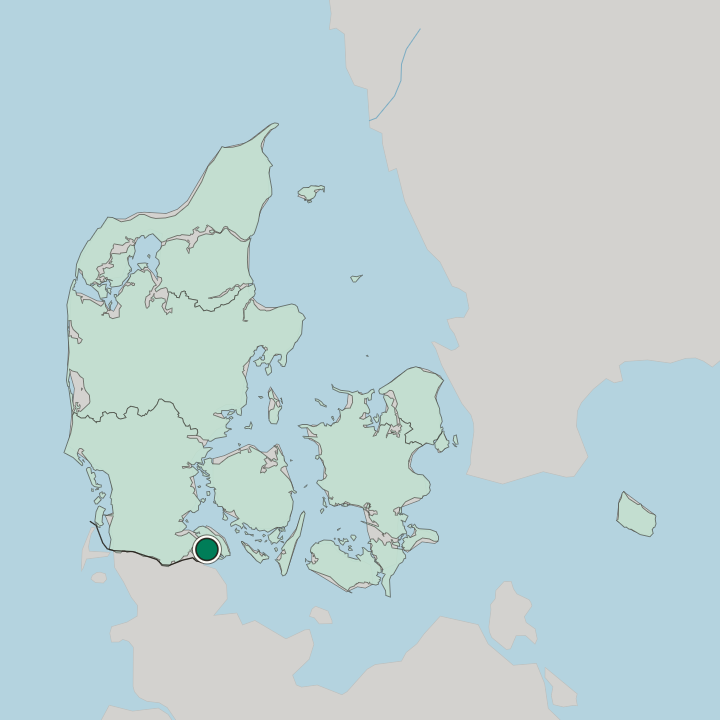
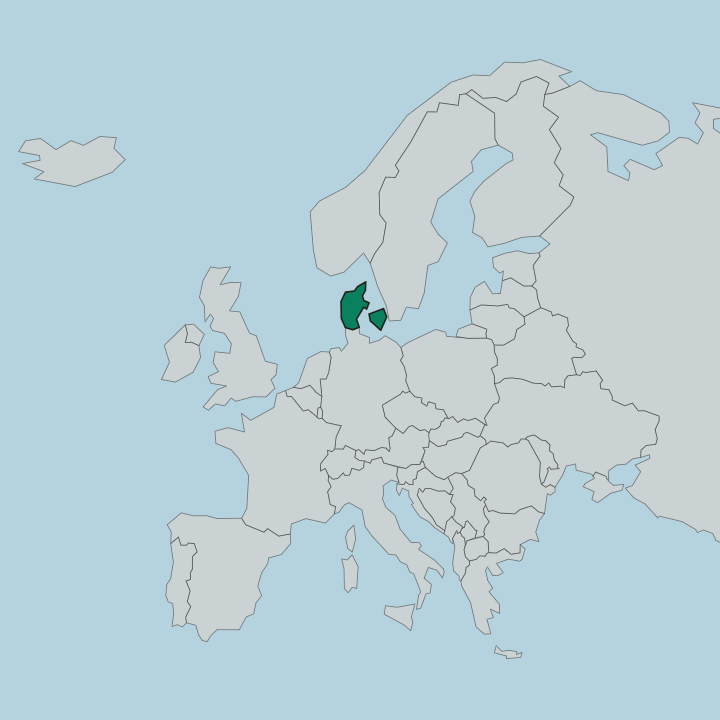
Sønderborg is a town in southern Denmark, on the island of Als near the German border, the seat of Sønderborg Municipality.
Hotel links are affiliate links: booking through them may earn us a commission, at no extra cost to you. It never affects how places are ranked. How this works


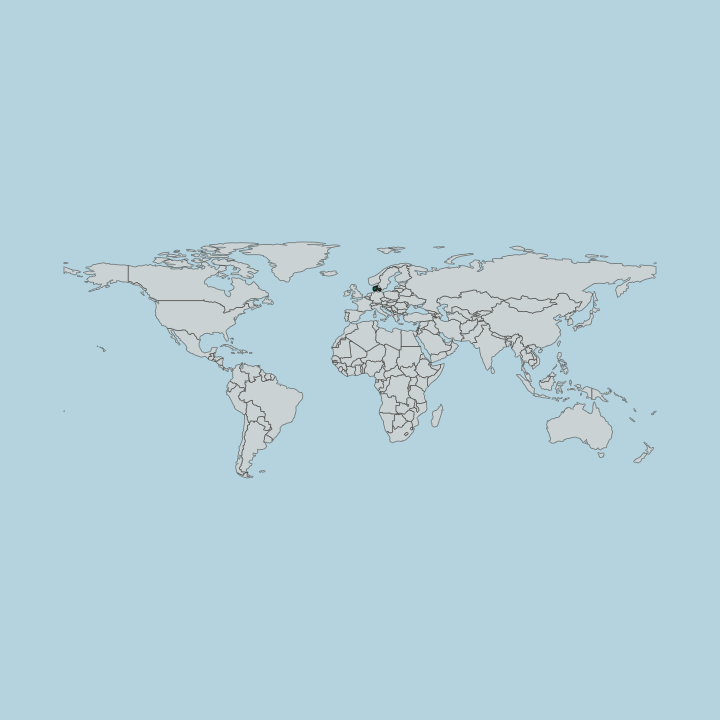
Where to stay in Sønderborg
How the choice of base plays out on the ground.
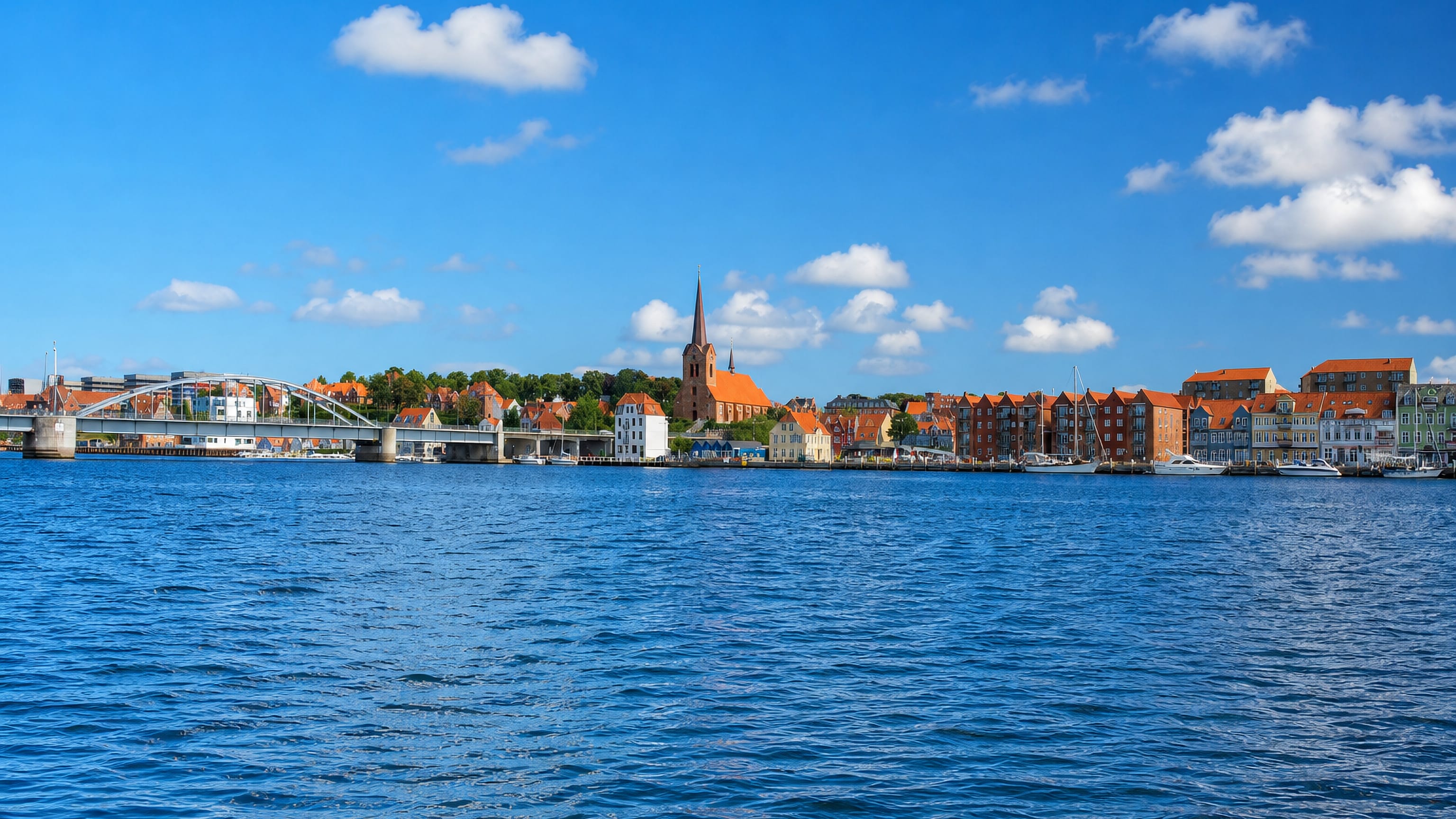
Most beds in Sønderborg gather along the waterfront on Als, where hotels and guest rooms line the sound within sight of the moated Sønderborg Slot. The harbour quarter suits travellers who want the castle, the cafés and the boats at the door. It is the busiest base.
Across the sound on the South Jutland side, the slopes of Dybbøl carry a quieter spread of rooms near Dybbøl Mølle and the Historiecenter Dybbøl Banke, handy for visitors touring the 1864 battlefield by car. Around the medieval Sankt Marie Kirke the older streets hold smaller places to stay, close to the everyday life of the town and the ring-riding grounds kept by the Ringridermuseet. Book ahead for the summer ring-riding festival, when rooms fill fast.
With its mix of waterfront hotels and quieter quarters, Sønderborg works well as a base in southern Denmark for travellers who split their days between the castle on Als and the historic hill of Dybbøl across the water.
Find hotels in Sønderborg
Direct booking searches for these neighbourhoods.
Sønderborg waterfront
hotels along the sound below Sønderborg Slot on AlsFind hotels in Sønderborg waterfrontvisitors touring the 1864 battlefieldDybbøl slopes
quieter rooms near Dybbøl Mølle and the Historiecenter Dybbøl Banke. Few places to stay nearby — book ahead.Find hotels in Dybbøl slopesguests who like the historic centreSankt Marie Kirke old streets
small lodgings by the medieval church and the Ringridermuseet grounds. Rooms are few around here — worth securing early.Find hotels in Sankt Marie Kirke old streetsHotel links are affiliate links: booking through them may earn us a commission, at no extra cost to you. It never affects how places are ranked. How this works
Things to do in Sønderborg
Ranked by global recognition; descriptions from Wikidata (CC0).
Museums & Galleries
3- Dybbøl Windmill Heritage Danish smock mill
- Historiecenter Dybbøl Banke museum and history park
- Sønderjyllands Radiomuseum
Churches & Religious Sites
3- St. Mary's church
- Christian's Church
- Ulkebøl Church
Castles & Historic Sites
1- Sønderborg Castle Heritage
Stadiums & Sports
1- Broager Sparekasse Skansen sports arena
Landmarks & Notable Places
2- Huholthus
- Sønderskovhus
worth knowingacross 5 categories in Sønderborg
About Sønderborg
Sønderborg is the town of the Dybbøl battlefield.
What is Sønderborg known for?
It is best known for the moated Sønderborg Slot guarding the sound between Als and the South Jutland mainland, and for the hill of Dybbøl above the town, where Dybbøl Mølle stands over the ramparts and the Historiecenter Dybbøl Banke tells the story of the 1864 war. The sound divides it. The medieval Sankt Marie Kirke, the ring-riding tradition kept by the Ringridermuseet, and the Sønderjyllands Radiomuseum give Sønderborg its draws across this corner of southern Denmark.
What are the main landmarks in Sønderborg?
Sønderborg Slot marks the town. The moated royal castle stands on the sound at the edge of Als, a long stone fortress that gathered Sønderborg around its harbour and now holds the regional museum. Above the South Jutland shore rises the hill of Dybbøl, crowned by Dybbøl Mølle and ringed by the ramparts that the Historiecenter Dybbøl Banke now keeps.
The medieval Sankt Marie Kirke and the nineteenth-century Christianskirken stand in the streets below, while Ulkebøl Kirke marks a village parish on Als and the Sønderjyllands Radiomuseum keeps the town's wireless story. Castle and battlefield mark the sound.
What is the history of Sønderborg?
Sønderborg grew up around its castle on the sound. The fortress of Sønderborg Slot rose to guard the narrow water between Als and the South Jutland mainland, and the town gathered along the harbour beneath it, its trade carried by the boats that passed through the sound. The medieval Sankt Marie Kirke held the parish in the old streets.
For long centuries the duchy here lay tangled in the rule of the Danish crown and the German-speaking south, a borderland whose loyalties were never settled. War then marked the town for good. On the hill of Dybbøl above the South Jutland shore the Danish ramparts fell to the Prussian assault in 1864, and Sønderborg passed under German rule with the rest of the region; the windmill of Dybbøl Mølle survived the bombardment to become a national symbol, and the ground is now kept by the Historiecenter Dybbøl Banke.
The town returned to Denmark only in 1920, when the vote of the border people drew the line that still runs south of Als. Through war, plebiscite, and the slow rebuilding that followed, the castle held the heart of the place, and Sønderborg settled into its lasting role as the chief town of this corner of southern Denmark, with the Sønderjyllands Radiomuseum and the ring-riding kept by the Ringridermuseet among the traditions it carries.
Where is Sønderborg?
Sønderborg lies in southern Denmark, on the island of Als at the eastern edge of South Jutland, close to the German border. The town spreads along both banks of the narrow sound that separates Als from the mainland, with the castle of Sønderborg Slot on the water and the bridges tying the two shores. The land is low and rolling.
Above the South Jutland side rises the hill of Dybbøl, the highest ground about the town, while Sønderborg Municipality runs out across the farmed island and the coast toward the wider Baltic.
What is the climate of Sønderborg?
Sønderborg has the mild, damp coastal climate of the far south of Denmark. Winters are cool and grey rather than hard, with frequent rain off the sound and only short frost and thin snow over the low ground of Als, gentler than the deeper cold that grips the land much further north. Summers turn warm and long-lit over Als.
The fields and the slopes of Dybbøl hold their green through the bright months, when the dusk lingers late over the water. Wind and cloud off the Baltic reach this part of South Jutland in every season.
How do you get to Sønderborg?
Sønderborg sits at the end of the rail line out onto Als, with trains running through the day from the junction towns of South Jutland and on toward the rest of the country. Drivers cross the bridges over the sound. The roads tie Sønderborg through its municipality to the motorway network of the mainland and south to the German border a short way off.
Visitors heading for the hill of Dybbøl and the Historiecenter Dybbøl Banke reach them by road across the water, while travellers from abroad use the small airport on Als or the larger hubs reached by the same rail and road routes that carry the town's everyday traffic.
Common questions
What is the best area to stay in Sønderborg?
Sønderborg waterfront: travellers wanting the castle at the door. Dybbøl slopes: visitors touring the 1864 battlefield. Sankt Marie Kirke old streets: guests who like the historic centre.
Good for
More cities in Region Syddanmark
Updated October 2026