Spain · Comunitat Valenciana
Where to Stay in Alicante, Comunitat Valenciana
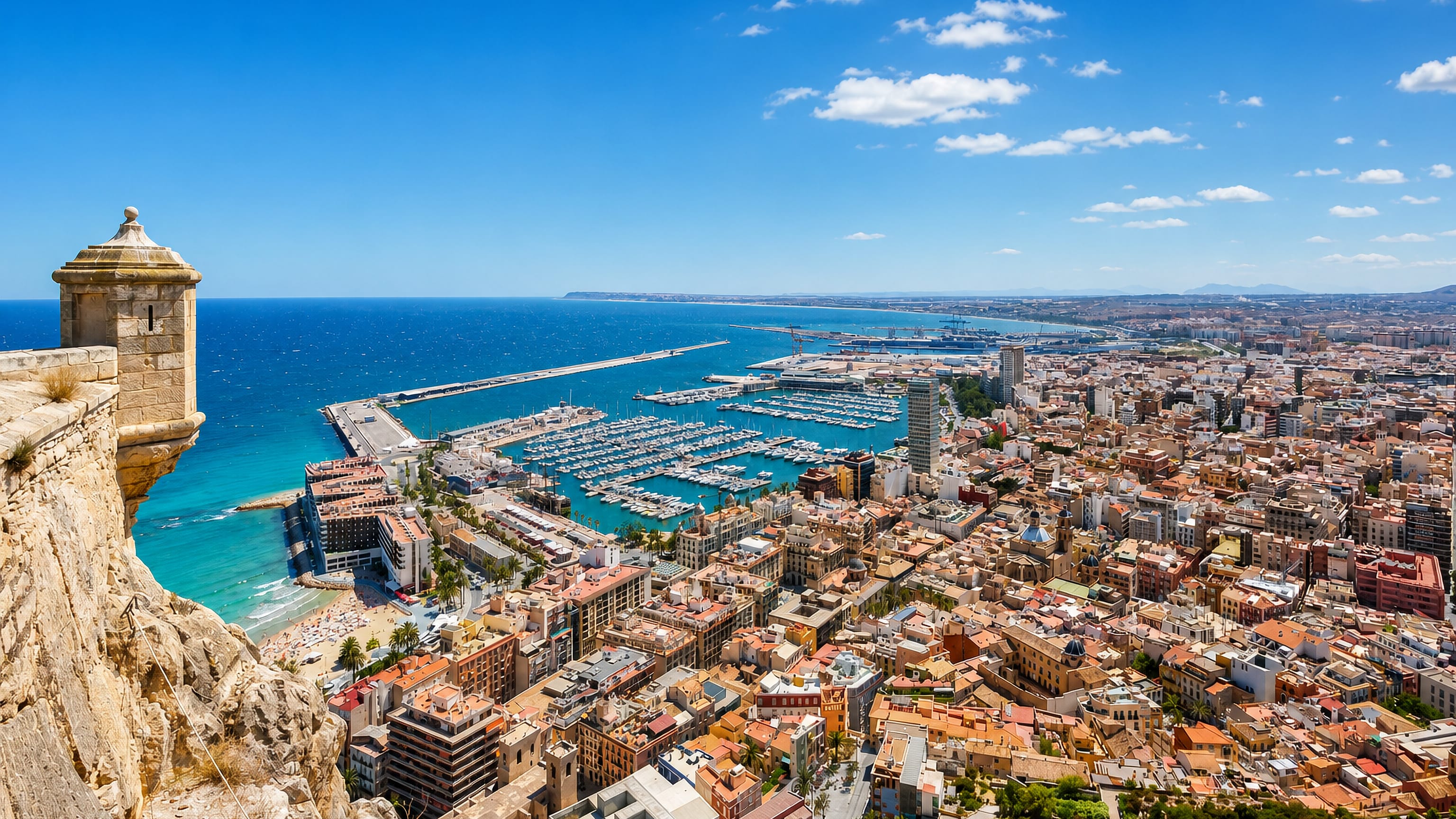
Santa Bárbara Castle stands over the harbour at Alicante, a Mediterranean port in the Valencian Community, known for the beaches of the Costa Blanca.
Hotel links are affiliate links: booking through them may earn us a commission, at no extra cost to you. It never affects how places are ranked. How this works


Where to stay in Alicante
One neighbourhood here has its own guide — here's what it is best for.

 AlicanteSpain
Urbanova
Alicante counts Urbanova among its districts, ground out beyond the city proper and just north of Elche's own Arenales del Sol.Where to stay →Hotel links are affiliate links: booking through them may earn us a commission, at no extra cost to you. It never affects how places are ranked. How this works
Find hotels in Alicante
Direct booking searches for these neighbourhoods.
Old town under the castle
The quarter below Santa Bárbara Castle keeps its churches, its museums and the climb to the walls inside one walk.Find hotels in Old town under the castleWaking level with the water and the Museo Volvo Ocean RaceThe port front
The harbour side puts the quays in front of the room and the old town directly behind it.Find hotels in The port frontA stay that is mostly swimmingThe Costa Blanca beaches
The blocks along the Costa Blanca sand trade the monuments for a beach at the door and a short ride into Alicante.Find hotels in The Costa Blanca beachesResidential streets near the Castell de Sant FerranBack from the water
The grid between the Archaeological Museum of Alicante and the Castell de Sant Ferran carries the city's ordinary evenings.Find hotels in Back from the waterHotel links are affiliate links: booking through them may earn us a commission, at no extra cost to you. It never affects how places are ranked. How this works
Things to do in Alicante
Ranked by global recognition; descriptions from Wikidata (CC0).
Museums & Galleries
3- Archaeological Museum of Alicante Heritage
- Alicante Museum of Contemporary Art Heritage
- Gravina Museum of Fine Arts Heritage
Churches & Religious Sites
7- Co-Cathedral of St. Nicholas of Bari Heritage
- Basilica of Saint Mary Heritage
- Església de la Mare de Déu de Gràcia, Alacant Heritage
- iglesia de la Misericordia (Alicante) Heritage
- Convent de les Monges Clarisses Caputxines Heritage
Show 2 more →
- Church of Saint Paschal Baylon Heritage
- Church of Saint John of Ávila Heritage
Castles & Historic Sites
6- Santa Bárbara Castle Heritage
- Castell de Sant Ferran Heritage
- City walls of Alicante Heritage
- Església de Sant Nicolau Heritage
- Castillo de Santa Bárbara Heritage
Show 1 more →
- Delimitación de Entorno de Protección de la Casa Num. 15 de la Calle Gravina Heritage
Stadiums & Sports
1- Pavelló Florida Babel
worth knowingacross 4 categories in Alicante
About Alicante
What is Alicante known for?
Alicante is known for the beaches of the Costa Blanca, the Santa Bárbara Castle above its old town, and a working Mediterranean port. Bonfires mark the year. The hogueras museum and the Monumento al foguerer belong to the bonfire festival the city keeps, and the Basilica of Saint Mary and the Església de Sant Nicolau hold its older ceremonies.
Collections fill the gaps. The Archaeological Museum of Alicante, the Gravina Museum of Fine Arts, and the Alicante Museum of Contemporary Art sit within the same few streets.
What are the main landmarks in Alicante?
Alicante's landmarks start with the Santa Bárbara Castle and the City walls of Alicante. Below them the Basilica of Saint Mary and the Església de Sant Nicolau anchor the old quarter, while the Convent de les Monges Clarisses Caputxines and the iglesia de la Misericordia hold the smaller corners. Inland the museums take over: the Archaeological Museum of Alicante, the Gravina Museum of Fine Arts, and the Alicante Museum of Contemporary Art divide the collections between them.
Castell de Sant Ferran stands apart.
What is the history of Alicante?
Alicante has been a port for as long as it has been a place. A Roman find site inside the modern city gave up Samian ware, and the Archaeological Museum of Alicante holds that layer along with everything under it. Defence shaped what followed.
Santa Bárbara Castle took the height above the harbour, the City walls of Alicante ran below it, and the Castell de Sant Ferran stands on its own ground apart, so the town spent centuries watching the sea it lived from. Churches followed the soldiers, and the Basilica of Saint Mary and the Església de Sant Nicolau became the two poles of the old town. Alacant is the same city under its Valencian name.
Tourism made the modern shape of it, and the Costa Blanca turned a working port into the base for a coast of beaches that reaches well past the city. The Monumento al foguerer and the hogueras museum keep the bonfires in the record.
Where is Alicante?
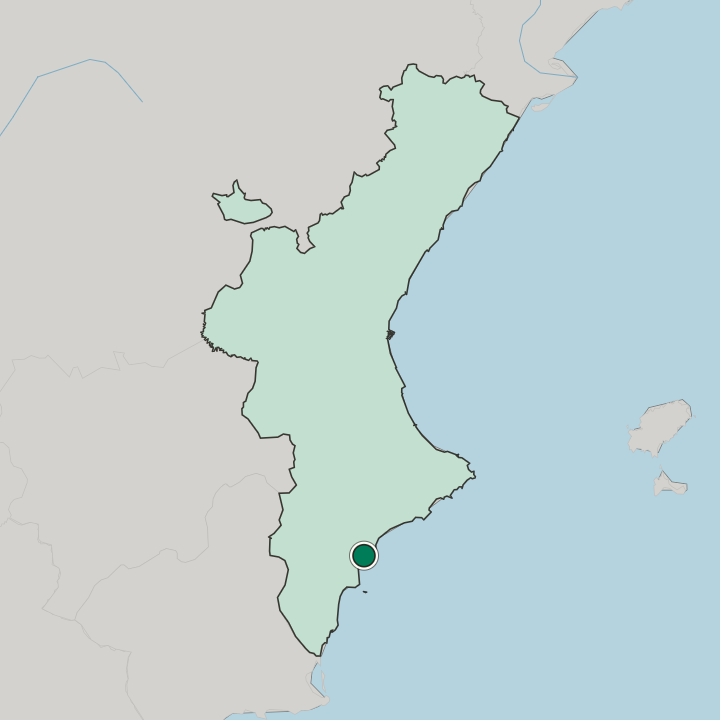
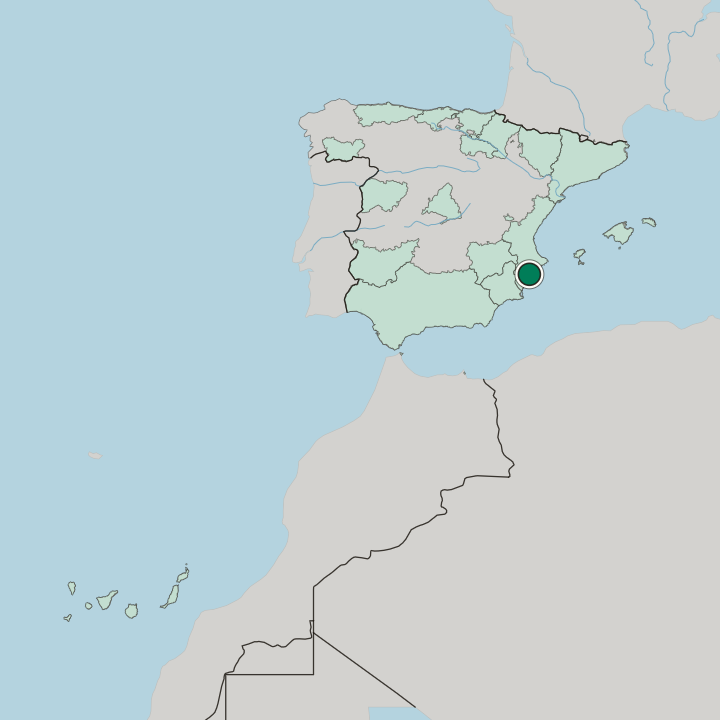
Alicante sits on the Costa Blanca, the Mediterranean shore of the Valencian Community. The city holds the flat ground between the water and the hills behind it: Santa Bárbara Castle takes one of them and the Castell de Sant Ferran another, and the dry Baetic ranges close the land side. The coast does the rest.
Beaches run north and south from the port, the Costa Blanca carries them for the length of the province, and the coastal plain behind stays green with irrigation while the interior does not.
What is the climate of Alicante?
The Baetic ranges take the rain before it reaches Alicante. The city keeps the sea's temper instead, warm through a long summer and mild for the short winter, and the water off the Costa Blanca holds enough heat to keep frost off the coast. Rain is rare.
What falls tends to come in the cooler half of the year, and the dry ground behind the city shows how little of it there is.
How do you get to Alicante?
Alicante has always been reached from the water first. The port is the oldest way in, and the same harbour that made Alicante a Mediterranean trading stop still opens onto the city centre. The coast road carries the rest.
Traffic for the Costa Blanca resorts runs along the shore in both directions from the city, and the province beyond feeds its towns into the same corridor before it reaches Alicante. Most visitors arrive for the beaches and stop in the city on the way.
Common questions
What is the best area to stay in Alicante?
Old town under the castle: Evenings between the Basilica of Saint Mary and the Església de Sant Nicolau. The port front: Waking level with the water and the Museo Volvo Ocean Race. The Costa Blanca beaches: A stay that is mostly swimming. Back from the water: Residential streets near the Castell de Sant Ferran.
Good for
More cities in Comunitat Valenciana
Updated October 2026