Spain · Comunitat Valenciana
Where to Stay in Elda, Comunitat Valenciana
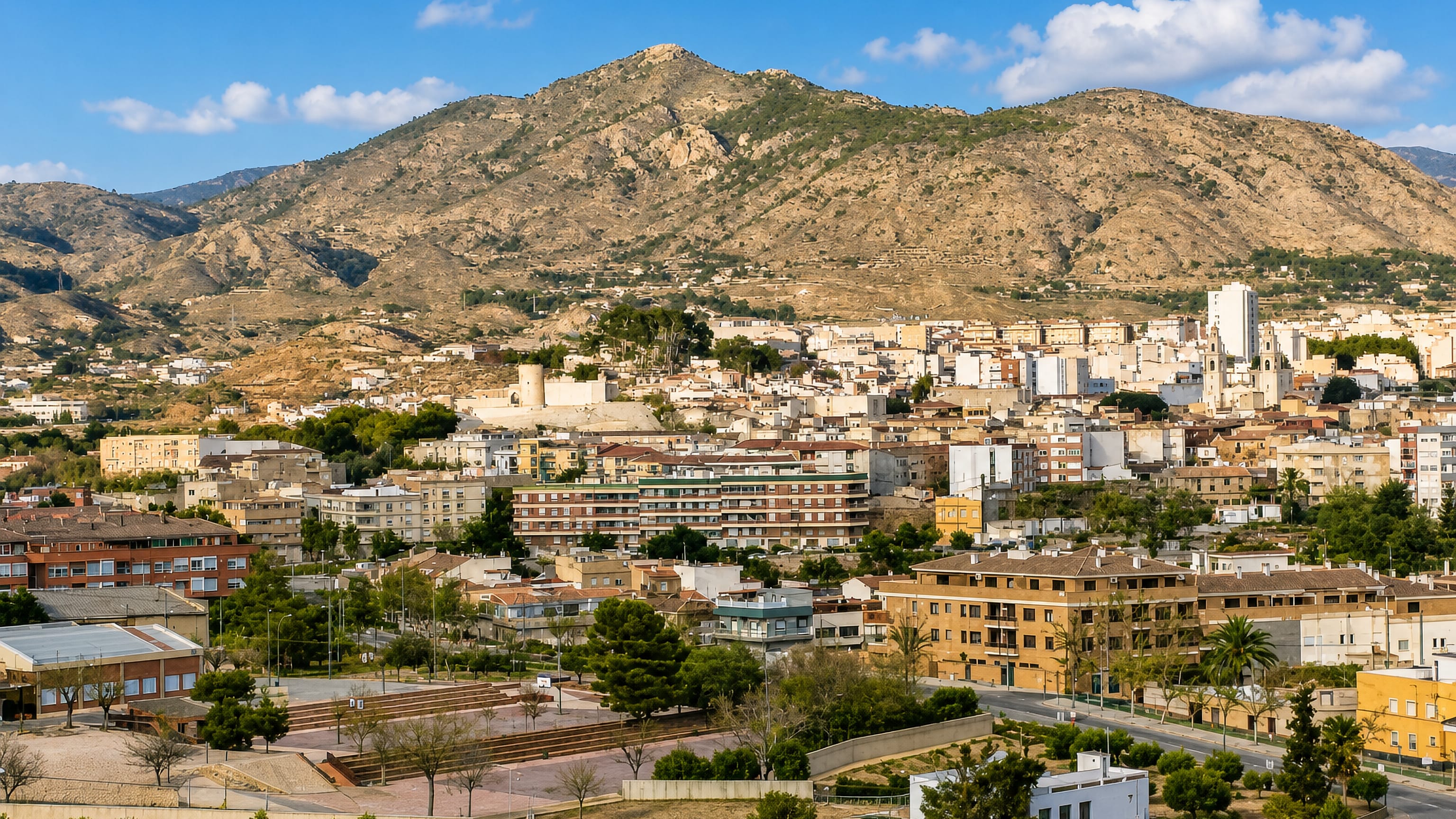
A Valencian Community town of shoemaking, with the Castillo de Elda above it and the Ibero-Roman settlement of El Monastil in the same municipality.
Hotel links are affiliate links: booking through them may earn us a commission, at no extra cost to you. It never affects how places are ranked. How this works


Where to stay in Elda
The practical side of choosing where to sleep.
The castle hill decides the view. Beds in the streets below Castillo de Elda put the Church of Saint Anne, the Elda Footwear Museum and the Archeologic Museum of Elda within a short walk, and that is where most of the town's public buildings sit. It is a compact centre.
Anyone here for the shoe trade will want these blocks, since the FICIA Monument and the monument to Emilio Castelar stand in the same few streets. El Monastil pulls the other way. The Ibero-Roman settlement and the El Monastil archaeological area lie out from the built-up part, and rooms on that side suit visitors whose plan starts with the dig rather than the shops.
Lodging out there is sparse. A car makes the difference, because the Cuevas del Bolón and Las Agualejas Roman villa belong to the same open ground. Petrer offers a third address.
Castillo de Petrer and the Museu Dámaso Navarro appear on the same local list as the Elda landmarks, and a room over that way still leaves the shoe museums and the castle within reach. Two castles on one list. The Aqueduct of Sant Rafael and the Church of the Immaculate mark the older fabric on that side, and the Church of Saint Bartholomew and the Church of Saint Francis de Sales complete the parish list.
Find hotels in Elda
Direct booking searches for these neighbourhoods.
Below the Castillo de Elda
The Church of Saint Anne, the FICIA Monument and the monument to Emilio Castelar stand in the same few streetsFind hotels in Below the Castillo de EldaDrivers whose plan opens at the El Monastil archaeological areaThe El Monastil ground
The Cuevas del Bolón and Las Agualejas Roman villa lie out on that same open ground. Few places to stay nearby — book ahead.Find hotels in The El Monastil groundStays split between Castillo de Petrer and the Museu Dámaso NavarroThe Petrer side
The Aqueduct of Sant Rafael and the Church of the Immaculate mark the older fabric over that wayFind hotels in The Petrer sideHotel links are affiliate links: booking through them may earn us a commission, at no extra cost to you. It never affects how places are ranked. How this works
Things to do in Elda
Ranked by global recognition; descriptions from Wikidata (CC0).
Museums & Galleries
3- Elda Footwear Museum
- Archeologic Museum of Elda
- Museu Dámaso Navarro
Churches & Religious Sites
4- Church of Saint Anne Heritage
- Church of the Immaculate Heritage
- Church of Saint Bartholomew Heritage
- Church of Saint Francis de Sales Heritage
Castles & Historic Sites
8- Castillo de Elda Heritage
- Castillo de Petrer Heritage
- Aqueduct of Sant Rafael Heritage
- FICIA Monument Heritage
- Cuevas del Bolón Heritage
Show 3 more →
- El Monastil archaeological area Heritage
- Las Agualejas Roman villa Heritage
- Monumento to Emilio Castelar in Elda Heritage
worth knowingacross 3 categories in Elda
About Elda
Shoes made this town.
What is Elda known for?
Elda Footwear Museum records the trade that shaped it, and the FICIA Monument stands for the same industry, while the Castillo de Elda carries the older record. Archaeology fills the rest. Poblado íbero-romano de El Monastil, Las Agualejas Roman villa and the Cuevas del Bolón are all inside the municipal boundary, with the Archeologic Museum of Elda holding that side of the story.
What are the main landmarks in Elda?
Castles come first here. Castillo de Elda and Castillo de Petrer carry the fortified end of it, while the Church of Saint Anne, the Church of the Immaculate, the Church of Saint Bartholomew and the Church of Saint Francis de Sales fill the parish column. Shoes get their own museum.
Elda Footwear Museum and the FICIA Monument stand for the trade, with the Archeologic Museum of Elda, the Museu Dámaso Navarro and the Aqueduct of Sant Rafael among the rest.
What is the history of Elda?
The oldest ground is El Monastil. Poblado íbero-romano de El Monastil names an Ibero-Roman settlement, the El Monastil archaeological area covers the same site, and Elda (Samian Ware Discovery Site) records pottery finds from that period. Caves came earlier.
Cuevas del Bolón belongs to the deeper past of the municipality, and Las Agualejas Roman villa marks the countryside that the Roman period left behind. Fortification followed. Castillo de Elda and Castillo de Petrer belong to the castle-building centuries, and the Church of Saint Anne heads a parish list that runs on through the Church of the Immaculate, the Church of Saint Bartholomew and the Church of Saint Francis de Sales.
Water needed engineering too. The Aqueduct of Sant Rafael carries that part of the record, a piece of infrastructure that outlasted the purpose it was built for. Shoemaking wrote the modern chapter.
Elda Footwear Museum keeps the trade on the record, the FICIA Monument stands for the same industry, and the monument to Emilio Castelar marks a name the town chose to keep. Museums came late. Archeologic Museum of Elda and the Museu Dámaso Navarro carry the archaeological record for this ground and its neighbour.
Where is Elda?
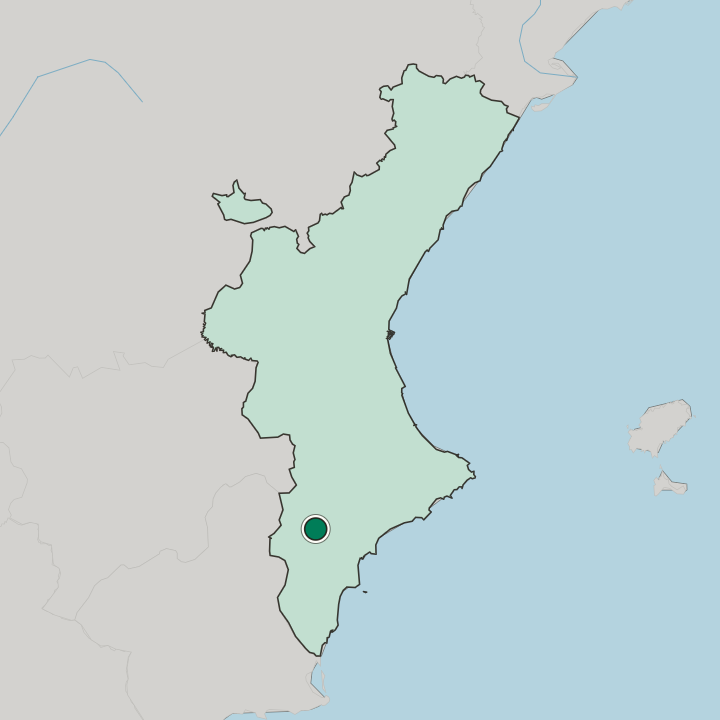
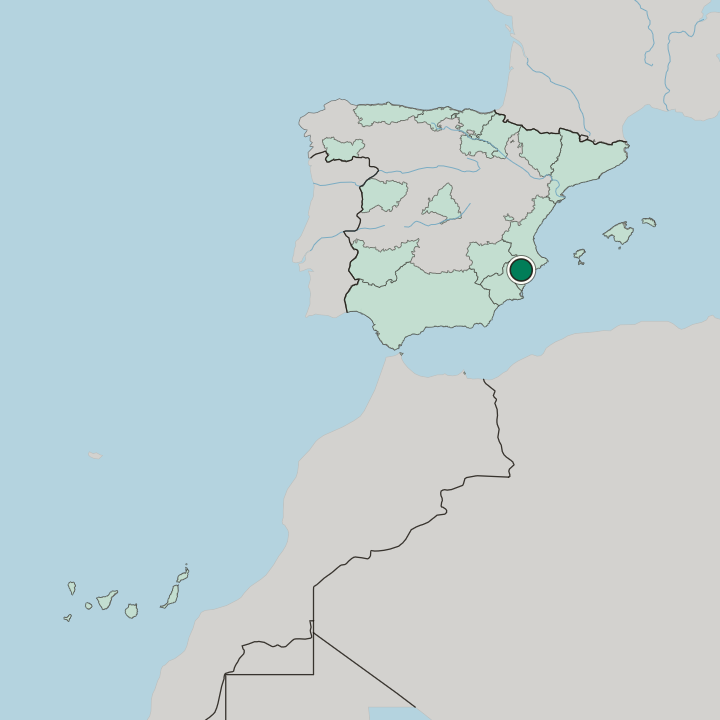
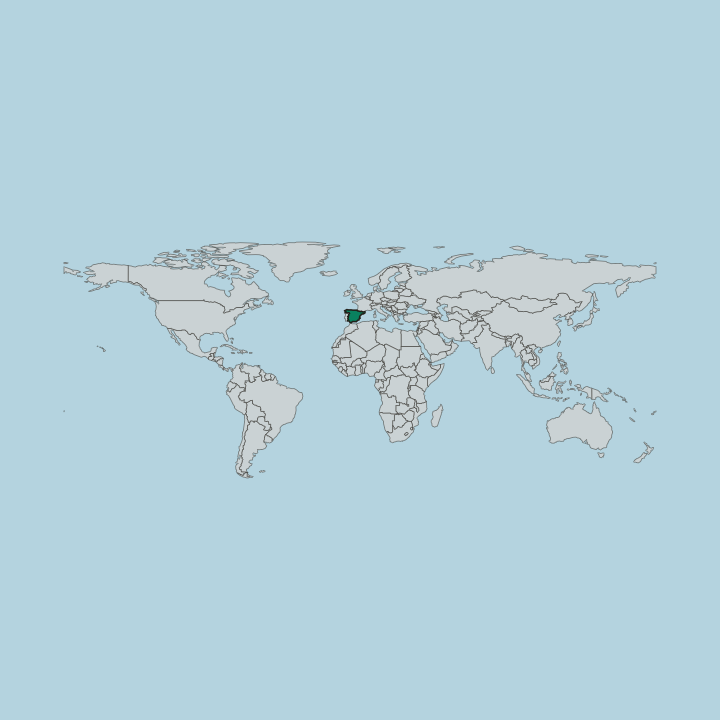
Elda's municipality does not sprawl. Elda covers about 45 square kilometres of the Valencian Community, with Castillo de Elda on high ground above the built-up streets and the El Monastil archaeological area out beyond them. Petrer appears on the same list.
Castillo de Petrer occupies its own height, and between the two the ground carries the Aqueduct of Sant Rafael, the Cuevas del Bolón and the fields around Las Agualejas Roman villa.
What is the climate of Elda?
Elevation sets the terms in Elda. Castillo de Elda stands over the town on ground that sits in the temperate band, where summer heat builds in the open country around El Monastil and winter arrives without much force. Anyone here in summer will hunt for shade.
The Cuevas del Bolón hold a steadier temperature than anything above ground, which is one reason caves of that kind were used at all.
How do you get to Elda?
Walking covers the core of Elda. Castillo de Elda, the Elda Footwear Museum, the Church of Saint Anne and the Archeologic Museum of Elda sit close enough together that a day inside the town needs no transport at all. El Monastil is further out.
Getting to the El Monastil archaeological area, the Cuevas del Bolón or Las Agualejas Roman villa means leaving the streets, and Castillo de Petrer sits over on the neighbouring town's ground.
Common questions
What is the best area to stay in Elda?
Below the Castillo de Elda: Shoe-trade visitors within a walk of the Elda Footwear Museum. The El Monastil ground: Drivers whose plan opens at the El Monastil archaeological area. The Petrer side: Stays split between Castillo de Petrer and the Museu Dámaso Navarro.
Good for
More cities in Comunitat Valenciana
Updated October 2026