Spain · Comunitat Valenciana
Where to Stay in Sagunto, Comunitat Valenciana
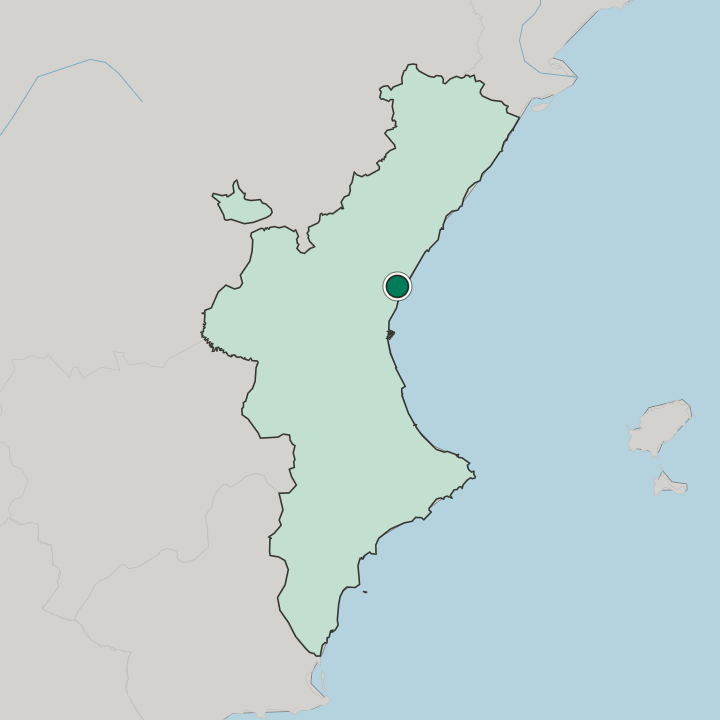
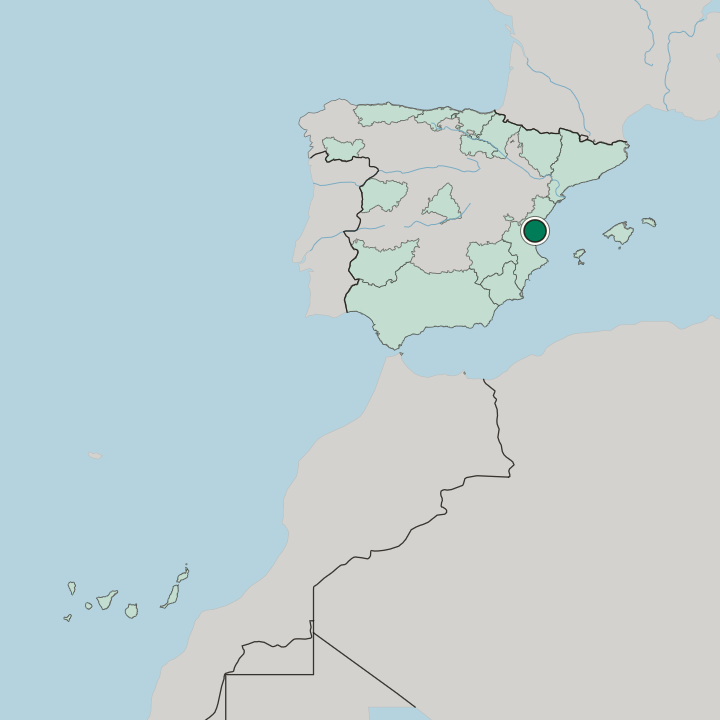
Sagunto stands on the Costa de Valencia in Camp de Morvedre, holding Roman Saguntum, Sagunto Castle and the Roman Theatre of Saguntum.
Hotel links are affiliate links: booking through them may earn us a commission, at no extra cost to you. It never affects how places are ranked. How this works


Where to stay in Sagunto
How the choice of base plays out on the ground.
The old streets gather around Sagunto Castle. A bed among them puts the Roman Theatre of Saguntum, the Iglesia Arciprestal de Santa María and the Museu Històric de Sagunt inside one short walk, and that concentration is why most visitors pick this part of the municipality over any other. Sagunto is large.
The territory spreads across a good deal of the Camp de Morvedre, so the gap between the historic quarter and the shore is measured in more than minutes on foot. The Costa de Valencia gives the second choice. Rooms on the seaward side of the municipality trade the archaeology for the Mediterranean Sea and an easier car, and the run back to the castle and the theatre is short enough that little is really given up.
Petrés is the third. Petrés Castle marks that neighbour, and a bed there suits arrivals coming overland rather than along the coast, with the iglesia de la Natividad de Nuestra Señora and the Alqueria de l'Aigua Fresca among the things within reach. Little of this is far apart.
The Centro Arqueológico Saguntino, the iglesia de El Salvador and the Monasterio de Santa Ana, o Convento de Servitas all fall inside the same municipality, so the choice turns on whether a visitor wants the excavated city or the water.
Find hotels in Sagunto
Direct booking searches for these neighbourhoods.
Around Sagunto Castle
The castle and the Iglesia Arciprestal de Santa María set the grain of the old quarter, and both the theatre and the Museu Històric de Sagunt fall inside one walk of it.Find hotels in Around Sagunto CastleBeds facing the Mediterranean Sea with a short run back to the castleThe Costa de Valencia shore
The seaward end of the municipality trades excavated ground for the Costa de Valencia, and the Centro Arqueológico Saguntino is still a short drive inland from it.Find hotels in The Costa de Valencia shoreOverland arrivals who would rather sleep beside Petrés CastlePetrés
Petrés Castle marks this neighbour in the Camp de Morvedre, with the Alqueria de l'Aigua Fresca and the iglesia de la Natividad de Nuestra Señora inside the same reach. Few places to stay nearby — book ahead.Find hotels in PetrésHotel links are affiliate links: booking through them may earn us a commission, at no extra cost to you. It never affects how places are ranked. How this works
Things to do in Sagunto
Ranked by global recognition; descriptions from Wikidata (CC0).
Museums & Galleries
2- Museu Històric de Sagunt Heritage
- Centro Arqueológico Saguntino
Churches & Religious Sites
6- iglesia de la Natividad de Nuestra Señora Heritage
- iglesia de El Salvador Heritage
- Church of Saint Anthony Heritage
- church of Saint James Heritage
- Església de la Mare de Déu del Bon Succés de Sagunt Heritage
Show 1 more →
- Monasterio de Santa Ana, o Convento de Servitas Heritage
Castles & Historic Sites
4- Sagunto Castle Heritage
- Roman Theatre of Saguntum Heritage
- Petrés Castle Heritage
- Alqueria de l'Aigua Fresca Heritage
Stadiums & Sports
1- René Marigil Pavillion
worth knowingacross 4 categories in Sagunto
About Sagunto
Saguntum came before Sagunto.
What is Sagunto known for?
The remains of the ancient Iberian and Roman city are what the name carries, above all its part in the Second Punic War between the Carthaginians and the Romans, which put the place into the written record early. Two monuments hold the rest. The Roman Theatre of Saguntum and Sagunto Castle stand as the two chief survivals, and the Museu Històric de Sagunt and the Centro Arqueológico Saguntino keep what has been lifted from the ground beneath them.
What are the main landmarks in Sagunto?
The Roman Theatre of Saguntum leads. Sagunto Castle is the larger structure of the pair, Petrés Castle repeats the form in a neighbouring municipality, and the Iglesia Arciprestal de Santa María, the iglesia de El Salvador and the church of Saint James divide the parish work between them. Museums do the interpreting.
The Museu Històric de Sagunt and the Centro Arqueológico Saguntino present what excavation has produced, while the Monasterio de Santa Ana, o Convento de Servitas and the Alqueria de l'Aigua Fresca stand for the centuries after Saguntum.
What is the history of Sagunto?
Saguntum is the older name. The ancient Iberian and Roman city stood on this ground long before the municipality took its modern form, and its part in the Second Punic War between the Carthaginians and the Romans is what fixed it in the record. Sagunto's founding date has not survived.
What survives instead is fabric: the Roman Theatre of Saguntum is the clearest single piece of it, and the Centro Arqueológico Saguntino and the Museu Històric de Sagunt hold the smaller finds. Sagunto Castle belongs to the later town. Its walls gather the defensive centuries into one structure, and Petrés Castle shows the same work being done a short way off in the Camp de Morvedre.
Churches came with the parishes. The Iglesia Arciprestal de Santa María carries the most weight among them, with the iglesia de El Salvador, the church of Saint James, the Church of Saint Anthony and the Església de la Mare de Déu del Bon Succés de Sagunt filling out the rest of the ecclesiastical map. Enclosure has its own building.
The Monasterio de Santa Ana, o Convento de Servitas records a religious community inside the town, while the Alqueria de l'Aigua Fresca and the iglesia de la Natividad de Nuestra Señora stand for the worked country around it.
Where is Sagunto?
Sagunto covers about 132 square kilometres. That territory lies in the fertile comarca of Camp de Morvedre and runs from the Costa de Valencia and the Mediterranean Sea back across the farmland the comarca is known for. Valencia is close.
Sagunto stands about 30 km north of the centre of that city, near enough to read as part of the same coastal strip and far enough that the Camp de Morvedre remains a comarca of its own.
What is the climate of Sagunto?
The Mediterranean Sea moderates Sagunto. Water on the Costa de Valencia side keeps the swing between the warm and the cool halves of the year narrower here than it runs away from the coast, which is the working difference between the shore and the Camp de Morvedre behind it. The theatre is open to it.
An open-air Roman Theatre of Saguntum takes the weather directly, which is the practical consequence of a coastal pattern for anyone deciding when to visit it.
How do you get to Sagunto?
Most arrivals come from Valencia. The centre of that city lies about 30 km off along the same coastal strip, so the run to Sagunto is short and the Costa de Valencia keeps company with the road for most of it. The Camp de Morvedre carries the rest.
Approaches through the comarca pass Petrés and its castle before reaching the municipality, and once inside it the Roman Theatre of Saguntum and Sagunto Castle are the marks that orient a visitor.
Common questions
What is the best area to stay in Sagunto?
Around Sagunto Castle: Visitors who want the Roman Theatre of Saguntum and the Museu Històric de Sagunt on foot. The Costa de Valencia shore: Beds facing the Mediterranean Sea with a short run back to the castle. Petrés: Overland arrivals who would rather sleep beside Petrés Castle.
Good for
More cities in Comunitat Valenciana
Updated October 2026