Spain · Comunitat Valenciana
Where to Stay in Castelló de la Plana, Comunitat Valenciana
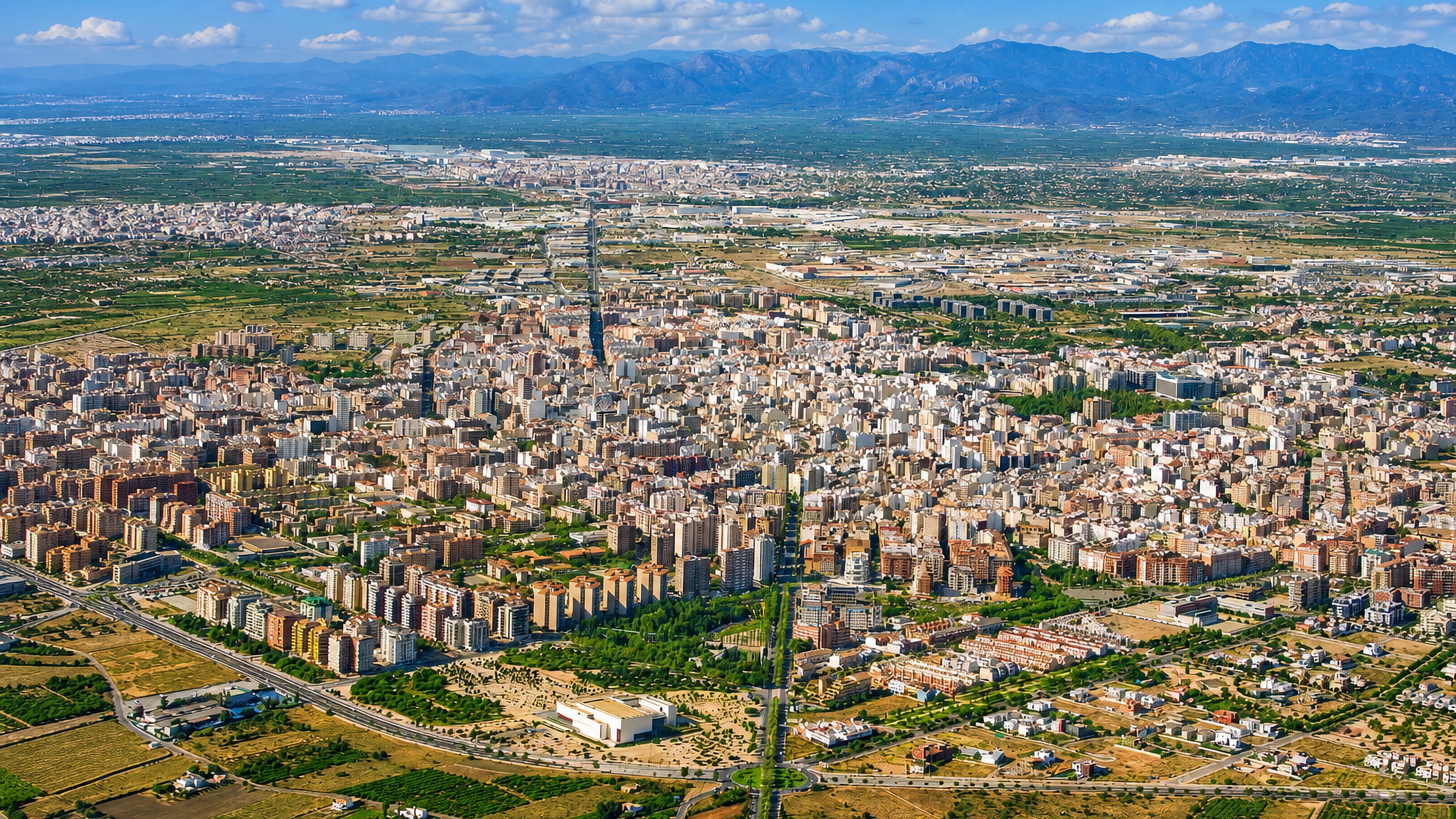
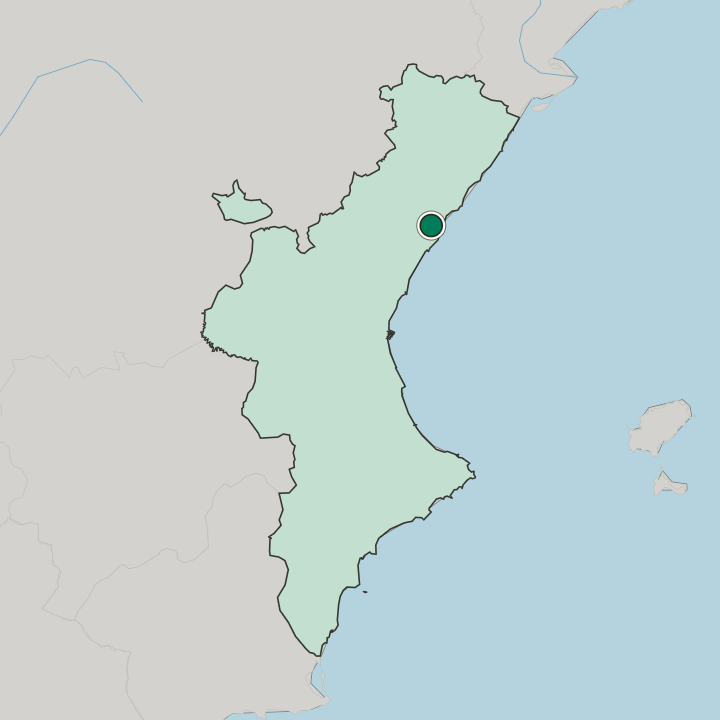
Castelló de la Plana is capital of the province of Castellón, an inland core with the detached port district of Grau, under the Desert de les Palmes.
Hotel links are affiliate links: booking through them may earn us a commission, at no extra cost to you. It never affects how places are ranked. How this works


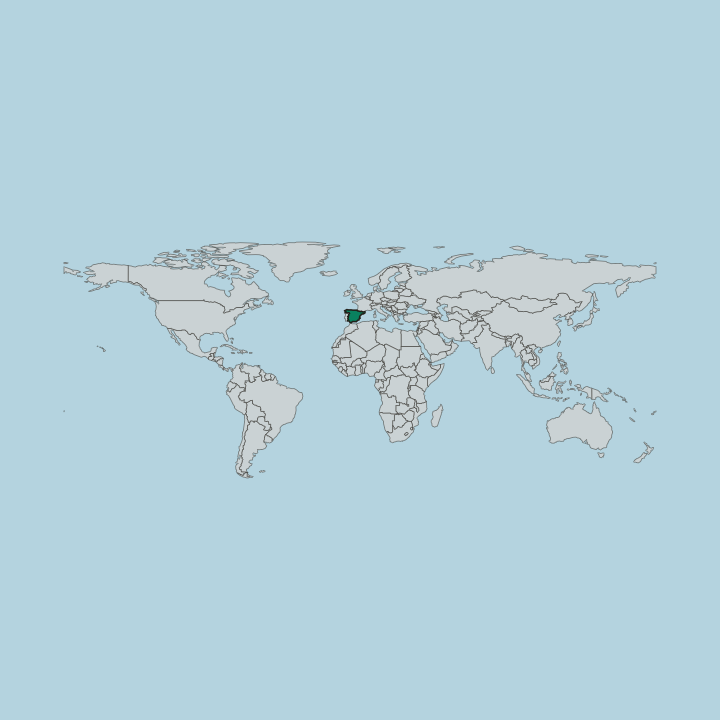
Where to stay in Castelló de la Plana
The practical side of choosing where to sleep.
Grau or the centre, that is the choice. Rooms in the old core put Castelló Cathedral, El Fadrí and the Llotja del Cànem within one walk, and the Museu de Belles Arts de Castelló sits close enough to fill an afternoon without transport. The centre is flat.
Anyone here for the museums and the town hall of Castelló de la Plana will lose the least time by staying inside the line of the Muralles Liberals de Castelló de la Plana. Grau is the other option. The port district stands apart from the main urban core, a few kilometres out on the Mediterranean Sea, and a bed there trades the cathedral streets for open water and the working harbour.
The two sit a short ride apart. Visitors travelling with children or a car tend to prefer Grau, while those counting museum hours do better in the old core near the Museo de la Ciudad de Castelló. North of the city the ground rises.
Desert de les Palmes stands over that side, and rooms out towards it suit drivers who want the range within reach and the orange orchards of the plain on the road in. It is a car choice. The Ermita de Sant Nicolau de Bari and the Monastery of Saint Joseph belong to that older religious landscape, while the Museu Etnològic de Castelló de la Plana sits back in the centre.
Find hotels in Castelló de la Plana
Direct booking searches for these neighbourhoods.
The cathedral core
Castelló Cathedral, the town hall of Castelló de la Plana and the Museu de Belles Arts de Castelló share the same flat streetsFind hotels in The cathedral coreSea air a few kilometres out from the Castelló Cathedral streetsGrau, the port district
The detached district of Grau grew around the working port, apart from the inland coreFind hotels in Grau, the port districtDrivers heading for the Desert de les Palmes range and the orange orchardsThe Desert de les Palmes side
The Ermita de Sant Nicolau de Bari and the orchards of the plain lie along that road out. Few places to stay nearby — book ahead.Find hotels in The Desert de les Palmes sideHotel links are affiliate links: booking through them may earn us a commission, at no extra cost to you. It never affects how places are ranked. How this works
Things to do in Castelló de la Plana
Ranked by global recognition; descriptions from Wikidata (CC0).
Museums & Galleries
3- Museu de Belles Arts de Castelló Heritage
- Espacio de Arte Contemporáneo de Castellón
- Museo de la Ciudad de Castelló
Churches & Religious Sites
8- Castelló Cathedral Heritage
- Church of the Holy Family Heritage
- church of the Holy Blood Heritage
- Church of Saint Augustinus Heritage
- Church of Saint Vincent Ferrer Heritage
Show 3 more →
- Ermita de Sant Nicolau de Bari Heritage
- Convento de la Preciosísima Sangre de Castellón de la Plana Heritage
- Church of the Trinity Heritage
Castles & Historic Sites
4- El Fadrí Heritage
- Llotja del Cànem Heritage
- town hall of Castelló de la Plana Heritage
- Muralles Liberals de Castelló de la Plana Heritage
Landmarks & Notable Places
1- casa es de Luisa Heritage
worth knowingacross 4 categories in Castelló de la Plana
About Castelló de la Plana
The city keeps two halves.
What is Castelló de la Plana known for?
The main urban core lies some kilometres back from the water while the detached district of Grau grew around the port, and the split shows in how a day runs between them. Castelló Cathedral holds the centre. El Fadrí, the Llotja del Cànem and the town hall of Castelló de la Plana stand in the same few streets, with the Museu de Belles Arts de Castelló carrying the art side.
Orange orchards fill the plain around.
What are the main landmarks in Castelló de la Plana?
Two towers set the skyline: Castelló Cathedral and El Fadrí. Trade left the Llotja del Cànem, government the town hall of Castelló de la Plana, and defence the Muralles Liberals de Castelló de la Plana. Collections account for the remainder.
The Museu de Belles Arts de Castelló, the Espacio de Arte Contemporáneo de Castellón and the Museo de la Ciudad de Castelló cover art and the city itself, with the church of the Holy Blood among the older parishes.
What is the history of Castelló de la Plana?
The year is 1239. Castelló de la Plana enters the record then, and the settlement that followed grew on the plain a few kilometres back from the Mediterranean Sea rather than on the water itself, which is why the port district of Grau came later and separately. The cathedral anchored it.
Castelló Cathedral and El Fadrí fixed the centre, and the Llotja del Cànem carries in its name the hemp trade that once passed through the town. Walls came with conflict. The Muralles Liberals de Castelló de la Plana are the defensive line the city kept, and the Museo de Historia Militar de Castellón holds the military record.
Religious houses multiplied. The Convento de la Preciosísima Sangre de Castellón de la Plana, the church of the Holy Blood, the Monastery of Saint Joseph and the Ermita de Sant Nicolau de Bari all belong to that long stretch, alongside the Church of Saint Augustinus and the Church of the Trinity. Administration left its own buildings.
The town hall of Castelló de la Plana and the Museu de Belles Arts de Castelló belong to the capital's role in the province of Castellón, and the Museo de la Ciudad de Castelló, the Museu Etnològic de Castelló de la Plana and the Espacio de Arte Contemporáneo de Castellón were added to that list later. The plain kept its orchards. Orange groves still work the ground between the city and the Desert de les Palmes, which rises to the north of it.
Where is Castelló de la Plana?
The plain gives the city its name. Castelló de la Plana covers about 111 square kilometres between the Mediterranean Sea and the Desert de les Palmes, which rises to the north, with the main urban core set back from the shore and Grau built out at the port. Orchards fill the space between.
This is the coastal edge of the Iberian Peninsula, and the flat ground runs from the water to the foot of the range with little relief in the way.
What is the climate of Castelló de la Plana?
The sea holds the temperature steady. Castelló de la Plana sits in the temperate band with the Mediterranean Sea in front of it, so the plain warms slowly in spring and holds its heat late, while the Desert de les Palmes shelters the northern side. Frost is rare on the plain.
Grau, out at the water, catches the sea breeze that the inland core misses.
How do you get to Castelló de la Plana?
Two addresses, one city. Anyone arriving heads first for the main urban core, since Castelló Cathedral, the town hall of Castelló de la Plana and the museums are all inside it, while Grau sits some kilometres away at the port. The centre walks easily.
Reaching the Desert de les Palmes to the north, or the orange orchards of the plain, is a different matter and works better with a car.
Common questions
What is the best area to stay in Castelló de la Plana?
The cathedral core: Museum days built around El Fadrí and the Llotja del Cànem. Grau, the port district: Sea air a few kilometres out from the Castelló Cathedral streets. The Desert de les Palmes side: Drivers heading for the Desert de les Palmes range and the orange orchards.
Good for
More cities in Comunitat Valenciana
Updated October 2026