Finland · South Ostrobothnia
Where to Stay in Kuortane, South Ostrobothnia
Kuortane is a rural parish in South Ostrobothnia, western Finland, the birthplace of the architect Alvar Aalto.
Find your area →


Where to stay in Kuortane
The right area depends on your trip — here's what each neighbourhood is best for.
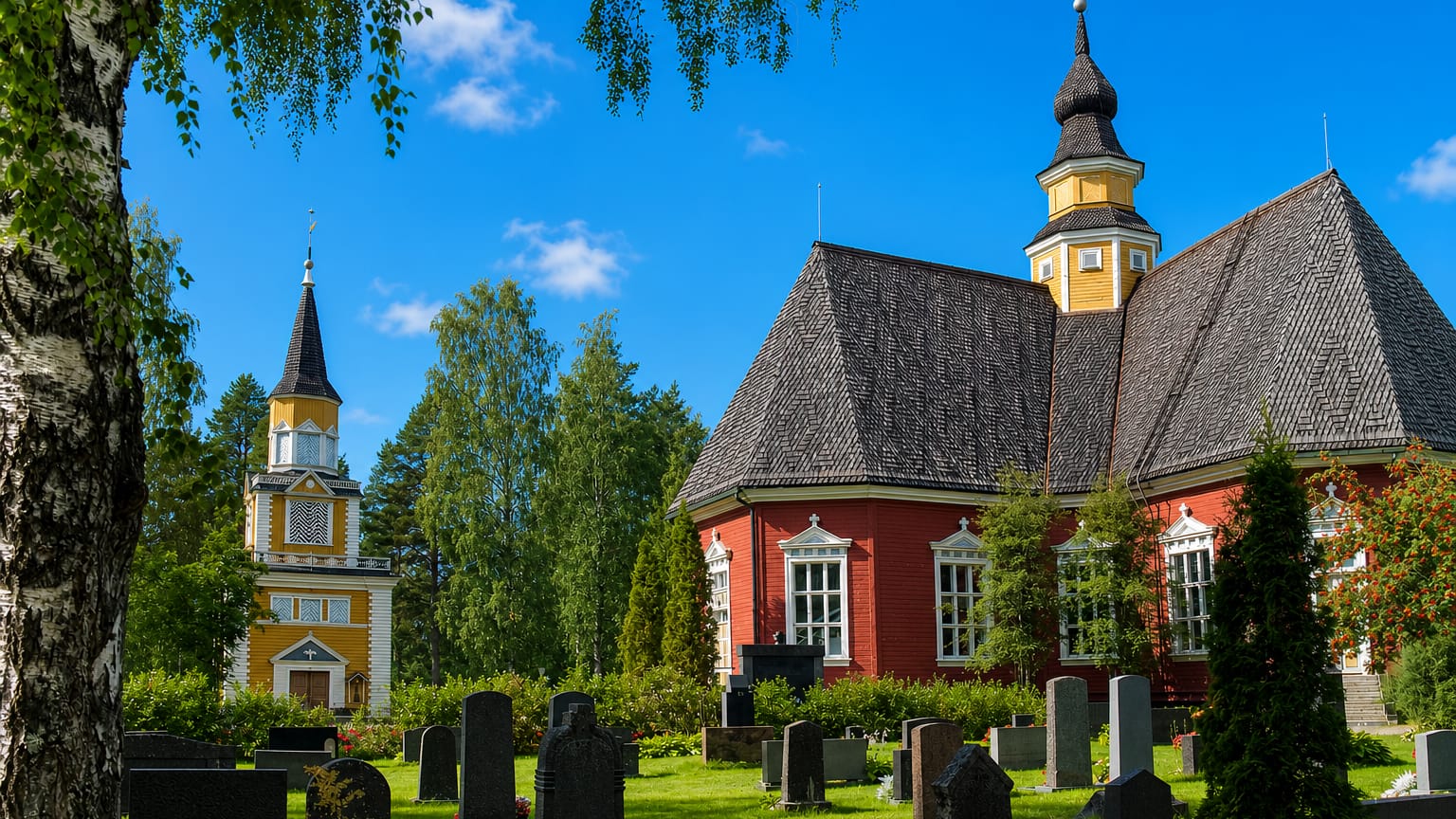
Kuortane keeps a modest stock of beds for a rural parish of South Ostrobothnia, the kind of place where a small hotel, a sports lodge or a guesthouse is the usual room. The village core around the Kuortaneen kirkko is the natural base, with the parish church and its belfry, the shops and the everyday services of western Finland (Ostrobothnia) all within an easy walk. That is the simplest heart.
Out across the farming municipality the choice runs to cottages and cabins among the fields and woods, near the old Ostrobothnian houses of the Kuortaneen pohjalaistalot and the village of Ruonan kylä ja Haapaniemen pappila, a quiet base for touring the plain of South Ostrobothnia by car. Beds thin in the country. Visitors drawn to architecture often plan a day around the Alvar Aallon synnyinkoti, the birthplace of Alvar Aalto, then sleep in the larger towns nearby and drive into Kuortane for the morning.
Book ahead in summer, when sporting events and the farm cottages of the parish fill the few rooms early.
About Kuortane
What is Kuortane known for?
Kuortane is known as a farming parish of South Ostrobothnia and the place where the architect Alvar Aalto was born. Two threads run through it. The wooden Kuortaneen kirkko stands at the centre with its separate belfry, while the preserved Alvar Aallon synnyinkoti marks the master's birthplace and the old Ostrobothnian farmhouses of the Kuortaneen pohjalaistalot keep the timber-building tradition of this part of western Finland (Ostrobothnia).
What are the main landmarks in Kuortane?
The Kuortaneen kirkko is the chief landmark of the parish, a large wooden church whose separate belfry, the Kuortaneen kirkon tapuli, rises beside it on the South Ostrobothnia farmland. Architecture draws visitors too. The preserved Alvar Aallon synnyinkoti marks the birthplace of Alvar Aalto, while the old timber farms of the Kuortaneen pohjalaistalot keep the Ostrobothnian building tradition alive.
Rural heritage survives in the parsonage village of Ruonan kylä ja Haapaniemen pappila and the main house of Ylisen päärakennus in this corner of western Finland (Ostrobothnia).
What is the history of Kuortane?
Kuortane grew as a farming parish of the South Ostrobothnia countryside. Settlement spread along the fertile valley land of this part of western Finland (Ostrobothnia), where the broad fields and the long timber farmhouses of the Kuortaneen pohjalaistalot took shape over the generations in the distinctive Ostrobothnian style. Land and timber came first.
The wooden Kuortaneen kirkko gathered the parish around it, the belfry of the Kuortaneen kirkon tapuli standing beside the church as the centre of village life. Wider history reached the parish through its people. Alvar Aalto, the architect, was born here, his roots in the rural craft of South Ostrobothnia later echoing through his work, and the house kept as the Alvar Aallon synnyinkoti preserves that birthplace.
Older rural heritage survives in the parsonage and village of Ruonan kylä ja Haapaniemen pappila and in the main house of Ylisen päärakennus, both protected for their place in the building tradition of the region. Through later boundary changes Kuortane settled into its role as a quiet farming municipality of western Finland (Ostrobothnia), its churches, farmhouses and the memory of Alvar Aalto carrying that story forward.
Where is Kuortane?
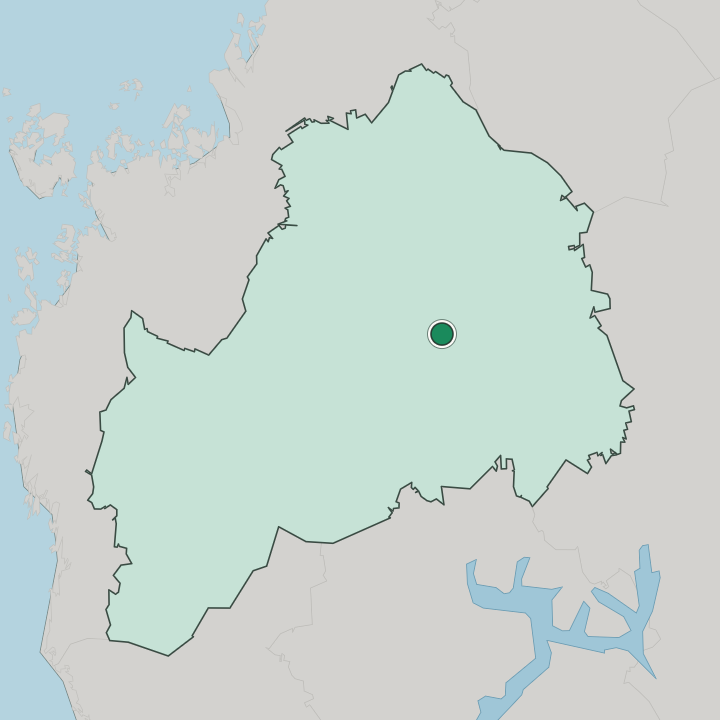
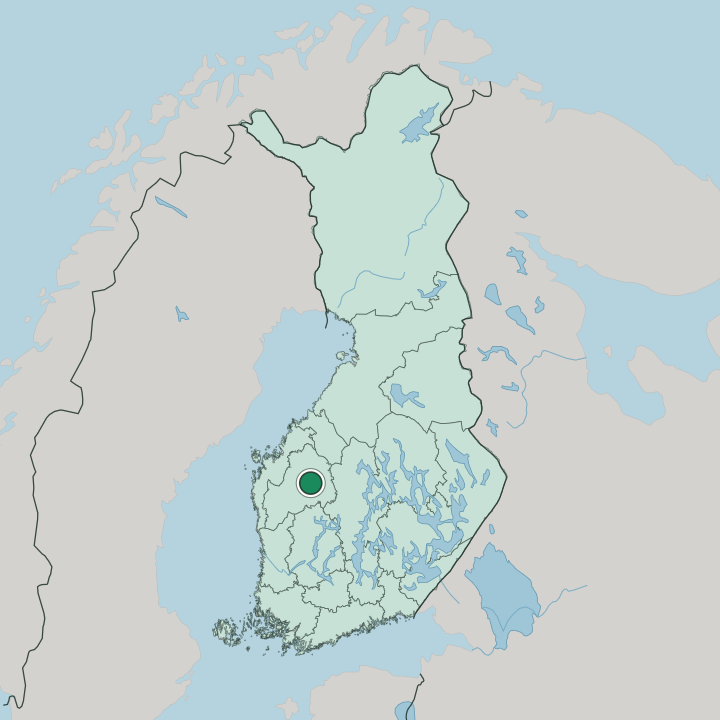
Kuortane lies in the valley farmland of South Ostrobothnia, in western Finland (Ostrobothnia). Open fields, low woods and small watercourses fill the rural municipality, the village core gathered by the Kuortaneen kirkko while tilled land spreads out on every side. The country is broad and gentle.
Farms and the old Ostrobothnian houses of the Kuortaneen pohjalaistalot stand along the lanes, and the parsonage village of Ruonan kylä ja Haapaniemen pappila lies among the fields of this quiet stretch of western Finland.
What is the climate of Kuortane?
Kuortane has a cool inland climate set by the open valley country of South Ostrobothnia. Winters are cold and snowy, with hard frosts gripping the fields and woods around the parish through the dark months and the snow lying long across western Finland (Ostrobothnia). The cold settles on the plain.
Warm, light summers bring the long northern daylight to the farmland of Kuortane, the short growing season when the fields green and the rural lanes around the Kuortaneen kirkko fill with the work of the harvest.
How do you get to Kuortane?
Kuortane sits on the regional roads of the South Ostrobothnia countryside, and the car is the usual way in. Main roads cross the valley farmland of western Finland (Ostrobothnia) to the village centre near the Kuortaneen kirkko, the simplest approach for travellers driving the region. Buses run the same routes.
The nearest railway and airport lie in the larger towns of South Ostrobothnia, from where road carries visitors the last stretch into Kuortane and out to the Alvar Aallon synnyinkoti.
More cities in South Ostrobothnia
Updated September 2026