France · Île-de-France
Where to Stay in Cergy, Île-de-France
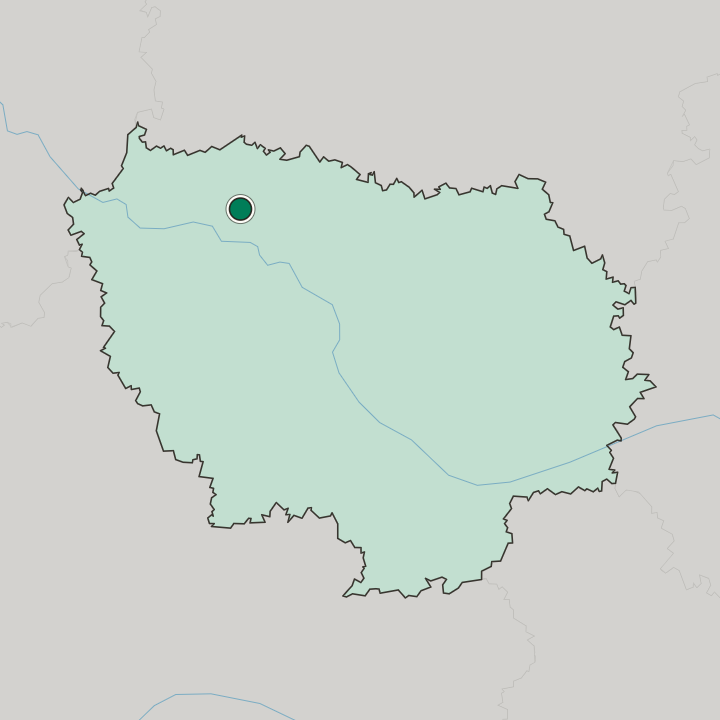
Cergy is a commune of Val-d'Oise northwest of Paris, the central town of the planned Cergy-Pontoise agglomération, with Port-Cergy on its waterside.
Hotel links are affiliate links: booking through them may earn us a commission, at no extra cost to you. It never affects how places are ranked. How this works


Where to stay in Cergy
Where visitors usually base themselves, and why.
Two very different addresses split the choice here: the marina berths at Port-Cergy, and the built-up centre around the piscine d'agglomération du Parvis where the offices and the Novotel Cergy Pontoise stand. Port-Cergy sits low by the water. Rooms there put the quays, the piscine d'agglomération de l'Axe Majeur, and the walk to Église Saint-Christophe de Cergy inside an easy morning.
Evenings run quiet. The berths and the terraces along them give the quarter a holiday register that the rest of the commune does not attempt, and families take to it. The centre answers with volume rather than water.
Around the Parvis the shops, the patinoire intercommunale, and Aren'Ice sit close together, and the road links out to Pontoise and Osny start here. Business travel keeps most of these beds busy through the working week, which leaves weekends calmer for anyone arriving to see the town itself. If you want the shops, the centre suits better.
Beds thin out fast beyond the commune line, so Vauréal, Courdimanche and Neuville-sur-Oise read as day trips rather than bases. Pontoise next door carries the older streets, and Osny keeps the Church of Saint-Pierre-aux-Liens d'Osny, so a car widens the range from either base. Paris is the other pull.
The distance in from the capital is short enough that Cergy works as a base for people whose business sits at both ends of it.
Find hotels in Cergy
Direct booking searches for these neighbourhoods.
Port-Cergy
The quays and their terraces sit a short walk from Église Saint-Christophe de CergyFind hotels in Port-CergyWeekday stays working out of the Novotel Cergy PontoiseThe Parvis
Aren'Ice, the patinoire intercommunale and the piscine d'agglomération du Parvis stand within a few streetsFind hotels in The ParvisDrivers touring Vauréal, Courdimanche and Boissy-l'AillerieThe outer communes
Village churches and the parc des sports de Boissy-l'Aillerie, with almost no beds of their own. Rooms are few around here — worth securing early.Find hotels in The outer communesHotel links are affiliate links: booking through them may earn us a commission, at no extra cost to you. It never affects how places are ranked. How this works
Things to do in Cergy
Ranked by global recognition; descriptions from Wikidata (CC0).
Churches & Religious Sites
7- Église Saint-Christophe de Cergy Heritage
- Church of Saint-Pierre-aux-Liens d'Osny Heritage
- Église Notre-Dame-de-l'Assomption de Vauréal Heritage
- Église Saint-André de Boissy-l'Aillerie Heritage
- Église Saint-Pierre de Puiseux-Pontoise Heritage
Show 2 more →
- église Saint-Lucien de Courcelles-sur-Viosne Heritage
- Église Saint-Martin de Courdimanche Heritage
Stadiums & Sports
3- Aren'Ice
- Stade d'eaux vives de Cergy-Pontoise
- Port-Cergy
worth knowingacross 2 categories in Cergy
About Cergy
What is Cergy known for?
Cergy carries two identities at once: a commune of Val-d'Oise with its own parish church, and the central piece of the planned Cergy-Pontoise agglomération northwest of Paris. Sport fills much of it. Aren'Ice draws crowds to the ice, and the Stade d'eaux vives de Cergy-Pontoise runs whitewater beside it.
Port-Cergy holds the moorings, while Église Saint-Christophe de Cergy keeps the older parish.
What are the main landmarks in Cergy?
Ice and water take the top billing. Aren'Ice and the patinoire intercommunale keep the rinks running, while the Stade d'eaux vives de Cergy-Pontoise sends paddlers down a whitewater course and Port-Cergy holds the pleasure boats. Churches mark the older settlements. Église Saint-Christophe de Cergy stands in the commune itself, and the ring around it holds Église Saint-Martin de Courdimanche, Église Notre-Dame-de-l'Assomption de Vauréal, and the Church of Saint-Pierre-aux-Liens d'Osny.
Swimming is spread across the agglomeration, from the piscine d'agglomération de l'Axe Majeur to the pools at the Parvis, la Raviniere and l'Hautil.
What is the history of Cergy?
A parish church came first. Église Saint-Christophe de Cergy served a commune of the Val-d'Oise countryside, one of a scatter of villages whose churches still stand at Courdimanche, Vauréal, Osny, Puiseux-Pontoise, and Boissy-l'Aillerie. Courcelles-sur-Viosne kept its own, Église Saint-Lucien de Courcelles-sur-Viosne, on the same pattern. Then the state redrew the map.
The nineteen-sixties brought the new town of Cergy-Pontoise, a planned settlement laid across the old communes of Val-d'Oise, and Cergy took the central place in it. Growth followed the plan rather than the parish. The agglomeration equipped itself steadily after that, with the piscine d'agglomération du Parvis, la Raviniere, l'Hautil, and l'Axe Majeur spread between the communes.
The old parishes did not vanish under the plan, and their churches, along with grounds like stade et tennis de Neuville-sur-Oise, still mark where each village stood. Sport shaped the newest layer. Aren'Ice added an ice hall, the Stade d'eaux vives de Cergy-Pontoise added a whitewater course, and Port-Cergy turned the waterside into moorings and terraces for the boats.
Local grounds filled in the rest, from stade Roger Gault and stade du Chat Perche to the parc des sports de Boissy-l'Aillerie and the complexe sportif de Gency.
Where is Cergy?
Cergy sits in the department of Val-d'Oise, northwest of Paris, close enough for the capital's edge and far enough out to keep open country beyond it. Communes crowd the boundary on all sides. Pontoise and Osny belong to the same agglomeration, Vauréal and Courdimanche continue the built-up ground, and Neuville-sur-Oise with Puiseux-Pontoise hold the quieter edge.
Port-Cergy anchors the waterside. Île-de-France holds the whole cluster, and Boissy-l'Aillerie and Courcelles-sur-Viosne mark where the agglomeration thins into small commune country.
What is the climate of Cergy?
Cergy shares the weather of Paris. Val-d'Oise rarely deals in extremes. The temperate band that covers Île-de-France gives the commune mild swings rather than sharp ones, so neither the summer nor the winter tends to stop anything outdoors for long.
Indoor venues carry the darker months, from the patinoire intercommunale to the piscine d'agglomération du Parvis and the halls at Aren'Ice. Boats at Port-Cergy and paddlers on the whitewater course belong to the warmer half of the year.
How do you get to Cergy?
Paris lies just under thirty kilometres off, measured to its centre, and that short run governs almost everything about arriving here, whether the journey starts in the capital or out in Val-d'Oise. Most arrivals come through Pontoise. Routes into the commune run through the neighbouring communes of Osny, Puiseux-Pontoise, Boissy-l'Aillerie and Neuville-sur-Oise, so arrivals cross the agglomeration rather than stopping at one gate.
Port-Cergy takes the traffic that comes by water, on moorings rather than roads. Distances inside it stay small.
Common questions
What is the best area to stay in Cergy?
Port-Cergy: Arrivals who want the marina berths and the piscine d'agglomération de l'Axe Majeur. The Parvis: Weekday stays working out of the Novotel Cergy Pontoise. The outer communes: Drivers touring Vauréal, Courdimanche and Boissy-l'Aillerie.
Good for
More cities in Île-de-France
Updated October 2026