France · Île-de-France
Where to Stay in Issy-les-Moulineaux, Île-de-France
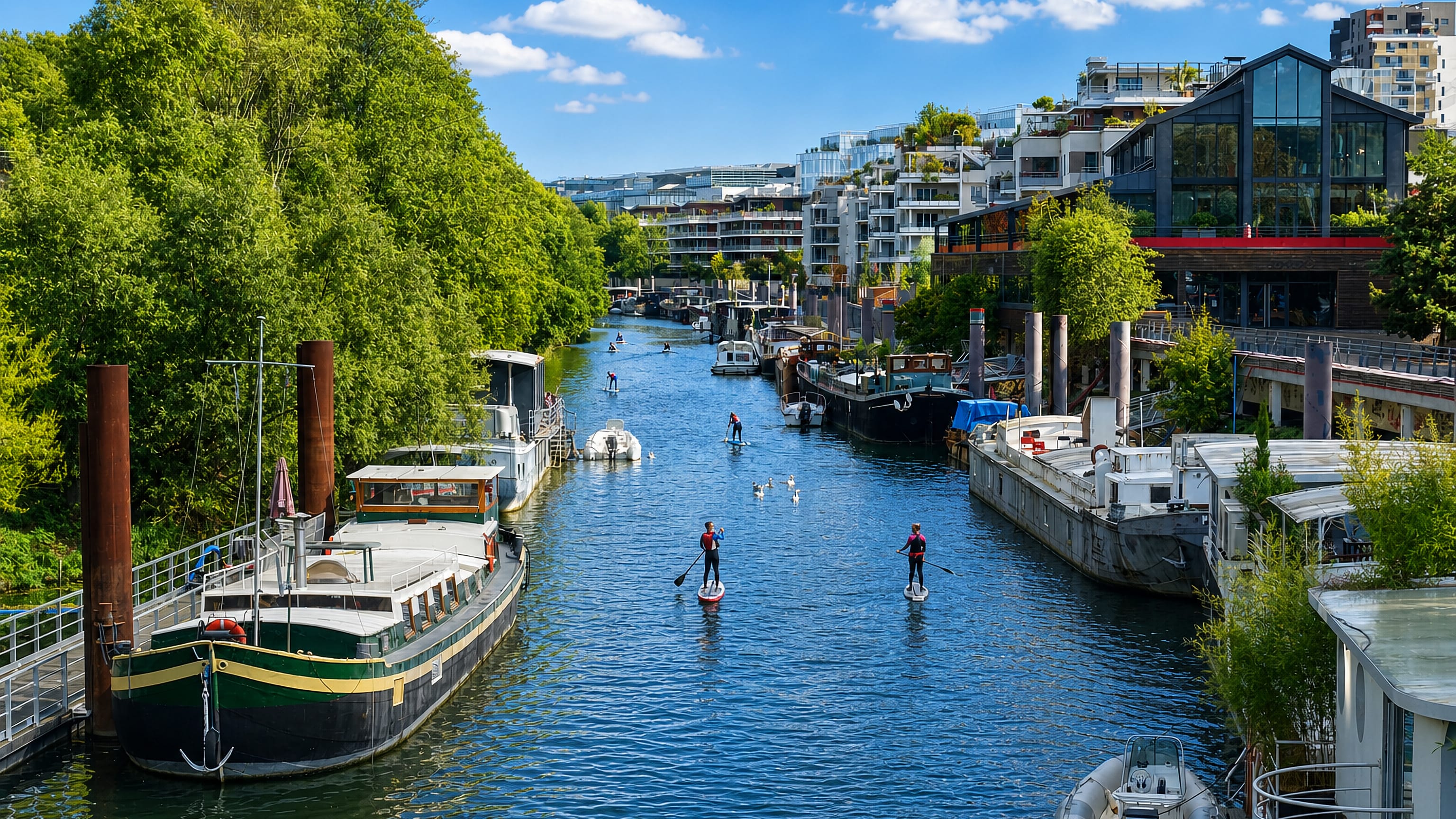
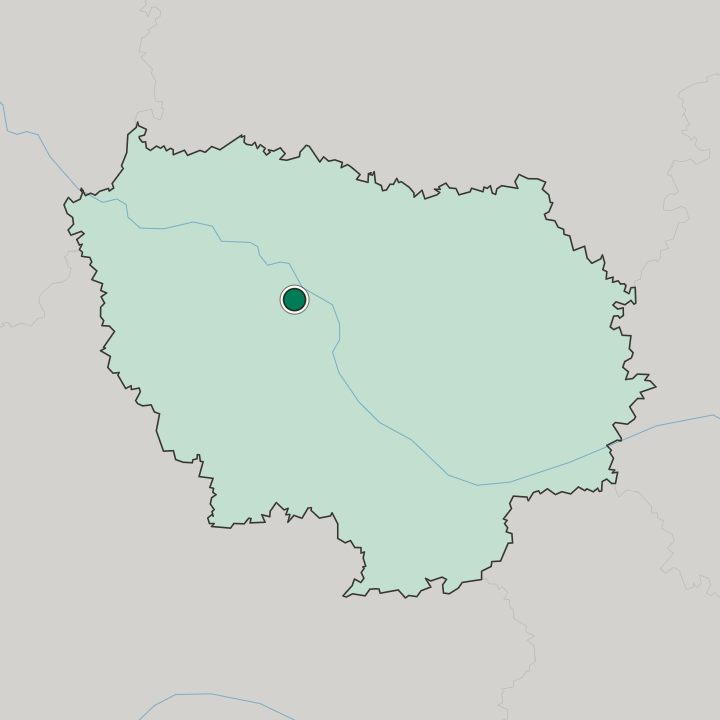
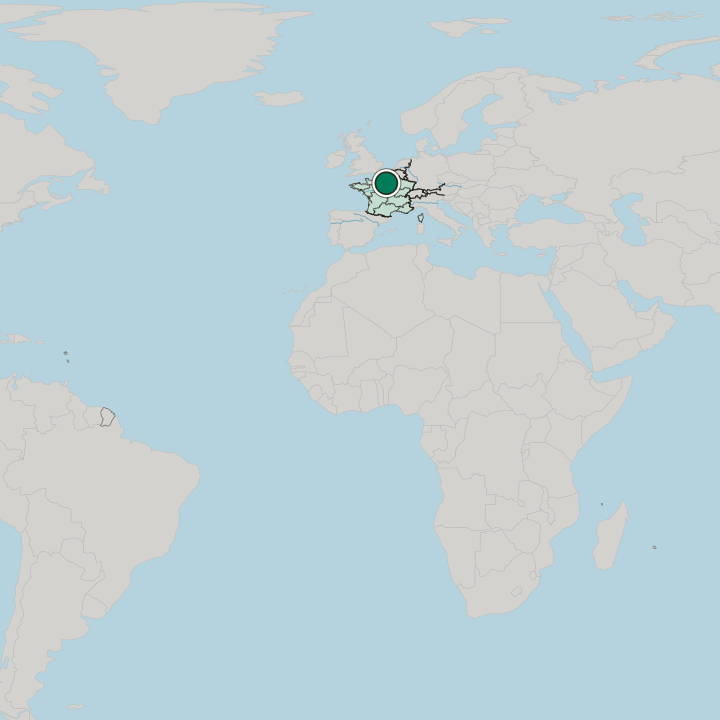
Issy-les-Moulineaux sits on the left bank of the Seine in the southwestern suburbs of Paris, inside the Métropole du Grand Paris.
Hotel links are affiliate links: booking through them may earn us a commission, at no extra cost to you. It never affects how places are ranked. How this works


Where to stay in Issy-les-Moulineaux
How the choice of base plays out on the ground.
A room here is a Paris room minus the postcode. Issy-les-Moulineaux touches the city boundary, so the practical question is which part of the commune suits: the Seine bank facing the water, or the streets set back toward the museums. Both walk to a crossing.
The bank is the pick for anyone whose day starts by the river and ends in the capital, since the boundary is only a few minutes off on foot. Museums decide the rest. Rooms near the musée des années trente and the Musée Français de la Carte à Jouer put two very different collections within a short walk, and the Musée Albert-Kahn lies out toward Boulogne on the same short hop.
Sport pulls the other way. Stade Roland Garros, the Tenniseum, the Stade Pierre de Coubertin and the Piscine Molitor all sit within a few kilometres, which makes that flank the sensible one during a tournament. Sèvres is the quiet option.
Beds out that way sit near the Manufacture nationale de Sèvres, the National Museum of Ceramics and the Château de Bellevue, further from the boundary and calmer after dark. If you want the shortest run into central Paris, stay on the bank; if you want space and porcelain, take the Sèvres end. Nothing between the two is a long trip.
Find hotels in Issy-les-Moulineaux
Direct booking searches for these neighbourhoods.
The Seine bank
Rooms facing the left bank of the Seine, minutes from the boundary the commune shares with the capital.Find hotels in The Seine bankthe musée des années trente and a card collectionThe museum streets
Back from the river near the musée des années trente and the Musée Français de la Carte à Jouer.Find hotels in The museum streetsthe gardens of the Musée Albert-KahnToward Boulogne
The Boulogne flank, closest to the Musée Albert-Kahn and the Église Notre-Dame de Boulogne. Lodging is scarce in this area; reserve in advance.Find hotels in Toward Boulogneporcelain at the Manufacture nationale de SèvresThe Sèvres end
Quieter ground out by the Manufacture nationale de Sèvres, the National Museum of Ceramics and the Château de Bellevue.Find hotels in The Sèvres endHotel links are affiliate links: booking through them may earn us a commission, at no extra cost to you. It never affects how places are ranked. How this works
Things to do in Issy-les-Moulineaux
Ranked by global recognition; descriptions from Wikidata (CC0).
Museums & Galleries
3- Manufacture nationale de Sèvres Heritage
- Musée Français de la Carte à Jouer
- National Museum of Ceramics
Castles & Historic Sites
1- Château de Bellevue Heritage
Landmarks & Notable Places
1- tour INSEE
worth knowingacross 3 categories in Issy-les-Moulineaux
About Issy-les-Moulineaux
The Seine sets the edge.
What is Issy-les-Moulineaux known for?
Issy-les-Moulineaux runs along the left bank in the southwestern suburbs of Paris, near enough to the middle that the commune counts as one of the city's entrances, some six and a half kilometres from the Notre Dame Cathedral that marks Kilometre Zero. Museums are the visitor draw. The musée des années trente and the Musée Français de la Carte à Jouer stand within the same short radius as the Musée Albert-Kahn and the Manufacture nationale de Sèvres.
What are the main landmarks in Issy-les-Moulineaux?
Collections, not monuments, define Issy-les-Moulineaux. The musée des années trente and the Musée Français de la Carte à Jouer are the two most specific collections, while the Musée Albert-Kahn, the Musée de La Poste and the Musée Pasteur fall inside the same short radius. Sport keeps its own map.
Stade Roland Garros and the Tenniseum, the Stade Pierre de Coubertin and the Piscine Molitor are all close by, and the Manufacture nationale de Sèvres anchors the far end with the National Museum of Ceramics.
What is the history of Issy-les-Moulineaux?
Issy is the older name. The commune's formal name is simply Issy, with Issy-les-Moulineaux the fuller version in daily use, and its people are called Isséens. The Seine did the rest.
A left-bank site this near the capital made the commune one of the entrances to Paris, and everything that followed, the mills carried in the second half of the name, then industry, then offices, worked off the river and the roads beside it. The twentieth century left the clearest marks. Villa La Roche, the Immeuble Molitor and the Fondation Le Corbusier stand within the same few streets across the boundary, and the musée des années trente keeps the decade that reshaped this stretch of the left bank.
Sport built here too. Stade Roland Garros, the Stade Pierre de Coubertin and the Piscine Molitor all went up within a short radius, and the Tenniseum was added to the first of them. Administration caught up late.
Issy-les-Moulineaux joined the Grand Paris Seine Ouest agglomeration community in 2010, and that body merged into the Métropole du Grand Paris in 2016, which set the commune inside the same governing frame as the capital it had always bordered. Older neighbours predate all of it. The Manufacture nationale de Sèvres and the Château de Bellevue belong to an age well before the suburb reached them.
Where is Issy-les-Moulineaux?
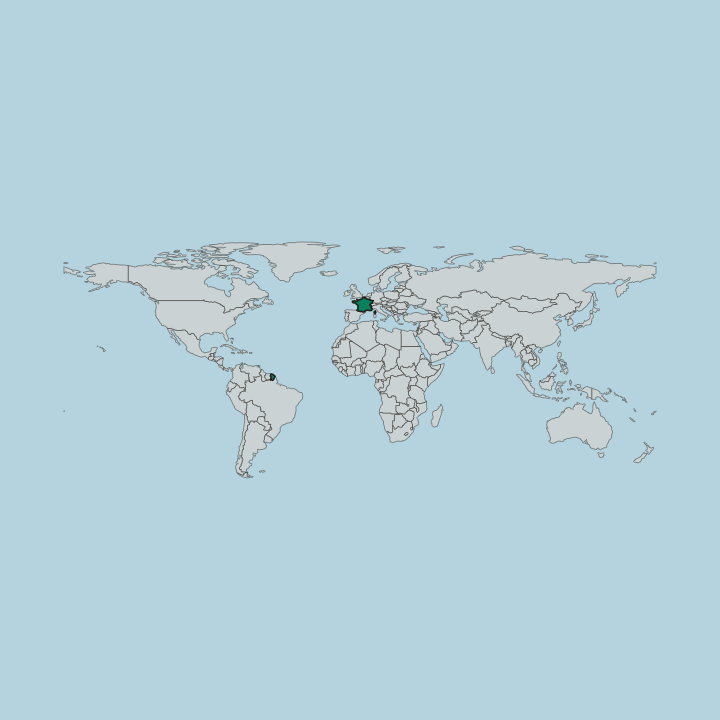
Just over four square kilometres on the left bank. Issy-les-Moulineaux holds that ground in the southwestern suburbs of Paris, hard against the city boundary, with the Seine along one flank and Boulogne and Sèvres continuing the built-up bank beyond it. Notre Dame Cathedral is six and a half kilometres off.
Only a boundary separates commune from capital.
What is the climate of Issy-les-Moulineaux?
The Seine is the only local influence worth naming, and even it does little beyond holding mist over the water on cold mornings in Issy-les-Moulineaux. Extremes stay away. Winters are damp and grey more often than icy, summers climb in short spells rather than settling in, and rain reaches every season without ever taking one over.
A jacket earns its place in spring.
How do you get to Issy-les-Moulineaux?
Paris starts at the boundary. Issy-les-Moulineaux counts among the capital's entrances, six and a half kilometres from the Notre Dame Cathedral that marks Kilometre Zero in France, so arriving is less a journey than a crossing. The left bank carries the traffic.
Road and rail follow the Seine toward Boulogne and Sèvres, and the commune sits inside the Métropole du Grand Paris rather than at the end of any line.
Common questions
What is the best area to stay in Issy-les-Moulineaux?
The Seine bank: morning walks by the water before crossing into Paris. The museum streets: the musée des années trente and a card collection. Toward Boulogne: the gardens of the Musée Albert-Kahn. The Sèvres end: porcelain at the Manufacture nationale de Sèvres.
Good for
More cities in Île-de-France
Updated October 2026