India · State of Bihar
Where to Stay in Bāruni, State of Bihar
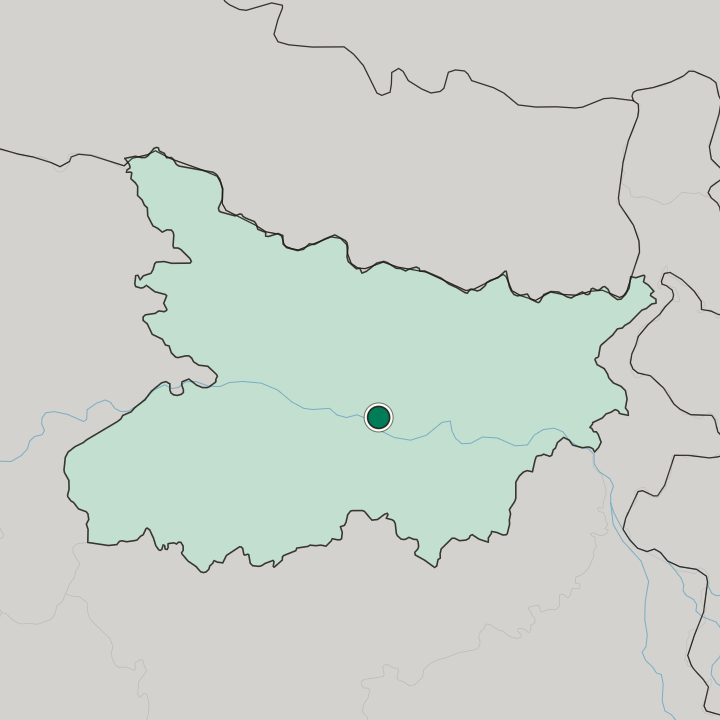
Bāruni is an industrial town on the north bank of the Ganges in Begusarai district, Bihar, with a basilica as its one recorded landmark.
Hotel links are affiliate links: booking through them may earn us a commission, at no extra cost to you. It never affects how places are ranked. How this works


Where to stay in Bāruni
Where visitors usually base themselves, and why.
The river fixes the choice in Bāruni: rooms sit on the north side of the Ganges, and crossing it is a decision about the day's travel rather than about the view. Nothing here is a resort. An industrial town keeps industrial hours, and the beds that exist in Bāruni are taken by people whose business is the industry the record names rather than by travellers moving between sights.
The Basilica of Our Lady of Divine Grace gives the one reason to plan a stay around something other than work. Pilgrims and travellers with an interest in it will want to be within the town itself, since Begusarai district spreads well beyond Bāruni and formal rooms do not follow. Begusarai is the alternative.
That district name covers far more ground than the town, and a traveller who wants a wider choice of rooms than an industrial settlement offers will be looking across it rather than at Bāruni alone. The Ganges shapes that decision too. The river runs to the south of the town, so a journey that continues across it is a different proposition from one that stays on the north bank, and the timing of a crossing tends to set where a night is spent.
Ganga is the other name the record gives the river, and under either name it is the fixed point that every plan in Bāruni turns around.
Find hotels in Bāruni
Direct booking searches for these neighbourhoods.
The north bank at Bāruni
The industrial town itself, laid out on the north side of the Ganges, where the works and the few beds share the same ground.Find hotels in The north bank at BāruniVisits built around the basilica rather than around the worksAround the Basilica of Our Lady of Divine Grace
The one named building the record gives Bāruni, and the only fixed point in the town that draws a traveller for a reason other than trade. Few places to stay nearby — book ahead.Find hotels in Around the Basilica of Our Lady of Divine GraceA wider room choice across the district Bāruni belongs toElsewhere in Begusarai district
The country beyond the industrial town, where Begusarai district carries the settlements that the Ganges bank at Bāruni does not.Find hotels in Elsewhere in Begusarai districtHotel links are affiliate links: booking through them may earn us a commission, at no extra cost to you. It never affects how places are ranked. How this works
About Bāruni
Industry, and the Ganges beside it.
What is Bāruni known for?
Bāruni is described in the record as an industrial town on the bank of the river, and that pairing of works and water is the whole of what the sources single out about it. The Basilica of Our Lady of Divine Grace is the exception. It is the only named building the record attaches to Bāruni, and it sits in a town otherwise described by its trade rather than by anything raised for visitors.
What are the main landmarks in Bāruni?
A basilica, and nothing else listed. The Basilica of Our Lady of Divine Grace is the single named site the sources give Bāruni, a church in a town the same sources describe as industrial, which makes it the obvious fixed point for a visitor. No fort and no museum appear beside it.
The Ganges supplies the rest of what there is to look at, running along the southern edge of the town and giving Bāruni the one open prospect the record actually accounts for.
What is the history of Bāruni?
Bāruni's beginning carries no date. What the sources give for Bāruni is a description rather than a chronology: an industrial town on the bank of the Ganges, inside Begusarai district, inside the State of Bihar. Industry is what the record dates the town by, and even that comes without a year, so the account of Bāruni has to be read as a description of a place rather than as the story of how it got there.
Barauni is the form the record prints. That spelling sits beside Bāruni in the same material, and the two together are the only trace the sources keep of how the name has been written over time. The basilica is the other thread.
The Basilica of Our Lady of Divine Grace is undated in the material available, and it stands as the only element of Bāruni that points to something other than the industry and the river. Ganga is the name used alongside Ganges in the record, and both forms belong to the river rather than to the town, which the sources never rename. History here is short on dates.
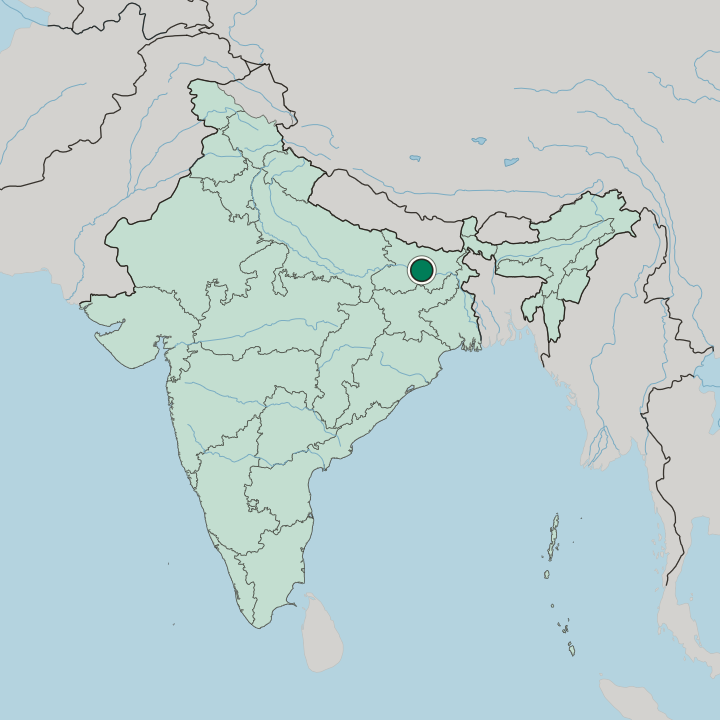
Bihar and India frame it administratively, Begusarai district frames it locally, and beyond those three the past of Bāruni is left unwritten in the sources available.
Where is Bāruni?
The Ganges runs below the town. Bāruni lies north of the Ganges, which the record also calls the Ganga, on the riverside ground of Begusarai district in Bihar. That position is the whole of its geography as the sources describe it, with neither a hill nor a coast named anywhere near the town.
Water does the work here. The subtropical band of the northern hemisphere covers Begusarai district, and the river is the feature that sets both the ground and the way the industry of Bāruni is placed on it.
What is the climate of Bāruni?
The Ganges works on the air here, holding damp over Bāruni through the wet part of the year, while the dry stretch leaves an industrial town on an open bank with little shelter from the heat. Subtropical, and firmly inland. No coast reaches Begusarai district, so the moderating influence a sea would bring is absent and the year swings between its hot and its wet halves without one.
Visitors choosing a season should weigh the river.
How do you get to Bāruni?
Approach is by land, north of the water. Nothing in the sources for Bāruni names a railway, an airport or a road, so the practical fact a traveller has to work with is the river: the town sits on the north bank of the Ganges, and anything coming from the south side has to cross. Begusarai district supplies the local connections.
Arrivals are internal to India rather than international, and the last stage into an industrial town of this size is made on whatever local service runs, with the Basilica of Our Lady of Divine Grace the easiest landmark to steer by.
Common questions
What is the best area to stay in Bāruni?
The north bank at Bāruni: Work with the industry the record places on the Ganges bank. Around the Basilica of Our Lady of Divine Grace: Visits built around the basilica rather than around the works. Elsewhere in Begusarai district: A wider room choice across the district Bāruni belongs to.
More cities in State of Bihar
Updated September 2026