India · State of Bihar
Where to Stay in Sītāmarhi, State of Bihar
Sītāmarhi is a city of the Gangetic Plains in Bihar, named in honour of Sītā, wife of Rāma, and the headquarters of its district near Nepal.
Hotel links are affiliate links: booking through them may earn us a commission, at no extra cost to you. It never affects how places are ranked. How this works


Where to stay in Sītāmarhi
Where the beds are, and what that means for the visit.
Beds in Sītāmarhi gather in the middle of town. The market streets around the district offices hold what accommodation there is, plain and functional, and they put a visitor closest to the legend that gives the city its name and most of its arrivals. Sītā, wife of Rāma, is said in Hindu legends to have been born at this spot, and that single fact accounts for the greater part of the traffic the town receives.
Standards are modest. You want this side if the purpose of the trip is the Sītā association or any business with the Sītāmarhi district administration. The Nepal road offers the other choice.
Guesthouses along the route out towards the border, some 50 km away, serve traffic crossing between Bihar and Nepal and give drivers a quieter night than the market centre manages. Nowhere here sits far from anywhere else. Nothing in Sītāmarhi is built for tourism at scale, and a traveller expecting the range of a divisional capital will find instead a district town whose rooms are chosen for proximity rather than for comfort.
The Gangetic Plains run flat in every direction from the door.
Find hotels in Sītāmarhi
Direct booking searches for these neighbourhoods.
The market centre
Plain rooms in the market streets beside the Sītāmarhi district offices, at the heart of the legend. Beds are limited here, so book early.Find hotels in The market centreDrivers crossing between Bihar and the Nepal borderThe Nepal road
Guesthouses strung along the route towards Nepal, quieter than the Sītāmarhi market streetsFind hotels in The Nepal roadHotel links are affiliate links: booking through them may earn us a commission, at no extra cost to you. It never affects how places are ranked. How this works
About Sītāmarhi
Legend gave the city its name.
What is Sītāmarhi known for?
Sītāmarhi is named in honour of Sītā, wife of Rāma, who according to Hindu legends was born here, and that association draws visitors from well beyond the Tirhut Division. Nepal is close. The town also works as an administrative and market centre for a district of the Gangetic Plains, culturally and politically active in a way its modest size does not advertise.
What are the main landmarks in Sītāmarhi?
The legend is the landmark. Sītāmarhi's standing rests on the belief recorded in Hindu tradition that Sītā, wife of Rāma, was born here, and pilgrims come for that rather than for architecture. No fort or palace survives.
What the town offers instead is a working market, the offices of the Sītāmarhi district, and a setting on the Gangetic Plains that has been farmed for as long as the story has been told.
What is the history of Sītāmarhi?
The story comes before the record. Hindu legends hold that Sītā, wife of Rāma, was born at this place, and the city took its name in her honour, which makes the name itself the oldest surviving document the town possesses. Tirhut is the wider land.
Sītāmarhi belongs to the Tirhut Division, an administrative name of long standing for this stretch of the Gangetic Plains in Bihar. The legend fixed the identity of the place long before any office or boundary did, and every later layer of administration has been laid over a name that was already ancient. Administration arrived later than the legend.
The town became the headquarters of the Sītāmarhi district and has run the business of that district since, holding courts and offices for a rural population spread across the surrounding plain. Nepal lies about 50 km off. That proximity has shaped the trade of the place, since goods and travellers crossing the border pass through the district on their way into Bihar and beyond.
Prosperity has not followed. Social indicators across the district sit among the lowest in India, while the town remains culturally and politically active in a way its economic position does not reflect.
Where is Sītāmarhi?
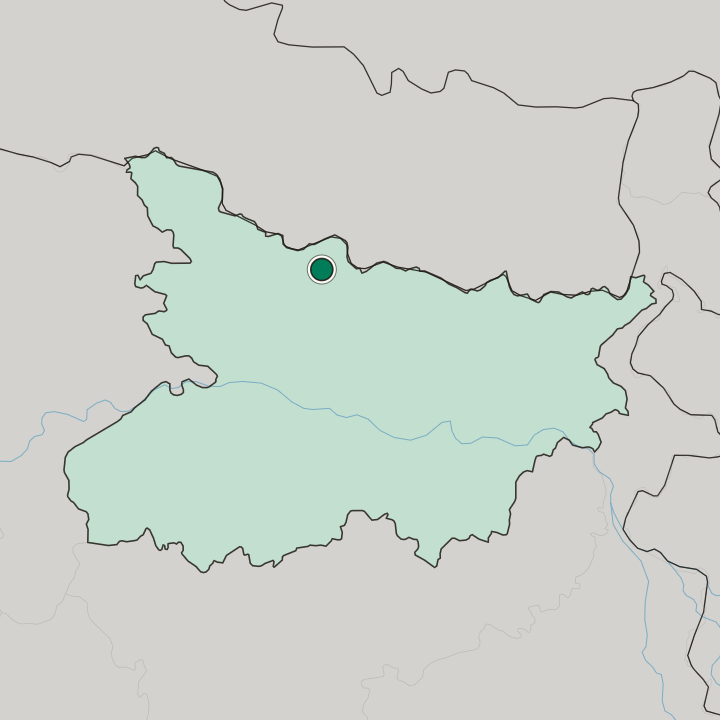
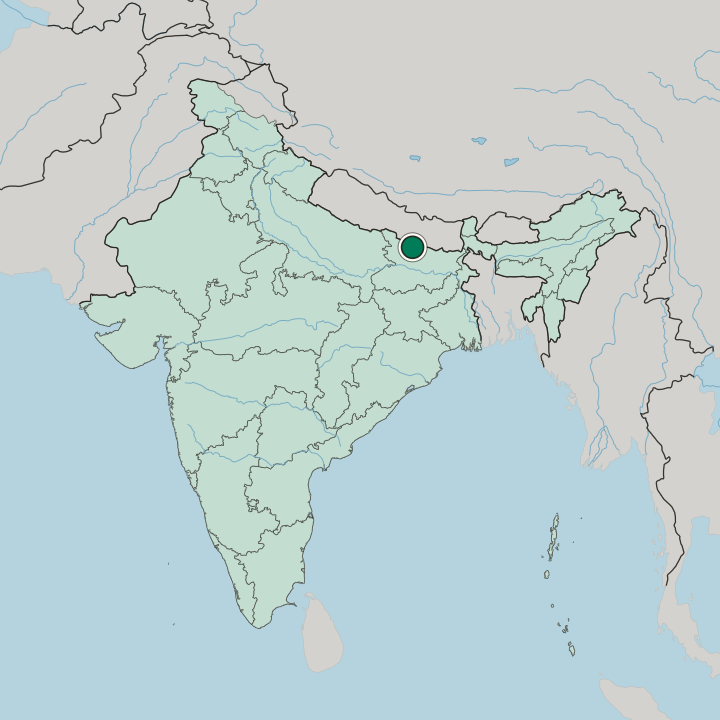
Sītāmarhi lies on the Gangetic Plains in Bihar, roughly 50 km from Nepal. The land is flat, alluvial and worked hard, with no rise anywhere near the town, and the Sītāmarhi district spreads over the same level ground in every direction. Nepal is close.
The plain carries the farming that supports the district, and the border sits within an easy drive of the city.
What is the climate of Sītāmarhi?
The monsoon governs the Gangetic Plains. Rain arrives heavily in the wet months, standing water spreads across the plain around Sītāmarhi, and the fields hold it long enough to make the farming of the district possible at all. Winters are brief and cool.
A subtropical position keeps the weeks before the rains hot and heavy, with relief arriving only when the season breaks over Bihar.
How do you get to Sītāmarhi?
Roads do the connecting. Sītāmarhi sits about 50 km from Nepal on the routes crossing the Tirhut Division, and traffic reaches it from the district towns of Bihar as readily as from the border. Most journeys in are by road.
Nothing about the approach across the Gangetic Plains varies much, since the land stays flat from one district boundary to the next and the city announces itself only by its market traffic.
Common questions
What is the best area to stay in Sītāmarhi?
The market centre: Arrivals drawn by the birthplace honoured in the name of Sītā. The Nepal road: Drivers crossing between Bihar and the Nepal border.
Good for
More cities in State of Bihar
Updated September 2026