India · State of Bihar
Where to Stay in Siwān, State of Bihar
Headquarters of Siwan district in Bihar, Siwān is a compact nagar parishad of 13 square kilometres holding the Rajendra Prasad house.
Hotel links are affiliate links: booking through them may earn us a commission, at no extra cost to you. It never affects how places are ranked. How this works


Where to stay in Siwān
Where visitors usually base themselves, and why.
The Rajendra Prasad house and the district offices are the two fixed points a stay in Siwān is measured against. This is a compact town. Siwān covers roughly 13 square kilometres, keeping its offices, its market streets and its one listed house close enough together that the choice of area matters less here than it would in a larger place.
Distance is rarely the problem. What varies instead is noise, and the streets around the Siwan district headquarters carry a working-day traffic that the quieter ground beyond them does not. Visitors come for the house.
Anyone whose reason for the trip is the Rajendra Prasad house will want a bed on that side of the city, since the walk to it is the whole itinerary and everything else is incidental. District business runs differently. Officials and traders dealing with Siwan district want the headquarters within a short move, and they tend to fill the rooms nearest the administrative streets.
Uttar Pradesh is the other pull. Siwān sits close to the Uttar Pradesh boundary, so travellers crossing between the two states use the city as a night stop rather than as a destination, and those beds turn over fast.
Find hotels in Siwān
Direct booking searches for these neighbourhoods.
Around the Rajendra Prasad house
The quarter built around the city's one listed building, where the walk to the house is the reason for the addressFind hotels in Around the Rajendra Prasad houseOfficials and traders with business at the Siwan district headquartersThe district headquarters streets
The working core of the nagar parishad, the busiest office side of Siwān's 13 square kilometresFind hotels in The district headquarters streetsNight stops for travellers crossing between Bihar and Uttar PradeshThe Uttar Pradesh side
The edge of Siwān facing the nearby Uttar Pradesh boundary, where beds turn over on through-trafficFind hotels in The Uttar Pradesh sideHotel links are affiliate links: booking through them may earn us a commission, at no extra cost to you. It never affects how places are ranked. How this works
About Siwān
One house carries the name.
What is Siwān known for?
The Rajendra Prasad house stands in Siwān, and a single listed building of that kind does more for a small district town's profile than a whole quarter of ordinary streets would. Its role in government accounts for the rest. Siwān is the administrative headquarters of Siwan district and one of only three urban settlements within it, which concentrates a great deal of district business into 13 square kilometres.
Uttar Pradesh begins close by.
What are the main landmarks in Siwān?
Siwān has one listed building of note. The Rajendra Prasad house is it, and in a district town of roughly 13 square kilometres a single such address does the work that a whole heritage quarter does elsewhere. The rest is working city.
Market streets and the Siwan district offices fill the ground between, so the house reads as a destination in its own right rather than as one stop on a circuit.
What is the history of Siwān?
The record starts in 1924. That year is what the register gives as Siwān's founding date, which places the city's formal existence well inside the modern era rather than in any older foundation story. A nagar parishad governs it.
The status matters, because a nagar parishad is the tier that runs a town rather than a metropolis, and it fits a settlement of roughly 13 square kilometres. Administration followed the charter. Siwān became the administrative headquarters of Siwan district and one of just three urban settlements in it, a position that has kept the city's importance well ahead of its size.
Three urban settlements in one district is a thin network, and it leaves Siwān doing administrative work for a great deal of country that has no other town to do it. One house anchors the memory. The Rajendra Prasad house survives in the city and carries the personal history that a register of founding dates cannot, which is why it draws visitors who would otherwise pass Siwān without stopping.
Uttar Pradesh lies close. That proximity has always given the city a share of the movement between two states, and a district town on such a line collects more traffic than its own size would generate.
Where is Siwān?
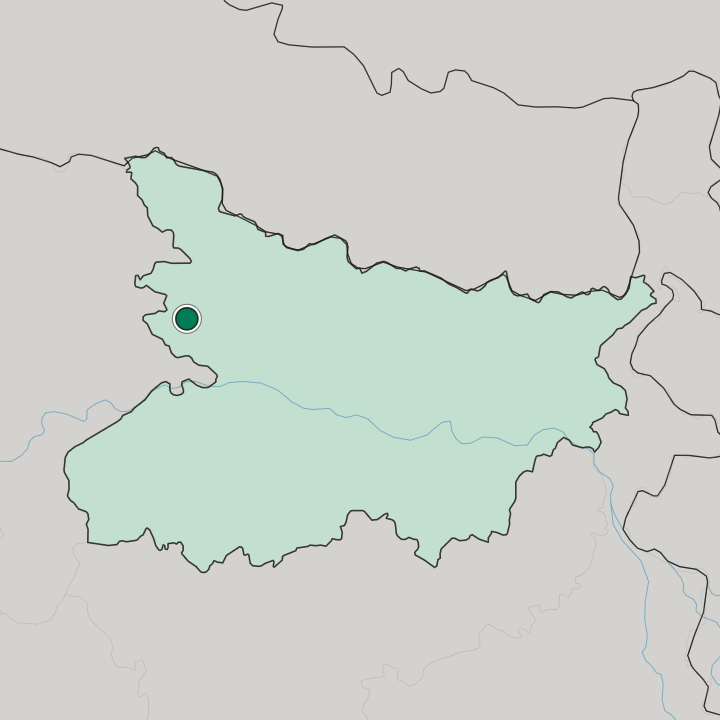
Siwān covers roughly 13 square kilometres. That is a compact footprint for a district headquarters, and it means the built area ends fairly abruptly against the open ground of Siwan district on every side. Uttar Pradesh is not far.
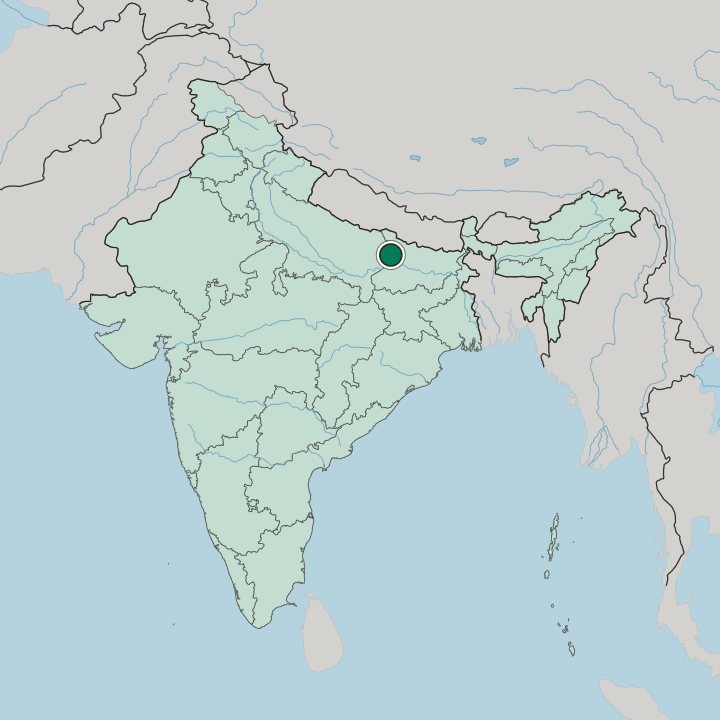
The city stands close to the boundary with Uttar Pradesh, which puts it near the edge of Bihar rather than in the interior of the state, and gives its roads a cross-state function.
What is the climate of Siwān?
Siwān sits in the northern hemisphere's subtropical belt. Nothing in the city's own geography softens that band: at roughly 13 square kilometres, ringed by the open ground of Siwan district, Siwān takes whatever season the surrounding country takes. Warm months dominate the year.
A shorter cool period follows, and because the Rajendra Prasad house and the district offices are all within a short walk of one another, the weather governs comfort here more than it governs the itinerary.
How do you get to Siwān?
Almost everyone arrives by road. As one of only three urban settlements in Siwan district, Siwān is the point that traffic from the surrounding country converges on, so most journeys here end rather than pass through. Uttar Pradesh supplies the rest.
The nearby boundary puts the city within reach of routes crossing between the two states, which gives Siwān a share of through-traffic that a purely interior district town would not see.
Common questions
What is the best area to stay in Siwān?
Around the Rajendra Prasad house: Visitors whose whole itinerary in Siwān is the Rajendra Prasad house. The district headquarters streets: Officials and traders with business at the Siwan district headquarters. The Uttar Pradesh side: Night stops for travellers crossing between Bihar and Uttar Pradesh.
More cities in State of Bihar
Updated September 2026