India · State of Bihar
Where to Stay in Sultānganj, State of Bihar
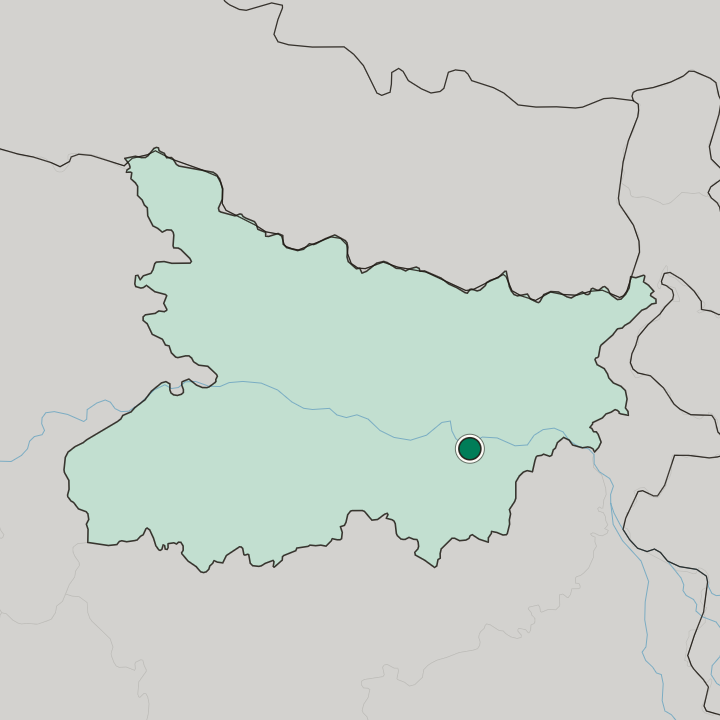
Sultānganj, also called Ajgaibinath Dham, sits on the southern bank of the Ganga in Bhagalpur district, where the Shravani Mela begins.
Hotel links are affiliate links: booking through them may earn us a commission, at no extra cost to you. It never affects how places are ranked. How this works


Where to stay in Sultānganj
Where the beds are, and what that means for the visit.
The Ganga bank and the Shravani Mela govern every bed in Sultānganj. Demand is seasonal. For most of the year the town is a small place on the southern bank of the river, and then the Mela arrives and devotees in lakhs need somewhere to stand, wash and sleep before the walk begins.
That changes the arithmetic completely. Rooms near the water and near Ajgaibinath Dham are the ones pilgrims want, because collecting holy water from the Ganga is the first act of the journey and nobody wants a long approach to it. Bhagalpur City is the fallback.
It lies around 25 km east, large enough to absorb the overflow when Sultānganj itself has nothing left, at the cost of a journey back to the bank each morning. Deoghar is the destination, not the base. Pilgrims walking to the Baidyanath Temple in Jharkhand end their journey there rather than beginning it, so a bed here is booked for the night before rather than the night after.
Off-season stays work differently. Outside the Mela the ancient temples and the archaeological ground of Bhagalpur district can be seen at an ordinary pace, and almost any room in the town is close enough to the river to serve.
Find hotels in Sultānganj
Direct booking searches for these neighbourhoods.
The Ganga bank at Ajgaibinath Dham
The riverside quarter of Sultānganj where the Mela forms and the barefoot journey toward Deoghar starts. Rooms are few around here — worth securing early.Find hotels in The Ganga bank at Ajgaibinath DhamVisitors here for the ancient temples and the Mahabharata-era legendsThe temple streets
The older ground of Sultānganj, where the archaeological finds and the shrines sit back from the water's edge. Lodging is scarce in this area; reserve in advance.Find hotels in The temple streetsOverflow beds for the weeks when the Shravani Mela fills SultānganjBhagalpur City
The larger centre around 25 km east in Bhagalpur district, paid for with a return to the bank each morningFind hotels in Bhagalpur CityHotel links are affiliate links: booking through them may earn us a commission, at no extra cost to you. It never affects how places are ranked. How this works
About Sultānganj
Devotees arrive in lakhs.
What is Sultānganj known for?
During the Shravani Mela they gather at Sultānganj to collect holy water from the Ganga and then walk over 100 km barefoot to the Baidyanath Temple at Deoghar in Jharkhand. The town answers to two names. Sultānganj is also known as Ajgaibinath Dham, and its ancient temples, its Mahabharata legends and its archaeological finds all belong to the same religious identity.
Bhagalpur district holds it.
What are the main landmarks in Sultānganj?
Ajgaibinath Dham is the name that matters. Sultānganj carries it as a second name, and the site on the southern bank of the Ganga is where devotees collect holy water before the walk to the Baidyanath Temple. Ancient temples fill the rest.
Archaeological finds from the town link it to early medieval Indian history, and legends from the Mahabharata era attach to the same ground, which gives a small place an unusually long documented record.
What is the history of Sultānganj?
The record here runs deep. Legends from the Mahabharata era attach to Sultānganj, and archaeological finds from the town link it to early medieval Indian history, which together give the place a documented past far longer than its size suggests. Temples came with that.
The ancient temples of the town are part of the same inheritance, and the name Ajgaibinath Dham records a religious identity that has outlasted every administrative label attached to the settlement. The Ganga explains why. A town on the southern bank of a river that pilgrims come to draw water from acquires a role no inland site can copy, and Sultānganj has held that role long enough for it to become the whole of its identity.
The Shravani Mela formalised it. Devotees gather in lakhs, fill vessels from the Ganga, and set out on a barefoot walk of over 100 km to the Baidyanath Temple at Deoghar in Jharkhand. Bhagalpur district frames the whole thing.
Sultānganj sits around 25 km west of Bhagalpur City within that district of Bihar, close enough to the larger centre to draw on it and far enough to have kept its own name and its own reason for existing.
Where is Sultānganj?
The Ganga sets the edge. Sultānganj stands on its southern bank, which puts the water on one side of the town and the ground of Bhagalpur district on the other three. Bhagalpur City lies around 25 km east.
That distance is short enough that the two places belong to the same stretch of Bihar, and it explains why a small riverside town can host a gathering on the scale the Shravani Mela reaches.
What is the climate of Sultānganj?
The Ganga is the agent here. The river runs past the town's southern bank all year, and the subtropical band of the northern hemisphere delivers a long warm season that the Shravani Mela crowds walk straight into. Timing follows the festival, not the thermometer.
Devotees make the barefoot walk toward Deoghar in the season the Mela falls in, so heat and rain are conditions to plan around rather than reasons to change the date.
How do you get to Sultānganj?
Bhagalpur City is the near approach. Sultānganj lies around 25 km west of it, so arrivals from the wider Bhagalpur district and from Bihar generally come through the larger city first. The Mela route runs the other way.
Pilgrims leave Sultānganj on foot for the Baidyanath Temple at Deoghar in Jharkhand, a walk of over 100 km that is itself the best-known way out of the town.
Common questions
What is the best area to stay in Sultānganj?
The Ganga bank at Ajgaibinath Dham: Pilgrims collecting holy water from the Ganga before the Shravani Mela walk. The temple streets: Visitors here for the ancient temples and the Mahabharata-era legends. Bhagalpur City: Overflow beds for the weeks when the Shravani Mela fills Sultānganj.
Good for
More cities in State of Bihar
Updated September 2026