Italy · Campania
Where to Stay in Afragola, Campania
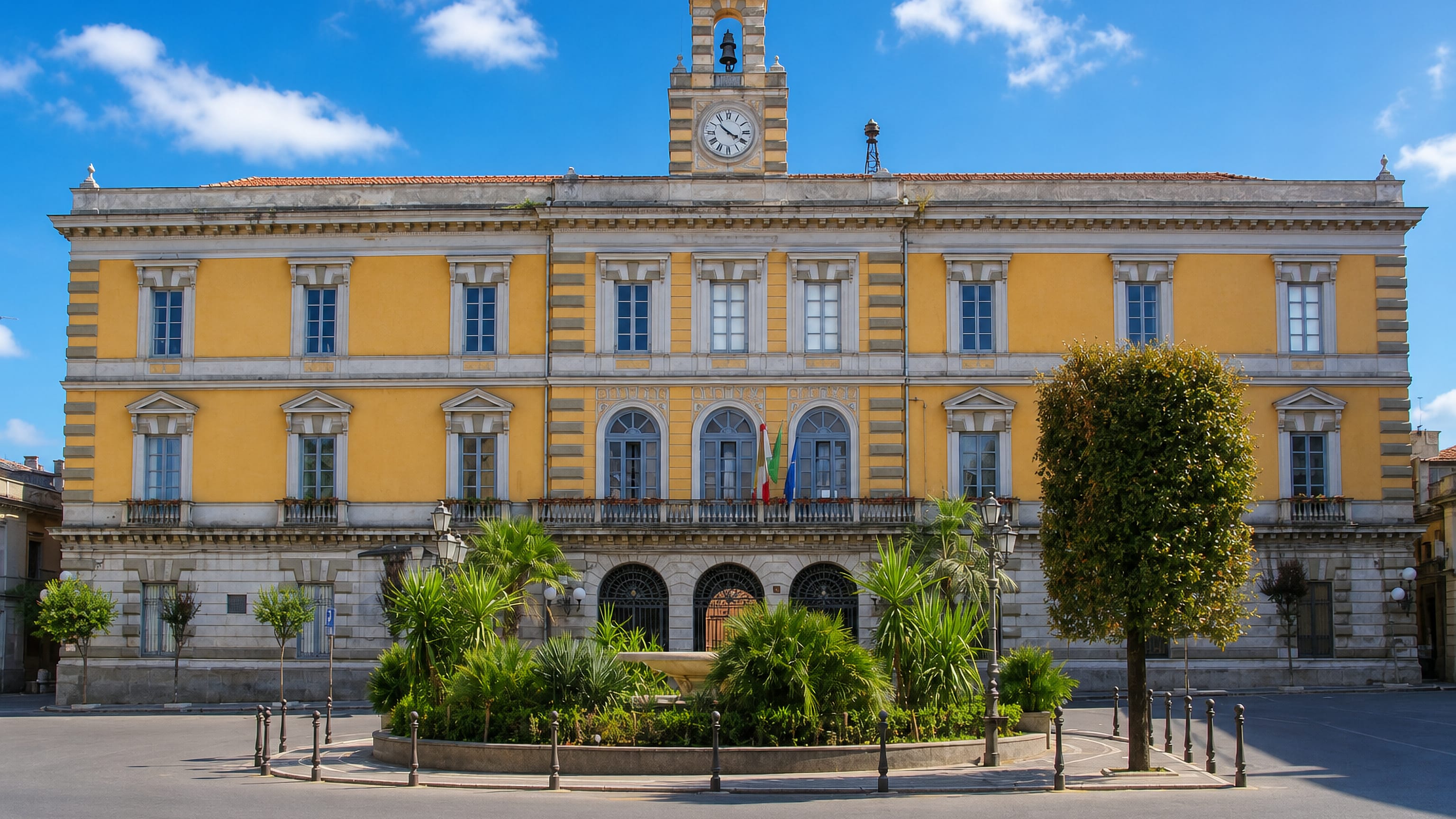
Afragola is a Campania town gathered around the basilica di San Mauro Abate, with two museums of farming life kept at its edges.
Hotel links are affiliate links: booking through them may earn us a commission, at no extra cost to you. It never affects how places are ranked. How this works


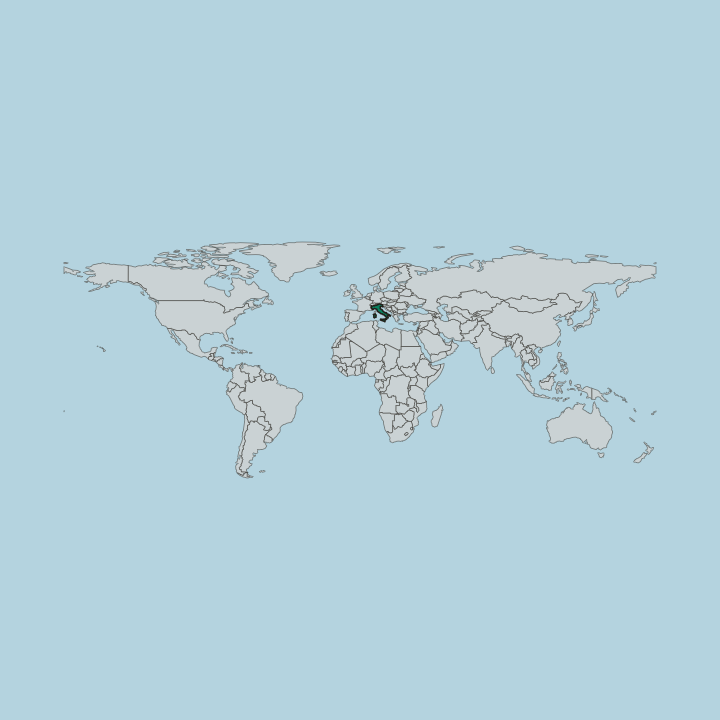
Where to stay in Afragola
The practical side of choosing where to sleep.
The basilica sets the centre. Rooms within reach of the basilica di San Mauro Abate put the older streets of Afragola, Castello di Afragola and the chiesa di Santa Maria d'Ajello inside a single walk, which is most of what any visitor covers on foot here. Afragola's streets run out before your legs do.
San Marco in Sylvis stands on that same short circuit, and a stay in these streets means eating and sleeping among people who live in them rather than among buildings raised for guests. Two museums pull the other way. The Museo laboratorio della civiltà contadina keeps the farm year at Masseria Luce, the Museo della cultura contadina e degli antichi mestieri holds the trades that went with it, and beds nearer either one suit a trip about the worked land rather than about the church.
It suits you if old crafts interest you more than altars. The Casoria Contemporary Art Museum gives a third reason to be in this corner of Campania, and it is the one with nothing at all to do with either the basilica or the fields.
Find hotels in Afragola
Direct booking searches for these neighbourhoods.
Around the basilica
The chiesa di Santa Maria d'Ajello and San Marco in Sylvis fall on the same circuit. Lodging is scarce in this area; reserve in advance.Find hotels in Around the basilicaStays built on the Museo laboratorio della civiltà contadinaToward Masseria Luce
The farm year is kept at Masseria Luce, out where the worked land begins. Rooms are few around here — worth securing early.Find hotels in Toward Masseria LuceVisitors coming for the Casoria Contemporary Art MuseumThe Casoria museum side
The one draw here that answers to neither the basilica nor the fieldsFind hotels in The Casoria museum sideHotel links are affiliate links: booking through them may earn us a commission, at no extra cost to you. It never affects how places are ranked. How this works
Things to do in Afragola
Ranked by global recognition; descriptions from Wikidata (CC0).
Museums & Galleries
1- Museo della cultura contadina e degli antichi mestieri "Antonio De Rosa" Heritage
Churches & Religious Sites
3- San Marco in Sylvis, Afragola
- chiesa di Santa Maria d'Ajello
- basilica di San Mauro Abate
Castles & Historic Sites
1- Castello di Afragola
worth knowingacross 3 categories in Afragola
About Afragola
Farm country made this town.
What is Afragola known for?
The Museo laboratorio della civiltà contadina at Masseria Luce and the Museo della cultura contadina e degli antichi mestieri, which carries the name of Antonio De Rosa, keep between them the tools and trades of the land worked around Afragola. The basilica di San Mauro Abate anchors the centre. Castello di Afragola and San Marco in Sylvis hold the older building record, while the Casoria Contemporary Art Museum covers work of a much later kind.
What are the main landmarks in Afragola?
Seven sites carry the record. The basilica di San Mauro Abate heads them, with San Marco in Sylvis and the chiesa di Santa Maria d'Ajello making up the rest of the parish stock, while Castello di Afragola stands for the fortified past. Museums take the remainder.
The Museo laboratorio della civiltà contadina at Masseria Luce and the Museo della cultura contadina e degli antichi mestieri, gathered under the name of Antonio De Rosa, hold farm implements and workshop tools, and the Casoria Contemporary Art Museum covers newer work.
What is the history of Afragola?
The written record begins too late to say when Afragola started. What Afragola has instead is a set of buildings standing in for the missing dates, beginning with Castello di Afragola, whose existence marks a period when the settlement was worth defending. Parishes followed.
San Marco in Sylvis, the chiesa di Santa Maria d'Ajello and the basilica di San Mauro Abate map the ecclesiastical growth of the town, and the last of the three gives the centre its principal building. The land is the other thread. Two museums are devoted to it, the Museo laboratorio della civiltà contadina, based at Masseria Luce, and the Museo della cultura contadina e degli antichi mestieri, which carries the name of Antonio De Rosa.
Both collect what a farming economy leaves behind. Implements, workshop benches and the fittings of old trades stand in for the written record that was never kept, and together they describe a place whose work was agricultural long before it was anything else. The Casoria Contemporary Art Museum belongs to a much later chapter.
Campania around Afragola has changed enough since the farm years that both accounts are needed to read the town at all.
Where is Afragola?
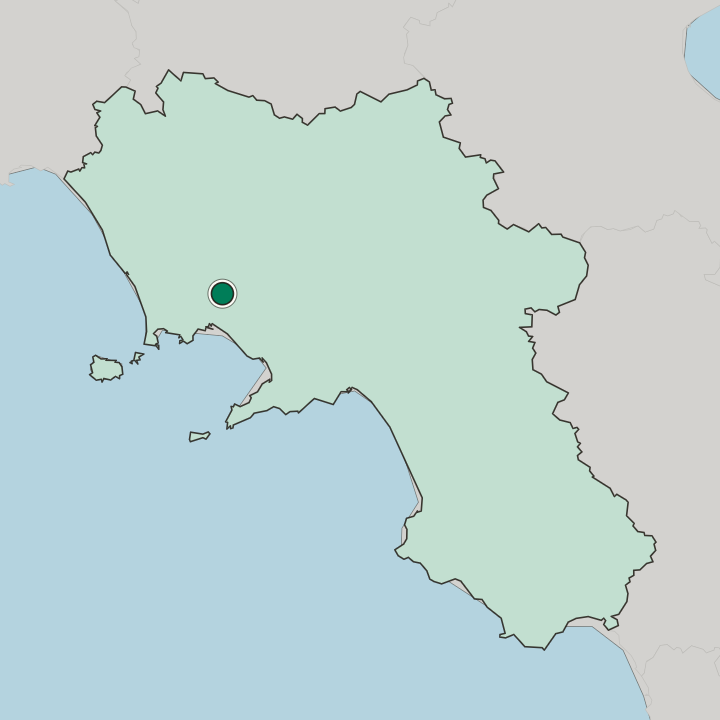
Afragola occupies a compact piece of Campania, its streets covering most of a small municipal territory, with worked land pressing up against the built-up edges. The centre is walkable end to end. Castello di Afragola and the basilica di San Mauro Abate stand close to one another, and Masseria Luce marks the agricultural ground the town grew out of.
What is the climate of Afragola?
Campania gives the terms. Afragola lies in the temperate band of the northern hemisphere, where the growing season that the Museo laboratorio della civiltà contadina documents runs long and the cold months arrive wet rather than severe. Heat holds through the summer.
Rain does its work in the darker half of the year.
How do you get to Afragola?
Road is how everyone gets in. Afragola sits inside the built-up spread of Campania, so arrivals come overland, and the centre around the basilica di San Mauro Abate is small enough that a car can be left once and everything else done on foot. Castello di Afragola is minutes away.
The Casoria Contemporary Art Museum is the nearest reason to go beyond the town at all.
Common questions
What is the best area to stay in Afragola?
Around the basilica: Walkers taking the basilica di San Mauro Abate with Castello di Afragola. Toward Masseria Luce: Stays built on the Museo laboratorio della civiltà contadina. The Casoria museum side: Visitors coming for the Casoria Contemporary Art Museum.
Good for
More cities in Campania
Updated October 2026