Italy · Campania
Where to Stay in Salerno, Campania
Salerno is a city in Campania, southern Italy, on the Gulf of Salerno, known for its medieval cathedral and the early Schola Medica Salernitana.
Hotel links are affiliate links: booking through them may earn us a commission, at no extra cost to you. It never affects how places are ranked. How this works


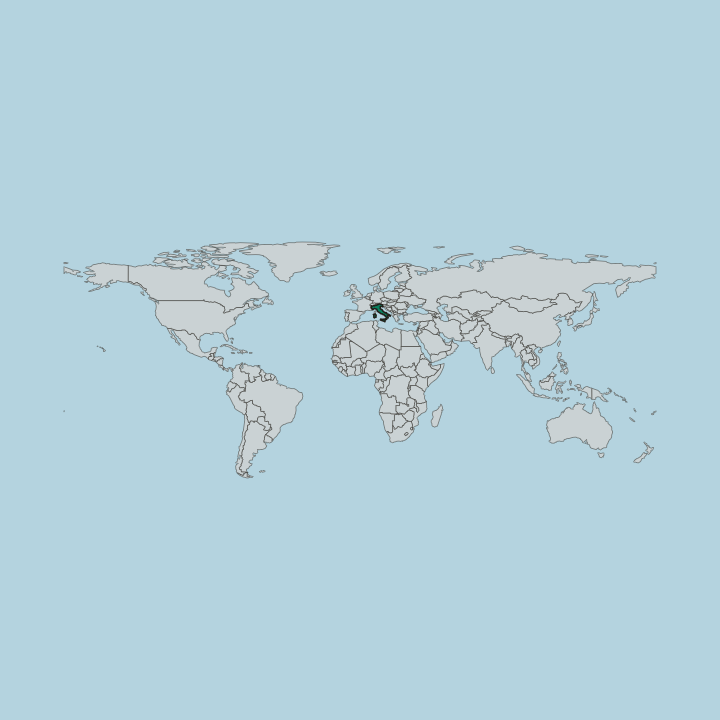
Where to stay in Salerno
Where visitors usually base themselves, and why.
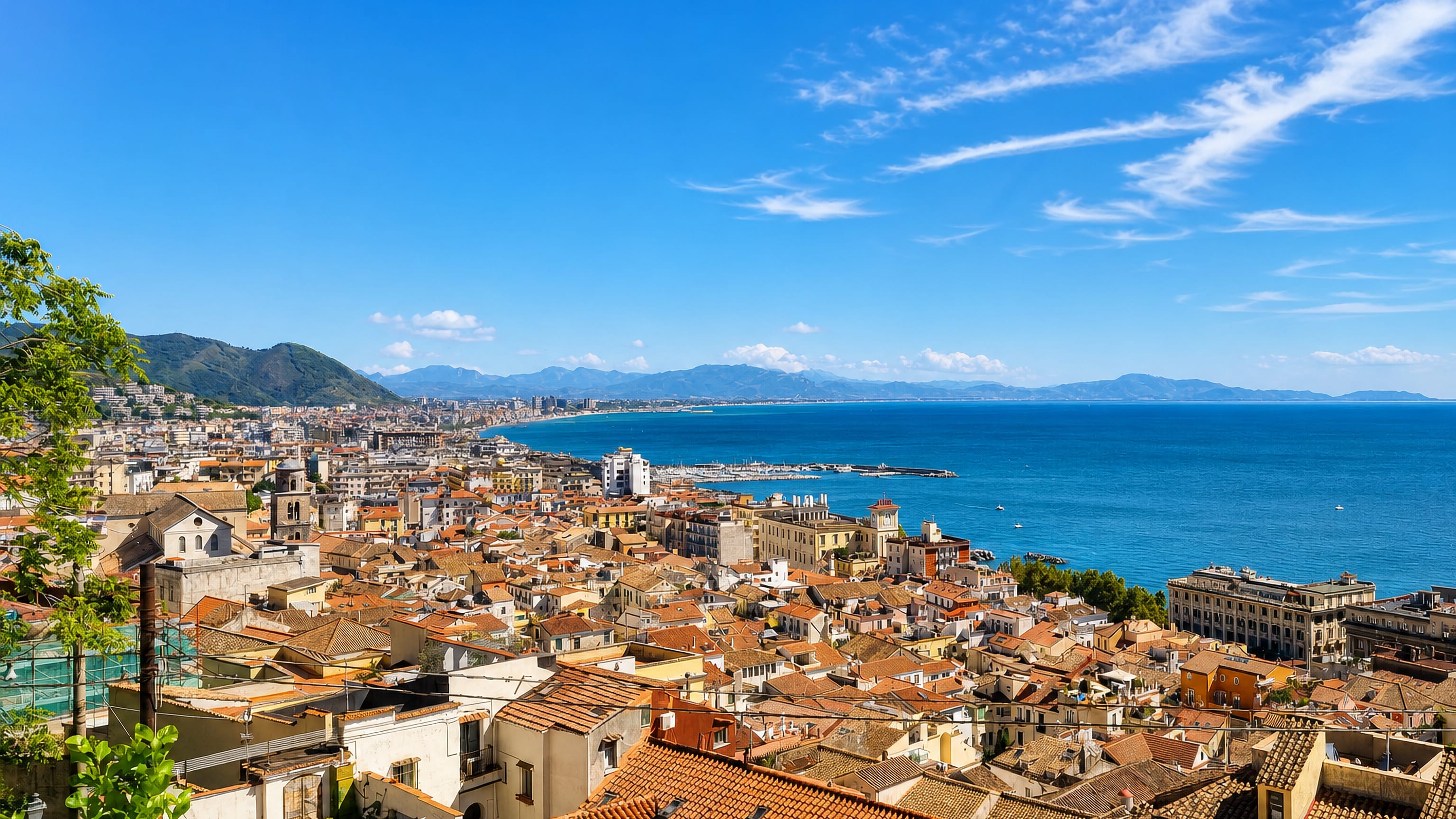
Most visitors base themselves in the historic core, the dense grid of lanes below Salerno Cathedral. This is the oldest part of town. Hotels and guesthouses here sit within a short walk of the cathedral, the small museums, and the harbour, which makes it the easiest base for a first stay.
If you want to step out of your door into the medieval city and reach the waterfront on foot, this is the area to choose. Rooms in the centre are limited, so they fill early in the warmer months. Along the shore the mood changes.
The seafront promenade runs west toward Fort Carnale, past hotels that face the Gulf of Salerno rather than the old lanes. Travellers who want sea views and quieter evenings tend to prefer this stretch. The area around the railway station suits late arrivals and onward trips down the coast.
Higher up, the slopes below Arechi Castle hold residential streets with long views over the gulf and the Tyrrhenian Sea, a calmer base for those happy to ride a bus down into the centre. The Acquedotto medievale marks the northern edge of the old town, where rooms are easier to find.
Find hotels in Salerno
Direct booking searches for these neighbourhoods.
Historic centre
The dense medieval lanes below Salerno Cathedral keep the old town's churches, small museums and the harbour within a few minutes' walk. Rooms are few around here — worth securing early.Find hotels in Historic centreSea views and quiet evenings by the Gulf of SalernoSeafront toward Fort Carnale
The shore promenade runs west to Fort Carnale, lining the Gulf of Salerno with hotels that face the water instead of the old lanes.Find hotels in Seafront toward Fort CarnaleLong gulf views for travellers happy to bus into townSlopes below Arechi Castle
Residential streets on the slopes under Arechi Castle look out over the gulf and the Tyrrhenian Sea, a calmer base a short ride above the centre.Find hotels in Slopes below Arechi CastleHotel links are affiliate links: booking through them may earn us a commission, at no extra cost to you. It never affects how places are ranked. How this works
Things to do in Salerno
Ranked by global recognition; descriptions from Wikidata (CC0).
Museums & Galleries
8- Museo archeologico provinciale di Salerno Heritage
- Provincial Pinacotheca of Salerno Heritage
- Diocesan Museum of Salerno Heritage
- Museo virtuale della scuola medica salernitana Heritage
- Museo della Ceramica Alfonso Tafuri Heritage
Show 3 more →
- Museo della Badia di Cava dei Tirreni Heritage
- Museo delle ceramiche del castello medievale di Arechi Heritage
- area archeologica di Fratte Heritage
Churches & Religious Sites
3- Salerno Cathedral
- Sacra Famiglia Church
- San Pietro a Corte
Castles & Historic Sites
3- Arechi Castle Heritage
- Acquedotto medievale
- Fort Carnale
Landmarks & Notable Places
1- Bastiglia Heritage
worth knowingacross 4 categories in Salerno
About Salerno
What is Salerno known for?
Salerno is known above all for the Schola Medica Salernitana, a medical school active by the 11th century and widely regarded as a forerunner of the modern university. The cathedral anchors the old core. Its main church draws visitors into the medieval lanes that climb toward Arechi Castle.
For a few months in 1944 the town held the Italian government, a chapter that still shapes how the city presents its past. Salerno never gets far from the sea. Hills fall toward the Gulf of Salerno and the wider Tyrrhenian Sea.
What are the main landmarks in Salerno?
Salerno Cathedral, the main church of the city and the seat of its archbishop, stands at the centre of the medieval quarter and remains the first stop for most visitors. The hills carry the castles. Arechi Castle commands the ridge above town, and the older Castel Terracena stands lower among the medieval lanes.
Below them, the Bastiglia tower and the hall of San Pietro a Corte survive from the early city. Churches fill the lanes between. San Giorgio stands among them.
What is the history of Salerno?
Salerno's beginnings are disputed. The earliest dated evidence comes from a 6th-century BC Etruscan-Campanian necropolis, while the clearer Magna Graecia connection belongs to nearby Poseidonia, the Greek city later known as Paestum. North of the centre, the hill of Fratte preserves a settlement held first by Etruscans and then by the Samnites.
In the Middle Ages the city became known for its medical learning. The Schola Medica Salernitana was active by the 11th century, counted among the earliest medical institutions in Europe and widely regarded as a forerunner of the modern university. War brought a stranger distinction.
From February to August 1944 Salerno served as the seat of the Italian government, hosting the Badoglio and Bonomi cabinets in the Salone dei Marmi. It was here that the Italian Communist Party agreed to join a national unity government, a decision later called the Salerno turn, which opened the way to the Allied reconquest of the peninsula. For those months the small southern town stood, in effect, as the capital of Italy.
Victor Emmanuel III settled here after leaving Rome in the wake of the Armistice of Cassibile.
Where is Salerno?
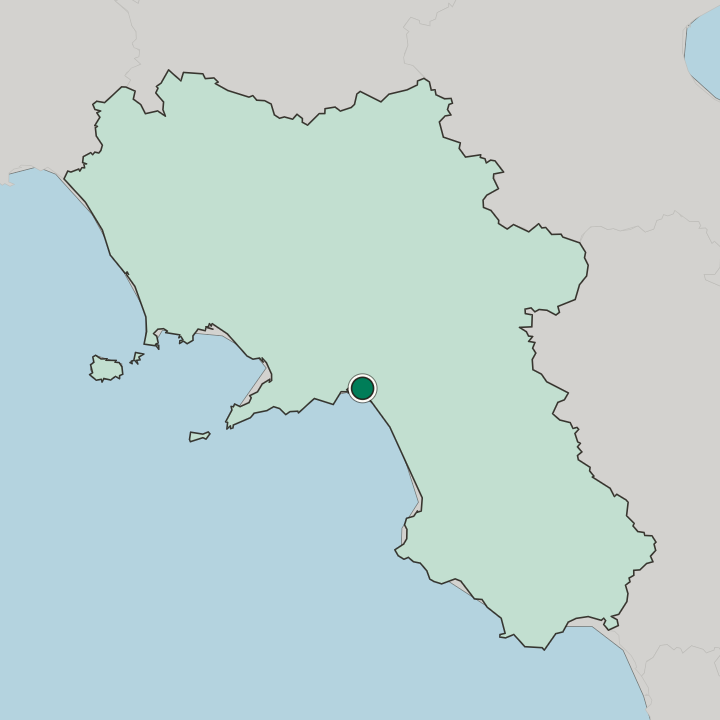
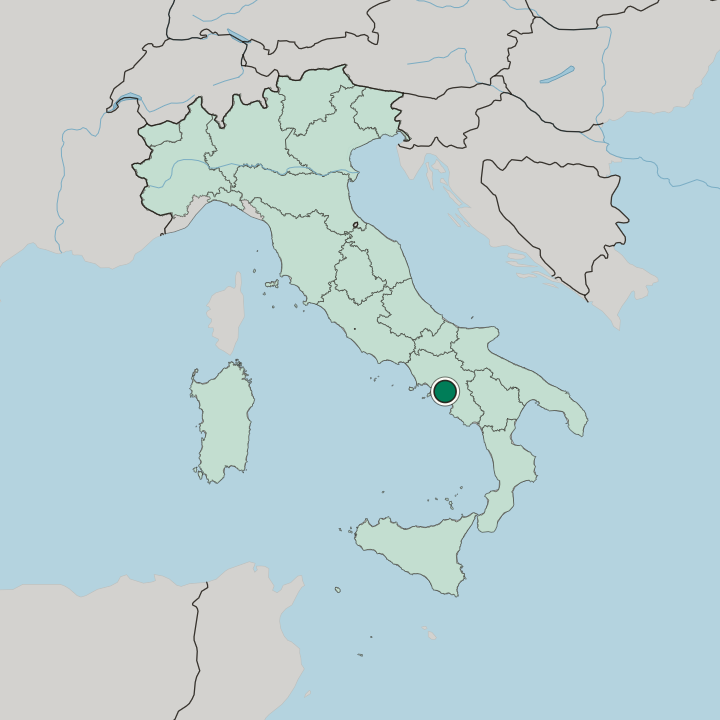
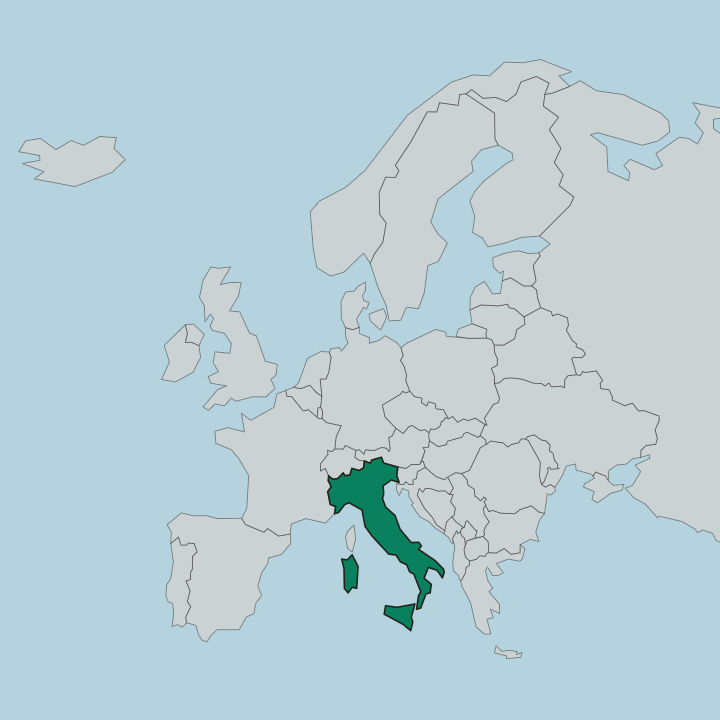
Salerno lies in Campania, in southern Italy, set against a curve of hills that drop to the shore of the Gulf of Salerno on the Tyrrhenian Sea. It is the provincial capital. The old town climbs the lower slopes, with the castle ridge above and the harbour below on the gulf.
To the north, the Irno valley opens toward the sea at Fratte. Paestum lies down the coast.
What is the climate of Salerno?
Salerno has the warm temperate climate of the Tyrrhenian coast, with long dry summers cooled by sea breezes off the Gulf of Salerno and mild, wetter winters. The sea moderates the heat. Hills behind the city catch the rain that rolls in from the west during the cooler months.
Snow on the coast is rare. Spring and autumn stay gentle.
How do you get to Salerno?
Most travellers reach Salerno from Naples, the larger city to the north, following the coast down to the Gulf of Salerno. The harbour faces the sea. Road and rail thread the shoreline, carrying visitors south toward Paestum and inland through the Irno valley, the natural break in the hills that ring the city.
From the centre, the old town is walkable.
Common questions
What is the best area to stay in Salerno?
Historic centre: First stay: cathedral, museums and harbour on foot. Seafront toward Fort Carnale: Sea views and quiet evenings by the Gulf of Salerno. Slopes below Arechi Castle: Long gulf views for travellers happy to bus into town.
Good for
More cities in Campania
Updated October 2026