Italy · Campania
Where to Stay in Fuorigrotta, Campania
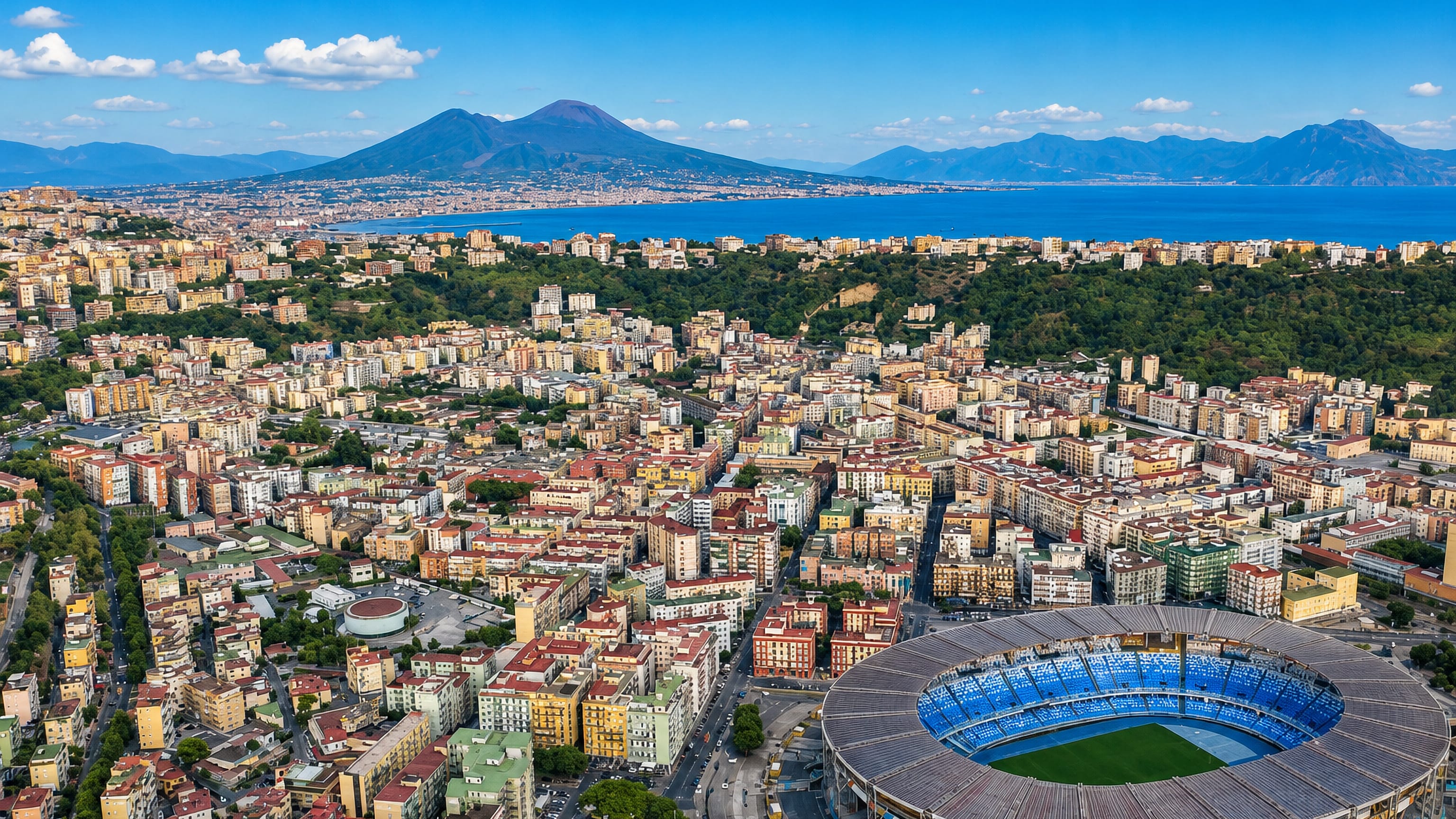
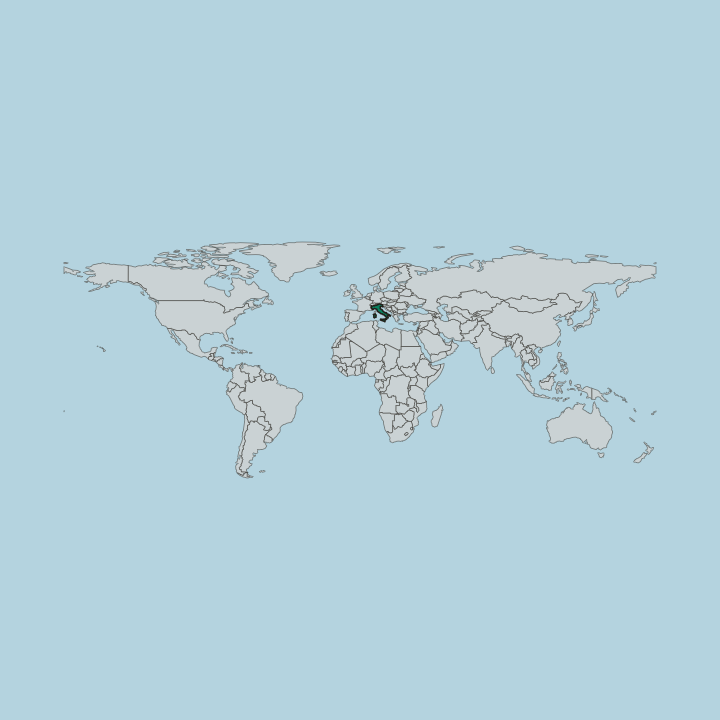
Fuorigrotta is a western quarter of Naples, the city's most populated suburb, and the ground that holds Città della Scienza and Edenlandia.
Hotel links are affiliate links: booking through them may earn us a commission, at no extra cost to you. It never affects how places are ranked. How this works


Where to stay in Fuorigrotta
How the choice of base plays out on the ground.
Fuorigrotta gives a traveller a plain choice: a bed inside the quarter, or one on the water at Chiaia and Mergellina, both of which the same record attaches to this corner of Naples. The quarter's own case is practical. Nothing on its list asks for a long approach, and a room here puts Città della Scienza and Edenlandia inside the ordinary business of a morning instead of at the end of a crosstown ride that eats the best hours of a day.
The seafront case is scenic. Villa Pignatelli, the Stazione Zoologica Anton Dohrn and Museo PAN all belong to the Chiaia stretch, and a stay there trades convenience for the older and better-dressed part of the city. Posillipo complicates it pleasantly.
The Archaeological park of Posillipo and Parco Virgiliano stand on the ground between the quarter and the water, so a bed taken for their parkland is a bed outside Fuorigrotta, with the journey paid twice a day. The errand decides, not the view. Anyone here for a single visit to Città della Scienza will find the quarter's own streets simpler than a room in central Naples, while a traveller planning several days of churches and collections, Santa Maria di Piedigrotta, Santa Maria del Parto a Mergellina, the Museo Nazionale della Ceramica Duca di Martina, does better nearer Chiaia.
Rooms here sit in ordinary buildings. The most populated suburb of a city is by definition a place built for living rather than for arriving, and its beds are spread through the streets that serve Piscina Felice Scandone and the schools around it rather than gathered on one hotel front.
Find hotels in Fuorigrotta
Direct booking searches for these neighbourhoods.
Fuorigrotta
Both addresses sit inside the quarter, so a room on Fuorigrotta's own streets removes the crosstown ride that a stay in central Naples adds to every visit.Find hotels in FuorigrottaMuseum days at Villa Pignatelli and Museo PANChiaia
The Chiaia stretch also carries the Stazione Zoologica Anton Dohrn and the Museo Nazionale della Ceramica Duca di Martina, putting a seafront room within walking reach of collections Fuorigrotta does not hold.Find hotels in ChiaiaEvenings by the water near Santa Maria del Parto a MergellinaMergellina
The record ties Mergellina and Santa Maria di Piedigrotta to the same corner of Naples as Fuorigrotta, near enough for the walk in and far enough to sleep beside the boats. Few places to stay nearby — book ahead.Find hotels in MergellinaWalkers making for Parco Virgiliano before breakfastPosillipo
Posillipo holds Parco Virgiliano and the Archaeological park of Posillipo between Fuorigrotta and the sea, which suits a stay that wants parkland first and city streets second. Rooms are few around here — worth securing early.Find hotels in PosillipoHotel links are affiliate links: booking through them may earn us a commission, at no extra cost to you. It never affects how places are ranked. How this works
Things to do in Fuorigrotta
Ranked by global recognition; descriptions from Wikidata (CC0).
Museums & Galleries
3- Museo PAN Heritage
- Museo Nazionale della Ceramica Duca di Martina Heritage
- Villa Pignatelli
Churches & Religious Sites
8- Chiesa di Sant'Antonio a Posillipo Heritage
- Santa Maria del Parto a Mergellina, Naples Heritage
- Santa Maria di Piedigrotta Heritage
- San Giovanni Battista dei Fiorentini Heritage
- San Giuseppe a Chiaia, Naples Heritage
Show 3 more →
- Chiesa dell'Ascensione a Chiaia (Chiaia, Naples, Italy) Heritage
- Santa Maria in Portico, Naples Heritage
- Santa Maria della Neve in San Giuseppe Heritage
Castles & Historic Sites
1- Crypta Neapolitana Heritage
Stadiums & Sports
1- Piscina Felice Scandone
Parks & Gardens
1- Edenlandia
Landmarks & Notable Places
2- Torre Ranieri Heritage
- Torre Cervati
worth knowingacross 6 categories in Fuorigrotta
About Fuorigrotta
Two names carry the quarter.
What is Fuorigrotta known for?
Città della Scienza and Edenlandia stand on the same western side of Naples, and between them they account for most of the people who come to Fuorigrotta rather than pass through it. Scale does the rest. The quarter covers 6.2 square kilometres and is set down as the most populated suburb of Naples, which makes it a working piece of the city first and an outing second.
What are the main landmarks in Fuorigrotta?
The list runs long for a quarter. Crypta Neapolitana and Santa Maria di Piedigrotta carry its oldest names, Città della Scienza and Edenlandia the ones a family arrives for, and Piscina Felice Scandone sets a swimming hall among the churches. Not all of it is Fuorigrotta.
The record also gathers in Villa Pignatelli, Museo PAN and the Stazione Zoologica Anton Dohrn from the Chiaia side, together with the Hermitage of Camaldoli, Torre Ranieri and Torre Cervati, so the roll reads as a neighbourhood rather than a street plan.
What is the history of Fuorigrotta?
Fuorigrotta's start is undated. What survives instead is a list of names, and the names do the dating: Crypta Neapolitana, Santa Maria di Piedigrotta, the Hermitage of Camaldoli, Torre Cervati and Torre Ranieri belong to the vocabulary of an older Naples, one of tunnels, sanctuaries and watch towers rather than of quarters and suburbs. Age is implied, never stated.
The sources give no charter, no first mention and no incident tied to this ground, which leaves a reader inferring the past from what stands rather than reading it from what was written. The later layer is easier to follow. Città della Scienza, Edenlandia and the Piscina Felice Scandone are the institutions of a city that had outgrown its centre and needed room for them, and they sit on the same 6.2 square kilometres the record calls the most populated suburb of Naples.
When that filling began, nobody wrote down. A quarter of this description is the work of a city expanding westward over ground it once merely passed through, and the older names ringed around it, Santa Maria del Faro, San Giovanni Battista dei Fiorentini, Villa Pignatelli, the Sea Museum Naples, mark the shoreline that was built on first. Campania frames the whole account.
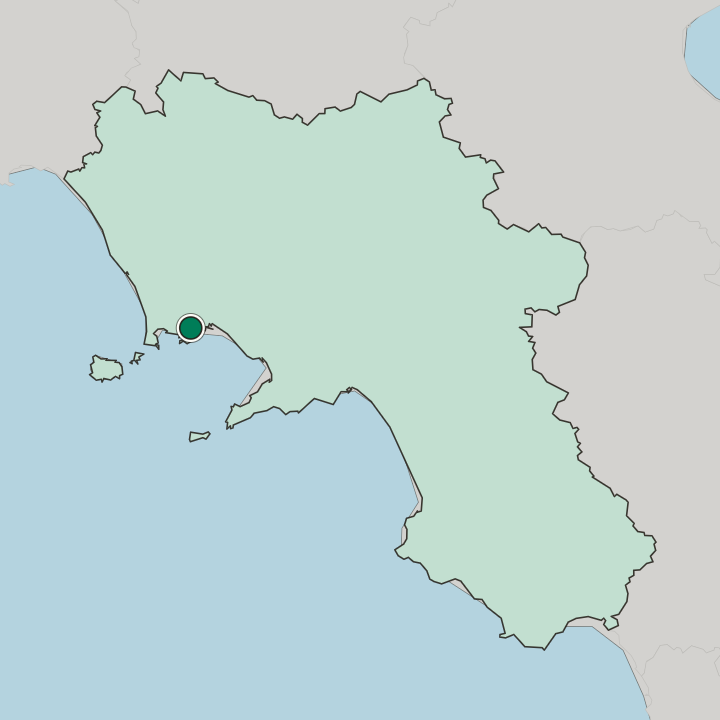
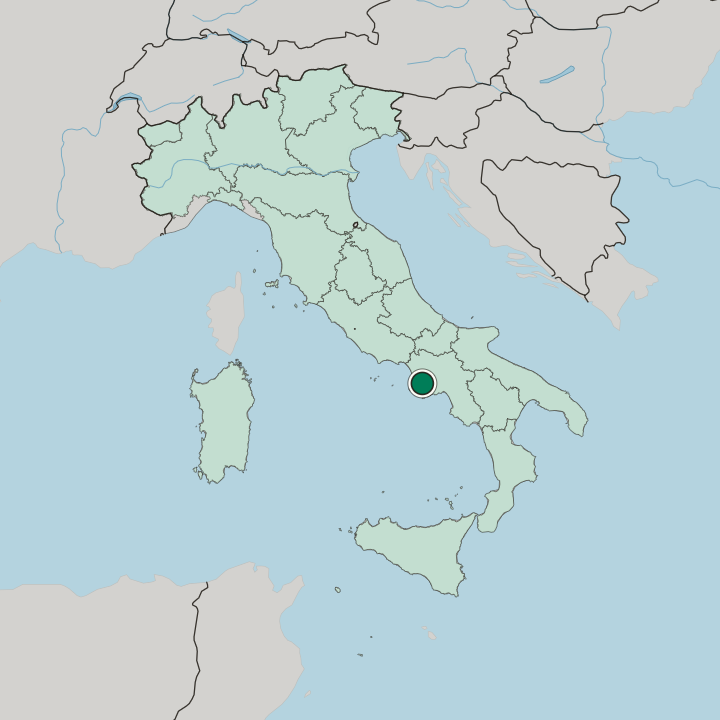
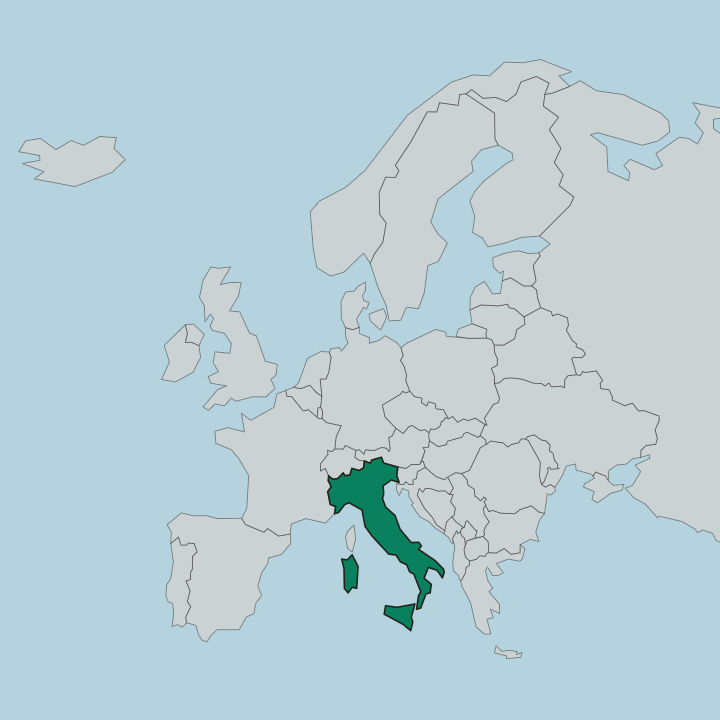
Fuorigrotta is written down as part of Naples, and Naples as part of Campania in Italy, which is the entire administrative history the record offers, with everything else left to the buildings and to the churches that keep the oldest names in use.
Where is Fuorigrotta?
Fuorigrotta covers 6.2 square kilometres on the western side of Naples. Posillipo is the neighbour that matters. The Archaeological park of Posillipo and Parco Virgiliano attach to the same corner of the city, as do Chiaia and Mergellina, so the quarter is described chiefly by what lies around it rather than by anything inside its own bounds.
No river or summit is listed. Its geography comes down to an extent, a side of Naples and a ring of neighbours, with Campania supplying the wider frame and the temperate band the weather.
What is the climate of Fuorigrotta?
Sea air shortens the extremes. Fuorigrotta lies in the temperate band on the western side of Naples, and the water the record reaches at Chiaia and Mergellina keeps the quarter milder through the year than ground the same distance inland would be. Seasons follow the north.
Heat gathers in the middle months and the cooler weather falls at either end of the calendar, which is when the shade of Parco Virgiliano and the indoor hours at Città della Scienza are worth more than any street in the quarter.
How do you get to Fuorigrotta?
Arrival is through Naples. No airport, terminal or line is named for Fuorigrotta in the record, so the quarter is entered from the city itself, either from the centre or across from the neighbours listed beside it, Chiaia, Mergellina and Posillipo among them. Distances stay urban.
Città della Scienza and Edenlandia are the addresses a driver is given, and both stand inside the quarter rather than out along a road, which keeps the last stage of any journey short.
Common questions
What is the best area to stay in Fuorigrotta?
Fuorigrotta: Mornings at Città della Scienza and Edenlandia. Chiaia: Museum days at Villa Pignatelli and Museo PAN. Mergellina: Evenings by the water near Santa Maria del Parto a Mergellina. Posillipo: Walkers making for Parco Virgiliano before breakfast.
Good for
More cities in Campania
Updated September 2026