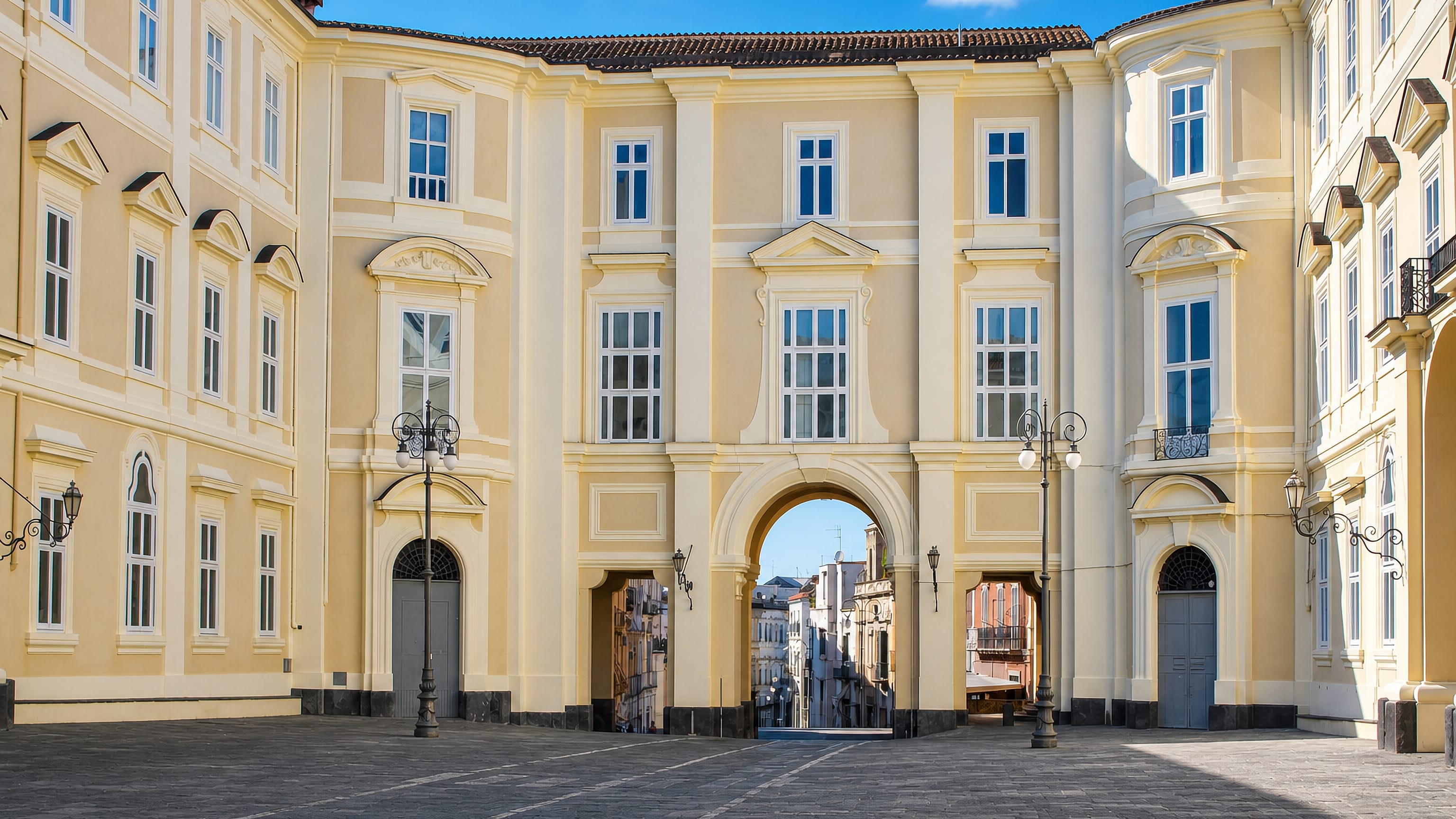
Italy · Campania
Where to Stay in Portici, Campania
Portici is small and dense. The Pietrarsa railway museum and the comune's churches fit inside barely four and a half square kilometres.
Hotel links are affiliate links: booking through them may earn us a commission, at no extra cost to you. It never affects how places are ranked. How this works


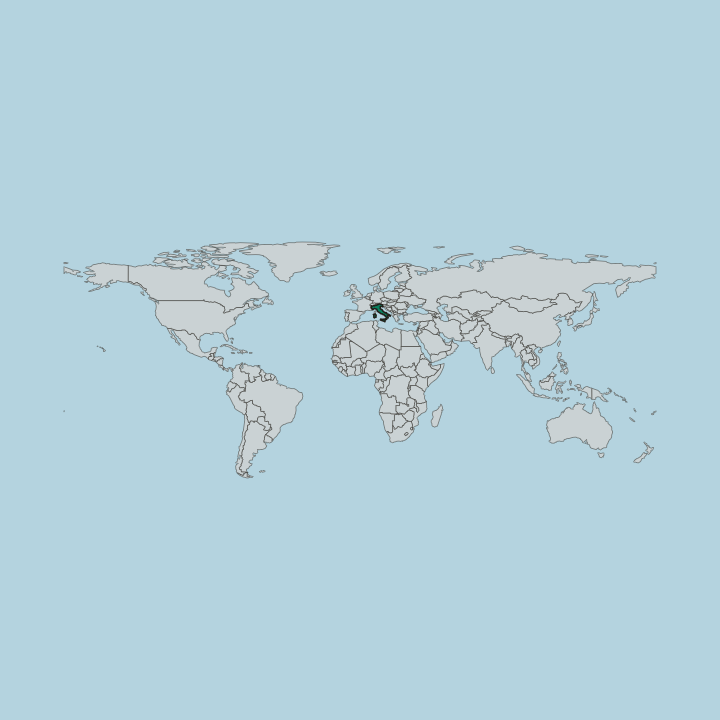
Where to stay in Portici
The practical side of choosing where to sleep.
Portici is small enough to make the choice a light one. Rooms near the chiesa della Madonna del Carmine and the Saint Joseph and Our Lady of Lourdes Church leave a visitor among the comune's ordinary streets, with the chiesa di San Pasquale Baylon and the monastero degli Zoccolanti standing among the older buildings nearby. Four and a half square kilometres is not much ground.
Little in the comune is far from anything else in it. The industrial end reads differently. A bed toward the Pietrarsa railway museum puts the railway halls and the Museo di macchine agricole Carlo Santini within a short walk, and the Museo scientifico della tecnologia e del lavoro "Luigi Petriccione" rounds out a day given over to machinery rather than to altars.
Herculaneum argues for a third choice. Anyone here for the archaeological park of Herculaneum, the Villa of the Papyri or the House of the Relief of Telephus should take the side of the comune nearest them, and if you want the Roman houses first thing in the morning that is the only choice worth making.
Find hotels in Portici
Direct booking searches for these neighbourhoods.
The parish streets by the Madonna del Carmine
The chiesa della Madonna del Carmine and the Saint Joseph and Our Lady of Lourdes Church stand in the lived-in part of Portici, with the monastero degli Zoccolanti not far off.Find hotels in The parish streets by the Madonna del Carminetwo museums of machinery within one short walkThe Pietrarsa end
The Pietrarsa railway museum occupies this edge of the comune, and the Museo di macchine agricole Carlo Santini keeps the same industrial company. Lodging is scarce in this area; reserve in advance.Find hotels in The Pietrarsa endbeing at the Roman houses before the middle of the dayThe side facing the excavations
Beds on this flank put the archaeological park of Herculaneum, the Palestra and the Terrace and altar of M. Nonius Balbus within a short journey of the door. Beds are limited here, so book early.Find hotels in The side facing the excavationsHotel links are affiliate links: booking through them may earn us a commission, at no extra cost to you. It never affects how places are ranked. How this works
About Portici
What is Portici known for?
Two collections carry the comune's name. The Pietrarsa railway museum gives railway history a set of halls of its own, and the Museo scientifico della tecnologia e del lavoro "Luigi Petriccione" sets out the tools of working life beside it. Roman ground is the other pull.
Herculaneum and the archaeological park of Herculaneum lie within reach of these streets, near enough that the Samnite House and the Villa of the Papyri belong on a Portici itinerary as readily as the Coral Museum - Private Collection Liverino.
What are the main landmarks in Portici?
The Pietrarsa railway museum is the heavyweight. Alongside it the Museo scientifico della tecnologia e del lavoro "Luigi Petriccione", the Museo di macchine agricole Carlo Santini and the Coral Museum - Private Collection Liverino divide machinery, farm equipment and coral between three separate collections. Churches hold the streets.
The chiesa della Madonna del Carmine, the Saint Joseph and Our Lady of Lourdes Church, the chiesa di San Pasquale Baylon and the monastero degli Zoccolanti stand among them, while the Villa of Caius Olius Ampliatus carries a Roman name into the modern plan.
What is the history of Portici?
The Roman layer is not buried out of sight here. A villa carries the name of Caius Olius Ampliatus into the comune's own record, and the excavations at Herculaneum supply the rest, from the Casa della Gemma (Herculaneum) and the House of the Skeleton to the College of the Augustales (Herculaneum) and the Temple of Venus at Herculaneum. Names came out of the ground with the walls.
The Terrace and altar of M. Nonius Balbus records a person, the Samnite House a people and the parco archeologico di Ercolano - teatro romano a building type, so the excavation reads as three kinds of label at once. Devotion supplies the middle of the record. The chiesa della Madonna del Carmine, the Saint Joseph and Our Lady of Lourdes Church, the chiesa di San Pasquale Baylon and the monastero degli Zoccolanti cover between them a Marian dedication, a saint's church and a monastic house, which is as close as the comune comes to a written chronology.
Then came the machines. The Pietrarsa railway museum gathers railway history into halls, the Museo scientifico della tecnologia e del lavoro "Luigi Petriccione" keeps the tools of work, and the Museo di macchine agricole Carlo Santini preserves farm machinery. Coral closes the list.
The Coral Museum - Private Collection Liverino attaches a craft to Portici that owes nothing to the Roman houses or to the railway.
Where is Portici?
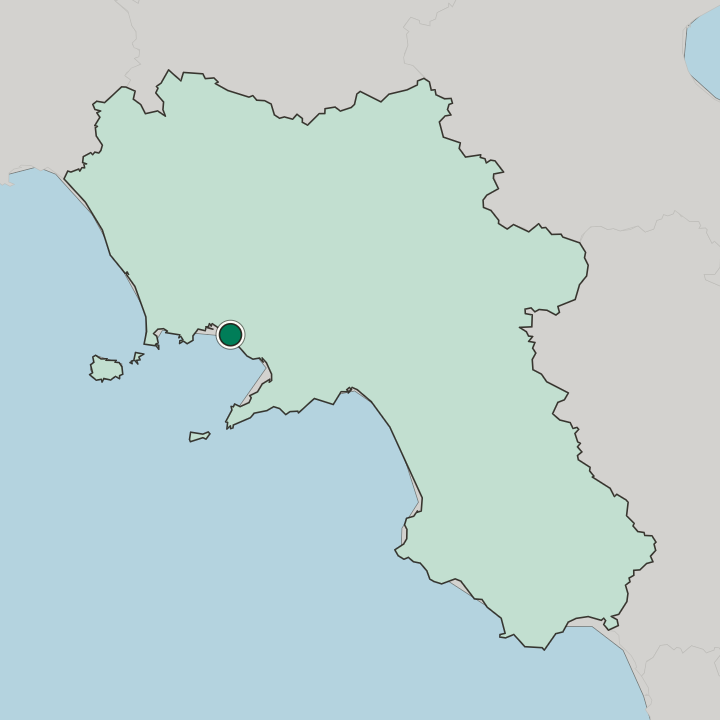
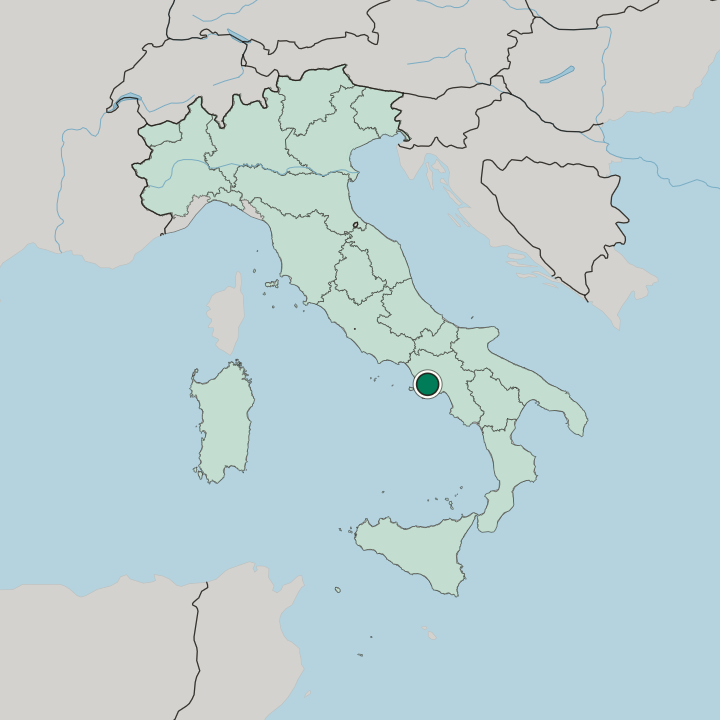
Four and a half square kilometres is the whole of it. Portici holds one of the smaller footprints in the Metropolitan City of Naples, built tight and pressed against its neighbours on every side, which is why the excavations at Herculaneum sit so close to its own streets. Campania carries on past all of them.
Naples is a short run away.
What is the climate of Portici?
Campania's temperate year arrives with little local modification. Portici is built tight across a small territory, so shade is a matter of streets rather than of hills, and the warmest months push visitors toward the covered halls of the Pietrarsa railway museum. Roman ground offers less shelter.
Open trenches at the archaeological park of Herculaneum reward an early start, before the middle of the day fills them.
How do you get to Portici?
Most arrivals come out of Naples. Portici belongs to the Metropolitan City of Naples, and the comune is small enough that no arrival point sits far from any other part of it. The Pietrarsa railway museum is the landmark on the way in.
Anyone coming from the excavation side finds the archaeological park of Herculaneum closer still, which makes the two easy to combine inside one day.
Common questions
What is the best area to stay in Portici?
The parish streets by the Madonna del Carmine: a stay among the comune's everyday churches rather than its collections. The Pietrarsa end: two museums of machinery within one short walk. The side facing the excavations: being at the Roman houses before the middle of the day.
Good for
More cities in Campania
Updated October 2026