Italy · Campania
Where to Stay in Pozzuoli, Campania
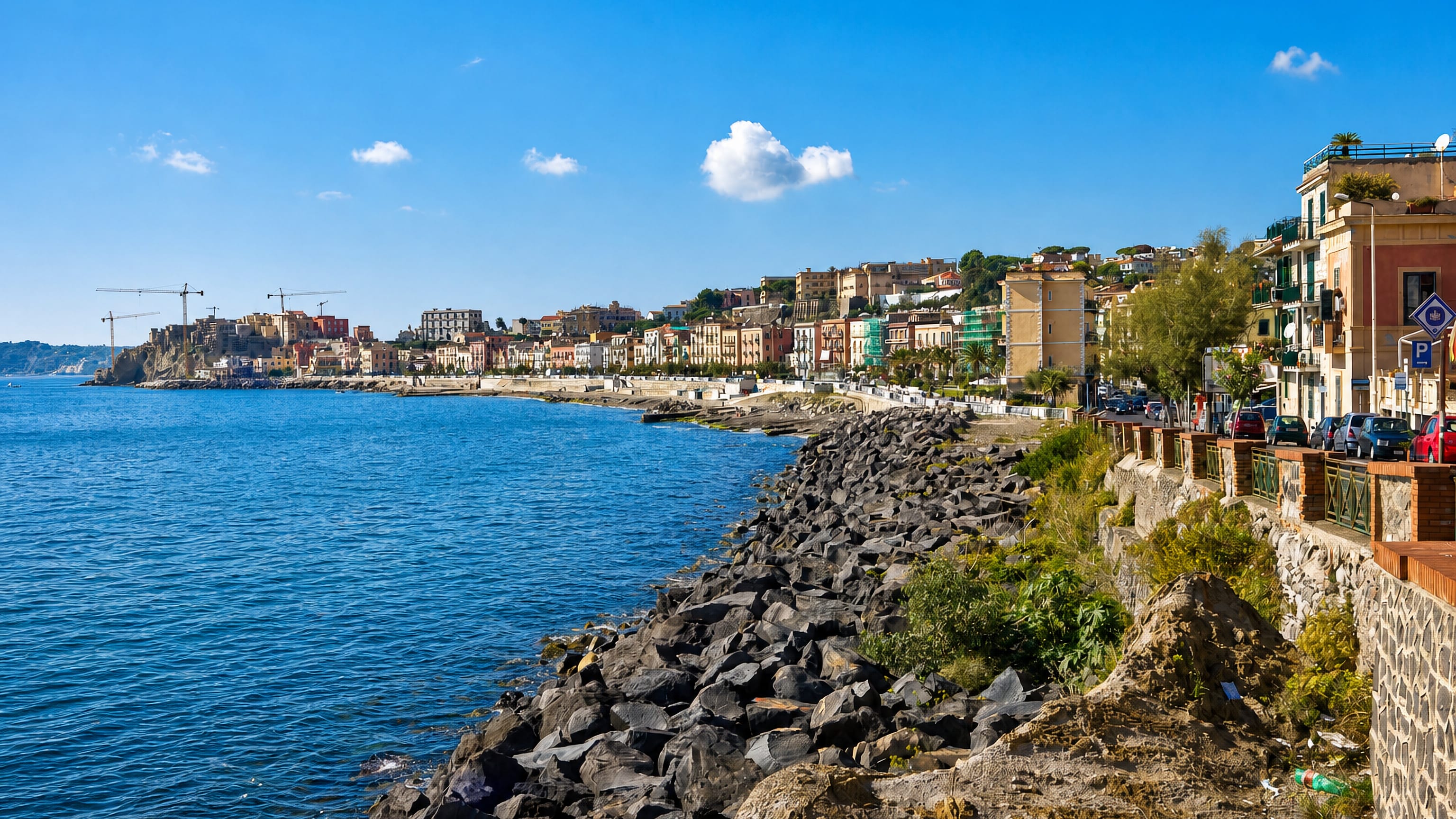
Rome went under water here. Pozzuoli keeps the Flavian Amphitheater above ground and the parco sommerso di Baia beneath the sea.
Hotel links are affiliate links: booking through them may earn us a commission, at no extra cost to you. It never affects how places are ranked. How this works



Where to stay in Pozzuoli
The practical side of choosing where to sleep.
Rione Terra is the oldest address in town. A stay up there leaves Pozzuoli Cathedral, the Diocesan Museum of Pozzuoli and the churches of Maria Santissima Desolata and Santa Maria della Consolazione, Pozzuoli within reach on foot, which makes it the base for anyone whose interest runs to the ecclesiastical side of the comune. Below it the harbour works.
Rooms nearer the water suit trips built around boats, the parco sommerso di Baia, and the seaward ground where the Castello Aragonese stands. The Roman sites argue for a different address. Beds near the Flavian Amphitheater bring the Macellum of Pozzuoli, the Stadium of Antoninus Pius and the Phlegraean Fields Archaeological Museum onto one walking list, with the parco archeologico dei Campi Flegrei - anfiteatro Flavio e tempio di Serapide covering two of those sites under a single heading.
Arco Felice is an outer name. So are the chiesa di Sant'Anna a Bagnoli, the Sea Museum Naples and the towers recorded as Torre degli Astroni and Torre di Palazzo De Toledo, which is reason enough to stay near the middle of the comune if you want several of them inside one trip.
Find hotels in Pozzuoli
Direct booking searches for these neighbourhoods.
Rione Terra
Rione Terra carries the oldest built fabric of Pozzuoli, and Pozzuoli Cathedral with the Diocesan Museum of Pozzuoli belong to the same church side of the town. Rooms are few around here — worth securing early.Find hotels in Rione Terraworking through the Roman sites on foot in one morningNear the Flavian Amphitheater
The Flavian Amphitheater, the Macellum of Pozzuoli and the Stadium of Antoninus Pius make one short list, and the Phlegraean Fields Archaeological Museum holds what came out of them.Find hotels in Near the Flavian Amphitheaterboat days over the submerged park at BaiaThe seaward side by the Castello Aragonese
The Castello Aragonese stands on the water side of the comune, and the parco sommerso di Baia is reached from these shores rather than from the amphitheatre end. Lodging is scarce in this area; reserve in advance.Find hotels in The seaward side by the Castello AragoneseHotel links are affiliate links: booking through them may earn us a commission, at no extra cost to you. It never affects how places are ranked. How this works
Things to do in Pozzuoli
Ranked by global recognition; descriptions from Wikidata (CC0).
Museums & Galleries
3- Phlegraean Fields Archaeological Museum Heritage
- Diocesan Museum of Pozzuoli Heritage
- parco archeologico dei Campi Flegrei - anfiteatro Flavio e tempio di Serapide Heritage
Churches & Religious Sites
2- Pozzuoli Cathedral
- Santa Maria della Consolazione, Pozzuoli
Castles & Historic Sites
3- Castello Aragonese Heritage
- Stadium of Antoninus Pius Heritage
- Flavian Amphitheater
Landmarks & Notable Places
1- Torre di Palazzo De Toledo Heritage
worth knowingacross 4 categories in Pozzuoli
About Pozzuoli
The Flavian Amphitheater sets the scale.
What is Pozzuoli known for?
It stands at the head of a run of Roman survivals, alongside the Macellum of Pozzuoli, the Stadium of Antoninus Pius and the parco archeologico dei Campi Flegrei - anfiteatro Flavio e tempio di Serapide, which names two of them in its own title. Water hides the rest. The parco sommerso di Baia and Emperor Claudius' sunken nymphaeum lie below the surface, so part of the ancient record here is reached by boat or by mask rather than on foot.
What are the main landmarks in Pozzuoli?
The Flavian Amphitheater is the set piece. Other Roman survivals include the Macellum of Pozzuoli, the Stadium of Antoninus Pius, Arco Felice and the site recorded as Pozzuoli (Samian Ware Productioncentre), while the parco archeologico dei Campi Flegrei - anfiteatro Flavio e tempio di Serapide gathers two of them under one heading. Churches supply the next layer.
Pozzuoli Cathedral, Maria Santissima Desolata, Santa Maria della Consolazione, Pozzuoli and the chiesa di Sant'Anna a Bagnoli belong to the town's later record, with the Castello Aragonese and Rione Terra completing it.
What is the history of Pozzuoli?
Rione Terra is where the town starts. The Roman city left more than most: the Flavian Amphitheater, the Macellum of Pozzuoli, the Stadium of Antoninus Pius and the arch recorded as Arco Felice all stand, and Pozzuoli (Samian Ware Productioncentre) preserves a pottery industry rather than a monument. Some of it went under.
Emperor Claudius' sunken nymphaeum and the parco sommerso di Baia now lie below the sea, which turns part of the Roman record into a dive rather than a walk. Later centuries answer with defence and worship. The Castello Aragonese carries a dynasty's name, the Torre degli Astroni and the Torre di Palazzo De Toledo record two more towers, and Pozzuoli Cathedral heads a church list that runs on through Maria Santissima Desolata, Santa Maria della Consolazione, Pozzuoli and the chiesa di Sant'Anna a Bagnoli.
Collections came last. The Phlegraean Fields Archaeological Museum holds the material of the Phlegrean Peninsula, the Diocesan Museum of Pozzuoli keeps the church side of it, and the Sea Museum Naples takes the water. Three museums, three subjects.
Between them they account for most of what the ground and the sea around here have given up.
Where is Pozzuoli?
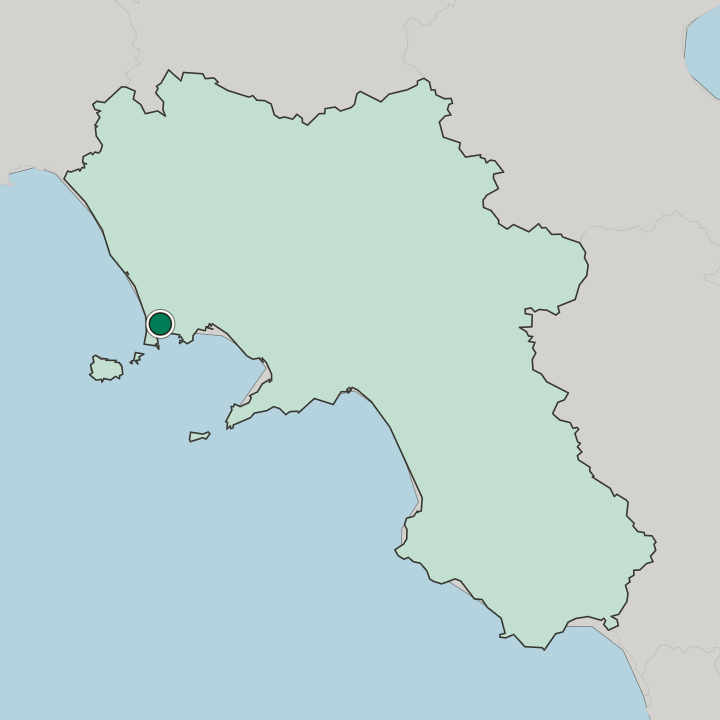
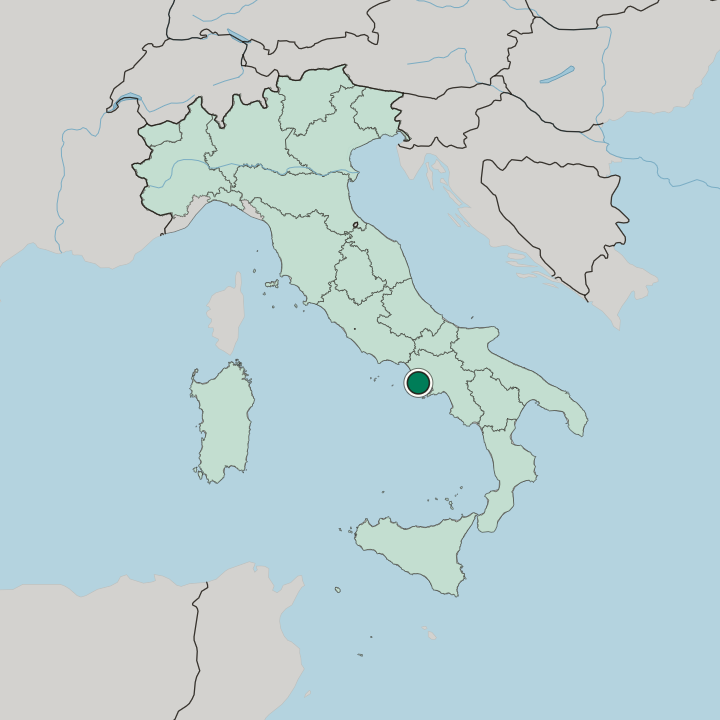
The Phlegrean Peninsula supplies the setting. Pozzuoli is its main town, spread over some forty-three square kilometres of coast and volcanic ground within the Metropolitan City of Naples, and the sea claims a share of the archaeology along with the shoreline. Naples is close by.
Campania continues inland behind the whole peninsula.
What is the climate of Pozzuoli?
Sea air governs the year across the Phlegrean Peninsula. Pozzuoli lies open to the water, so its warm months run long and its cold ones stay short, and the stone of the Flavian Amphitheater keeps the heat of an afternoon well past the hour the last visitors leave. Diving has a season.
The parco sommerso di Baia is a summer proposition for most, when conditions on the water suit it best.
How do you get to Pozzuoli?
Naples is the nearest large point of arrival. Pozzuoli belongs to the Metropolitan City of Naples, and the routes running out along the Phlegrean Peninsula pass through it. Boats matter here too.
Access to the parco sommerso di Baia is by water, while the Flavian Amphitheater is the marker most visitors take their bearings from once they are on land.
Common questions
What is the best area to stay in Pozzuoli?
Rione Terra: sleeping in the quarter the town grew out of, cathedral included. Near the Flavian Amphitheater: working through the Roman sites on foot in one morning. The seaward side by the Castello Aragonese: boat days over the submerged park at Baia.
Good for
More cities in Campania
Updated October 2026