Italy · Campania
Where to Stay in Caserta, Campania
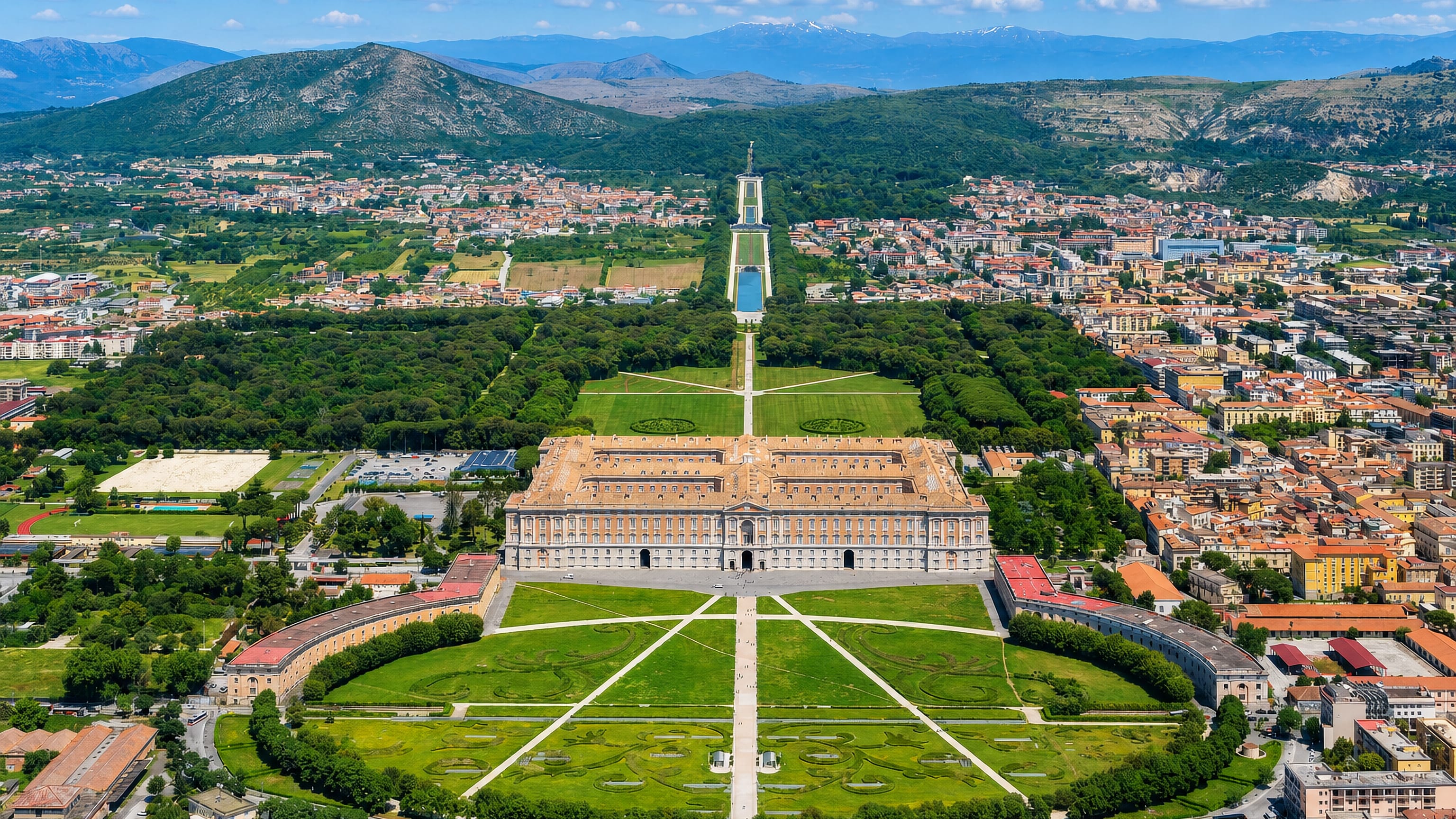
Caserta is the Campania city built around the Palace of Caserta, its royal gardens and the cathedral of Saint archangel Michael.
Hotel links are affiliate links: booking through them may earn us a commission, at no extra cost to you. It never affects how places are ranked. How this works


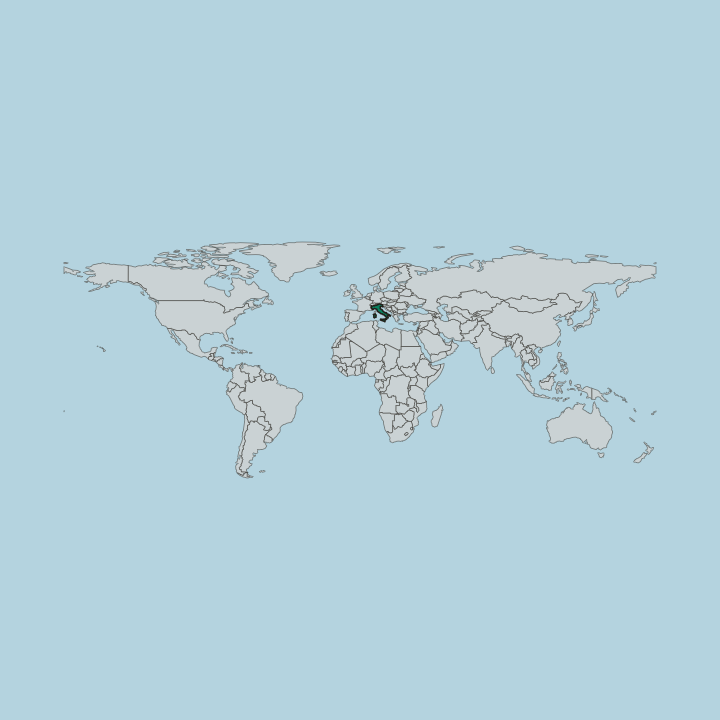
Where to stay in Caserta
The practical side of choosing where to sleep.
The palace gates decide it. Rooms on the streets facing the Palace of Caserta put the gardens of the Royal Palace and the Museum of the Royal Palace of Caserta within a few minutes of the door, which is the whole reason most visitors arrive. The park takes hours.
Castelluccia lies deep inside it, far enough from the entrance that an early start from a bed nearby is worth more than any organised tour. The cathedral streets are quieter. Beds near the Saint archangel Michael cathedral, San Pietro Apostolo and San Rufo sit in the older part of Caserta, with the Diocesan Museum of Caserta and the chiesa di Sant'Andrea Apostolo on the same walk.
It suits you if the palace is only half of the trip. Further out, the Museo della civiltà contadina di San Nicola La Strada, the palazzetto dello sport di Caserta and the Museo d'arte contemporanea di Caserta stand among newer building, where parking comes easily and the Planetario di Caserta gives an evening its own point.
Find hotels in Caserta
Direct booking searches for these neighbourhoods.
Facing the palace gates
The Museum of the Royal Palace of Caserta stands minutes from the doorFind hotels in Facing the palace gatesStays pairing the Saint archangel Michael cathedral with San RufoThe cathedral streets
San Pietro Apostolo and the Diocesan Museum of Caserta fall on one walkFind hotels in The cathedral streetsDrivers wanting the Museo della civiltà contadina and easy parkingToward San Nicola La Strada
The palazzetto dello sport di Caserta marks this newer edge of the city. Beds are limited here, so book early.Find hotels in Toward San Nicola La StradaHotel links are affiliate links: booking through them may earn us a commission, at no extra cost to you. It never affects how places are ranked. How this works
Things to do in Caserta
Ranked by global recognition; descriptions from Wikidata (CC0).
Museums & Galleries
2- Diocesan Museum of Caserta Heritage
- Museum of the Royal Palace of Caserta Heritage
Churches & Religious Sites
3- Saint archangel Michael cathedral
- San Pietro Apostolo
- San Rufo
Castles & Historic Sites
3- Palace of Caserta
- Calatia
- Castelluccia
Stadiums & Sports
1- palazzetto dello sport di Caserta
Parks & Gardens
1- gardens of the Royal Palace, Caserta Heritage
worth knowingacross 5 categories in Caserta
About Caserta
One building outweighs the rest.
What is Caserta known for?
The Palace of Caserta and the gardens of the Royal Palace take up more ground than the old streets do, and the Museum of the Royal Palace of Caserta explains what those rooms were built to do. Castelluccia stands inside the park. Beyond the gates the Saint archangel Michael cathedral, the Diocesan Museum of Caserta and the Planetario di Caserta give the city its other reasons to stop.
What are the main landmarks in Caserta?
The Palace of Caserta comes first, and behind it the gardens of the Royal Palace run on with Castelluccia standing among them, while the Museum of the Royal Palace of Caserta holds the interpretation of both. Calatia is the ancient entry. Churches follow.
The Saint archangel Michael cathedral, San Pietro Apostolo, San Rufo and the chiesa di Sant'Andrea Apostolo make up the religious stock, with the Diocesan Museum of Caserta, the Planetario di Caserta, the Museo Michelangelo, the Museo d'arte contemporanea di Caserta and the palazzetto dello sport di Caserta accounting for the rest.
What is the history of Caserta?
Calatia is the oldest name here. It stands for the ancient settlement of this territory, from a period before anything royal was raised on the ground, and no other entry in the record reaches back nearly so far. The palace changed the scale.
A royal residence with the gardens of the Royal Palace laid out behind it made Caserta a city organised around one commission, and the Museum of the Royal Palace of Caserta now sets out what that commission involved. The church record runs alongside. The Saint archangel Michael cathedral is its centre, San Pietro Apostolo, San Rufo and the chiesa di Sant'Andrea Apostolo carry the parishes, and the Diocesan Museum of Caserta keeps what the diocese has gathered over those centuries.
Farming held everything else. The Museo della civiltà contadina di San Nicola La Strada records the working countryside that lay around the palace park, and the distance between a royal garden and a museum of peasant tools is the shortest way to describe what this city contains. Later additions are civic.
The Planetario di Caserta, the palazzetto dello sport di Caserta, the Museo Michelangelo and the Museo d'arte contemporanea di Caserta belong to the modern town, while Castelluccia stays inside the park as the older ornament.
Where is Caserta?
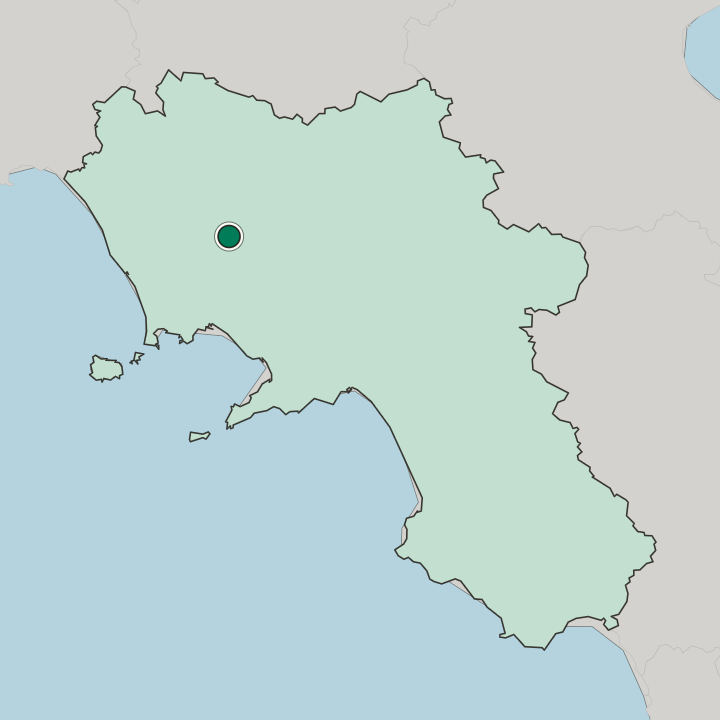
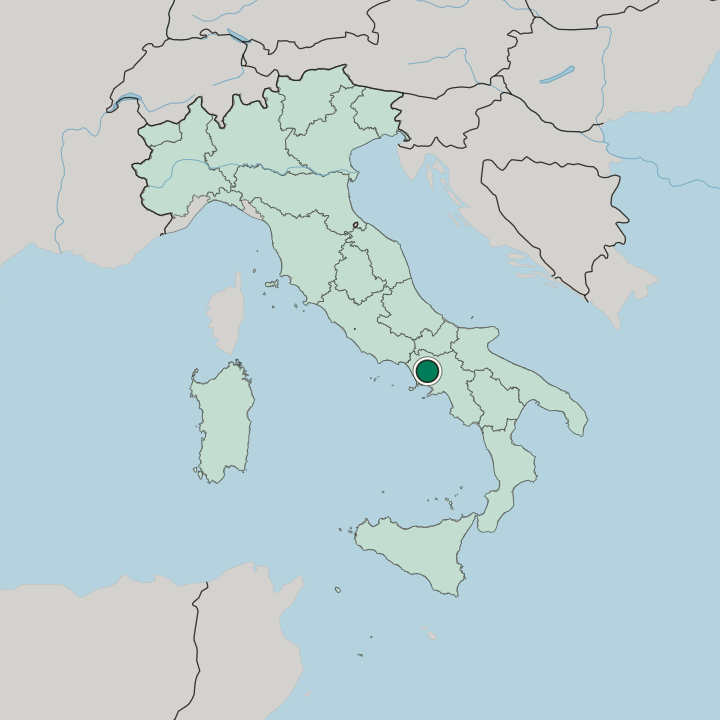
Caserta lies inland in Campania, on level ground that runs back toward higher country behind the town, and its municipal territory carries both the built-up streets and the enormous park attached to the Palace of Caserta. The garden does the spreading. San Nicola La Strada adjoins on the other side, where the Museo della civiltà contadina di San Nicola La Strada keeps the record of the fields, and Castelluccia marks the far reaches of the palace grounds.
What is the climate of Caserta?
The park holds its own shade. Caserta sits in the temperate band of the northern hemisphere, so heat settles over the gardens of the Royal Palace through a long dry summer while the cold months come wet, short and mild by comparison. Water was planned for.
The garden works because the summers demand it.
How do you get to Caserta?
Everything starts at the gates. Arrivals in Caserta come overland from the rest of Campania, and the distance from the centre to the Palace of Caserta and the gardens of the Royal Palace is short enough that local transport is beside the point. The park is the long walk.
Castelluccia and the upper end of the grounds can take most of a day.
Common questions
What is the best area to stay in Caserta?
Facing the palace gates: Early entry to the Palace of Caserta and the gardens of the Royal Palace. The cathedral streets: Stays pairing the Saint archangel Michael cathedral with San Rufo. Toward San Nicola La Strada: Drivers wanting the Museo della civiltà contadina and easy parking.
Good for
More cities in Campania
Updated October 2026