Italy · Campania
Where to Stay in Aversa, Campania
Aversa stands north of Naples in the Province of Caserta, a cathedral city at the centre of the wine and cheese country of the Agro Aversano.
Hotel links are affiliate links: booking through them may earn us a commission, at no extra cost to you. It never affects how places are ranked. How this works


Where to stay in Aversa
Where the beds are, and what that means for the visit.
The cathedral quarter comes first. Beds close to Aversa Cathedral put the Diocesan Museum of Aversa, Santa Maria a Piazza and San Francesco within a few minutes, and the Aragonese Castle stands near enough to fold into the same afternoon on foot. Streets are narrow here.
Immacolata Concezione belongs to the same set of them, and a room in this part of the city keeps the whole historic core reachable without transport at any hour of the day. The university side works differently. Rooms near the faculties of Architecture and Engineering, or near PalaJacazzi, sit among the newer building of Aversa, where the evenings run on student trade rather than on churches.
It suits you if the modern town is what you came for. Further out, Castello Normanno di Casaluce and the Museo della Fragola stand in the Agro Aversano, so a car earns its keep for anyone whose trip is really about the farm country, the Ecomuseo Terra Felix and the Parete Art Museum rather than about the cathedral.
Find hotels in Aversa
Direct booking searches for these neighbourhoods.
The cathedral quarter
Santa Maria a Piazza, San Francesco and the Aragonese Castle fall within a few minutesFind hotels in The cathedral quarterVisitors who prefer student evenings to church morningsThe faculties and PalaJacazzi
Architecture and Engineering bring their own trade to the newer streets of AversaFind hotels in The faculties and PalaJacazziDrivers taking in Castello Normanno di Casaluce and the Museo della FragolaOut in the Agro Aversano
The Ecomuseo Terra Felix and the Parete Art Museum lie out among the fields. Rooms are few around here — worth securing early.Find hotels in Out in the Agro AversanoHotel links are affiliate links: booking through them may earn us a commission, at no extra cost to you. It never affects how places are ranked. How this works
Things to do in Aversa
Ranked by global recognition; descriptions from Wikidata (CC0).
Museums & Galleries
2- Diocesan Museum of Aversa Heritage
- Parete Art Museum
Churches & Religious Sites
3- Aversa Cathedral
- Santa Maria a Piazza
- San Francesco
Castles & Historic Sites
2- Aragonese Castle
- Castello Normanno di Casaluce
Stadiums & Sports
1- PalaJacazzi
worth knowingacross 4 categories in Aversa
About Aversa
Two things carry the name.
What is Aversa known for?
Aversa Cathedral holds the older half of it, while the faculties of Architecture and Engineering of the Università degli studi della Campania give the city a student trade that a town of this size would not otherwise carry. Wine and cheese come from the fields. The Agro Aversano around it is farm country, the Museo della Fragola makes a museum of a single crop, and the Ecomuseo Terra Felix reads the same land another way.
What are the main landmarks in Aversa?
Aversa Cathedral is the fixed point, and around it Santa Maria a Piazza, San Francesco and Immacolata Concezione fill out the churches of a city that has been a diocesan seat long enough to have built a museum for the evidence. The Diocesan Museum of Aversa keeps that. Two castles survive.
The Aragonese Castle stands in the city and Castello Normanno di Casaluce out in the fields, while the Museo della Fragola, the Parete Art Museum and the Ecomuseo Terra Felix cover the newer collections and PalaJacazzi the sports side.
What is the history of Aversa?
Two castles name two eras. Castello Normanno di Casaluce carries the Norman one in its title, and the Aragonese Castle carries the later, so the fortified record of Aversa can be read off the buildings even where the dates themselves have gone missing. The church record is fuller.
Aversa Cathedral gave the city a diocesan seat, Santa Maria a Piazza, San Francesco and Immacolata Concezione followed as parishes, and the Diocesan Museum of Aversa now holds what those centuries of building left behind. Farming ran underneath all of it. The Agro Aversano is an agricultural district producing wine and cheese, and the city sat at the middle of it as market and administrative centre for the surrounding fields.
The Museo della Fragola narrows that story to one crop. Learning is the late addition, and the faculties of Architecture and Engineering of the Università degli studi della Campania made Aversa a place people come to study as well as to trade. The Ecomuseo Terra Felix and the Parete Art Museum belong to the same recent turn, when the land around the Province of Caserta began to be presented rather than only worked.
Where is Aversa?
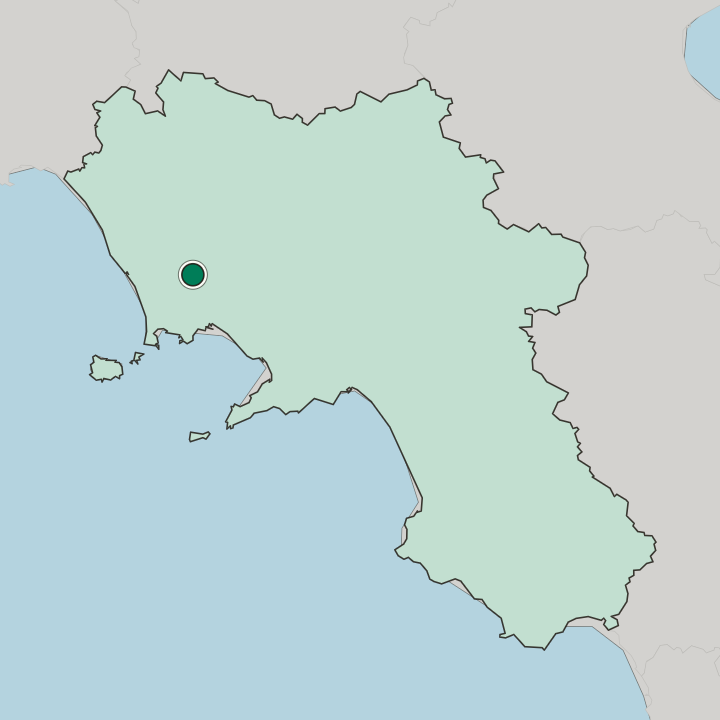
Aversa lies about 24 km north of Naples, inside the Province of Caserta, on the flat farmed ground of the Agro Aversano that supplies its wine and its cheese. The municipal territory is tight. Building runs almost to the boundary, and Castello Normanno di Casaluce marks the country beyond it, where the Ecomuseo Terra Felix reads the same fields.
What is the climate of Aversa?
The Agro Aversano sets the calendar. Aversa sits in the temperate band of the northern hemisphere on ground given over to vines and pasture, which means a long warm season for the crops and a short cool one that arrives with rain rather than hard frost. Summer runs dry.
The Museo della Fragola marks the crop that answers to it.
How do you get to Aversa?
Naples is the reference point. Aversa stands about 24 km north of it, which puts the city inside the daily reach of the Province of Caserta and of the Campania road network that ties the two together. The centre is compact.
Aversa Cathedral, the Aragonese Castle and PalaJacazzi are all reached on foot once the car or the train is behind you.
Common questions
What is the best area to stay in Aversa?
The cathedral quarter: Stays worked around Aversa Cathedral and the Diocesan Museum of Aversa. The faculties and PalaJacazzi: Visitors who prefer student evenings to church mornings. Out in the Agro Aversano: Drivers taking in Castello Normanno di Casaluce and the Museo della Fragola.
Good for
More cities in Campania
Updated October 2026