Italy · Emilia-Romagna · Bologna
Historic Centre of Bologna, Bologna — Area Guide & Where to Stay
The Historic Centre is Bologna's medieval core in Emilia-Romagna, from Piazza Maggiore to San Petronio Basilica and the Pinacoteca Nazionale di Bologna.
Hotel links are affiliate links: booking through them may earn us a commission, at no extra cost to you. It never affects how places are ranked. How this works


Where to stay in Historic Centre of Bologna
How the choice of base plays out on the ground.
Staying inside the walls puts you within walking distance of nearly every major sight in Bologna. This is the choice for sightseeing. Hotels and guesthouses cluster around Piazza Maggiore and along Strada Maggiore, minutes from San Petronio Basilica, the Sanctuary of Santa Maria della Vita and the Archeological Civic Museum of Bologna.
The area around Via Zamboni, home of the university, keeps a livelier night-time character, while the lanes near Santo Stefano Church stay quieter after dark. Beds fill fast in the core, so those wanting more space often look to the surrounding quartieri and commute in.
Things to do in and around Bologna
Ranked by global recognition; descriptions from Wikidata (CC0).
Museums & Galleries
4- Pinacoteca Nazionale di Bologna Heritage
- Archeological Civic Museum of Bologna Heritage
- Bologna Museum of Modern Art Heritage
- Palazzo Fava Heritage
Churches & Religious Sites
8- San Petronio Basilica Heritage
- Santo Stefano Church Heritage
- Bologna Cathedral Heritage
- Basilica of Saint Francis Heritage
- Sanctuary of Santa Maria della Vita Heritage
Show 3 more →
- San Giacomo Maggiore Heritage
- basilica di Santa Maria dei Servi Heritage
- San Giovanni in Monte Heritage
Castles & Historic Sites
1- arco del Meloncello Heritage
worth knowingacross 3 categories in and around Bologna
About Historic Centre of Bologna
What are the main landmarks in Historic Centre of Bologna?
Churches define the skyline. San Petronio Basilica dominates Piazza Maggiore, its unfinished brick facade never completed to the giant scale its builders had first envisioned. Bologna Cathedral, the ancient Santo Stefano Church, the Gothic Basilica of Saint Francis and San Giacomo Maggiore all stand within a few blocks.
The Sanctuary of Santa Maria della Vita holds a celebrated terracotta Lamentation. The picture galleries and museums run deep too, from the Pinacoteca Nazionale di Bologna and the Archeological Civic Museum of Bologna to Palazzo Fava, the International Museum and Library of Music, and the Cineteca di Bologna.
What is the history of Historic Centre of Bologna?
Bologna grew from the Roman colony of Bononia, and the historic centre still traces part of that ancient street grid. Then came Europe's oldest university. Its scholars filled the quarter around Via Zamboni, while medieval families raised towers and pushed their upper floors out over the streets to create the first porticoes.
Great church-building followed, and San Petronio Basilica was begun in 1390 for the city's patron saint. The Gothic Basilica of Saint Francis had risen more than a century earlier, and later work added churches like Santo Stefano Church, leaving the walled medieval plan largely intact.
Where is Historic Centre of Bologna?
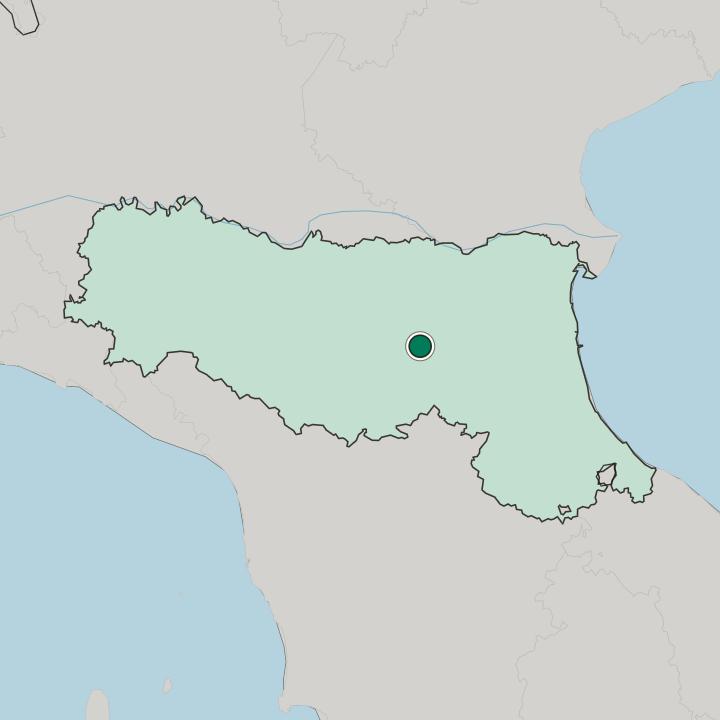
The centre sits on the flat plain at the foot of the Apennines, ringed by the boulevards, or viali, that follow the line of Bologna's demolished walls. Strada Maggiore and Via Zamboni thread east. Via dell'Indipendenza cuts north from Piazza Maggiore toward the railway station.
The quartieri of Porto - Saragozza, Santo Stefano and San Donato - San Vitale wrap the old core on its outer edges.
Good for
More areas in Bologna
Updated September 2026