Italy · Emilia-Romagna
Where to Stay in Bologna, Emilia-Romagna
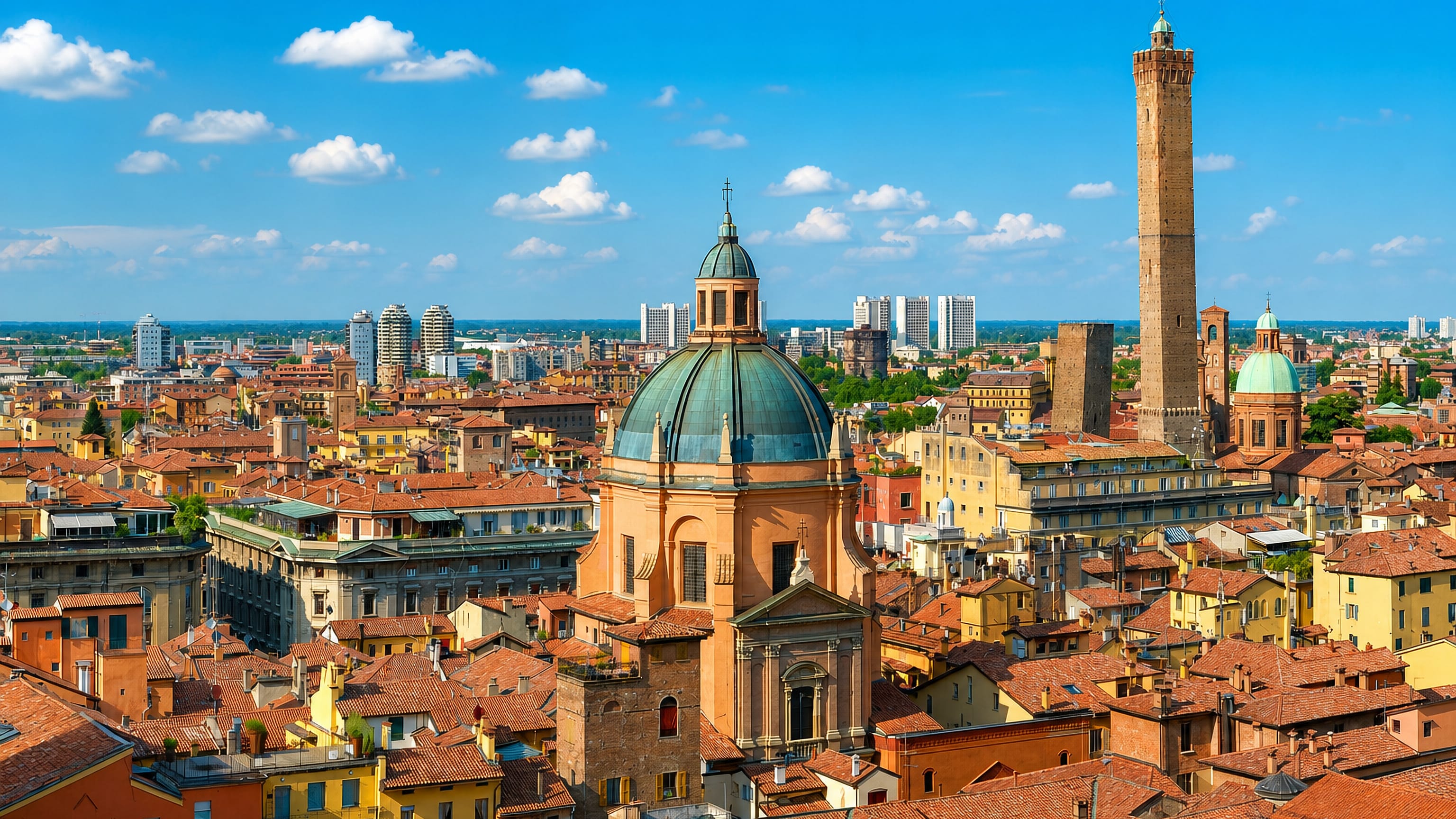
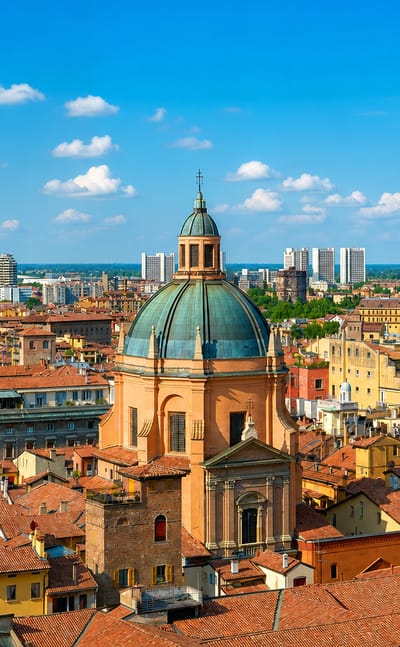
Bologna is the capital of Emilia-Romagna in northern Italy, an arcaded university city built around the Basilica di San Petronio.
Hotel links are affiliate links: booking through them may earn us a commission, at no extra cost to you. It never affects how places are ranked. How this works


Where to stay in Bologna
Each area has its own feel; here's who each one suits.
 BolognaItaly
Historic Centre of Bologna
The Historic Centre is Bologna's medieval core in Emilia-Romagna, from Piazza Maggiore to San Petronio Basilica and the Pinacoteca Nazionale di Bologna.Where to stay → BolognaItaly
Porto - Saragozza
Porto - Saragozza is Bologna's western quartiere, Porta Saragozza to the Sanctuary of the Madonna di San Luca. The Basilica of Saint Francis stands within.Where to stay →BolognaItalySanto Stefano
Santo Stefano is one of six quartieri of Bologna, the southeast of the old centre, named for the Santo Stefano Church, its heart the Piazza Santo Stefano.Where to stay →BolognaItalyBolognina
Bolognina is the working-class district north of Bologna Centrale, in the Navile borough of Emilia-Romagna's Bologna. The name means little Bologna.Where to stay → BolognaItaly
San Donato - San Vitale
San Donato - San Vitale is one of six Bologna boroughs, merged in 2016, holding San Giacomo Maggiore and the Pinacoteca Nazionale di Bologna.Where to stay → BolognaItaly
Navile
Navile is a northern borough of Bologna, running from the historic centre out to Corticella and taking in Bolognina. It is named for the Canale Navile.Where to stay → BolognaItaly
Borgo Panigale - Reno
Borgo Panigale - Reno is a borough of west Bologna, merged in 2016 from Borgo Panigale and Reno. The Ducati Museum sits by the river Reno.Where to stay →BolognaItalyBarca
Barca is a 1960s quarter of west Bologna by the Reno river, the Ducati Museum west in Borgo Panigale and the Sanctuary of the Madonna di San Luca beyond.Where to stay →BolognaItalySavena
Savena is a southeast Bologna quartiere named for Torrente Savena: San Ruffillo, Fossolo, Croce del Biacco. Giardino della Lunetta Gamberini anchors it.Where to stay → BolognaItaly
Corticella
Corticella is a neighborhood in northern Bologna on the Navile canal, once a barge route to the Po. Chiesa dei Santi Savino e Silvestro marks it.Where to stay → BolognaItaly
Borgo Panigale
Borgo Panigale is Bologna's westernmost district in Emilia-Romagna, base of the Ducati works, with the Ducati Museum and the Pinball and Arcade Museum.Where to stay →BolognaItalyGhetto
The Ghetto is Bologna's historic Jewish quarter in the Historic Centre, by the Two Towers, its spine Via dell'Inferno. Jews were confined here from 1556.Where to stay →Hotel links are affiliate links: booking through them may earn us a commission, at no extra cost to you. It never affects how places are ranked. How this works
Find hotels in Bologna
Direct booking searches for these neighbourhoods.
Centro Storico, around San Petronio
The walled core sits at the foot of the Basilica di San Petronio and the central square, putting the main churches and the University of Bologna within a few minutes on foot.Find hotels in Centro Storico, around San PetronioCouples and longer stays wanting calm without leaving the historic centre.Around Santo Stefano
A residential pocket beside the Santo Stefano complex holds onto quiet evenings while staying minutes from the central square and its churches.Find hotels in Around Santo StefanoDrivers and families who value parking and space over a central address.Toward San Luca and the Meloncello
The outer streets near the arco del Meloncello and the Sanctuary of the Madonna di San Luca open up, with easier parking than the medieval core allows.Find hotels in Toward San Luca and the MeloncelloHotel links are affiliate links: booking through them may earn us a commission, at no extra cost to you. It never affects how places are ranked. How this works
Things to do in Bologna
Ranked by global recognition; descriptions from Wikidata (CC0).
Museums & Galleries
6- Pinacoteca Nazionale di Bologna Heritage
- Archeological Civic Museum of Bologna Heritage
- Museo per la Memoria di Ustica Heritage
- Bologna Museum of Modern Art Heritage
- Palazzo Fava Heritage
Show 1 more →
- Luigi Donini prehistoric museum Heritage
Churches & Religious Sites
8- Sanctuary of the Madonna di San Luca UNESCO
- San Petronio Basilica Heritage
- Santo Stefano Church Heritage
- Bologna Cathedral Heritage
- Basilica of Saint Francis Heritage
Show 3 more →
- Sanctuary of Santa Maria della Vita Heritage
- San Giacomo Maggiore Heritage
- basilica di Santa Maria dei Servi Heritage
Castles & Historic Sites
3- Galliera Castle Heritage
- arco del Meloncello Heritage
- Staffette partigiane Heritage
Stadiums & Sports
1- Tiro a Segno Nazionale Sezione di Bologna Heritage
worth knowingacross 4 categories in Bologna
About Bologna
What is Bologna known for?
Bologna is known above all for the University of Bologna, the oldest university in continuous operation, founded in 1088. Students fill its streets. The medieval centre gathers a dense cluster of churches and museums, from the great brick Basilica di San Petronio on the central square to the older complex of Santo Stefano nearby.
Art collections run deep here, led by the Pinacoteca Nazionale di Bologna and the Archaeological Civic Museum of Bologna. On the edge of town, the arco del Meloncello marks the route out to the Sanctuary of the Madonna di San Luca.
What are the main landmarks in Bologna?
The Basilica di San Petronio dominates the central square at the heart of the old city, a vast brick basilica that fronts the everyday life of Bologna. Santo Stefano sits close by. Its linked chapels and courtyards form one of the older religious corners of the centre.
The Bologna Cathedral and the church of San Giacomo Maggiore add medieval and Renaissance fabric, and Santa Maria della Vita keeps to the lanes nearby. Paintings fill the Pinacoteca Nazionale di Bologna, and the arco del Meloncello marks the route out toward the Sanctuary of the Madonna di San Luca.
What is the history of Bologna?
Bologna's story turns on its university. The University of Bologna was established in 1088, and it is reckoned the oldest university in continuous operation anywhere. Scholars and students gathered here from across Europe, and over the medieval centuries that gathering shaped the city's wealth, its politics, and its building.
Their presence reshaped the streets around them over generations of growth and rebuilding. The Basilica di San Petronio rose as the great civic church of the commune, set on the central square as a statement of the city's standing rather than as a cathedral. Church-building continued long after.
Santo Stefano preserved an ancient core of linked chapels, while later generations raised the Bologna Cathedral, San Giacomo Maggiore, and the lesser churches that still define the skyline. Brick and terracotta gave these churches their common face. On the road out of town, the arco del Meloncello arches over the old approach to the Sanctuary of the Madonna di San Luca.
The city's collections hold that inheritance: the Pinacoteca Nazionale di Bologna gathers its paintings, and the Archaeological Civic Museum of Bologna keeps the relics of its deeper past.
Where is Bologna?
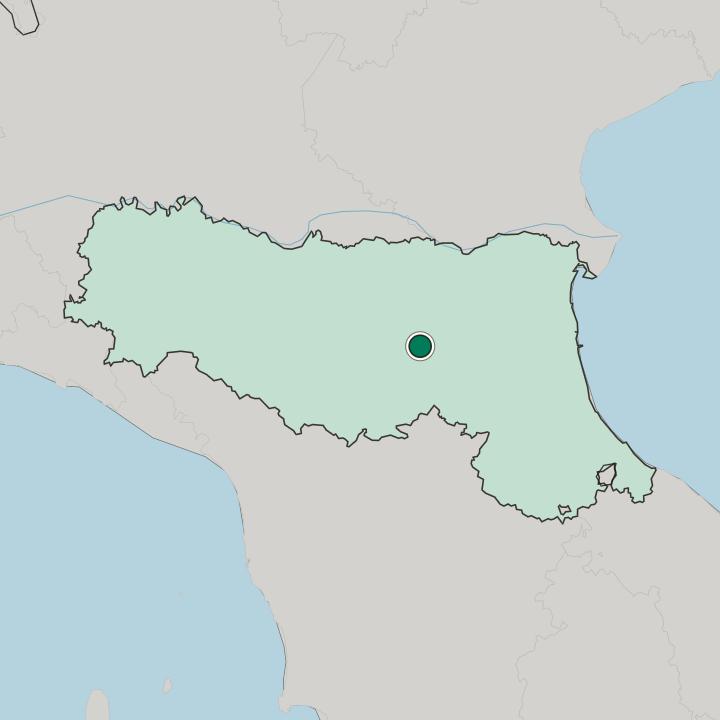
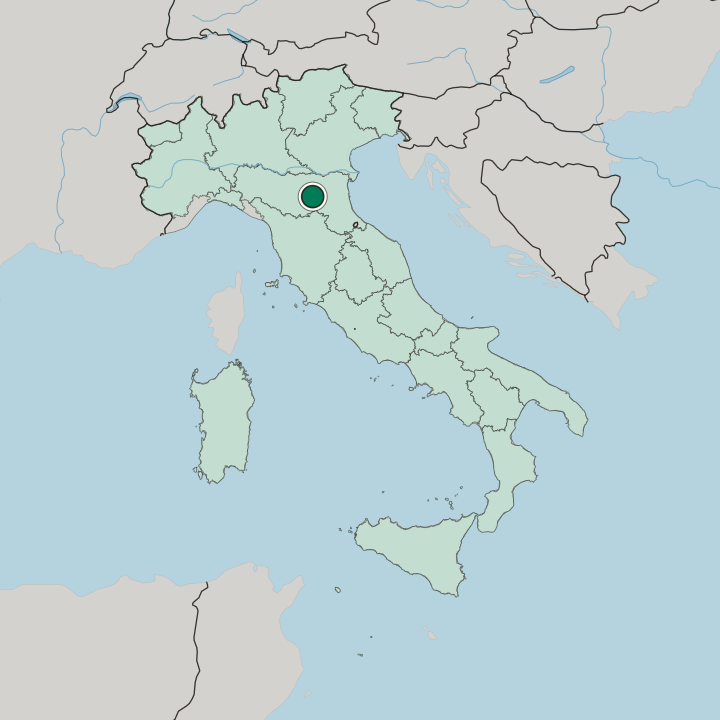
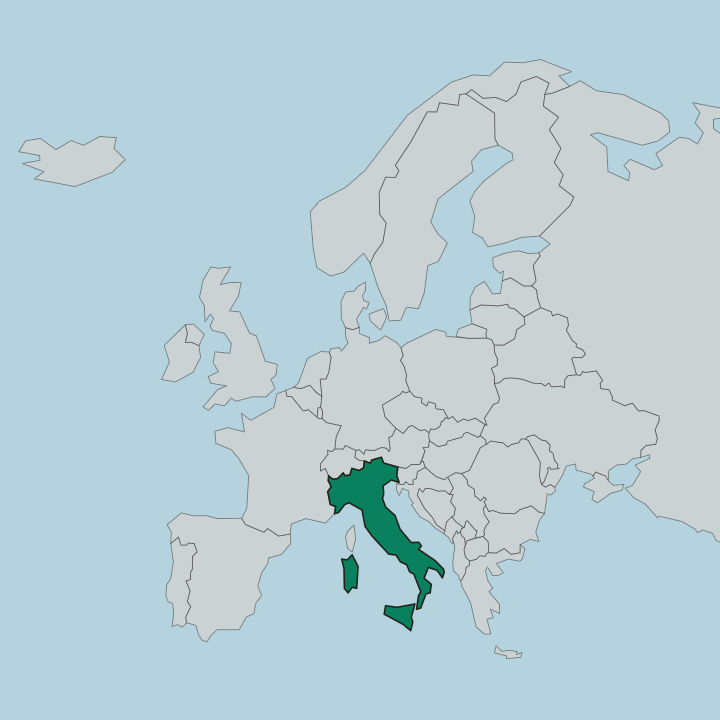
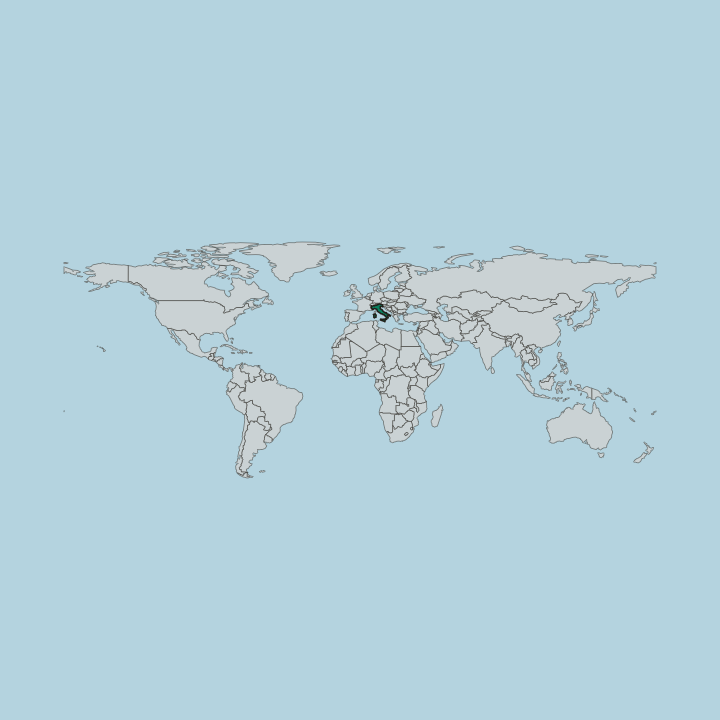
Bologna lies in northern Italy. It is the capital and largest city of Emilia-Romagna, the region it governs from a compact historic centre. The old core packs its churches and squares behind a ring of former walls, with the Basilica di San Petronio at the middle and the Bologna Cathedral a short walk off.
Beyond it, the arco del Meloncello and the Sanctuary of the Madonna di San Luca stand on the outer edge of the city.
What is the climate of Bologna?
Bologna sits inland in northern Italy, and its climate runs through four clear seasons rather than a single mild rhythm. The seasons swing widely. Summers turn hot over the low country around the city.
Winters are grey and cold, with damp air settling across the plain that Emilia-Romagna shares. Spring and autumn are the easier seasons for walking the centre, when the streets between the Basilica di San Petronio and Santo Stefano are pleasant under foot.
How do you get to Bologna?
Getting to Bologna is easy by rail. The city is one of the main junctions of northern Italy, where the lines along the peninsula cross those running east across Emilia-Romagna. Most journeys change here.
Fast trains reach the central station in a few hours from the bigger cities to the north and south. An airport on the western edge of town handles flights from across Europe, a short ride from the Basilica di San Petronio and the old centre. Drivers join the motorways that ring the city before threading into the narrow medieval streets.
Common questions
What is the best area to stay in Bologna?
Centro Storico, around San Petronio: First-time visitors who want the monuments and student nightlife on the doorstep.. Around Santo Stefano: Couples and longer stays wanting calm without leaving the historic centre.. Toward San Luca and the Meloncello: Drivers and families who value parking and space over a central address..
Good for
More cities in Emilia-Romagna
Updated October 2026