Japan · Chiba-ken
Where to Stay in Mobara, Chiba-ken
Mobara sits in Chiba Prefecture. The Hoki Museum, Lake Woods Garden Himeharu-no-Sato and Shimo-ota Shell Mound head a city register dating from 1952.
Hotel links are affiliate links: booking through them may earn us a commission, at no extra cost to you. It never affects how places are ranked. How this works


Where to stay in Mobara
The practical side of choosing where to sleep.
Beds in Mobara answer to two different itineraries. The Hoki Museum sets the first: a room chosen for its opening hours puts a full morning indoors, and leaves the rest of Chiba Prefecture as a question for the afternoon rather than a constraint on the day. Lake Woods Garden Himeharu-no-Sato sets the second.
Grounds reward daylight instead of opening times, so a stay planned around the gardens cares more about the drive out than about what lies within walking distance of the door. Mobara is spread, not compact. Shimo-ota Shell Mound and Rokusho-jinja ato sit apart from both anchors, and neither offers anywhere to wait out bad weather.
How far apart they sit decides the rest. The Mutsuzawa Museum of History&folklore is one more entry that a stay built purely around the Hoki Museum will not reach on foot, and it pulls the useful radius of a Mobara base wider than a single neighbourhood. Expect to drive between them.
Mobara took city form in 1952, and the municipality that resulted is administrative in shape, so the real choice is which of its roads you want to drive each morning rather than which street you sleep on. Either anchor works for Shimo-ota Shell Mound.
Find hotels in Mobara
Direct booking searches for these neighbourhoods.
Around the Hoki Museum
The Hoki Museum is the one Mobara address where a whole morning can disappear indoors, which suits a stay that starts before the roads fill.Find hotels in Around the Hoki MuseumGarden daylight at Lake Woods Garden Himeharu-no-SatoToward Lake Woods Garden Himeharu-no-Sato
Lake Woods Garden Himeharu-no-Sato answers to daylight rather than to opening hours, so a bed out that way trades the built-up middle of Mobara for an earlier start in the grounds. Beds are limited here, so book early.Find hotels in Toward Lake Woods Garden Himeharu-no-SatoOld ground at Shimo-ota Shell Mound and Rokusho-jinja atoThe Shimo-ota Shell Mound side
Shimo-ota Shell Mound and Rokusho-jinja ato are ground rather than doorways, and a room picked for the drive reaches both without doubling back across Chiba Prefecture. Rooms are few around here — worth securing early.Find hotels in The Shimo-ota Shell Mound sideHotel links are affiliate links: booking through them may earn us a commission, at no extra cost to you. It never affects how places are ranked. How this works
About Mobara
Painting comes first here.
What is Mobara known for?
The Hoki Museum heads Mobara's register, and a gallery makes an unusual anchor for a municipality whose remaining entries run to gardens and older ground rather than to collections. Lake Woods Garden Himeharu-no-Sato draws a different visitor. Between those two sit Shimo-ota Shell Mound and Rokusho-jinja ato, entries that reward an interest in the ground itself more than in anything standing on it.
The Mutsuzawa Museum of History&folklore completes the set.
What are the main landmarks in Mobara?
The Hoki Museum leads. Lake Woods Garden Himeharu-no-Sato answers it with grounds rather than galleries, and between them the two account for most of what a visitor to Mobara plans a day around. The register lists Rokusho-jinja ato, not Rokusho-jinja.
Shimo-ota Shell Mound sits beside it, and the Mutsuzawa Museum of History&folklore closes the list under a Mutsuzawa name rather than a Mobara one.
What is the history of Mobara?
The city is younger than its register. Mobara took its present form in 1952, and that date sits at the recent end of a list whose other entries, Rokusho-jinja ato among them, record ground that mattered long before any municipal boundary was drawn around it. Shimo-ota Shell Mound belongs to that older layer too.
Neither entry is a building you walk into, which is why a visitor can cross the part of Chiba Prefecture that holds them without noticing either. Two museums carry the telling. The Mutsuzawa Museum of History&folklore takes history and folklore as its explicit subject, and a museum framed that way exists because the record around it is dispersed rather than gathered into one visible monument.
The Hoki Museum answers a different need. Its subject is painting, and its place on a register otherwise made of old ground and planted grounds is the clearest sign that cultural life in Mobara is more than a matter of what was left behind. Lake Woods Garden Himeharu-no-Sato completes the arc.
A garden is planted rather than inherited, and a list that opens with Shimo-ota Shell Mound finishes with something made deliberately, well inside the span of the city's own existence.
Where is Mobara?
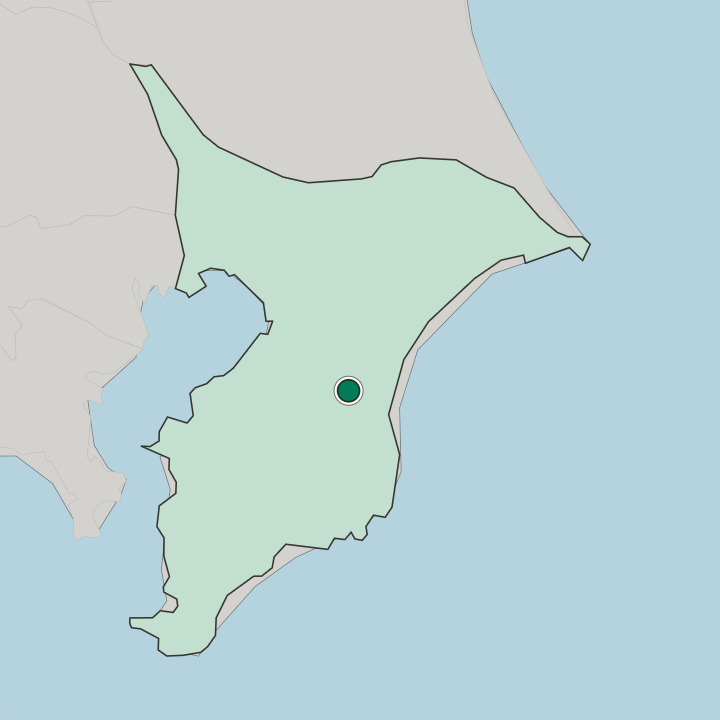
Mobara covers ground rather than filling it. The city takes in a wide stretch of Chiba-ken, enough that the Hoki Museum and Lake Woods Garden Himeharu-no-Sato belong to one municipality without ever belonging to the same errand. Shimo-ota Shell Mound lies out in that spread.
Rokusho-jinja ato is a place on the map rather than a doorway, and reaching it depends on knowing which part of Mobara you are standing in.
What is the climate of Mobara?
Gardens keep the calendar here. Lake Woods Garden Himeharu-no-Sato changes with the season in a way the Hoki Museum never does, so the same trip to Mobara reads differently in April than it does in February. Chiba Prefecture lies well inside the temperate band, which gives four marked seasons rather than a wet-and-dry alternation.
The indoor half is season-proof. Shimo-ota Shell Mound and Rokusho-jinja ato offer no cover at all.
How do you get to Mobara?
Arrivals sort themselves by landmark. A visit built around the Hoki Museum approaches Mobara by a different route than one built around Lake Woods Garden Himeharu-no-Sato, and the two do not sit close enough for a single walk to serve both. Chiba Prefecture supplies the roads in.
Shimo-ota Shell Mound, Rokusho-jinja ato and the Mutsuzawa Museum of History&folklore each want their own leg of the trip, which makes a day covering all five entries mostly a day spent moving.
Common questions
What is the best area to stay in Mobara?
Around the Hoki Museum: Realist painting on a slow Hoki Museum morning. Toward Lake Woods Garden Himeharu-no-Sato: Garden daylight at Lake Woods Garden Himeharu-no-Sato. The Shimo-ota Shell Mound side: Old ground at Shimo-ota Shell Mound and Rokusho-jinja ato.
Good for
More cities in Chiba-ken
Updated October 2026