Japan · Chiba-ken
Where to Stay in Narita, Chiba-ken
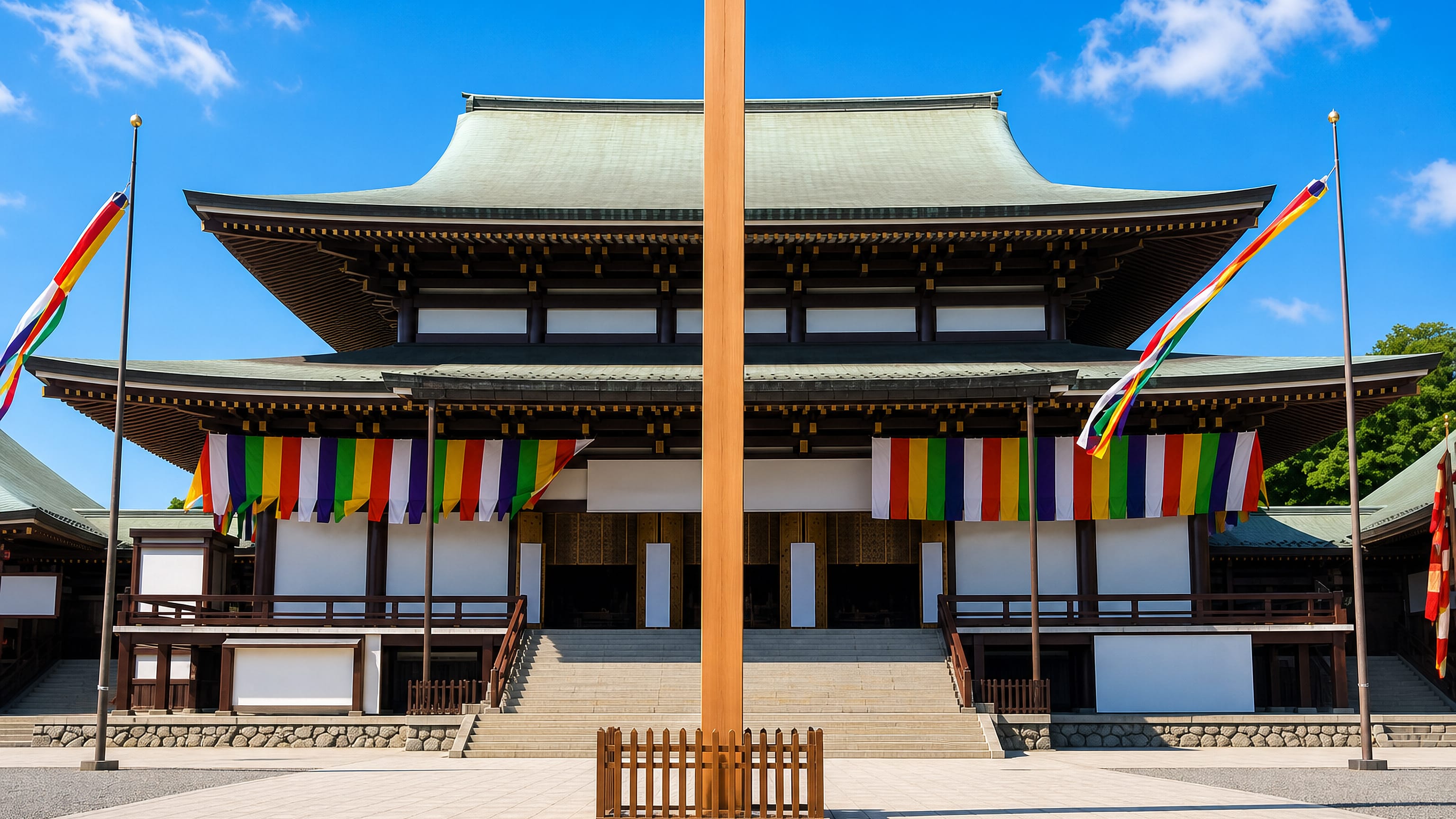
Narita is a city of Chiba Prefecture, Japan, holding both Narita International Airport and the landmark of Narita-san.
Hotel links are affiliate links: booking through them may earn us a commission, at no extra cost to you. It never affects how places are ranked. How this works


Where to stay in Narita
Where the beds are, and what that means for the visit.
Two logics compete in Narita, and both begin with the airport. Rooms clustered around Narita International Airport exist for early departures and late arrivals, and they do that job efficiently, with shuttles running to the terminals and very little reason to walk outside the door. Sleep is the product.
If your flight leaves before the town wakes, that is the correct choice and there is no case to argue against it. The alternative is the Narita-san end of the city. Beds there stand within reach of the approach to the landmark and of the Naritasan Reikokan Museum and the Naritasan Museum of Calligraphy, which turns an enforced night near the airport into a short visit to a real town rather than a corridor between two flights.
The gap between the two is short. Narita covers a great deal of ground for a city of its weight, yet the part a visitor actually uses is small, and a room placed between the terminals and Narita-san keeps both inside a manageable ride even at the hours aircraft tend to land. The two ends of the city serve different trips, and choosing between them is really a decision about how much of Narita a stopover is meant to include.
Find hotels in Narita
Direct booking searches for these neighbourhoods.
By Narita International Airport
Shuttle distance from the terminals, built for short nightsFind hotels in By Narita International AirportLayovers spent at Narita-san instead of in a terminalThe Narita-san approach
Walking reach of Narita-san and the Naritasan Reikokan MuseumFind hotels in The Narita-san approachHotel links are affiliate links: booking through them may earn us a commission, at no extra cost to you. It never affects how places are ranked. How this works
About Narita
The airport comes first.
What is Narita known for?
Narita International Airport accounts for the overwhelming majority of the people who set foot in the city, and for most of them the place registers as a terminal rather than as somewhere with streets, a temple approach, and a history of its own. Narita-san supplies the counterweight, and the two collections that carry its name, the Naritasan Reikokan Museum and the Naritasan Museum of Calligraphy, will fill an afternoon between flights. One layover covers both.
What are the main landmarks in Narita?
Narita-san is the fixed point. Two museums carry its name, the Naritasan Reikokan Museum and the Naritasan Museum of Calligraphy, and between them they account for most of what a traveller with a few spare hours will actually see. Older things survive further out.
The Ryūgakuji Kofun Cluster is a group of burial mounds, the Old Mikogami Family House a preserved dwelling, and the former main hall of Gakushuin Primary School an unlikely entry on the same list of protected buildings.
What is the history of Narita?
Burial mounds are the oldest entry. The Ryūgakuji Kofun Cluster puts the start of the record here long before any city existed, and it does so quietly, on ground that most arrivals now cross at speed on their way to or from a terminal. Narita was established in 1954.
The name the municipality took is the name of Narita-san, and the two collections that keep the site's material, the Naritasan Reikokan Museum and the Naritasan Museum of Calligraphy, remain the principal ones in the city. The airport rewrote the arithmetic. Narita International Airport turned a large, thinly settled municipality of Chiba Prefecture into one of the two places where international journeys to the Greater Tokyo Area begin, and it fixed the city's name in the minds of people who have never left its grounds.
The approach to Narita-san still reads as a town. The terminals read as infrastructure, and the ordinary streets between the two carry on much as they would have without any of it. Two survivals sit apart from both worlds: the Old Mikogami Family House and the former main hall of Gakushuin Primary School, kept from a period that had nothing to do with aviation and found only by a traveller who deliberately spends part of a layover looking for something older than a runway.
Where is Narita?
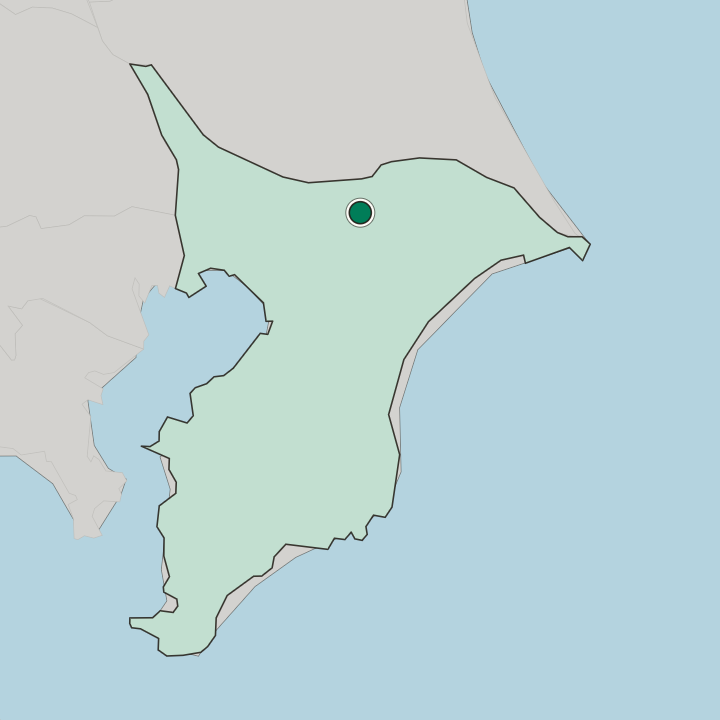
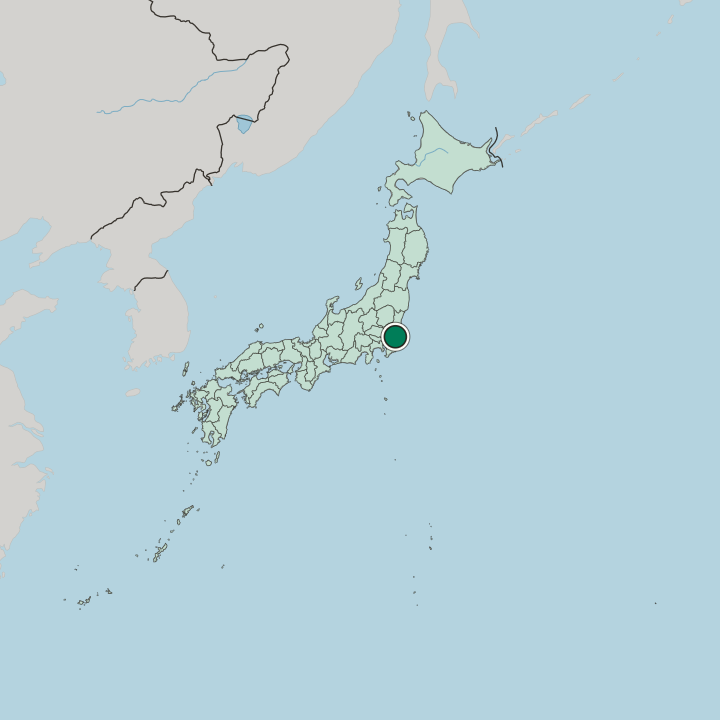
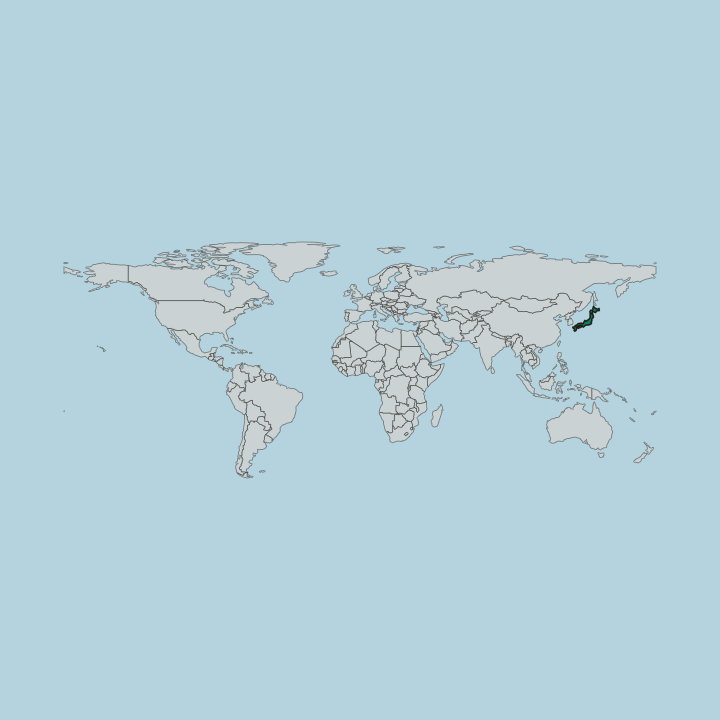
Narita lies some 70 kilometres to the northeast of Tokyo. Two hundred and thirteen square kilometres of Chiba Prefecture belong to the city, a great deal of ground for the number of people spread across it, and the result is a municipality of separated parts rather than one solid town. Open country lies between them.
Narita International Airport occupies one of those parts, the approach to Narita-san another, and the Ryūgakuji Kofun Cluster sits out beyond both.
What is the climate of Narita?
Narita runs on the temperate year of the northern hemisphere, cold at the turn of the calendar, hot in the middle of it, with long mild shoulders on either side of summer that make the walk up to Narita-san better than any shuttle. Seasons matter less here than schedules. Most visitors are working to a departure time rather than to the weather of the day ahead, and for them the useful fact is that the Naritasan Reikokan Museum and the Naritasan Museum of Calligraphy are indoor stops.
Rain costs an afternoon nothing.
How do you get to Narita?
Narita International Airport is why almost anyone is here. The round trip from the terminals into Tokyo eats two to three hours, which is the whole argument for spending a short layover on the approach to Narita-san instead of on the run into the capital and back again. Narita-san is the near option.
It is a short ride from the airport rather than an expedition, and the Naritasan Museum of Calligraphy and the Naritasan Reikokan Museum stand close by once a traveller arrives.
Common questions
What is the best area to stay in Narita?
By Narita International Airport: Early departures out of Narita International Airport. The Narita-san approach: Layovers spent at Narita-san instead of in a terminal.
More cities in Chiba-ken
Updated October 2026