Japan · Chiba-ken
Where to Stay in Yotsukaidō, Chiba-ken
Yotsukaidō dates from 1981. The National Museum of Japanese History and Chiba Port Tower stand within reach of this Chiba-ken city.
Hotel links are affiliate links: booking through them may earn us a commission, at no extra cost to you. It never affects how places are ranked. How this works


Where to stay in Yotsukaidō
How the choice of base plays out on the ground.
Yotsukaidō is small and the draws are not. A bed here sits inside a ring that holds the National Museum of Japanese History on one side and Chiba Port Tower on another, and that ring, rather than any street in the city itself, is what a stay is really buying. The city covers little ground. Sakura City Museum of Art and the Chiba Prefectural Museum of Art pull in opposite directions from the same base, so the honest question is which museum day you want first.
Kūtei-kan sits on the same list. Chiba Zoological Park changes the calculation for anyone travelling with children. So does the Chiba City Floral Museum, and between them the two make a case for a base leaning toward Chiba rather than toward Sakura.
Shell mounds go the other way. The Kotehashi Shell Mound and the Arayashiki Shell Mound reward a stay with a car and an early start, and the Inonagawari Site and Sumi Furusawa Site add two more stops that no bus timetable will string together neatly. Yotsukaidō took city form in 1981.
Its own centre is modest, which is precisely why the surrounding register matters more than the address.
Find hotels in Yotsukaidō
Direct booking searches for these neighbourhoods.
Toward Chiba Port Tower
Chiba Port Tower and Chiba Port Arena carry the same port name, and an evening covering both needs no second journey out of Yotsukaidō.Find hotels in Toward Chiba Port TowerThe National Museum of Japanese History before the queuesThe Sakura side
The National Museum of Japanese History and the Sakura City Museum of Art face the same way out of Yotsukaidō, which makes an early start on both realistic. Lodging is scarce in this area; reserve in advance.Find hotels in The Sakura sideA short base between Kūtei-kan and the Inonagawari SiteYotsukaidō's own centre
Kūtei-kan and the Inonagawari Site sit close to Yotsukaidō's modest middle, and a room there keeps the museum belt on every side rather than at one end.Find hotels in Yotsukaidō's own centreHotel links are affiliate links: booking through them may earn us a commission, at no extra cost to you. It never affects how places are ranked. How this works
Things to do in Yotsukaidō
Ranked by global recognition; descriptions from Wikidata (CC0).
Museums & Galleries
3- National Museum of Japanese History
- Chiba City Museum of Art
- Chiba Prefectural Museum of Art
Castles & Historic Sites
3- Sumi Furusawa Site Heritage
- Inonagawari Site Heritage
- 明治天皇駐蹕之処の碑
Nature & Outdoors
1- Chiba Zoological Park
Stadiums & Sports
1- ZOZOPARK HONDA FOOTBALL AREA
worth knowingacross 4 categories in Yotsukaidō
About Yotsukaidō
Museums crowd the map around Yotsukaidō.
What is Yotsukaidō known for?
The National Museum of Japanese History, the Natural History Museum and Institute and the Chiba Prefectural Museum of Art all lie in the surrounding stretch of Chiba-ken, which gives a short stay an unusually deep run of collections. Sport has its own corner. Chiba Port Arena and ZOZOPARK HONDA FOOTBALL AREA cover that side, while Chiba Zoological Park and the Chiba City Floral Museum answer to families rather than to scholarship.
What are the main landmarks in Yotsukaidō?
The National Museum of Japanese History anchors everything. Art accounts for three entries on its own, the Chiba Prefectural Museum of Art and the Chiba City Museum of Art alongside the Sakura City Museum of Art, and the Natural History Museum and Institute covers the sciences beside the Chiba City Museum of Science. Older ground shows up too.
The Kotehashi Shell Mound and the Arayashiki Shell Mound appear beside the Inonagawari Site and the Sumi Furusawa Site, while former Hirai Family Residence and Inage Memorial Hall stand for the built record. Kabosu Monument and Monument to Emperor Meiji's Halting Place are markers rather than buildings.
What is the history of Yotsukaidō?
Yotsukaidō is a recent name for old ground. The city took its present form in 1981, and Yotsukaido Town is the name the record carries, while the Kotehashi Shell Mound and the Arayashiki Shell Mound already marked occupation of this part of Chiba-ken from a period that left no written account at all. Two more sites sit alongside them.
The Inonagawari Site and the Sumi Furusawa Site fill in that same deep layer, and none of the four owes anything to a municipal boundary drawn around them long afterwards. The built record arrives later. former Hirai Family Residence and Inage Memorial Hall both hold places on the register, and Kūtei-kan adds a third named structure to a list otherwise dominated by collections rather than by fabric. Two markers close the list.
Monument to Emperor Meiji's Halting Place and the Kabosu Monument mark occasions rather than house them, which is a different kind of remembering from what the National Museum of Japanese History does a short way off. That museum reframes the whole register. Its subject is the national past rather than the local one, and its presence turns a modest Chiba-ken city into a base from which the history most visitors come for belongs to the country at large.
The register is wider than the boundary.
Where is Yotsukaidō?
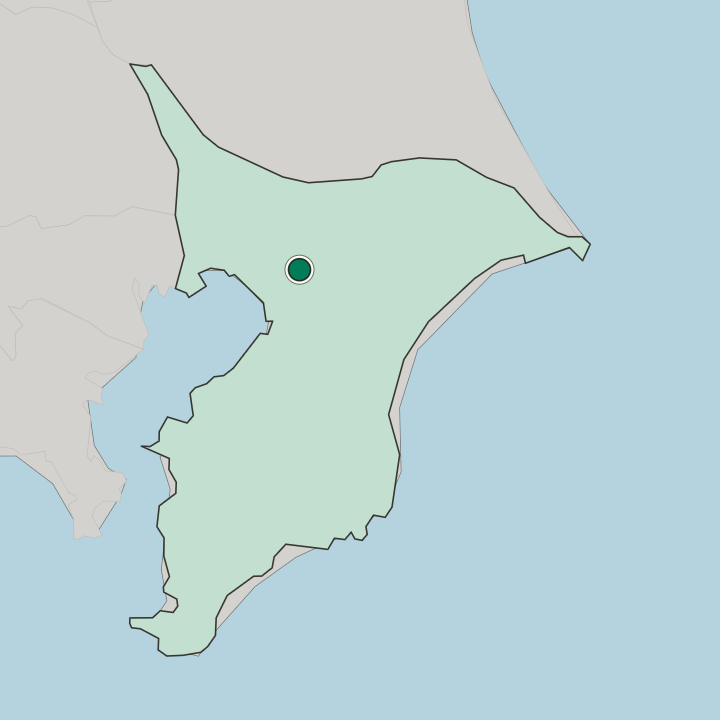
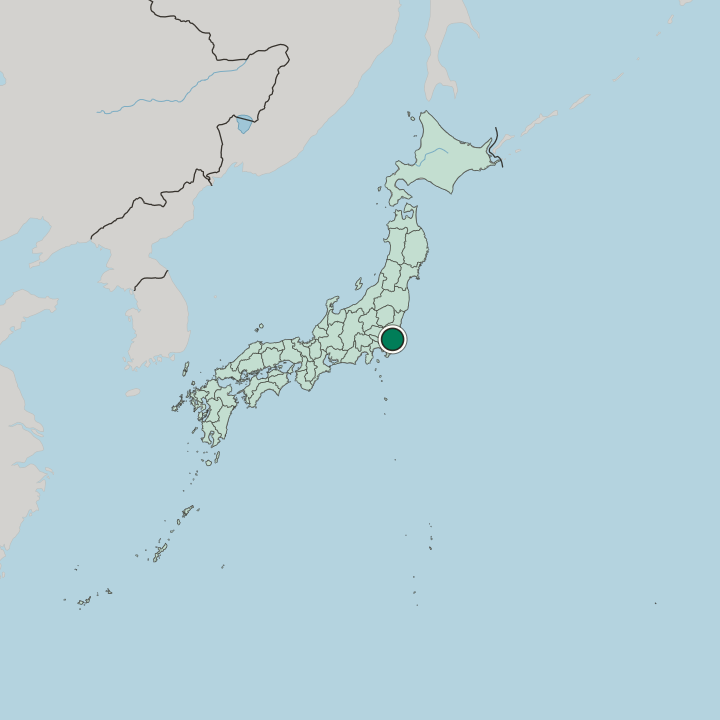
Yotsukaidō occupies a small square of Chiba-ken. Little more than thirty square kilometres separate one edge of the city from the other, which explains why so much of what a visitor comes for stands outside the municipal line rather than within it. Chiba lies one way.
Sakura lies another, and the National Museum of Japanese History, the Chiba Zoological Park and Chiba Port Tower belong to that wider spread rather than to Yotsukaidō's own ground.
What is the climate of Yotsukaidō?
Chiba Port Tower reads the weather first. A tower rewards a clear day and punishes a grey one in a way the Chiba Prefectural Museum of Art never will, so the order of a visit here often turns on the sky rather than on opening hours. The temperate band gives four marked seasons.
Chiba Zoological Park and the Chiba City Floral Museum move with them, while the Kotehashi Shell Mound offers nothing to shelter under when rain arrives.
How do you get to Yotsukaidō?
Everything worth the trip sits outside the line. Reaching the National Museum of Japanese History means heading toward Sakura, while Chiba Port Tower and Chiba Port Arena mean heading toward Chiba instead, and the two errands do not combine well in a single morning. Yotsukaidō itself is quick to cross.
The Yachiyo Municipal Folk Museum and the Funabashi City Local Collection Museum add two more directions again, which is why a car turns this from a difficult base into an efficient one.
Common questions
What is the best area to stay in Yotsukaidō?
Toward Chiba Port Tower: Chiba Port Tower and the Chiba Port Arena in one evening. The Sakura side: The National Museum of Japanese History before the queues. Yotsukaidō's own centre: A short base between Kūtei-kan and the Inonagawari Site.
Good for
More cities in Chiba-ken
Updated October 2026