Japan · Fukuoka Prefecture
Where to Stay in Kasuga, Fukuoka Prefecture
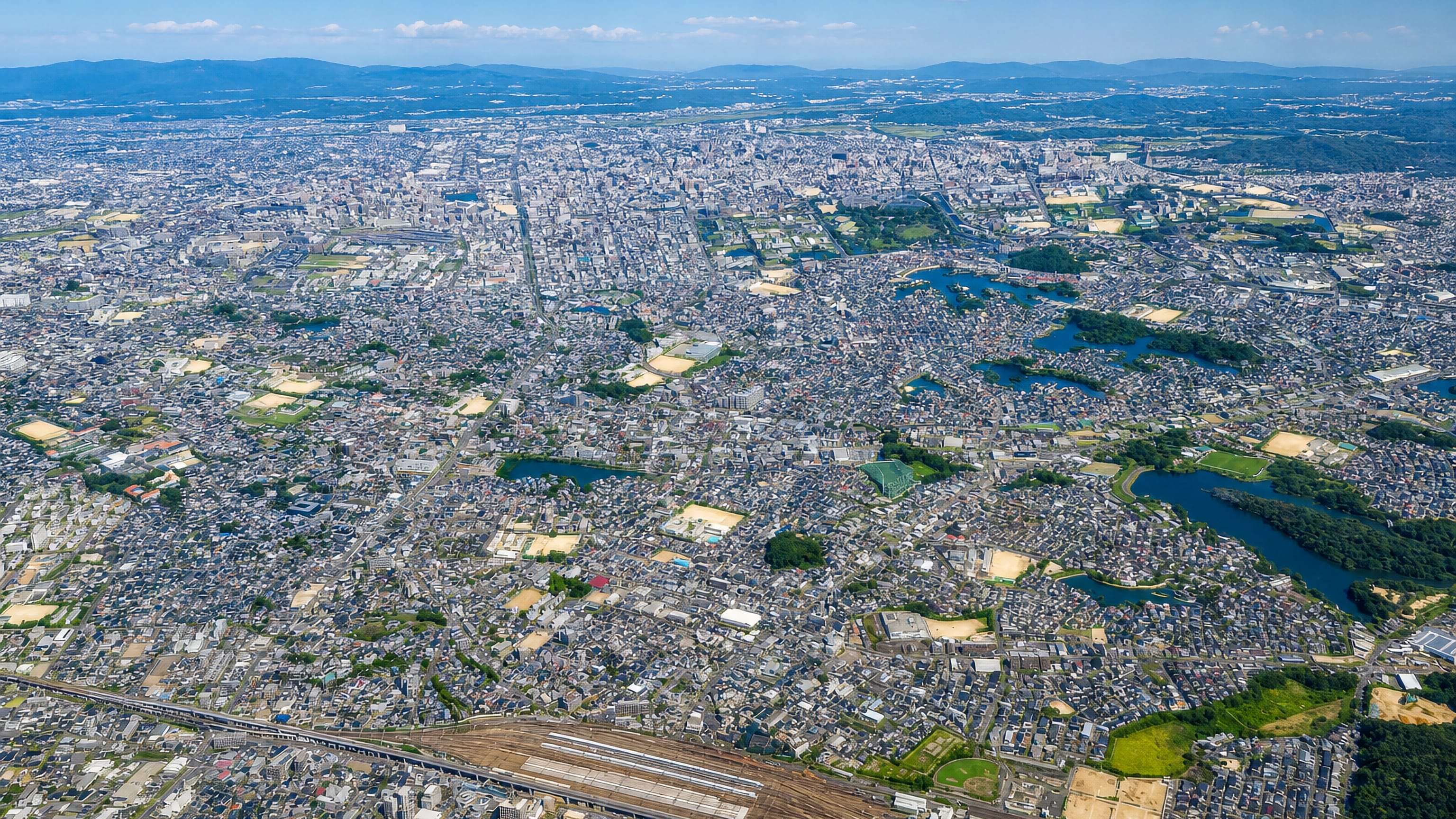
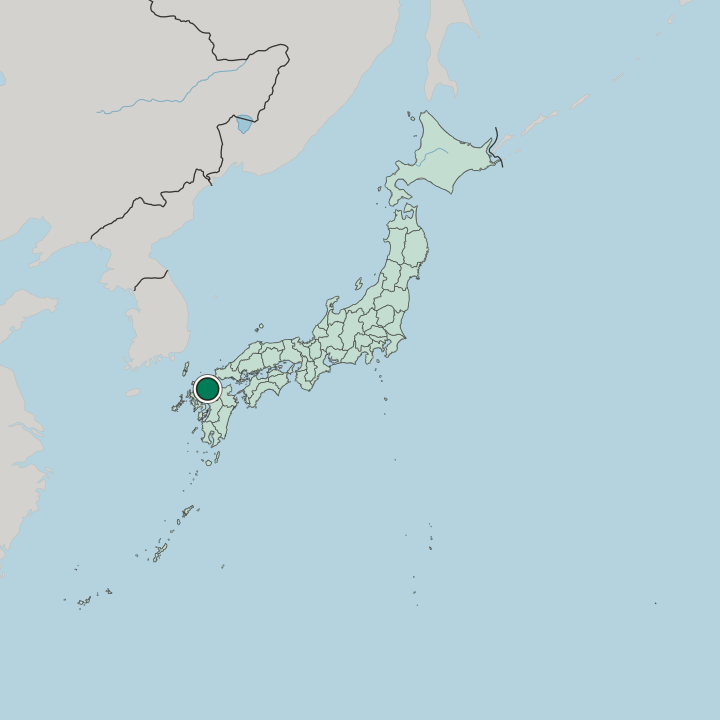
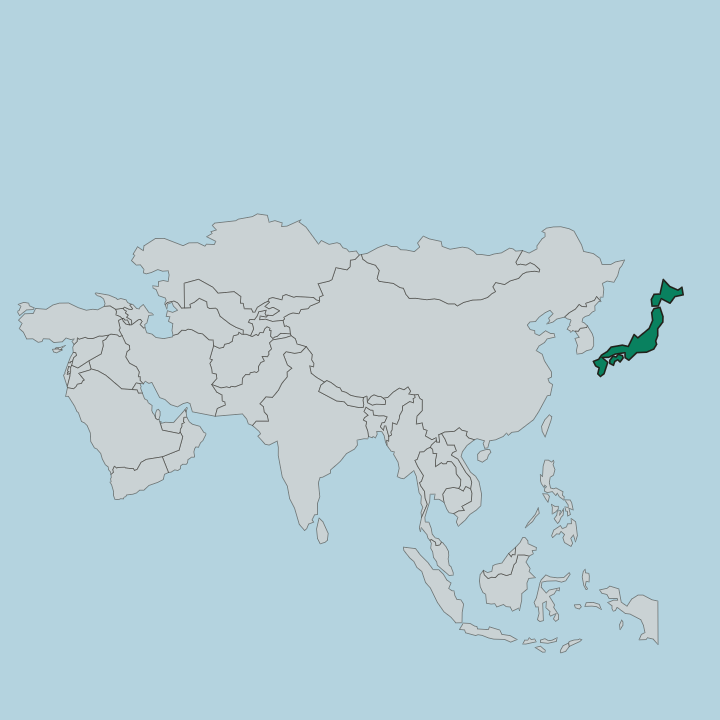
Kasuga is a small city of Fukuoka Prefecture, Japan, dating to 1889 and written Kasuga Village, with six excavated sites on its ground.
Hotel links are affiliate links: booking through them may earn us a commission, at no extra cost to you. It never affects how places are ranked. How this works


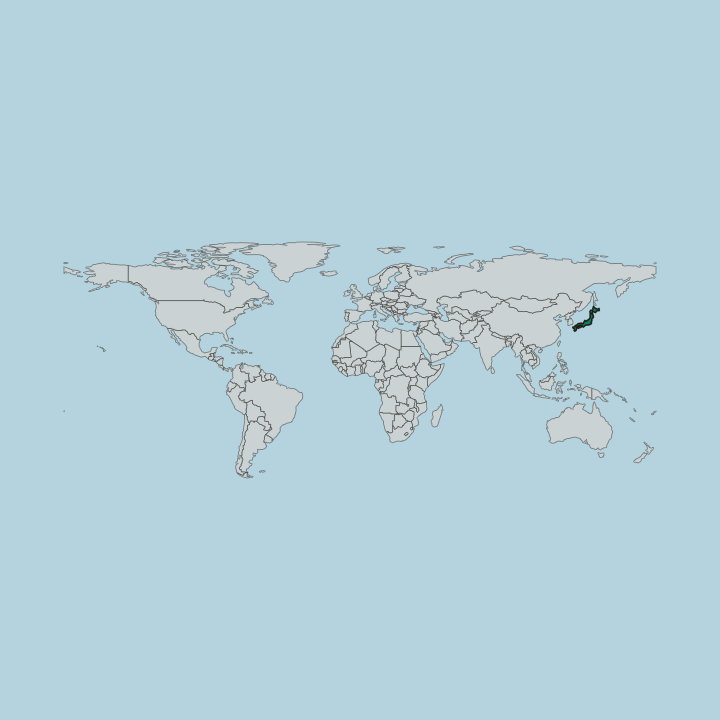
Where to stay in Kasuga
Where visitors usually base themselves, and why.
Kasuga is small enough that the choice of quarter matters less than in most cities, and a bed anywhere inside it sits within reach of the excavated ground that most visitors come for. Fourteen square kilometres is not much. The Itazuke Site is the name to plan around, and a stay booked within easy reach of it also puts the Sugu-Okamoto Site and the Kanenokuma Site inside the same short round.
Nakoku-no-oka Historical Park suits an afternoon. It is the one entry presented as a park rather than as a site under study, which makes it the easiest thing here to visit without a guidebook. Indoor options are limited.
The Fukuoka City Archaeological Center is the collection that explains the ground, and the Dazaifu Fureai Museum of History and Culture covers the same material from a different direction. Miyanomoto Site and Hakugensha Site round out the excavations. The Kokubu Tile Kiln ruins are the odd entry, since a kiln records manufacture rather than settlement, and a stay arranged around it reads Kasuga as a workshop rather than a dwelling place.
If ruins are what suit you, this is a city with almost nothing else to offer. 1889 is the founding date. Kasuga Village is the form the name takes in Japan, and Fukuoka Prefecture is the frame around a city that fits every one of its nine registered names into a very small area.
Find hotels in Kasuga
Direct booking searches for these neighbourhoods.
Itazuke Site
The Itazuke Site is the name a first morning in Kasuga is usually built around. Rooms are few around here — worth securing early.Find hotels in Itazuke Siteafternoons in the one park on Kasuga's listNakoku-no-oka Historical Park
Nakoku-no-oka Historical Park is the only entry presented as a park rather than as ground under study. Beds are limited here, so book early.Find hotels in Nakoku-no-oka Historical Parkdays that begin with the explanationFukuoka City Archaeological Center
The Fukuoka City Archaeological Center is the collection that makes sense of the six excavated sites in Kasuga. Beds are limited here, so book early.Find hotels in Fukuoka City Archaeological Centersecond-morning walks between excavationsSugu-Okamoto Site
The Sugu-Okamoto Site and the Kanenokuma Site fall on the same short round as the Itazuke Site. Beds are limited here, so book early.Find hotels in Sugu-Okamoto Sitetrips that read Kasuga as a place of manufactureKokubu Tile Kiln ruins
The Kokubu Tile Kiln ruins are the only entry in Kasuga pointing to a workshop instead of a settlement. Beds are limited here, so book early.Find hotels in Kokubu Tile Kiln ruinsHotel links are affiliate links: booking through them may earn us a commission, at no extra cost to you. It never affects how places are ranked. How this works
About Kasuga
Archaeology, almost exclusively.
What is Kasuga known for?
The Itazuke Site, the Sugu-Okamoto Site, the Kanenokuma Site, Miyanomoto Site, Hakugensha Site, and the Kokubu Tile Kiln ruins give Kasuga six pieces of excavated ground and very little else. Nakoku-no-oka Historical Park presents some of it outdoors. The Fukuoka City Archaeological Center and the Dazaifu Fureai Museum of History and Culture do the indoor half of the same job.
No castle, no temple.
What are the main landmarks in Kasuga?
Nine names, six of them excavated. The Itazuke Site, the Sugu-Okamoto Site, the Kanenokuma Site, the Kokubu Tile Kiln ruins, Miyanomoto Site, and Hakugensha Site all describe ground rather than buildings still standing on it. Nakoku-no-oka Historical Park is the outdoor presentation.
The Fukuoka City Archaeological Center and the Dazaifu Fureai Museum of History and Culture are the two indoor ones. Every name belongs to Fukuoka Prefecture.
What is the history of Kasuga?
The ground was occupied long before the name. The Itazuke Site, the Sugu-Okamoto Site, the Kanenokuma Site, Miyanomoto Site, and Hakugensha Site are all excavations, which means the earliest history of Kasuga is a matter of recovered evidence rather than written record. A kiln adds a trade.
Kokubu Tile Kiln ruins name a production site, and a tile kiln implies building work somewhere nearby that needed the tiles it fired. 1889 supplies the modern date. Kasuga Village is the older written form. The name places Kasuga in Fukuoka Prefecture, Japan, and the municipality drawn under it covers a very small area by the standards of a city.
Presentation came last. Nakoku-no-oka Historical Park, the Fukuoka City Archaeological Center, and the Dazaifu Fureai Museum of History and Culture are modern institutions built to show what the digging found, and none of them is older than the excavations they serve. That order is the whole story.
Ground first, then a village name, then the buildings that explain both. Hakugensha Site and Miyanomoto Site keep their names in the original script on the register. The Itazuke Site remains the anchor of that sequence, and Fukuoka Prefecture has held every stage of it, from the first excavated layer to the centre that displays what came out of it.
Where is Kasuga?
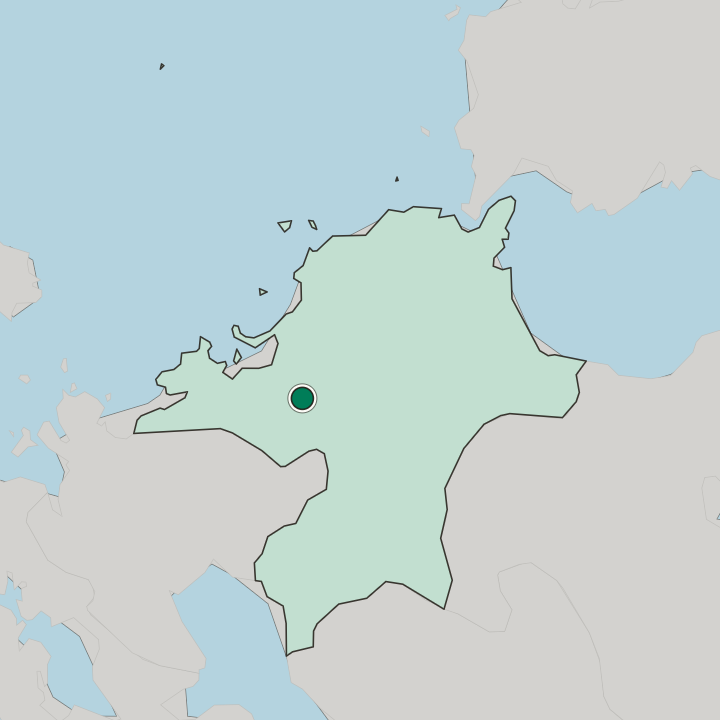
Very little ground indeed. Kasuga covers about fourteen square kilometres of Fukuoka Prefecture, which is small enough that the Itazuke Site, the Sugu-Okamoto Site, and the Kanenokuma Site are all within the same modest span. The land is subtropical.
Miyanomoto Site, Hakugensha Site, and the Kokubu Tile Kiln ruins occupy the same short stretch, and Nakoku-no-oka Historical Park is the piece of it kept green. Fukuoka Prefecture supplies everything beyond the boundary.
What is the climate of Kasuga?
Heat arrives early. The subtropical band holds Kasuga through a long, humid summer, and Fukuoka Prefecture's winters are short enough that the excavated sites stay walkable for most of the year. Nakoku-no-oka Historical Park is fully exposed.
The Fukuoka City Archaeological Center is the fallback when the rain sets in, with the Dazaifu Fureai Museum of History and Culture behind it. The Itazuke Site is best in dry weather.
How do you get to Kasuga?
Everything is close together. Kasuga occupies so little of Fukuoka Prefecture that a single arrival point puts the Itazuke Site, the Kanenokuma Site, and Nakoku-no-oka Historical Park all within short reach. Walking covers a lot of it.
The Fukuoka City Archaeological Center and the Sugu-Okamoto Site fall into the same pattern, and only the Dazaifu Fureai Museum of History and Culture asks for a longer move. Hakugensha Site completes a compact circuit.
Common questions
What is the best area to stay in Kasuga?
Itazuke Site: stays planned around the Itazuke Site. Nakoku-no-oka Historical Park: afternoons in the one park on Kasuga's list. Fukuoka City Archaeological Center: days that begin with the explanation. Sugu-Okamoto Site: second-morning walks between excavations. Kokubu Tile Kiln ruins: trips that read Kasuga as a place of manufacture.
Good for
More cities in Fukuoka Prefecture
Updated October 2026