Japan · Fukuoka Prefecture
Where to Stay in Yukuhashi, Fukuoka Prefecture
A Fukuoka Prefecture city in Japan, Yukuhashi carries its past in the Yukuhashi Red Brick Building and the Yukuhashi City Historical Museum.
Hotel links are affiliate links: booking through them may earn us a commission, at no extra cost to you. It never affects how places are ranked. How this works



Where to stay in Yukuhashi
Where visitors usually base themselves, and why.
Yukuhashi keeps its rooms close to the Yukuhashi City Historical Museum and the Yukuhashi Red Brick Building, the two places a short stay is most likely to be built around. Little ground separates them. Seventy square kilometres does not leave room for districts that feel far apart, and a bed anywhere inside Yukuhashi puts both of those buildings within an easy morning.
The Yukuhashi City Historical Museum is where the local record is kept, and it makes the natural first stop for a visitor who wants the city explained before walking it. Hiraodai is the reason to look further. The Hiraodai Nature Observation Center belongs to a different kind of day, and anyone whose trip is built around it will want a room chosen for the road out rather than for the museum.
Both plans fit one stay. If you want the town version, the Yukuhashi Red Brick Building and the Yukuhashi City Historical Museum between them fill a slow afternoon, and the rest of the day belongs to ordinary Fukuoka Prefecture streets. Bookings are simple here.
Yukuhashi has held city status since 1954, and what a visitor books into is a compact Fukuoka Prefecture town rather than a resort with a strip of hotels along one street.
Find hotels in Yukuhashi
Direct booking searches for these neighbourhoods.
Around the Yukuhashi Red Brick Building
Brick and the Yukuhashi City Historical Museum inside the same short walk, which is as concentrated as this city gets.Find hotels in Around the Yukuhashi Red Brick BuildingDays built around the Hiraodai Nature Observation CenterThe Hiraodai side
For visitors whose reason for coming is Hiraodai rather than the Yukuhashi City Historical Museum, and who want the road out first thing. Lodging is scarce in this area; reserve in advance.Find hotels in The Hiraodai sideHotel links are affiliate links: booking through them may earn us a commission, at no extra cost to you. It never affects how places are ranked. How this works
About Yukuhashi
Three named places carry the city.
What is Yukuhashi known for?
The Yukuhashi Red Brick Building and the Yukuhashi City Historical Museum both sit inside the built-up part, and the Hiraodai Nature Observation Center points the other way, out toward the ground that gives it its name. That is the whole shortlist. Yukuhashi is a working Fukuoka Prefecture city rather than a set of attractions, and its interest is in what those three places record rather than in a crowded itinerary.
Hiraodai supplies the outdoor half.
What are the main landmarks in Yukuhashi?
Yukuhashi's register runs to three entries. The Yukuhashi Red Brick Building supplies the architecture, the Yukuhashi City Historical Museum supplies the explanation, and the Hiraodai Nature Observation Center supplies everything that happens outside the built-up part. The division is clean.
Nothing on that list overlaps with anything else on it, which makes a visit to Yukuhashi unusually easy to plan and unusually quick to exhaust.
What is the history of Yukuhashi?
City status arrived in 1954. That date puts Yukuhashi among the Fukuoka Prefecture municipalities of the modern era rather than among places whose corporate history reaches back centuries. The buildings tell a longer story.
The Yukuhashi City Historical Museum is where that longer record is kept, and it covers ground that was settled and worked long before any municipal boundary was drawn around it. Brick came with industry. The Yukuhashi Red Brick Building still stands.
It is the one structure on the city's short list whose material is part of its name, and it does the thing no document in the Yukuhashi City Historical Museum can do, which is stand there. Hiraodai belongs to a different timescale entirely. The Hiraodai Nature Observation Center watches ground that was here before any settlement in Fukuoka Prefecture, and nothing in the municipal history of Yukuhashi touches it.
The record is small but it is complete. Between the Yukuhashi City Historical Museum, the Yukuhashi Red Brick Building and the Hiraodai Nature Observation Center, a visitor gets the settlement, the industry and the landscape without having to leave Fukuoka Prefecture or spend more than a day on it. 1954 is the pivot. Everything before it belongs to the museum, and everything after it to the ordinary municipal life of a city in Japan.
Where is Yukuhashi?
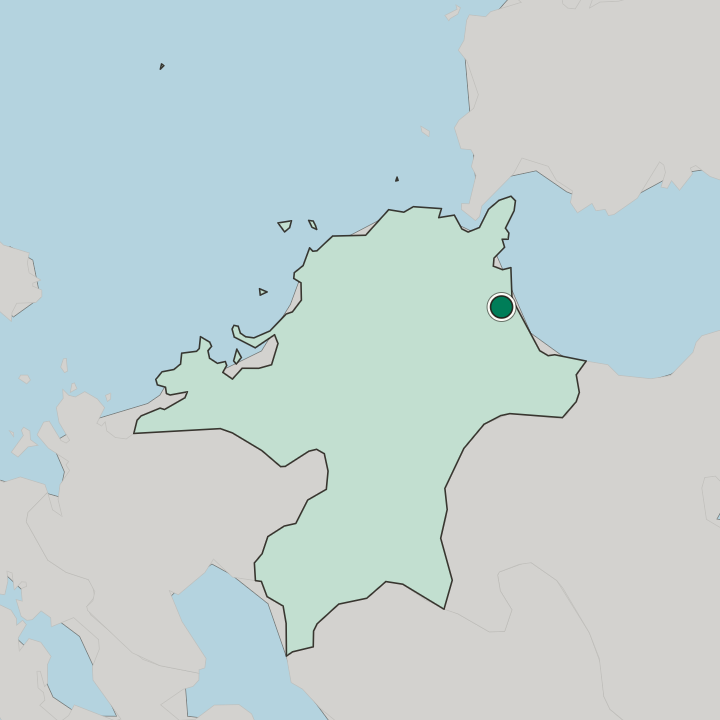
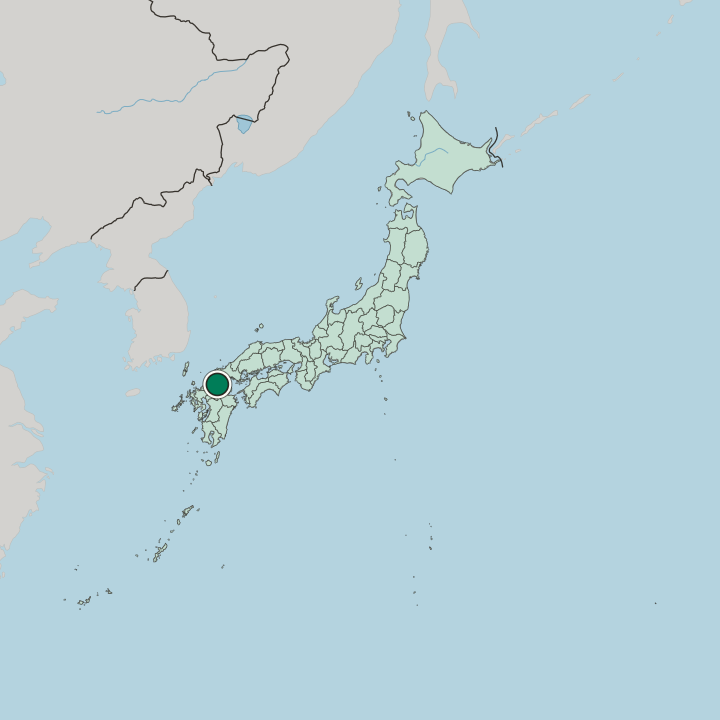
Yukuhashi covers about seventy square kilometres. That is a Fukuoka Prefecture city of moderate extent in Japan, large enough to hold a built centre and the ground around it, small enough that nothing inside the boundary is genuinely remote. Subtropical conditions apply throughout.
Hiraodai is the name attached to the natural ground, and the Hiraodai Nature Observation Center is the fixed point from which that ground is watched. Everything sits within easy reach.
What is the climate of Yukuhashi?
Heat is the defining half of the year. Subtropical air sits over this part of Fukuoka Prefecture through the long middle of the calendar, which makes the shoulder months the ones worth aiming for if the plan involves Hiraodai and any distance on foot. The museum does not care.
Yukuhashi City Historical Museum and the Yukuhashi Red Brick Building both work in any weather, which is what makes them the fallback when the outdoor half of the visit is rained off. Winters are the mild end.
How do you get to Yukuhashi?
Approach is straightforward. Yukuhashi sits inside Fukuoka Prefecture with the Yukuhashi Red Brick Building and the Yukuhashi City Historical Museum both inside the built-up part, so an arriving traveller has very little onward distance to cover. Hiraodai is the exception again.
The Hiraodai Nature Observation Center is the one thing on the list that asks the visitor to travel out of the built-up part of Yukuhashi and back, and it is worth allowing a half day for that alone. Everything else is inside the city.
Common questions
What is the best area to stay in Yukuhashi?
Around the Yukuhashi Red Brick Building: The Yukuhashi Red Brick Building and a walkable centre. The Hiraodai side: Days built around the Hiraodai Nature Observation Center.
More cities in Fukuoka Prefecture
Updated September 2026